
Greece’s Hidden Cultural Power Could Unlock a Bold New Era of Global Tourism and International Recognition

Updated
Published
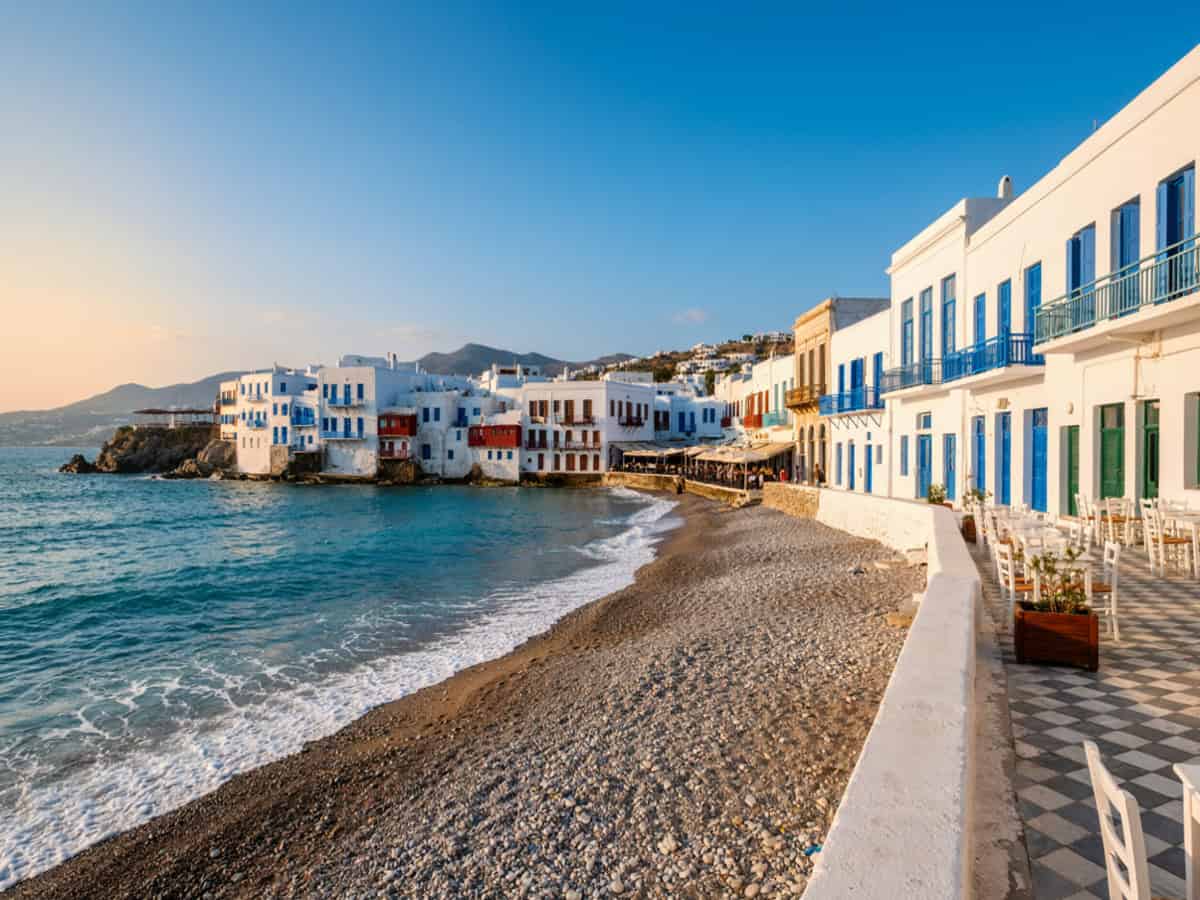
Greece can benefit by leveraging its resources and increasing the country’s appeal to tourists and the global market.
Greece has a significant cultural advantage over other countries that can be used to increase the number of tourists and promote the country across the world. The country’s unique appeal is built from its ancient Greek civilisation, cultural developments, natural beauty, uniques landmarks and outstanding hospitality. While the country is already very popular around the world and has a substantial amount of tourists per year, the current level of fame and appeal does not translate into economic and geopolitical power. With an increase in international marketing and promotion, an investment campaign, and a well organised brand promotion plan the country can benefit greatly from the increased exposure.
Greece’s Extraordinary Soft Power Creates an Unmatched Global Advantage
Greece possesses remarkable soft power rooted in thousands of years of cultural and historical achievement. Unlike traditional economic or military influence, soft power shapes international perceptions through shared values, heritage and cultural attraction.
Ancient Greece contributed significantly to democracy, philosophy, architecture and education. These achievements continue to influence societies worldwide.
Advertisement
Advertisement
This historical importance gives the country an exceptional advantage in international recognition.
Greek culture remains familiar to audiences across Europe, Asia and North America. Its archaeological treasures, traditional communities and distinctive landscapes reinforce that identity.
Advertisement
Advertisement
However, fully transforming these advantages into measurable economic opportunities requires greater coordination between cultural institutions, tourism authorities and international businesses.
Ancient Civilisation and Cultural Heritage Strengthen Greece’s Worldwide Recognition
Greece’s cultural identity extends far beyond its borders. Its ancient monuments, historic cities and archaeological landmarks represent a remarkable contribution to world civilisation.
Athens remains internationally associated with the origins of democracy and classical philosophy. The Acropolis and other celebrated sites attract visitors interested in understanding the foundations of European cultural history.
Beyond the capital, destinations such as Delphi, Olympia and Rhodes offer further opportunities for heritage tourism.
These attractions support Greece’s reputation as a destination where history remains central to the visitor experience.
However, stronger international cultural partnerships could expand awareness of lesser-known historic destinations and encourage broader tourism development.
Advertisement
Advertisement
Spectacular Landscapes and Legendary Hospitality Drive International Tourism Appeal
Greece’s natural environment provides another powerful foundation for its international tourism identity.
The country’s coastline, island landscapes, mountain villages and historic settlements offer varied experiences for international visitors.
Santorini, Mykonos, Crete and Corfu have become widely recognised holiday destinations. Meanwhile, mainland regions offer opportunities for cultural exploration, outdoor activities and nature-based tourism.
Traditional Greek hospitality further strengthens the visitor experience.
The combination of heritage, natural beauty and welcoming communities makes Greece attractive to different traveller segments.
The country also offers significant opportunities across coastal, cultural, city-break, nautical and year-round tourism, strengthening its potential to attract visitors throughout different seasons.
Advertisement
Advertisement
Greece’s Tourism Industry Demonstrates Remarkable Economic Strength
Greece’s tourism performance highlights the economic value of its international reputation.
According to the Bank of Greece, inbound traveller flows reached approximately 37.98 million in 2025, representing a 6.4% increase compared with 2024 under its final reporting measure.
Travel receipts reached approximately €23.63 billion, rising 9.4% year on year.
The positive momentum continued into 2026.
During January to July 2026, Greece recorded approximately 20.04 million inbound travellers, an 8.6% increase over the corresponding period in 2025.
Tourism receipts also increased by 12% to approximately €13.52 billion.
Advertisement
Advertisement
These figures demonstrate sustained international demand, although monthly visitor numbers and expenditure continue to fluctuate.
Private Investment Transforms Greece Into a Competitive Tourism Destination
Private businesses have played an essential role in strengthening Greece’s tourism industry.
Despite the financial difficulties experienced during the country’s prolonged economic crisis, hospitality enterprises continued developing accommodation facilities and tourism infrastructure.
Investment in luxury resorts, boutique hotels and upgraded visitor services helped improve the country’s competitive position.
Tourism operators also expanded their offerings to meet changing international expectations.
These developments contributed to Greece’s growing reputation among travellers seeking premium accommodation, cultural activities and personalised experiences.
Advertisement
Advertisement
However, successful private investment alone cannot guarantee sustained national competitiveness.
Stronger cooperation with public institutions remains essential for improving infrastructure, supporting regional destinations and establishing consistent international tourism promotion.
Greece’s Untapped Cultural Influence Reveals Major International Branding Challenges
Despite widespread global recognition, Greece has not fully capitalised on its powerful cultural identity.
The country possesses internationally recognised heritage assets, but promotional activities across different industries have often lacked sufficient coordination.
Italy provides a useful comparison because it has developed strong global recognition around its cultural heritage, creative industries, design and national identity.
Greece has similar opportunities to build stronger connections between tourism, culture and commercial development.
Advertisement
Advertisement
However, fragmented marketing and inconsistent long-term strategies can limit these opportunities.
A more unified approach could strengthen international visibility, improve investment prospects and allow businesses to benefit more effectively from Greece’s established reputation.
Cultural Diplomacy Could Strengthen Greece’s International Relationships
Cultural diplomacy represents another important opportunity for Greece to expand its influence.
The country’s historical contributions and global cultural recognition create a strong foundation for international cooperation.
The Greek Ministry of Foreign Affairs identifies cultural diplomacy as an important component of the country’s soft power.
Existing international cooperation frameworks cover culture, education, science and research.
Advertisement
Advertisement
However, the wider opportunity lies in building stronger connections between these activities and Greece’s international reputation.
Expanded exhibitions, academic exchanges, cultural partnerships and promotional programmes could strengthen engagement with foreign audiences.
Such initiatives could also encourage cultural tourism and improve international understanding of Greece’s contemporary national priorities.
A Unified National Tourism Strategy Could Unlock Extraordinary Opportunities
Greece could benefit from a comprehensive long-term strategy connecting its cultural strengths with tourism development and economic growth.
Such an initiative would require cooperation between government institutions, tourism organisations, cultural bodies, marketing specialists and private enterprises.
A coordinated approach could establish consistent international messaging and improve the effectiveness of promotional investment.
Advertisement
Advertisement
It could also support destinations beyond the country’s most popular islands and cities.
Regional tourism development remains particularly important because spreading visitor demand can create opportunities for smaller communities.
A ten-year national branding framework could provide clear objectives for cultural promotion, destination diversification and international investment.
Its success would depend on measurable targets, stable funding and effective implementation.
Innovation and Technology Could Redefine Greece’s Modern Global Identity
Greece’s international reputation remains strongly associated with ancient history, coastal landscapes and leisure tourism.
However, the country’s long-term global identity could extend further into scientific research, technology, entrepreneurship and advanced production.
Advertisement
Advertisement
Promoting contemporary achievements would demonstrate that Greece combines a distinguished past with modern economic capabilities.
Universities, research institutions and innovative businesses could contribute to international exhibitions, partnerships and investment campaigns.
This broader identity could also encourage business tourism, academic exchanges and professional travel.
Connecting technological progress with cultural promotion would help Greece attract audiences interested in more than traditional holidays.
It would also strengthen the country’s position as a destination for investment, collaboration and innovation.
Greece’s Hidden Cultural Power Could Shape a New Era of Global Influence
Greece stands at an important opportunity to transform its extraordinary cultural recognition into stronger international influence.
Advertisement
Advertisement
Its ancient civilisation, celebrated destinations, established hospitality industry and growing tourism economy provide considerable competitive advantages.
However, unlocking their full potential requires more than continued visitor growth.
The country needs coordinated cultural diplomacy, stronger international branding and closer cooperation between public and private institutions.
Greater attention to innovation, regional development and contemporary achievements could further diversify Greece’s global identity.
Greece could accelerate tourism growth and strengthen global influence by unlocking its untapped cultural heritage through strategic promotion, investment and cultural diplomacy.
By connecting its historical legacy with modern economic ambition, Greece could strengthen tourism competitiveness and international partnerships. Its greatest opportunity lies in turning an already powerful reputation into lasting national prosperity and global influence.
Advertisement
