
Vietnam Opens New Paths Beyond Crowded Tourism

Published
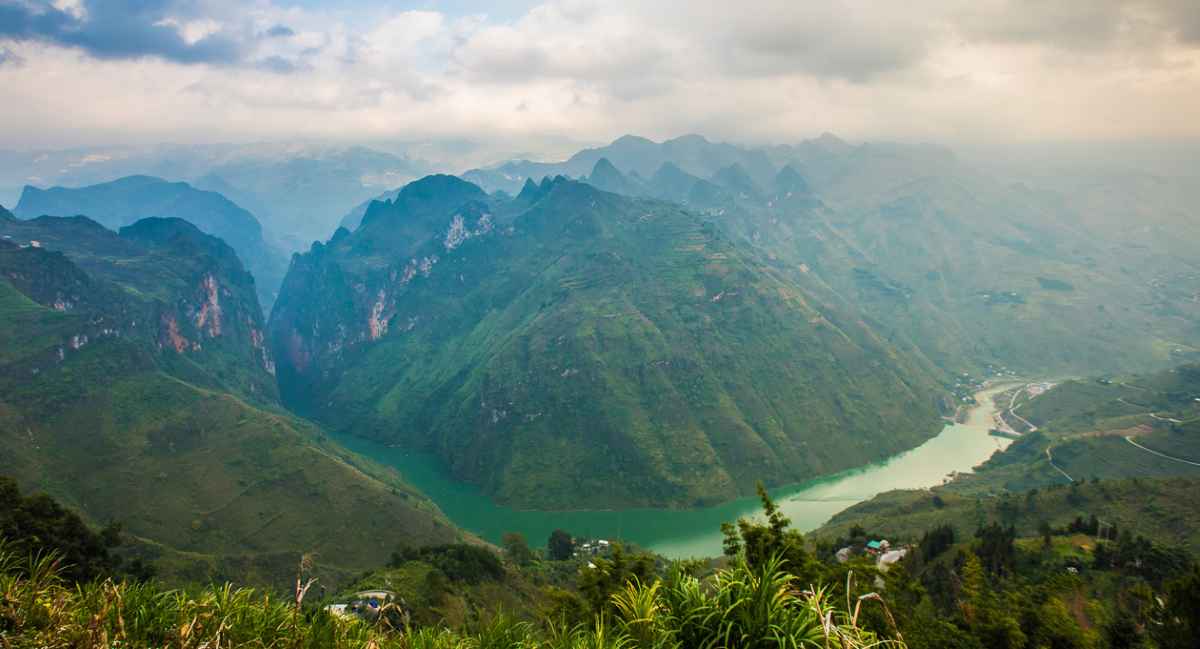
Nam Du Island in Southern Vietnam and Hà Giang in the northern highlands are gaining more interest among tourists who are in search of less-explored spots apart from the traditional tourism destinations of Vietnam. The shift in September 2026 brings into focus secondary destinations for travel itineraries. In place of constructing itineraries around highly frequented urban and coastal areas, the journey is designed by making use of eco-lodges and other outdoor and cultural activities.
Nam Du offers an island escape
The Nam Du Archipelago lies off southern Vietnam and consists of a group of islands known for beaches, clear waters, coral reefs and forested terrain. It offers a different setting from larger coastal resorts.
Advertisement
Advertisement
Hon Lon, the largest island, provides access to beaches including Cay Men, Dat Do, Ngu and Gieng. Travellers can swim, snorkel, explore coastal roads and visit surrounding island communities, while boat excursions open access to smaller islands and nearby waters.
Nam Du is also becoming easier to include in a wider southern Vietnam itinerary. High-speed ferry connections link the archipelago with the mainland, allowing travellers to combine an island stay with journeys through the country’s southern provinces.
Advertisement
Advertisement
For visitors interested in lower-impact accommodation, the islands provide opportunities for smaller-scale stays surrounded by tropical vegetation and coastal scenery. The focus is on proximity to nature rather than large resort infrastructure.
Hà Giang brings travellers into the highlands
Far to the north, Hà Giang provides a completely different travel environment.
Advertisement
Advertisement
The remote highland region is known for limestone mountains, winding roads, valleys, terraced farmland and villages associated with numerous ethnic communities. The Hà Giang Loop remains one of the area’s best-known routes, taking travellers through mountain passes and rural settlements.
September and October are particularly important for landscape-focused journeys, as rice terraces across parts of the region can display golden harvest colours. The season also suits trekking, photography and road journeys.
Beyond the main loop, areas such as Hoàng Su Phì offer quieter experiences. Terraced hillsides, forested valleys, village homestays and eco-retreats support longer rural stays.
Eco-lodges change the travel rhythm
The expansion of small eco-lodges across secondary destinations is changing how visitors can structure trips in Vietnam.
Instead of treating remote areas as short stops between major attractions, travellers can stay for several nights and explore at a slower pace. Walking, cycling, local food, village visits and nature activities can become part of the itinerary.
In Nam Du, that rhythm can include mornings beside the coast, boat excursions, swimming and evenings near the sea. In the northern highlands, days can revolve around mountain walks, terraced fields, local markets and community-hosted experiences.
Advertisement
Advertisement
Accommodation itself becomes part of the destination. Smaller properties surrounded by forests, mountains or coastline provide a base for exploring the surrounding environment while reducing the emphasis on large-scale resort development.
Cultural travel moves closer to communities
The strategy is also expanding community-based tourism.
Hà Giang is home to diverse ethnic communities, with traditional villages, markets, food, handicrafts and architecture forming important parts of the visitor experience. Homestays and locally guided excursions can take travellers beyond the main roads and into rural areas.
Nam Du offers another form of cultural encounter through island communities and fishing traditions. Seafood, boats, coastal livelihoods and small local businesses are naturally connected to the visitor experience.
These experiences provide a closer look at how people live and work beyond major tourism centres.
Nature becomes the main attraction
The focus on lower-impact tourism also places greater importance on protecting the landscapes that attract visitors.
Advertisement
Advertisement
Nam Du’s forests, beaches and marine areas form the foundation of its appeal, while Hà Giang’s mountains, rice terraces, rivers and rural landscapes create its identity as a highland destination.
Operators in these environments work within areas where access and infrastructure can be more limited. Visitors may find fewer conventional resort facilities but greater access to outdoor experiences and smaller communities.
Vietnam expands its tourism map
Secondary destinations provide travellers with more possibilities to experience Vietnam outside its popular cities, beaches, and historical destinations. It is possible to travel via Nam Du after visiting major destinations in the south, or move from Hanoi to Hà Giang and Hoàng Su Phì in the north. Secondary destinations provide tourists with an opportunity to visit well-known sights in combination with more remote and quiet rural and island destinations. The reported 15% faster booking growth for secondary Asian destinations is a result of the development mentioned by operators; however, there is no verification of this data from the official sources of Vietnamese tourism mentioned in the current paper. The expansion scheduled for September 2026 will include small-scale accommodation, nature-based tourism, and cultural experiences. Nam Du and Hà Giang have become part of the chain of destinations which allows visitors to travel slowly across the country, moving from forest islands in the south to mountains in the north.
Advertisement
