
Lima Airport Expands Automated Immigration to Improve Passenger Processing

Published
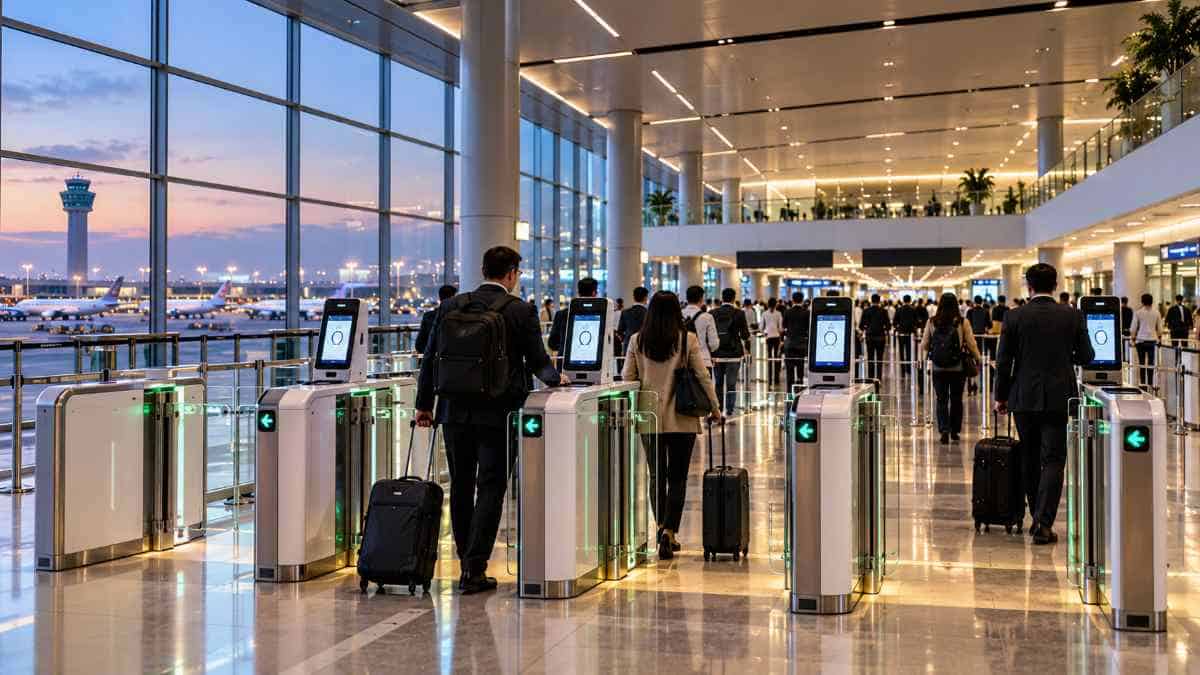
Jorge Chávez International Airport is developing its passenger processing facilities through the use of automated immigration technology and priority services that will help Peru enhance its role as a hub in international aviation. These developments affect international business travellers, conference delegates, and those connecting via the airport in Lima, although the existence of an immigration fast track program specifically designed for MICE travellers has not been confirmed. Jorge Chávez International Airport’s new terminal is fitted with automated border control technology created in collaboration between the National Superintendency of Migration (Migraciones) of Peru and SITA, a technology company. This technology uses electronic immigration gates, self-service kiosks, and pre-registration systems in order to minimise the wait time while ensuring security. This is important to corporate travellers because even though a more efficient process of immigration will assist those coming to attend meetings and incentive programs, there is no official information about an airport-to-airport immigration program specifically for MICE delegates.
Automated Immigration Technology at Jorge Chávez
The automated border-control project represents a major element of the airport’s passenger-processing modernisation. According to SITA, the installation includes 19 Automated Border Control e-gates, 21 self-service kiosks, management consoles and a mobile application for completing pre-travel declarations.
The technology is designed to reduce manual processing for eligible passengers. Travellers can complete certain information before arriving at the immigration checkpoint, while biometric identification and automated verification support the border-control process.
SITA said the mobile pre-registration facility was intended to reduce airport waiting times by up to 50%. This is a projected improvement associated with the system, rather than a guarantee that every passenger will experience a reduction of that scale.
Advertisement
Advertisement
The installation was developed with Migraciones, Lima Airport Partners (LAP) and other stakeholders. SITA was selected following an international tender conducted by the International Civil Aviation Organisation (ICAO). The agreement for the project was signed in August 2024, with the system subsequently introduced at the new terminal.
Who Can Use the Electronic Immigration Gates?
Access to automated immigration facilities is subject to eligibility requirements established by Peruvian authorities. Guidance published by Migraciones in June 2025 stated that the pre-registration system and e-gates were available to Peruvian citizens and foreign residents holding a valid foreign resident card.
Advertisement
Advertisement
Eligible passengers must be over 18, carry an electronic passport and travel without accompanying minors. The pre-registration process can be completed within 48 hours before departure through the Migracheck website or mobile application.
The system collects passenger and journey information, including flight details and the immediate destination. At the airport, biometric verification checks the information stored on the electronic passport before the passenger proceeds through the automated gate.
Advertisement
Advertisement
These restrictions are important for international executives travelling on short business visits. A foreign visitor holding an ordinary tourist or business visa should not automatically assume eligibility for the e-gates. Travellers should check the latest requirements with Migraciones before relying on automated immigration clearance.
Priority Lane Is Not an Immigration Fast-Track Service
Jorge Chávez International Airport also advertises a Priority Lane for international departure passengers. However, its function differs from an immigration fast-track facility.
According to the airport operator, Priority Lane provides a separate security-screening route for eligible Priority Pass members and passengers who purchase access. The service includes boarding-pass, airport-use-fee and passport validation, followed by priority security screening with assistance from a concierge team.
The operator explicitly states that immigration clearance is not included. Passengers must complete that process through the airport’s standard immigration arrangements.
Advertisement
Advertisement
The facility is located on Level 3 of the landside terminal, between check-in islands F and G. It is available throughout the day, according to the airport’s published service information.
For business travellers with tight departure schedules, the separate security lane may offer a practical convenience. It should not, however, be described as a dedicated immigration fast track or as a programme created specifically for corporate and MICE delegates.
Lima’s Role in South American Business Travel
Lima’s importance to international business travel extends beyond immigration technology. The city is a commercial centre for Peru and a gateway to destinations across the country’s Pacific coast, the Andes and the wider South American region.
Jorge Chávez International Airport, located in Callao near Lima, handles international and domestic services and supports connections between Peru and major markets in North America, Europe and Latin America. Improved passenger processing can therefore benefit a wide range of travellers, including corporate visitors, leisure passengers and people transferring between flights.
For the MICE sector, airport efficiency is one part of the overall visitor experience. Conference organisers and business travel managers also consider flight availability, hotel capacity, ground transport, meeting facilities and the time required to move between the airport and city venues.
Automated immigration can help reduce friction at the border for eligible passengers, but it does not remove the need to plan for immigration checks, security procedures, baggage collection or airline connection requirements.
International Transfers Face a Separate Cost Challenge
Similarly, the efforts by Lima to become an important regional connectivity airport have met some business and infrastructural constraints. One such problem was the fee for the use of the airport by transfer passengers. This fee, which is also called the TUUA de Transferencia Internacional, was introduced on 7 December 2025 and became the focus of discussion of the International Air Transport Association, since it could impair the competitiveness of Lima as a transfer airport. It shows that the speed of processing does not become the only factor that decides how attractive an airport will be for passengers. Besides prices of tickets and costs of transferring, the network of the airlines and time of connections must also be considered. For businessmen, there are useful changes in the infrastructure of immigration in Lima, yet passengers need to find out their eligibility and make other necessary arrangements before the trip.
Advertisement
