
USA Discovers a Fresh Travel Story Along San Antonios Living Waterways

Published
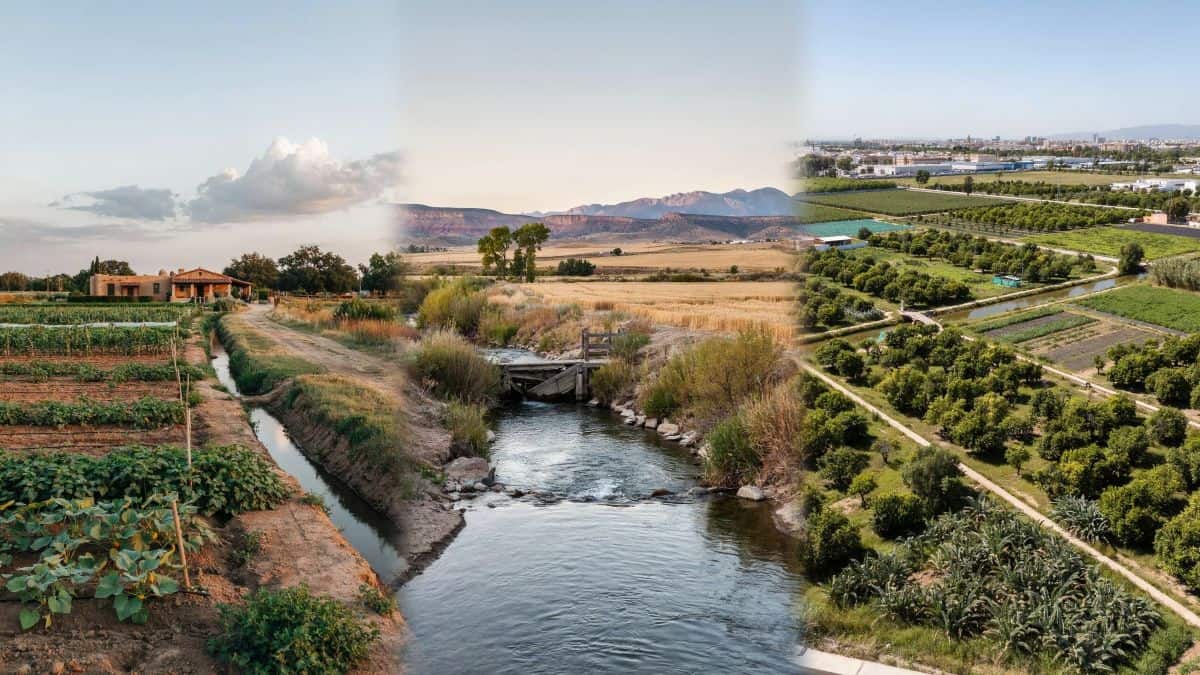
The USA is home to a new travel experience on the living waterways of San Antonio. There are historical canals that transport water to the fields and settlements. In Mission San Juan, one gets to walk the path of an acequia and watch irrigation supporting the food initiative in the community. In New Mexico, the acequias provide insight into how local authorities distribute water and preserve the historical system. On the other hand, across the ocean, there is the Huerta of Valencia, whose landscape is formed by canals, farms, markets, and traditions. Despite having a history of their own, all three sites offer the chance for travelers to explore beyond the landscape.
A journey through water, farming and living history
A quiet farm canal can tell a big story. It can show how people share water, grow food and care for the land. In San Antonio, Texas, visitors can follow historic irrigation channels beside a working demonstration farm. In New Mexico, local communities still manage shared water through elected leaders. Across the Atlantic, Valencia’s Huerta remains a working farm landscape shaped by centuries of irrigation.
Advertisement
Advertisement
These places have different histories and cultures. Yet each shows how water can shape daily life. That gives American travellers a fresh way to explore heritage: by walking beside the channels, learning from farming communities and seeing how old systems still matter.
Valencia offers a striking comparison. Its Huerta is not simply a backdrop for photographs. It is land where people grow crops and manage water. The same is true in parts of the American Southwest, where historic channels still connect farms, neighbourhoods and local institutions.
Advertisement
Advertisement
San Antonio puts the American story on the ground
Mission San Juan provides a clear starting point for visitors in San Antonio. The National Park Service describes a demonstration farm where people can see historic growing methods and water flowing through irrigation channels.
The farm also has a present-day purpose. The San Antonio Food Bank draws water from the acequia, or irrigation ditch, and uses modern systems to grow food for the community. This gives the site a link between history and everyday needs. Visitors can see how an old channel can still support food production.
Advertisement
Advertisement
The nearby Acequia Trail offers another way to understand the landscape. It runs north from Mission San Juan and connects with the San Antonio River Hike & Bike Trail, which links the city’s five missions. The connection is 1.2 miles long. Parts of the route have a gravel surface, so visitors should plan for the path conditions.
Together, the farm and trail make irrigation visible. Visitors can walk beside the water, look at the fields and ask how people moved water before modern pipes and pumps.
Advertisement
Advertisement
An irrigation idea crossed oceans
The story reaches beyond Texas. The National Park Service says settlers in San Antonio used an irrigation method with North African roots. That method had already proved useful in Spain.
This is a documented connection between Spain and the American Southwest. It helps explain why Valencia and San Antonio can be discussed together. Both places show how communities used channels to bring water to farmland.
The evidence does not show that San Antonio copied its system specifically from Valencia. The link is broader. Irrigation knowledge travelled through different regions and changed as people used it in new places. The channels in each landscape reflect local conditions, communities and histories.
Valencia’s Huerta has developed over more than 1,200 years, according to the Food and Agriculture Organization of the United Nations. Its system uses gravity-fed channels, small plots and shared water management. The FAO recognised it as a Globally Important Agricultural Heritage System in 2019.
Advertisement
Advertisement
These details make the comparison meaningful. The story is not that the two places are the same. It is that both show how people shaped farming around water.
New Mexico shows who shares the water
New Mexico adds a powerful human story. Acequias there are more than channels beside fields. They are community institutions that organise how people use and care for shared water.
The New Mexico Department of Justice says acequias operate in 22 of the state’s 33 counties. Local communities maintain the ditches and elect commissioners and a mayordomo. The mayordomo helps divide the available water among users.
This system gives residents a direct role in decisions. They help manage a resource that farms and communities depend on. Visitors interested in the region’s heritage can learn about this local structure, but access to acequia communities should be checked with each community. The source material does not establish that every group welcomes organised visits.
A state budget update dated 25 September 2026 offers a current reporting lead. Agencies submitted a request for US$16.5 million for statewide acequia projects through the Government Results and Opportunity Fund, as part of the fiscal year 2028 budget process.
That figure is a request. It is not an approved grant or a tourism budget. Still, it raises useful questions about the cost of maintaining historic water systems and who will pay for their future.
Advertisement
Advertisement
Valencia’s Huerta is a working landscape
Valencia’s Huerta gives travellers a Mediterranean view of farming heritage. The word describes the productive landscape around the city, where canals carry water to fields and growers continue to work the land.
The system’s age is striking, but its living character matters just as much. Small plots, shared water management and gravity-fed channels all help define the Huerta. These features show how farmers built a system suited to the landscape and how people coordinated water use over generations.
The Huerta received FAO heritage recognition in 2019. This is an agricultural heritage designation. It is separate from the UNESCO recognition given to Valencia’s Water Tribunal, which focuses on cultural heritage.
That distinction matters for travellers. A landscape and a water-governance tradition can be linked, but they do not have the same designation. Together, however, they offer a way to understand the Huerta from two angles: the land that produces food and the community rules that help distribute water.
The Huerta also gives American visitors a new kind of excursion from the city. Instead of seeing Valencia only through its central streets and famous sights, they can explore the farming landscape that helps feed the region.
A completed project leaves questions for visitors
A 2026 European project gives Valencia’s farm heritage a timely angle. MED GIAHS worked with agricultural heritage landscapes in several Mediterranean countries. The Andalusian government says the project ended on 31 March 2026.
Advertisement
Advertisement
Its work included a sustainable tourism strategy, training, guidance for action plans and a catalogue of agricultural tourism experiences. The project also held a study visit to Valencia’s Huerta in 2025. The government says the network created through the project will continue after its formal end.
The project’s official website reports that partners developed 29 agricultural tourism experiences across participating sites. That is a total for the project as a whole. It does not mean Valencia alone has 29 experiences.
The next question is what travellers can book today. Which farms still offer visits? Are experiences available in English? Who leads them, and how much of the fee goes to local growers? The available research does not answer those questions.
Those details matter because a tourism project can create plans and training, but visitors need current opening times, booking information and clear arrangements. Travellers should check directly with operators before setting out.
Farm tourism brings income and questions
Farm visits can help people learn how food is grown. They may also bring income to farming areas. But travellers and writers should be careful when comparing different places.
The US Department of Agriculture’s Economic Research Service says American farms and ranches earned US$1.26 billion from agritourism services in 2022. That was a 12.4 per cent increase from 2017 after adjusting for inflation.
Advertisement
Advertisement
The USDA uses a broad definition. It includes recreation, hospitality and entertainment on farms. The figure does not refer only to guided farm tours or food experiences. It also does not describe Valencia’s market.
In the Mediterranean project, the Andalusian government names supplementary income for producers as an intended benefit of the experiences developed with local participants. That is a goal, not proof that every farm earned more.
For travellers, the useful question is how visits support the people who grow the food. Does the fee help maintain a farm? Do visitors buy produce directly? Does a guide explain the work behind the landscape? These questions can turn a pleasant walk into a deeper learning experience.
Valencia’s farm paths make the landscape easier to explore
Alboraya’s municipal tourism service lists the Camino del Gayato as a route through farmland and beside irrigation channels. The path runs from Santa Bárbara towards Peixets.
The route is 1.8 kilometres long, or about 1.1 miles. The town suggests allowing around 90 minutes. It lists the difficulty as low and says visitors can walk, cycle or travel on horseback. Information panels provide details along the way.
These published details help travellers plan. The route gives visitors a defined way to see the Huerta rather than simply passing its fields on the edge of the city. Alboraya also lists Metrovalencia lines 3 and 9 as public transport connections from Valencia.
Advertisement
Advertisement
A low difficulty rating does not confirm that a route is suitable for wheelchair users. Visitors with access needs should seek current information about surfaces, crossings and facilities before travelling.
The route also creates a useful comparison with San Antonio. Both places let visitors follow channels through landscapes shaped by farming. Their paths, signs and local stories differ. Those differences are part of what makes the comparison interesting.
Seasonal markets connect farms with city life
Valencia’s agricultural story also reaches its urban markets. Mercavalència says the Tira de Comptar lets local growers sell produce to professional buyers. These buyers include shops, neighbourhood supermarkets, restaurants and other retailers.
The tradition dates back to the thirteenth century, according to Mercavalència. Its function is professional trade, so travellers should not assume it operates as an open farmers’ market for tourists. Any visitor arrangements need to be confirmed separately.
Another seasonal programme offers a more direct way to meet the city’s food culture. Mercavalència has announced Mercafestes events at neighbourhood markets. As of 26 October 2026, the next listed date is 31 October at Mercat de Russafa, with a pumpkin and Halloween theme. A pomegranate event is scheduled at Mercat de Castella on 21 November. An artichoke event at Mercat de Rojas Clemente is listed for 30 January 2027.
The January date falls next year. Travellers should confirm event arrangements before attending. These markets can help explain how seasonal produce connects rural growers with city residents.
Advertisement
Advertisement
The Water Tribunal keeps water rules in public view
Valencia’s Water Tribunal offers another way to understand shared irrigation. The city’s cultural service says the tribunal includes representatives from eight irrigation communities. It deals with water-use disputes and oversees parts of water distribution.
UNESCO added the irrigators’ tribunals of Valencia and Murcia to its Representative List of the Intangible Cultural Heritage of Humanity in 2009. Visit Valencia lists the tribunal’s customary public meeting for Thursdays at noon outside the Cathedral’s Door of the Apostles.
This is distinct from the FAO recognition for the Huerta. The two designations describe different things: one recognises an agricultural landscape, while the other recognises a living cultural practice.
The comparison with New Mexico is especially useful. Valencia’s tribunal and New Mexico’s elected acequia leaders reflect different systems, but both show communities making decisions about water. For visitors, the lesson is simple: irrigation depends on rules and relationships as well as channels.
US travellers can plan around national tourism figures
Spain’s US visitor figures show why this story may interest American travellers. Turespaña reports that 4,456,665 US tourists visited Spain in 2025 and spent about €10.235 billion. Their average stay was 7.8 nights. The bulletin says 84.8 per cent travelled without a package.
The same official bulletin reported cumulative growth through the second quarter of 2026: arrivals rose 9.5 per cent year on year, while nominal spending increased 17.6 per cent. These figures cover Spain as a whole. They do not show how many Americans visited Valencia or the Huerta.
Advertisement
Advertisement
It is reasonable to suggest that the Huerta could add a different excursion for Americans already planning a trip to Spain. That is an editorial inference, not a measured trend. No official figure in the research records American visits to the Huerta, bookings with its farms or spending with local producers.
For travellers, the practical appeal is clear: a visit can add a rural perspective to a city break. The experience may include a walk, a market visit or a guided farm activity, depending on what is operating.
Farm visits need care when returning to the US
Travellers who visit farms abroad should remember the rules for bringing food and farm equipment home. The US Department of Agriculture’s Animal and Plant Health Inspection Service advises people entering the United States to declare agricultural products. It also asks travellers to tell officials if they visited a farm or had contact with animals abroad.
The agency recommends cleaning dirt from footwear and equipment after relevant farm visits. It also says almost all fresh fruit and vegetables are prohibited from entering the United States because they may carry pests or diseases.
Rules can vary by product. Travellers should check requirements for a particular purchase before packing it. Declaring items and following official instructions can help protect farms and food production in the United States.
This is a small but useful part of the story. A landscape visit connects travellers with farming, and the return journey comes with responsibilities.
A richer way to see working landscapes
There are many locations across the USA and Valencia that feature hidden canals that offer an enlightening experience about the agricultural history through a journey for inquisitive travelers. Such canals have water in them and connect farming, food, decisions and knowledge that has been accumulated through generations. In San Antonio, travelers can witness irrigation being used for the benefit of a community food initiative at the Mission San Juan site. The Acequias in New Mexico demonstrate how the community is using the water for common purposes. In Valencia, the Huerta has water canals, cultivated farmland and local markets incorporated into one landscape.
Advertisement
