
Canada Pairs Up with Qatar to Supercharge Tourism Through Investment, Aviation and Hospitality Push

Published
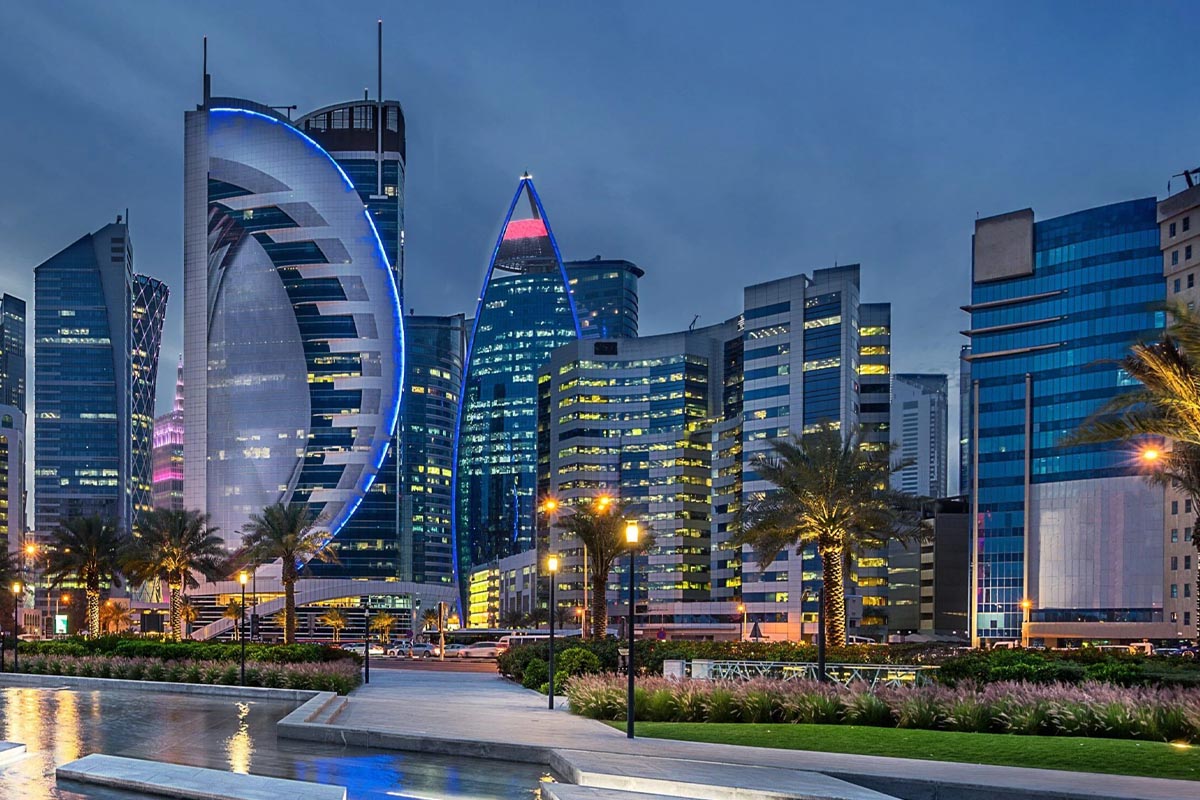
Image generated with Ai
The newly solidified Canada Qatar tourism partnership represents a pivotal economic realignment designed to dramatically boost two-way travel, trade, and cross-border commercial ventures. As both nations accelerate initiatives following high-level bilateral dialogues, this strategic framework addresses growing demand for seamless transatlantic connections, joint hotel developments, and major infrastructure capital. By combining Canada’s world-class natural attractions and hospitality assets with Qatar’s financial strength, modern aviation hubs, and global tourism network, both countries are positioning themselves to capture a larger share of high-yield international travelers, setting an ambitious benchmark for international travel cooperation.
Executive Summary: A New Landmark Era for Transatlantic Bilateral Tourism
Advertisement
Advertisement
The global travel sector is witnessing a landmark shift as Canada and the State of Qatar establish a comprehensive, multi-sector economic alignment centered on hospitality development, air connectivity, and investment flows. Operating under updated bilateral frameworks, the Canada Qatar tourism partnership establishes a formalized pathway for institutional investors, national flag carriers, and destination marketing organizations to scale cross-border visitor traffic and capital deployment.
This strategic alignment comes at a time when destination management organizations (DMOs) worldwide are seeking to diversify source markets and build resilient infrastructure. Through coordinated policy frameworks led by Global Affairs Canada, the Trade Commissioner Service (TCS), Innovation, Science and Economic Development Canada (ISED), alongside Qatar Tourism, the Qatari Ministry of Commerce and Industry, and the Qatar Investment Authority (QIA), both countries are unlocking capital reserves and administrative efficiencies.
Advertisement
Advertisement
The primary objectives of this partnership center on expanding direct air links between Canadian gateways and Doha’s Hamad International Airport (DOH), incentivizing direct foreign investment in luxury and lifestyle hotel assets, facilitating joint trade missions, and streamlining visa mechanisms to elevate two-way leisure and corporate travel.
┌─────────────────────────────────────────────────────────────────────────┐
Advertisement
Advertisement
│ CANADA – QATAR STRATEGIC TOURISM FRAMEWORK │
├────────────────────────────────┬────────────────────────────────────────┤
Advertisement
Advertisement
│ Key Economic Pillars │ Operational Targets & Deliverables │
├────────────────────────────────┼────────────────────────────────────────┤
│ Aviation & Connectivity │ • Expanded Bilateral Air Services │
│ │ • Direct Gateways: YVR, YYZ, YUL to DOH│
Advertisement
Advertisement
│ │ • Codeshare Expansion (AC / QR) │
├────────────────────────────────┼────────────────────────────────────────┤
│ Capital & Real Estate │ • QIA Foreign Direct Investment │
│ │ • Co-Investment in Luxury Eco-Resorts │
│ │ • Urban Infrastructure Expansion │
├────────────────────────────────┼────────────────────────────────────────┤
Advertisement
Advertisement
│ Hospitality & Trade │ • Trade Commissioner Service Events │
│ │ • B2B Matchmaking via Hospitality Qatar│
│ │ • Skilled Workforce Exchange Framework │
└────────────────────────────────┴────────────────────────────────────────┘
Background: Decades of Diplomatic Relations Catalysing Modern Travel Growth
Relations between Canada and the State of Qatar span over half a century, established upon formal diplomatic ties that have consistently fostered mutual cooperation across energy, higher education, and regional security. However, the economic trajectory between Ottawa and Doha has accelerated rapidly in recent years, driven by a mutual vision to build resilient, non-oil economic sectors.
Advertisement
Advertisement
For Canada, international visitor expenditures represent a crucial component of national GDP and service export growth. According to Statistics Canada and Destination Canada, international tourism receipts contribute tens of billions of dollars annually to the domestic economy, supporting over one million jobs in transport, accommodation, food services, and recreation. To maintain this growth trajectory, Canadian policymakers have placed explicit emphasis on diversifying inbound market channels away from traditional reliance on transborder US traffic toward high-yield markets across the Gulf Cooperation Council (GCC) region.
Concurrently, Qatar has pursued its transformative National Vision 2030, alongside the Third National Development Strategy (NDS3), which targets the tourism and hospitality sector as a primary engine for macroeconomic diversification. Following the successful hosting of the FIFA World Cup, Qatar established state-of-the-art tourism infrastructure, including Hamad International Airport’s expanded passenger terminals, automated transit networks, and an extensive portfolio of luxury accommodations.
By positioning Doha as a global aviation crossroads and cultural destination, Qatar Tourism aims to attract more than six million visitors annually by 2030, raising tourism’s contribution to national GDP from historical single-digit levels to over 12 per cent. The formal consolidation of the Canada Qatar tourism partnership represents a natural convergence of these national strategies, creating a robust framework for long-term bilateral expansion.
Latest Official Developments and Bilateral Engagements
The expansion of bilateral relations between Canada and Qatar follows high-level government-to-government engagements and strategic dialogues involving senior ministers, foreign trade delegates, and diplomatic envoys from both capitals. Key diplomatic milestones established clear mandates to eliminate administrative barriers, lower foreign investment thresholds, and expand transit rights.
During the Strategic Dialogue sessions between Global Affairs Canada and Qatar’s Ministry of Foreign Affairs, representatives signed formal memoranda focusing on three foundational areas:
Advertisement
Advertisement
- Aviation Access Modernization: Protocols to negotiate upgraded Air Transport Agreements (ATA) aimed at expanding weekly flight frequencies, secondary gateway access, and cargo capacity between the two nations.
- Joint Investment Facilitation: Mechanisms to connect Canadian institutional real estate managers and eco-tourism developers directly with Qatari sovereign wealth channels, including the Qatar Investment Authority (QIA) and Katara Hospitality.
- Trade Mission Integration: Formal support from Canada’s Trade Commissioner Service (TCS) to host flagship industry delegations at events like Hospitality Qatar at the Doha Exhibition and Convention Centre (DECC).
The official integration of the TCS into Qatar’s primary hospitality showcase underlines Canada’s strategy to export architectural, technological, and culinary expertise into Qatar’s rapidly growing tourism landscape while securing Qatari equity for Canadian domestic projects.
Government Announcements and Institutional Frameworks
Official statements issued by Canadian and Qatari government agencies outline a clear roadmap for execution across several key ministries.
“Strengthening international economic partnerships and expanding our global trade footprint in the Middle East is vital for Canada’s long-term prosperity. Through deeper collaboration with Qatar in aviation, investment, and hospitality, we are creating sustainable opportunities for Canadian businesses while welcoming high-value global visitors to our communities.”
— Official Statement, Global Affairs Canada / Trade Commissioner Service
On the Qatari side, official representatives from Qatar Tourism and the Ministry of Commerce and Industry emphasized the strategic fit between Canadian tourism assets and Qatari investment criteria.
Advertisement
Advertisement
“Qatar’s tourism strategy thrives on international collaboration, digital innovation, and long-term infrastructure investment. Partnering with Canadian entities enables us to expand our global reach, share best practices in sustainable hospitality, and position Doha as a premier hub for North American travelers visiting the GCC region and beyond.”
— Official Spokesperson, Qatar Tourism (Visit Qatar)
Under these governmental mandates, specific inter-agency task forces have been formed:
- The Transatlantic Aviation Working Group: Comprising Transport Canada, the Canadian Transportation Agency (CTA), Qatar’s Civil Aviation Authority (QCAA), and airline executives, tasked with optimizing slot allocations and transit protocols.
- The Qatar-Canada Hospitality Investment Council: Co-chaired by representatives from the Trade Commissioner Service and Qatari business federations, focused on identifying high-yield hospitality, eco-resort, and municipal infrastructure assets.
- The Joint Visitor Experience & Mobility Taskforce: Overseeing electronic travel authorization procedures, simplified visa handling via Qatar’s Hayya Platform, and fast-tracked clearance protocols for frequent business travelers and tour groups.
Aviation and Air Connectivity Expansion
A central driver of the Canada Qatar tourism partnership is the optimization of direct air links. Direct passenger feed is essential for supporting hotel occupancy, convention travel, and regional tour distribution.
Current Route Network and Seat Capacity
Advertisement
Advertisement
Currently, Qatar Airways operates direct services connecting Hamad International Airport (DOH) with Montréal–Trudeau International Airport (YUL) and Toronto Pearson International Airport (YYZ), alongside codeshare arrangements with Air Canada. However, historical capacity restrictions under legacy bilateral air transport agreements created operational bottlenecks during peak travel seasons.
┌─────────────────────────────────────────────────────────────────────────┐
│ TRANSATLANTIC AVIATION CAPACITY EXPANSION │
├──────────────────────┬─────────────────────────┬────────────────────────┤
│ Route Corridor │ Historical Baseline │ Targeted Post-Expansion│
├──────────────────────┼─────────────────────────┼────────────────────────┤
Advertisement
Advertisement
│ Doha (DOH) – YUL │ 7 Weekly Frequencies │ 14 Weekly Frequencies │
│ Doha (DOH) – YYZ │ 7 Weekly Frequencies │ 14 Weekly Frequencies │
│ Doha (DOH) – YVR │ Seasonal / Indirect │ 7 Direct Frequencies │
│ Doha (DOH) – YYC │ Interline Services │ Cargo & Seasonal Direct│
└──────────────────────┴─────────────────────────┴────────────────────────┘
The upgraded frameworks aim to significantly increase allowable weekly seat frequencies, providing room for expanded year-round flights. Furthermore, air transport talks have opened pathways for direct flights targeting Western Canada, specifically Vancouver International Airport (YVR) and Calgary International Airport (YYC), connecting the Canadian West directly to the Gulf.
Advertisement
Advertisement
Economic Multipliers of Direct Air Services
Expanded air rights yield immediate economic benefits across multiple sectors:
- Inbound Tourism Revenue: Direct long-haul flights bring high-spending international travelers who record longer average lengths of stay in host cities.
- Belly Cargo Operations: Expanded wide-body passenger flights (utilizing Boeing 777-9 and Airbus A350-1000 aircraft) double belly-hold cargo capacity, facilitating high-value exports such as Canadian seafood, agricultural commodities, and pharmaceuticals to Middle Eastern markets.
- Hub-and-Spoke Synergy: Doha’s geographical position enables Canadian travelers to connect seamlessly through DOH to over 170 global destinations across the Asia-Pacific region, the Indian Subcontinent, and East Africa, while providing Middle Eastern, South Asian, and African travelers with smooth entry into Canada.
Capital Investment and Hospitality Infrastructure
Capital deployment represents the second primary pillar of the bilateral strategy. Qatar’s sovereign wealth and private investment holding companies manage large-scale real estate portfolios worldwide. Through this partnership, structured mechanisms are directing capital toward Canada’s luxury hospitality, urban development, and eco-tourism markets, while creating avenues for Canadian firms to participate in Qatar’s ongoing development.
Foreign Direct Investment (FDI) Targets in Canadian Real Estate
Qatari institutional investors are targeting several key segments within the Canadian market:
Advertisement
Advertisement
- Luxury Urban Hotel Assets: Acquisition and redevelopment of heritage and five-star luxury hotel properties in tier-one Canadian metropolitan centers, including Toronto, Vancouver, Montréal, and Calgary.
- Experiential and Eco-Tourism Resorts: Financing high-end, low-impact luxury eco-resorts in iconic natural regions such as the Canadian Rockies, Banff, Jasper, coastal British Columbia, and Quebec’s Laurentians.
- MICE and Infrastructure Facilities: Co-investing in expanded convention centers, urban entertainment districts, and mixed-use commercial hubs that support major events and international conferences.
Canadian Hospitality Export to Qatar
Concurrently, Canadian firms are capitalizing on opportunities in Qatar’s hospitality and retail ecosystems. Supported by the Trade Commissioner Service, Canadian companies specializing in architectural design, sustainable building materials, digital hotel technology, and premium food and beverage exports are securing commercial contracts within Qatar.
┌─────────────────────────────────────────────────────────────────────────┐
│ BILATERAL INVESTMENT & TRADE ALLOCATION │
├─────────────────────────────────────────────────────────────────────────┤
│ QATARI CAPITAL INTO CANADA: │
Advertisement
Advertisement
│ █ ████████████████████████████████ 60% Luxury Real Estate & Hotels │
│ █ ████████████████ 25% Eco-Resorts & Regional Tourism │
│ █ ███████ 15% MICE & Transport Infrastructure │
├─────────────────────────────────────────────────────────────────────────┤
│ CANADIAN EXPORTS TO QATAR: │
│ █ ████████████████████████ 45% Hospitality Tech & Architecture │
Advertisement
Advertisement
│ █ ████████████████ 30% Premium Agri-Food & Seafood │
│ █ █████████ 25% Tourism Management & Education │
└─────────────────────────────────────────────────────────────────────────┘
Events such as Hospitality Qatar serve as a central operational platform for Canadian suppliers and hotel operators to engage directly with Qatari buyers, project owners, and government stakeholders.
Economic Implications and Trade Statistics
The economic baseline underpinning the Canada Qatar tourism partnership is backed by strong commercial statistics. Bilateral trade in goods and services between the two nations has shown consistent year-over-year expansion, with tourism services emerging as a primary growth vector.
Advertisement
Advertisement
Data from national statistics agencies and international travel bodies highlights the high-value nature of the GCC market for Canadian destination partners:
- High Average Spend: Inbound visitors from Qatar and the broader Gulf region represent one of the highest spending demographics in global travel. Average per-trip expenditure by GCC visitors in North America exceeds CAD $3,200 per traveler, well above the international visitor average.
- Extended Length of Stay: The average length of stay for GCC travelers in Canada ranges between 10 to 14 nights, benefiting hotel operators, local retail corridors, regional transit providers, and cultural attractions.
- Seasonal Balance: Qatari travel patterns peak during the summer months (June through September) as travelers seek cooler climates—aligning with Canada’s peak domestic tourism season—while Canadian travel to Qatar peaks during the autumn and winter months (October through March) for sun, culture, and business travel.
Tourism, Business, and Public Impact
The rollout of enhanced bilateral agreements delivers tangible benefits to various stakeholder groups, ranging from individual travelers to commercial enterprises and municipal tourism boards.
Impact on Leisure and Cultural Travelers
For Canadian tourists, Qatar represents a premier cultural gateway offering world-class museums, heritage sites such as Souq Waqif and Katara Cultural Village, luxury island developments, and desert safari experiences. Advanced digital visa platforms like Qatar’s Hayya electronic visa system facilitate seamless processing for Canadian passport holders, offering visa-on-arrival privileges and streamlined entry.
For Qatari citizens and residents, Canada provides diverse seasonal experiences—from urban culture in Montréal and Toronto to pristine wilderness adventures in Banff National Park, Niagara Falls, and the Pacific Northwest.
Advertisement
Advertisement
Impact on Corporate, MICE, and Business Travel
Meetings, Incentives, Conferences, and Exhibitions (MICE) represent a substantial growth driver for both economies. Doha has firmly established itself as a global MICE powerhouse, with business events generating billions in economic impact.
A prime example of this regulatory foundation is the bilateral public safety and security agreement signed between Canada’s Ministry of Public Safety and Qatar’s Ministry of Interior. By enhancing intelligence cooperation, combating transnational security threats, and streamlining border management protocols, both nations ensure that expanded passenger volume is supported by rigorous security standards.
Furthermore, discussions regarding Foreign Investment Protection Agreements (FIPA) ensure that institutional capital deployed by Qatari funds into Canadian infrastructure—and Canadian commercial investments in Doha—enjoy robust legal protections, clear tax terms, and guaranteed profit repatriation.
Industry Analysis: Competitive Positioning in the GCC and North America
The strategy executed by Ottawa and Doha must be viewed within the competitive context of global tourism markets. Within the GCC, Qatar competes directly with regional neighbors like the United Arab Emirates and Saudi Arabia for international visitor share and aviation hub dominance.
Advertisement
Advertisement
By building dedicated bilateral channels with G7 nations like Canada—which boasts a strong economy, stable financial institutions, and extensive trade networks—Qatar gains a reliable North American partner for direct travel, talent exchange, and institutional investment.
For Canada, securing dedicated Qatari capital and direct air feeds allows destination marketing organizations to compete more effectively against traditional destinations in Europe and East Asia. The partnership provides Canada with a strategic gateway into the Middle East, South Asia, and East Africa through Qatar’s aviation infrastructure.
Sustainable Tourism and Technological Innovation
Both Canada and Qatar have integrated sustainability and digital transformation into their national tourism strategies. The bilateral framework emphasizes green building standards, eco-resort certification, and cutting-edge digital visitor tools.
Green Building Standards in Hospitality
Investments originating from the partnership are aligned with environmental, social, and governance (ESG) criteria:
Advertisement
Advertisement
- LEED and GSAS Certifications: New hotel developments supported by joint capital are required to meet high environmental benchmarks, incorporating Qatar’s Global Sustainability Assessment System (GSAS) and Canada’s LEED standards.
- Low-Impact Wilderness Lodges: Canadian eco-resort projects receiving Qatari investment emphasize renewable energy systems, zero-waste water treatment, and minimal ecological footprints.
Digital Transformation and AI Integration
Digital innovation forms another shared priority. Qatar Tourism’s rollout of AI-driven visitor platforms—such as the QM AI Art Tour by Qatar Museums—illustrates how technology is being leveraged to personalize visitor experiences.
The long-term success of this alliance relies on sustained collaboration between public institutions and private sector operators. By aligning air route development, investment flows, digital platforms, and security protocols, Canada and Qatar are building a resilient transatlantic bridge designed to drive sustainable growth, foster cultural exchange, and set a standard for modern international tourism partnerships.
Advertisement
