
China Firmly Stands With Macau and More Greater Bay Area Destinations As Typhoon Noul Strikes Guangdong, Forces Mass Evacuations, Disrupts Aviation And Raises New Concerns Over Travel Safety And Tourism Resilience

Published
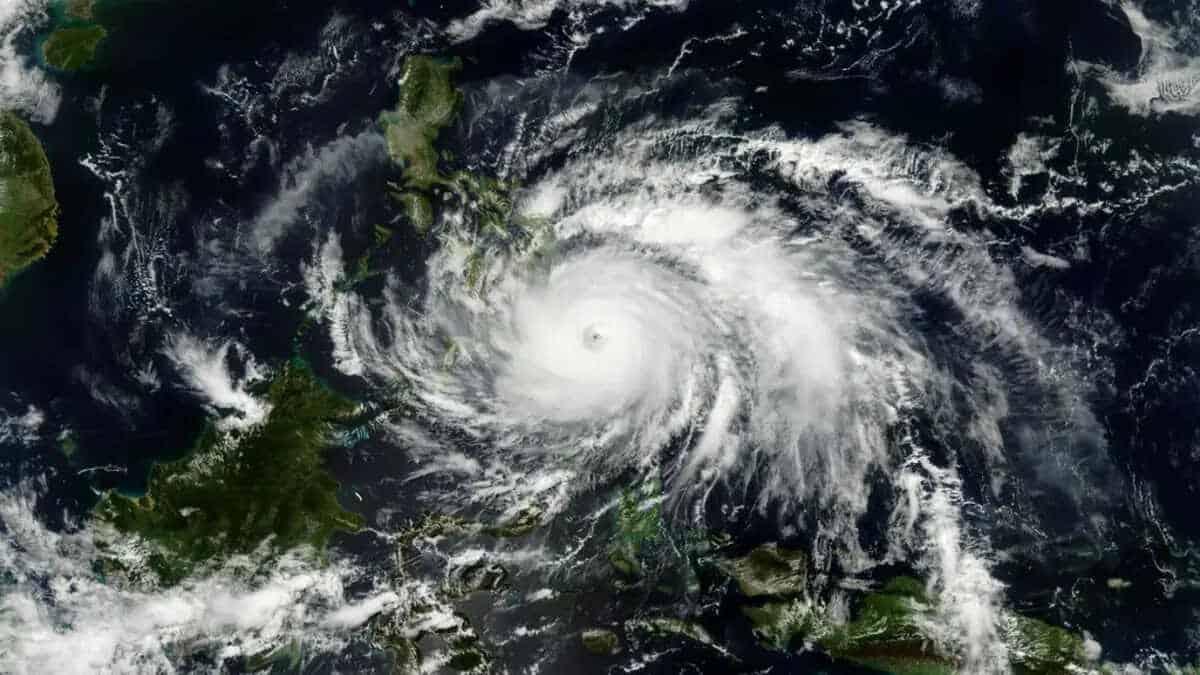
China Firmly Stands With Macau and More Greater Bay Area destinations as Typhoon Noul strikes Guangdong, forcing mass evacuations, disrupting Hong Kong aviation and raising new concerns over travel safety and tourism resilience. The powerful storm has triggered large-scale emergency preparations across Southern China while testing the strength of regional travel networks connecting Hong Kong, Macau and Guangdong. With hundreds of thousands of people relocated and transport services temporarily affected, the event has highlighted the growing need for stronger climate resilience, safer tourism infrastructure and reliable connectivity across one of Asia’s most important travel corridors. Despite the disruption, coordinated measures have helped protect travellers, maintain tourism confidence and support the long-term growth of Greater Bay Area destinations.
China’s Greater Bay Area tourism network has faced a major weather challenge as Typhoon Noul moved across southern China, affecting travel connections between Guangdong, Hong Kong and Macau. The powerful tropical storm forced emergency measures, disrupted transport services and temporarily affected one of Asia’s most important tourism corridors.
Advertisement
Advertisement
Typhoon Noul reached the coast of Guangdong province on Saturday, bringing strong winds and heavy rainfall to the region. The storm was closely monitored because of its potential impact on densely populated coastal areas and major travel destinations. Hong Kong responded by raising its No. 8 storm signal, leading to widespread transport restrictions, while Macau remained on the western edge of the storm’s path and experienced less severe disruption.
The event highlighted the growing importance of weather resilience for tourism destinations that depend heavily on air, sea and land connectivity. The Greater Bay Area, which links Hong Kong, Macau and Guangdong, is one of Asia’s busiest travel regions, with millions of visitors moving between cities every year.
Advertisement
Advertisement
Hong Kong Travel Network Faces Temporary Shutdown As Typhoon Noul Approaches
Hong Kong experienced significant travel disruption as Typhoon Noul moved closer to the city. The Hong Kong Observatory issued a No. 8 storm signal on Saturday evening, activating emergency measures across the city.
Under a No. 8 storm signal, many public services are suspended to protect residents and travellers. Ferry services were stopped, bus operations were reduced or suspended, and outdoor activities were restricted. The Hong Kong-Zhuhai-Macau Bridge, a key transport connection linking Hong Kong with Macau and mainland China, was also temporarily closed.
Advertisement
Advertisement
The storm passed within approximately 80 kilometres of Hong Kong before moving towards Huizhou city in Guangdong province, where it made landfall. As weather conditions changed, Hong Kong briefly upgraded the warning level to No. 9 before lowering it back to No. 8 and eventually reducing it to No. 3 after conditions improved.
For travellers, the disruption affected weekend movement across one of Asia’s most connected urban regions. Flights, ferry services and cross-border transport links were closely monitored as authorities worked to restore normal operations safely.
Macau Experiences Limited Impact But Tourism Connectivity Remains Vulnerable
Macau avoided the worst effects of Typhoon Noul because the city remained on the western side of the storm’s route. Only a No. 3 storm signal was issued, resulting in fewer disruptions compared with neighbouring Hong Kong.
However, Macau’s tourism sector remained closely connected to the storm’s impact because a large share of visitors arrive through nearby markets. Hong Kong represents Macau’s second-largest visitor source market after mainland China, making any disruption to Hong Kong travel services important for Macau’s tourism performance.
Many visitors travelling between Hong Kong and Macau rely on high-frequency transport links, including ferries, bridge connections and regional aviation routes. When severe weather affects these services, short-term visitor movement can quickly decline.
Macau’s tourism recovery has increasingly depended on strong regional connectivity, particularly from nearby mainland Chinese provinces. The impact of Typhoon Noul demonstrated how weather events can temporarily influence visitor flows even when direct damage to tourism infrastructure is limited.
Advertisement
Advertisement
Guangdong Visitor Growth Highlights Importance Of Regional Tourism Links
The relationship between Macau and Guangdong has become increasingly important for tourism growth. Government tourism data showed that visitor arrivals from neighbouring Guangdong recorded stronger growth compared with other mainland Chinese regions.
During the first half of the year, visitors from Guangdong increased by 17 percent year-on-year. This growth significantly exceeded the 2.5 percent increase recorded from the rest of mainland China.
The figures underline the importance of short-distance travel within the Greater Bay Area. Guangdong, Hong Kong and Macau have developed strong tourism connections supported by convenient transport networks, business links and leisure travel demand.
Hotels, restaurants, attractions and entertainment businesses across Macau benefit from this regional visitor movement. Any disruption affecting transport between these destinations can therefore have a wider impact on tourism activity.
Typhoon Noul temporarily challenged this connectivity, but the quick response from authorities helped reduce the long-term impact on tourism operations.
More Than 700,000 People Relocated In Guangdong As Authorities Strengthen Safety Measures
Guangdong province carried out large-scale emergency preparations as Typhoon Noul approached. More than 700,000 people were relocated as a precautionary measure to reduce risks from flooding, strong winds and possible storm-related hazards.
Advertisement
Advertisement
The evacuation reflected the seriousness of the weather system as it moved towards one of China’s most populated coastal regions. Guangdong is home to major economic and tourism centres, including cities with extensive transport networks and international connections.
Emergency teams were placed on alert, while authorities monitored rainfall levels, coastal conditions and potential flooding risks. The precautionary actions were aimed at protecting communities while allowing essential services to continue wherever possible.
The storm also highlighted the importance of disaster preparation for tourism destinations. Coastal cities across Asia are increasingly strengthening emergency response systems as extreme weather events become a growing challenge for travel and hospitality industries.
Aviation And Cross-Border Travel Face Pressure During Severe Weather Event
Although the direct impact varied across locations, Typhoon Noul created uncertainty for travellers using regional aviation and transport networks. Airlines and transport operators were required to adjust operations according to safety conditions.
Hong Kong International Airport, one of Asia’s busiest aviation hubs, closely monitored the storm situation. Travellers were advised to check flight updates before arriving at the airport, as weather conditions can affect schedules, aircraft movements and airport services.
The storm also affected travel planning for visitors moving between Hong Kong, Macau and Guangdong. Temporary closures of transport links created delays for passengers relying on ferries, bridges and regional connections.
Advertisement
Advertisement
For international travellers, the incident demonstrated the importance of flexible travel arrangements during the typhoon season. Southern China, Hong Kong and Macau remain highly popular destinations, but weather disruptions can create temporary challenges during peak travel periods.
Typhoon Noul Highlights Need For Stronger Climate Resilience In Asia Tourism
Typhoon Noul’s impact across Guangdong, Hong Kong and Macau has highlighted the vulnerability of highly connected tourism regions to extreme weather events.
The Greater Bay Area has become a major international travel zone, combining Hong Kong’s global aviation network, Macau’s leisure tourism industry and Guangdong’s large domestic visitor market. The strength of these connections supports tourism growth but also means that disruptions in one location can affect the wider region.
As climate-related challenges increase, tourism destinations are placing greater focus on emergency planning, infrastructure protection and traveller communication. Efficient warning systems and coordinated responses are becoming essential for maintaining visitor confidence.
Despite the temporary disruption caused by Typhoon Noul, tourism operations across the region are expected to recover as weather conditions improve. The event has reinforced the importance of resilience strategies for one of Asia’s most dynamic travel corridors.
Greater Bay Area Tourism Remains Strong Despite Temporary Typhoon Challenges
Typhoon Noul caused significant short-term disruption, but the long-term outlook for tourism in Hong Kong, Macau and Guangdong remains strong. Regional travel demand continues to be supported by improving connectivity, growing visitor numbers and strong economic links.
Advertisement
Advertisement
Macau’s continued dependence on nearby markets such as Hong Kong and Guangdong shows the importance of regional tourism cooperation. Meanwhile, Hong Kong’s role as an international gateway remains critical for attracting global visitors.
The response to Typhoon Noul demonstrated the ability of authorities and transport operators to manage severe weather challenges while protecting travellers and communities.
China Firmly Stands With Macau and More Greater Bay Area destinations as Typhoon Noul hits Guangdong, forcing mass evacuations and disrupting Hong Kong travel links, as stronger safety measures are activated to protect tourism connectivity and regional resilience.
As Southern China continues to expand its tourism potential, stronger climate resilience and emergency preparedness will remain key factors in ensuring safe, reliable and sustainable travel experiences across the Greater Bay Area.
Advertisement
