
CityJet is Helping Unlock Great Leisure and Business Trips With SAS Regional Travel to See More of Denmark and Sweden

Published
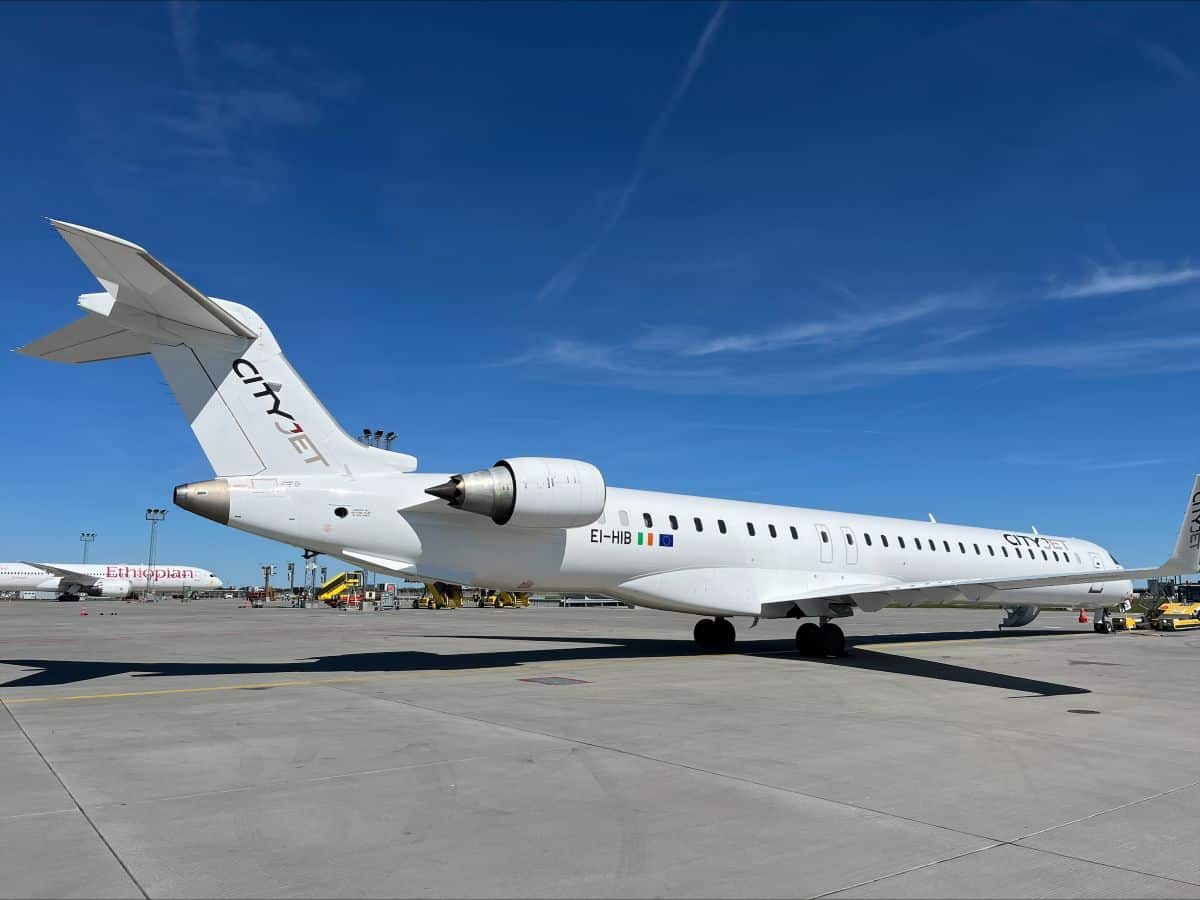
An Irish regional airline supports Regional Travel through contracted flights centred on Copenhagen and Stockholm. Information checked on 15 October 2026 confirms an established arrangement, rather than a newly announced route. Passengers book with the customer airline while a separate provider supplies aircraft and crews. For Leisure and Business Trips, the immediate issue is knowing where to check in, confirm baggage allowances and request disruption assistance. The operating model explains how these responsibilities are divided. It does not announce changes to border rules, guarantee cheaper fares or establish an increase in tourist arrivals.
What the Regional Travel Evidence Establishes
The story principally concerns airline operations and passenger responsibility. Its tourism connection is indirect, because the aircraft support an existing network. The percentages below are an editorial assessment of the story’s emphasis, not official statistics. They total 100% and reflect the relative importance of the verified information. The allocation gives priority to operational facts that affect passengers with existing flight reservations.
| News Component | Share of Story | Officially Verified Finding | Relevance to Travellers | Official Source |
|---|---|---|---|---|
| Airline operations | 45% | Contracted services centre on Copenhagen and Stockholm. | Explains how booked flights are delivered. | Published operating profile |
| Passenger responsibility | 30% | The customer airline handles booking, baggage and disruption enquiries. | Identifies the correct support channel. | Passenger contact guidance and EU rights guidance |
| Corporate history | 15% | Own-brand scheduled services ended in October 2018. | Separates earlier services from current operations. | Published corporate history |
| Tourism context | 10% | EU residents made 1.20 billion trips in 2025; 92% remained within the EU. | Establishes market scale, not an operator-specific tourism impact. | Official EU tourism statistics |
The evidence establishes a continuing transport arrangement and a clear passenger contact route. It does not establish additional visitor spending, improved hotel occupancy or newly opened destinations. The reviewed pages also announce no visa or passport changes. Travellers should therefore understand this as an explanation of existing services, rather than a reason to alter their plans. The distinction matters to holidaymakers and corporate travel managers because booking responsibility follows the commercial arrangement. For accommodation businesses, the relevance is connectivity; the evidence does not establish a measurable change in room sales.
How the Operating Model Reached Its Current Form
The operation began in 1993, followed by Dublin–London City services in January 1994. A partnership started in 1996, with entry into a larger airline group in 2000. Expansion included a Belgian airline acquisition. Ownership changed in 2014 and 2015. A Finnish carrier was acquired in 2015. Scandinavian contract flying began in 2016, followed by a Danish carrier acquisition in 2017. Own-brand scheduled services ended in October 2018, completing the move towards flying for other airlines.
Advertisement
Advertisement
A European merger decision dated 1 March 2023 cleared a proposed regional airline joint venture. Published corporate history separately records alliance membership during 2023 and new ownership from 31 October 2025. The later ownership date remains company-reported. Current information identifies one Scandinavian airline customer and aircraft with 88 or 90 seats. Operations centre on Copenhagen and Stockholm, with administration in Dublin and crew planning in Luton. For Leisure and Business Trips, these locations explain the operating structure, not a new route map.
Understanding the Context Behind the Development
No new event triggered the operating arrangement described in the reviewed pages. The documented change was the transition to dedicated contracted flying in October 2018. The model uses ACMI, meaning aircraft, crew, maintenance and insurance. The provider supplies these elements, while the customer airline sets schedules, sells tickets and manages the passenger product. This division explains how Regional Travel can involve different businesses behind a single booking. It does not establish that demand or fares changed. The customer airline also covers operating costs such as fuel and airport charges. Published descriptions present this structure as a way to respond flexibly to changing market demand.
Advertisement
Advertisement
The current profile records 320 employees in Copenhagen and a maintenance centre at the airport. Ireland’s aviation regulator also lists the provider among certified operators. However, the historical figures of 30 aircraft, more than 1,250 employees and approximately 100,000 weekly passengers refer to 2019. They cannot describe today’s scale. The reviewed pages do not publish a current fleet total. Former sports-charter activity is also historical: current contact guidance states that charter flights are not offered. The strongest verified explanation is operational specialisation, with its wider economic effects unmeasured.
Official Figures Put Regional Travel in Perspective
Official EU data published on 1 September 2026 recorded 1.321 billion accommodation nights during January–June 2026. That was 1.7% above January–June 2025. Ireland’s total rose 14.6%, while non-residents accounted for 48.9% of nights across the EU. International guest nights increased by 2.5%, against 0.9% for domestic guests. Using these rounded figures, the international growth rate was approximately 2.8 times the domestic rate. This compares growth rates, not visitor totals. The geographical coverage is the EU accommodation sector, including domestic and international guests. It is not a passenger count for any particular airline, airport or route.
Advertisement
Advertisement
The 9 October 2026 release also recorded €379.4 billion spent on foreign trips by EU residents during 2025. Transport represented 32%, or roughly one-third. These figures provide background for Leisure and Business Trips, but cover multiple transport modes. Accommodation nights, journeys and unique visitors are different measures. One traveller can make several journeys and stay several nights. Neither release isolates this operator’s contribution, so national tourism growth cannot be attributed to its Scandinavian contracts.
Regional Travel Actions for Passengers
Passengers using these contracted services should follow the customer airline’s booking instructions. Published guidance directs check-in, baggage, fare and disruption enquiries to that airline. EU guidance likewise assigns responsibility under wet leasing to the airline hiring the aircraft and crew. These arrangements do not require passengers to cancel their journeys. The practical need is to use the correct support channel and check the conditions attached to the purchased fare.
- Confirm departure airports, dates and times on the current itinerary.
- Check baggage allowances and charges against the booked fare.
- Contact the ticketed airline about disruption, changes and claims.
- Notify assistance needs at least 48 hours before departure.
- Check government entry and transit requirements for your nationality.
EU accessibility guidance requires reasonable efforts to assist passengers even without advance notice. Travellers should still communicate their needs early. Passport and visa requirements remain separate from the commercial arrangement and depend on nationality, destination and transit circumstances. An ownership change cannot grant entry permission. With no new travel restrictions announced in the reviewed pages, passengers should follow existing booking instructions and monitor relevant official updates.
Regional Travel Outlook and Final Assessment
The current profile describes a long-term operating agreement, but the reviewed pages provide no dated new route launch or expansion timetable. There is no confirmed implementation deadline requiring passenger action. Future reporting should rely on specific announcements identifying routes, schedules or service changes. Corporate ownership history alone does not establish what will happen next.
The direction of Regional Travel in this case remains centred on contracted flying through Copenhagen and Stockholm. The verified position combines an Irish operating base, Scandinavian services and a clear division of passenger responsibilities. For Leisure and Business Trips, that means checking the airline managing the reservation and following its current instructions. Official statistics demonstrate a substantial European tourism market, but they do not quantify this operation’s contribution. Future reporting should distinguish confirmed operational changes from general travel growth. The immediate value for passengers lies in understanding the arrangement, recognising historical figures and knowing where to obtain reliable journey assistance.
Advertisement
