
Cruise Fuel Surcharge Impact Grows as Cruise Holiday Costs Face Pressure From Unstable Global Energy Markets

Published
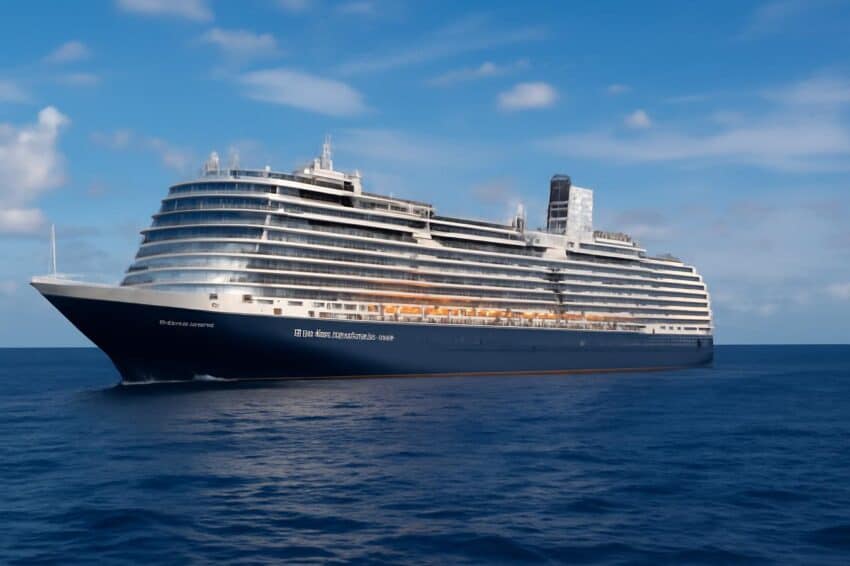
The topic of Cruise Fuel Surcharge is gaining attention among international travelers as energy prices continue to fluctuate globally. Cruise holidays remain one of the most popular vacation choices, but changing fuel costs may influence how much passengers ultimately pay.
Cruise companies operate large ships that require significant fuel to sail across oceans. When global fuel prices rise, operational costs increase for shipping and cruise operators. In some cases, this leads to the possibility of additional charges being applied to passenger bookings.
Advertisement
Advertisement
Travel experts are now advising holidaymakers to better understand how these costs work before confirming reservations.
Why Cruise Fuel Surcharge Matters for Travelers
A Cruise Fuel Surcharge is an extra fee that some cruise operators may apply when fuel prices reach certain levels. This surcharge is not always active, but many cruise contracts include clauses that allow it under specific conditions.
Advertisement
Advertisement
For travelers, this means the final price of a cruise may not always remain fixed if energy markets shift significantly. While many passengers assume cruise fares are all-inclusive, some additional charges can be triggered by external economic factors.
Industry specialists emphasize that this is not a new concept. Fuel-related adjustments have been part of travel contracts for years, but rising global awareness is making it more relevant again.
Advertisement
Advertisement
How Fuel Prices Impact Cruise Operations
Cruise ships are among the most fuel-intensive modes of travel in the tourism sector. A single large cruise ship can carry thousands of passengers and crew members while traveling thousands of nautical miles.
Because of this scale, fuel becomes one of the highest operational expenses for cruise lines.
When global oil prices increase, cruise companies face pressure on profit margins. To manage this, they may:
- Absorb part of the cost internally
- Use fuel-efficient routes
- Apply hedging strategies
- Or introduce a Cruise Fuel Surcharge if permitted by contract
These decisions vary between cruise operators, meaning passengers may experience different pricing policies depending on the company they choose.
What Travelers Should Look for in Booking Terms
Experts recommend that travelers carefully review booking conditions before confirming their cruise.
Many passengers overlook the fine print, but this is where fuel-related clauses are usually mentioned. A Cruise Fuel Surcharge policy typically outlines:
Advertisement
Advertisement
- Conditions under which extra fees may apply
- Maximum limits of surcharge per passenger
- Whether charges can be added after booking confirmation
- Whether the surcharge is temporary or seasonal
Understanding these details helps travelers avoid unexpected costs later in their journey.
Travel advisors suggest asking cruise agents direct questions about whether fuel adjustments could affect the final price.
The Global Energy Market Connection
Cruise pricing is closely tied to international energy markets. When fuel prices rise due to geopolitical tensions, supply chain issues, or production changes, transportation industries feel the impact.
This includes airlines, freight companies, and cruise operators.
Government energy monitoring agencies across different countries regularly track oil price trends because they influence travel costs, inflation, and tourism demand. For travelers, this means cruise fares can indirectly shift based on global economic conditions.
Although passengers may not see daily changes, longer-term fuel trends can affect future pricing structures.
Advertisement
Advertisement
Not All Cruise Lines Handle It the Same Way
Different cruise companies respond to fuel cost changes in different ways. Some use long-term fuel purchasing agreements to stabilize costs, while others invest in newer ships designed to consume less fuel.
Modern cruise ships often include improved engines and energy-efficient systems that help reduce consumption.
Because of these differences, the Cruise Fuel Surcharge may not apply uniformly across all cruise lines. Some companies may choose to avoid passing additional costs directly to passengers, while others may activate surcharge clauses during extended periods of high fuel prices.
This makes comparison between cruise brands an important step for travelers.
Should Travelers Be Worried?
Even though the idea of extra charges may sound concerning, Cruise Fuel Surcharge fees are not automatically applied. In many cases, they only appear under specific market conditions.
Historically, cruise operators have often tried to avoid passing these costs to passengers to remain competitive in the tourism industry.
Advertisement
Advertisement
However, travelers are still encouraged to stay informed. Understanding possible additional charges helps in creating a more realistic travel budget.
Experts recommend treating such surcharges as a potential scenario rather than a guaranteed expense.
Smart Travel Tips for Cruise Bookings
To manage uncertainty around Cruise Fuel Surcharge risks, travel professionals suggest a few simple strategies:
1. Read all booking documents carefully
Important cost-related details are usually mentioned in the terms and conditions.
2. Compare multiple cruise lines
Policies vary widely between operators.
3. Ask about price protection policies
Some cruise companies offer guarantees against fuel-related increases.
Advertisement
Advertisement
4. Plan a flexible budget
Including a small buffer can help manage unexpected changes.
5. Stay updated before departure
Fuel-related announcements may be issued even after booking.
These steps can help travelers enjoy smoother and more predictable vacation planning.
Cruise Travel Still Offers Strong Value
Despite concerns about Cruise Fuel Surcharge possibilities, cruise vacations continue to be one of the most attractive travel experiences worldwide.
Passengers enjoy bundled services including accommodation, dining, entertainment, and transportation in a single package. This makes cruises especially appealing for families and long-distance travelers.
Popular cruise destinations such as the Caribbean, Mediterranean, Alaska, and Northern Europe remain in high demand.
Advertisement
Advertisement
Travel experts believe that while pricing structures may evolve, cruise tourism will continue to grow as a major global travel segment.
Final Thoughts for Global Travelers
The conversation around Cruise Fuel Surcharge highlights an important reality of modern travel: prices can be influenced by global economic conditions beyond travelers’ control.
However, informed planning can reduce uncertainty. By understanding booking terms, monitoring energy trends, and choosing cruise operators carefully, travelers can better manage their vacation expenses.
Cruise holidays remain a memorable way to explore the world’s oceans. With proper awareness, travelers can continue to enjoy these journeys while staying prepared for possible changes in travel costs.
Advertisement
