
Sustainable High-Speed Rail Corridors Transform Modern Cross-Border Journeys Across European Destinations

Updated
Published
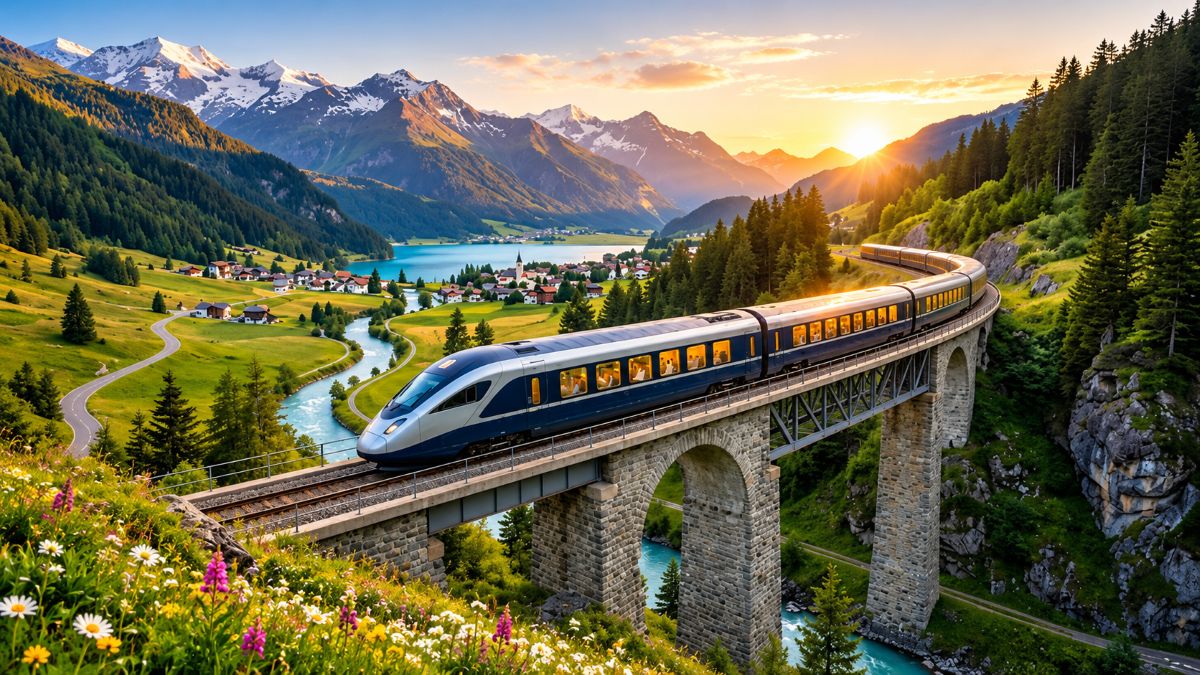
International travellers traversing Western and Central Europe are encountering a significant evolution in cross-border rail logistics this season. Network operators and municipal transport authorities have finalised integrated scheduling alignments, allowing passengers to move between prominent cultural hubs with reduced transit intervals and fewer administrative obstacles. The overhaul prioritises low-emission electric mobility, connecting regional heritage towns with central metropolitan interchanges through reliable, coordinated day and sleeper departures.
For decades, navigating distinct national booking protocols created barriers for overseas visitors seeking seamless journeys between neighboring nations. Transport ministries have responded by consolidating real-time passenger information systems and expanding modern high-speed rolling stock to replace short-haul regional flights. This strategic infrastructure renewal ensures that contemporary rail journeys deliver dependable, picturesque alternatives tailored directly for independent explorers, families, and long-stay holidaymakers touring the continent.
Advertisement
Advertisement
Infrastructure Upgrades Reshaping Passenger Connectivity
Recent capital improvements across European track networks now link high-capacity trunk lines directly into major airport stations and peripheral regional hubs. Civil engineers and railway planners focused extensively on reducing bottlenecks along major river valleys and alpine passes, cutting cumulative journey times between major capitals. Modern train carriages feature enhanced vibration dampening, larger panoramic windows, dedicated luggage storage, and modern climate control units designed to handle variable seasonal temperatures without sacrificing energy efficiency.
On-board service standards have simultaneously shifted to match changing passenger preferences for working and dining during long journeys. Dedicated quiet carriages, consistent digital power outlets, and updated dining cars serving regional produce sourced along the transit corridor have replaced standard snack carts. Travellers experience a grounded, tactile connection to the landscapes they traverse, witnessing the gradual transition from northern lowland plains to southern mountainous terrain.
Advertisement
Advertisement
Coordinated Schedules and Modern Fleet Allocations
| Route Corridor | Typical Duration | Service Type | Operational Highlights |
|---|---|---|---|
| London to Amsterdam | 4 Hours 10 Minutes | High-Speed Eurostar | Direct border clearance, electric traction throughout |
| Paris to Milan | 6 Hours 45 Minutes | High-Speed TGV / Frecciarossa | Scenic alpine pass, business and standard quiet carriages |
| Berlin to Vienna | 7 Hours 40 Minutes | ICE / Railjet Direct | Punctual hourly intervals, panoramic bistro coach |
| Zurich to Venice | 6 Hours 15 Minutes | Eurocity Direct | Spectacular lakeside vistas, multi-lingual train crew |
| Brussels to Munich | 6 Hours 50 Minutes | ICE High-Speed | Convenient cross-platform transfers, low carbon footprint |
Practical Route Management for Continental Itineraries
Securing reserved seating on flagship express services requires strategic forward planning, particularly during peak summer months and mid-winter holiday breaks. Many premier routes open reservation windows ninety to one hundred and twenty days ahead of departure, with initial seat allocations priced substantially lower than walk-up station tariffs. International visitors using regional transit passes should note that several high-speed services mandate individual seat reservations in addition to basic passage validation, especially across international frontiers.
Luggage logistics on contemporary long-distance trains remain straightforward yet demand personal awareness at crowded transit platforms. Stations across major hubs now feature level boarding ramps and step-free access, easing transfers for travellers with heavy wheeled cases or sports equipment. Allowing at least twenty minutes between connecting services guarantees sufficient time to navigate central concourses, review track assignments, and board calmly before departure whistles blow.
Advertisement
Advertisement
Overnight Sleeper Services Offer Smart Logistics
The resurgence of overnight sleeper trains provides an efficient answer to escalating hotel expenses in primary European cities. Modern night services combine transportation and lodging into a single overnight journey, delivering passengers into city centres early in the morning refreshed and ready to explore. Modern couchette compartments offer secure lockable doors, individual charging ports, and breakfast boxes, while private deluxe sleeper cabins feature en-suite shower cubicles and tailored hospitality services.
Choosing night trains also maximises active holiday hours by converting idle travel periods into restful sleep. Long-haul sleeper corridors now connect central rail capitals with Mediterranean ports and eastern river valleys, reviving routes that lay neglected for decades. Environmental analysts consistently highlight that taking an overnight train produces up to eighty per cent fewer greenhouse gas emissions compared to equivalent commercial aviation sectors over identical distances.
Navigating Station Customs and Station Wayfinding
Modern major railway terminals have evolved into multi-purpose transport complexes housing fresh food markets, automated luggage lockers, and multilingual assistance points. Visitors arriving from non-Schengen zones must account for border controls at designated gateway stations before boarding cross-channel or non-EU services. Clear bilingual signage, colour-coded transfer paths, and platform-level digital departure screens simplify transit navigation even for first-time visitors unfamiliar with local transit layouts.
Personal safety across central platforms remains high due to active transit staff, visible police patrols, and integrated surveillance systems throughout terminal concourses. Travellers are advised to keep personal documentation, portable electronics, and payment cards secured in personal daypacks rather than stored unattended in shared overhead storage racks. Taking these routine precautions ensures an uncomplicated journey, leaving passengers free to appreciate the scenic landscapes passing beyond the carriage window.
Frequently Asked Questions
How far in advance should international rail tickets be purchased? Most operators release advance tickets between ninety and one hundred and eighty days prior to departure, offering the best rates and seat availability.
Are seat reservations mandatory on all European train routes? High-speed cross-border expresses and overnight sleeper trains generally require mandatory reservations, whereas local and regional services operate on open seating.
Advertisement
Advertisement
What luggage allowances apply to standard European passenger trains? Passengers can typically bring two large suitcases plus one small personal carry-on bag at no extra charge, provided items fit safely in luggage racks.
Do modern European passenger trains provide accessible boarding facilities? Major stations and modern rolling stock feature level-boarding doors, dedicated wheelchair bays, step-free access lifts, and pre-booked boarding assistance services.
Can passengers purchase hot meals and drinks on board? Long-distance trains feature buffet bars or seated dining carriages offering hot meals, snacks, and hot or cold beverages throughout the scheduled journey.
How do cross-border customs checks operate on international trains? Within the Schengen Area, identity checks are typically conducted randomly on board, while routes departing or entering non-Schengen nations require station-based passport control prior to boarding.
Are electrical charging sockets available at standard passenger seats? Modern high-speed carriages and updated regional fleets provide standard European two-pin plug sockets or USB power outlets at virtually every passenger seat.
Is travel insurance advisable for multi-country rail journeys? Comprehensive travel insurance covers unforeseen trip cancellations, severe weather disruptions, missed cross-border connections, and emergency medical incidents abroad.
Advertisement
Advertisement
Do overnight sleeper services include private bathroom facilities? Premium private sleeper cabins often feature self-contained en-suite showers and washbasins, whereas standard multi-berth couchette coaches provide shared washrooms at carriage ends.
Can bicycles and oversized sports gear be taken on trains? Many regional and long-distance trains accommodate standard bicycles within designated storage vans, though advance reservation and a modest surcharge are frequently required.
Advertisement
