
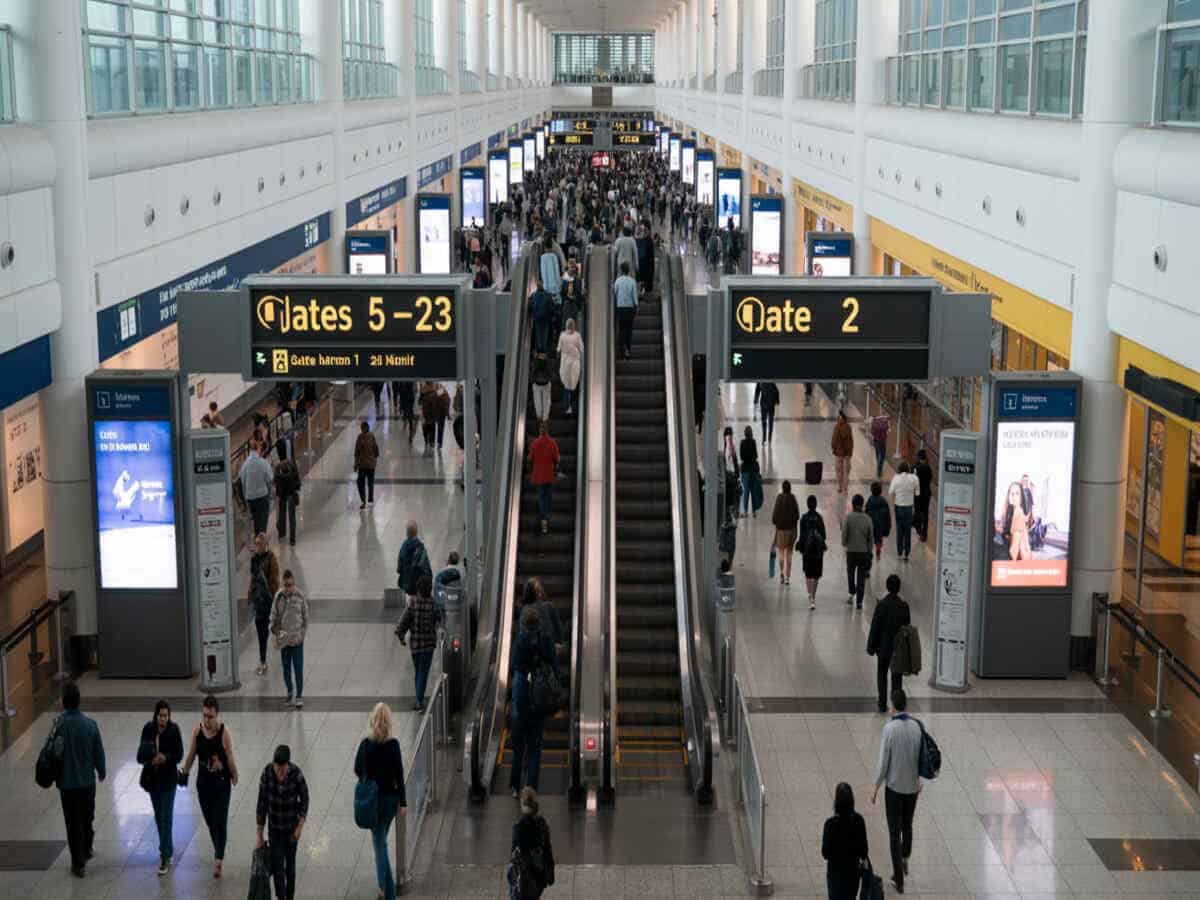
Image generated with Ai
United Arab Emirates is joining forces with Egypt, Saudi Arabia and more Middle East and Africa countries to accelerate a historic travel economy boom as the region targets US$50 billion in additional tourism value by 2030 through 47.7% growth, stronger aviation connectivity, AI-powered innovation, mega tourism investments and experience-led journeys. The Middle East and Africa (MEA) travel sector is entering a powerful new era as travellers continue prioritising regional escapes, flexible bookings and meaningful experiences despite global uncertainties. Driven by ambitious tourism strategies, luxury hospitality expansion, digital transformation and world-class infrastructure projects, countries including the UAE, Saudi Arabia, Egypt, Morocco, Qatar, Oman, South Africa, Kenya and Tanzania are reshaping the region into one of the world’s fastest-growing tourism powerhouses. With technology becoming a key competitive advantage and consumer confidence gradually strengthening, MEA destinations are preparing for a major tourism transformation that will redefine global travel patterns through 2030.
The United Arab Emirates, Egypt, Saudi Arabia and more Middle East and Africa (MEA) countries are accelerating a massive tourism transformation as the region’s travel economy is forecast to grow by 47.7% between 2025 and 2030, adding more than US$50 billion in new value to the sector. The growth is being powered by rising traveller demand, stronger aviation connectivity, mega tourism investments, digital innovation, luxury hospitality expansion and a major shift towards experience-led travel.
According to the Euromonitor International Travel in an Age of Poly-Crisis report, travellers are not abandoning journeys despite geopolitical challenges, inflation and global uncertainty. Instead, visitors are adapting by choosing closer regional destinations, flexible booking options and personalised experiences.
The research highlights that the Middle East and Africa are entering a new tourism chapter where technology, infrastructure and consumer confidence will determine the future winners.
Advertisement
Advertisement
The findings will be presented at the Arabian Travel Market (ATM) 2026, taking place at Dubai World Trade Centre from 14 to 17 September 2026, under the theme “Travel 2040: Driving New Frontiers Through Innovation and Technology.”
The United Arab Emirates continues to stand at the centre of the MEA tourism expansion story by combining world-class airports, global airline networks, luxury hotels and diverse visitor experiences.
Dubai and Abu Dhabi are becoming powerful tourism engines by attracting millions of international visitors through:
The UAE’s tourism strategy focuses on increasing international visitor numbers, expanding hotel capacity and strengthening its position as a global travel hub.
Advertisement
Advertisement
Dubai remains one of the world’s most connected cities, supported by major aviation infrastructure and international airline networks. The city continues attracting travellers through iconic attractions, luxury resorts, shopping festivals and entertainment destinations.
Abu Dhabi is also expanding its tourism appeal through cultural attractions, island resorts, museums, sports events and premium hospitality developments.
The country’s strong connectivity between Asia, Europe and Africa gives the UAE a strategic advantage in the growing MEA travel economy.
Saudi Arabia has become one of the biggest tourism growth forces in the Middle East through its ambitious Vision 2030 strategy.
The Kingdom is rapidly transforming from a destination mainly known for religious travel into a global tourism market offering:
Saudi Arabia is investing billions into tourism infrastructure to attract international visitors and create new destinations.
Major projects driving growth include:
AlUla is emerging as a global cultural tourism destination with ancient heritage sites, luxury accommodation and unique desert experiences.
The destination is attracting travellers seeking authentic cultural journeys and premium experiences.
The Red Sea region is positioning Saudi Arabia as a luxury coastal destination through sustainable resorts, marine experiences and exclusive tourism offerings.
NEOM represents Saudi Arabia’s futuristic tourism vision, combining technology, nature and luxury experiences.
The Kingdom is also expanding international hotel brands, improving airports and strengthening connectivity to attract visitors from global markets.
Egypt remains one of the strongest tourism markets connecting the Middle East and Africa through its unmatched cultural heritage and diverse attractions.
The country continues attracting travellers through:
Egypt’s tourism strength comes from combining thousands of years of history with modern hospitality development.
Major tourism growth areas include:
Cairo continues benefiting from global interest in Egyptian civilisation, museums and historic attractions.
The development of major cultural projects is expected to increase visitor spending and encourage longer stays.
Destinations including Hurghada, Sharm El Sheikh and Marsa Alam continue attracting European, Gulf and international travellers.
Egypt is also improving visa systems, expanding air connectivity and increasing tourism investments to compete in the global travel market.
Morocco is becoming one of Africa’s fastest-growing tourism destinations by combining heritage, adventure and modern infrastructure.
The country is strengthening tourism through:
Cities such as Marrakech, Casablanca, Rabat and Fez continue attracting visitors looking for authentic North African experiences.
Morocco is also preparing for major international attention linked to the 2030 FIFA World Cup, which is accelerating investments in:
The country is increasing accommodation capacity and expanding international connectivity to welcome more global visitors.
Qatar is becoming a major tourism connector between continents through its aviation network, luxury hospitality and international events.
The country’s tourism growth is supported by:
The FIFA World Cup 2022 created a major tourism infrastructure legacy, including modern transport systems, hotels and visitor facilities.
Doha is positioning itself as a premium stopover destination for travellers connecting between Asia, Europe and Africa.
Oman is gaining popularity among travellers searching for authentic and nature-based experiences.
Unlike traditional city tourism, Oman focuses on:
Key destinations include:
The country is benefiting from the global shift towards meaningful travel where visitors seek unique landscapes, local culture and memorable experiences.
South Africa remains one of Africa’s most recognised tourism destinations and continues supporting MEA growth.
The country attracts visitors through:
Popular destinations include:
South Africa’s established tourism infrastructure allows it to benefit from increasing demand for experience-based travel.
Kenya is strengthening its role as a leading African tourism destination through wildlife and conservation tourism.
The country attracts visitors with:
The global demand for exclusive nature experiences is creating new opportunities for Kenya’s tourism sector.
Luxury safari products are becoming increasingly popular among international travellers seeking personalised and sustainable journeys.
Tanzania is another major African tourism growth market benefiting from its combination of wildlife, adventure and beach tourism.
The country’s biggest attractions include:
Tanzania is developing premium tourism experiences through luxury lodges, sustainable travel models and cultural tourism.
The country is attracting travellers who want meaningful adventures connected with nature and local communities.
Technology is expected to play a critical role in the next phase of MEA tourism growth.
Euromonitor highlights that artificial intelligence is moving from a premium service into a basic requirement for tourism businesses.
Key innovations include:
Travel companies are using artificial intelligence to provide:
AI tools are improving traveller services through:
Hotels and airlines are increasingly creating personalised journeys based on traveller preferences.
This includes customised offers, activity suggestions and tailored experiences.
One of the biggest changes shaping tourism in 2026 is the movement away from traditional holidays towards experience-focused travel.
Visitors increasingly want:
This trend is encouraging hotels, airlines and destinations to redesign their products around complete travel experiences rather than simple accommodation.
The Middle East and Africa tourism sector is entering one of its most important growth periods.
The UAE, Saudi Arabia, Egypt, Morocco, Qatar, Oman, South Africa, Kenya and Tanzania are leading a regional transformation powered by investment, innovation and changing traveller behaviour.
Despite global challenges, tourism demand remains strong because travellers continue prioritising experiences, exploration and personal connections.
With a projected 47.7% travel economy expansion and more than US$50 billion in additional value by 2030, the MEA region is positioning itself as one of the most powerful tourism growth centres in the world.
United Arab Emirates, Egypt, Saudi Arabia and more Middle East and Africa countries are accelerating a massive travel economy boom as the region targets US$50 billion in tourism growth by 2030, driven by record investments, stronger aviation networks, AI-powered innovation, luxury experiences and rising global traveller demand. The MEA tourism sector is rapidly transforming into a global powerhouse as countries expand infrastructure, launch mega projects and adapt to a new era of experience-led travel despite geopolitical and economic challenges.
The future of travel is being built through stronger connectivity, smarter technology, unforgettable experiences and ambitious tourism visions across the Middle East and Africa.
Advertisement
Tags: AI Powered Travel Innovation, Middle East and Africa Tourism Growth, Saudi Arabia Vision 2030, Travel News, UAE Tourism Strategy
Advertisement
Advertisement













Saturday, September 5, 2026

Friday, September 4, 2026
Saturday, September 5, 2026

Saturday, September 5, 2026

Thursday, September 3, 2026

Wednesday, September 2, 2026

Saturday, September 5, 2026

Saturday, September 5, 2026


