





































New York City West Nile Virus Cases Climb Sharply as Record Mosquito Activity Shadows Autumn Tourism

Published
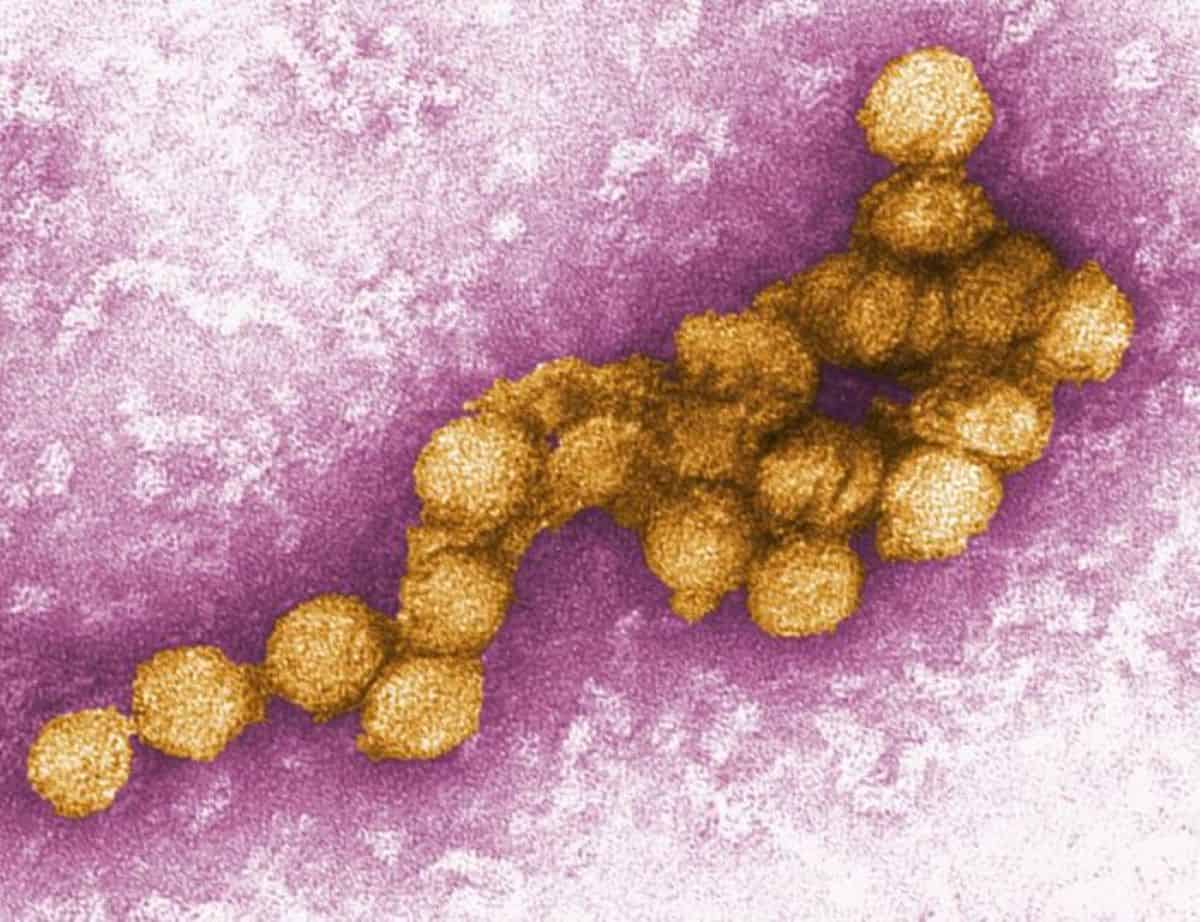
New York City has recorded at least 30 West Nile virus cases in 2026, exceeding the 18 cases reported during all of 2025. The increase comes as the city experiences record West Nile-positive mosquito activity, with more than 1,700 positive mosquito samples reported this year. All five boroughs have recorded human infections, placing mosquito exposure firmly on the travel-health radar as autumn tourism continues. Brooklyn accounts for 11 cases, followed by Queens and Staten Island with seven each. The Bronx has three cases, while Manhattan has two. Of the 30 infections, 24 involve neuroinvasive disease, including encephalitis, meningitis or acute flaccid paralysis.
New York’s Mosquito Season Turns More Serious
The latest figures mark a sharp change from the start of New York City’s 2026 mosquito season. The first human case was announced in August, after West Nile virus had already appeared widely among mosquitoes across the five boroughs.
The city had detected more than 1,000 positive mosquito pools by August 19. Officials had also expanded surveillance and mosquito-control operations as virus activity intensified.
The current rise matters for tourism because New York remains busy through September and October. Visitors continue to spend long periods outdoors, particularly around parks, waterfronts, neighbourhoods and major attractions.
The NYC West Nile virus cases now stand 67% above the full-year 2025 total. That comparison is significant because 2025 ended with 18 reported cases, including 16 neuroinvasive infections and two cases of West Nile fever.
| Indicator | 2025 Full Year | 2026 Reported by Sept. 18 | Change |
|---|---|---|---|
| Human West Nile cases | 18 | 30 | +66.7% |
| Neuroinvasive cases | 16 | 24 | +50% |
| West Nile fever cases | 2 | 6 | +200% |
| Positive mosquito samples | 1,378 | 1,700+ | More than +23% |
| Boroughs reporting human cases | All five | All five | Continued citywide spread |
The figures also reveal an important distinction. Positive mosquito surveillance does not equal human infection, yet it provides an early warning of where transmission conditions exist.
That surveillance has become a central part of New York’s mosquito-control strategy. The city has operated a comprehensive monitoring programme since West Nile virus first appeared locally in 1999.
Brooklyn Leads the Five-Borough Case Count
Brooklyn currently records the largest number of reported infections, with 11 cases. Queens and Staten Island follow with seven cases each, while the Bronx has three and Manhattan has two.
The geographical distribution is important for travellers because it shows that exposure cannot be confined to one tourism district. All five boroughs have reported infections, making general mosquito protection more relevant than avoiding one particular neighbourhood.
| Borough | Reported 2026 Cases | Share of 30 Cases |
|---|---|---|
| Brooklyn | 11 | 36.7% |
| Queens | 7 | 23.3% |
| Staten Island | 7 | 23.3% |
| Bronx | 3 | 10.0% |
| Manhattan | 2 | 6.7% |
| Total | 30 | 100% |
The borough figures should not be interpreted as a measure of where visitors are most likely to become infected. NYC Health notes that the borough assigned to a human case reflects the patient’s residence and may not identify where transmission occurred.
That distinction is especially important for travel reporting. A resident of Brooklyn, for example, could have encountered an infected mosquito elsewhere in the city or outside New York.
Consequently, the figures are best understood as evidence of citywide human disease activity, rather than a neighbourhood-by-neighbourhood travel risk ranking.
Why Autumn Travel Still Needs Attention
New York’s mosquito season does not end with summer. NYC Health says mosquitoes remain active into October, while activity generally peaks during August and September.
That timing creates a particular challenge for autumn travellers. September brings major cultural events, sporting fixtures, business travel and international tourism.
Outdoor dining, evening walks and visits to parks can all increase exposure. The relevant mosquitoes are generally most active around dawn and dusk, making timing an important part of personal protection.
The CDC similarly identifies summer through autumn as the principal West Nile season in the United States. It says reported cases typically peak from late August into early September.
For travellers, this does not mean avoiding New York. Instead, it means treating mosquito protection as part of normal seasonal travel preparation.
| Travel Activity | Potential Exposure Consideration | Sensible Precaution |
|---|---|---|
| Evening walks | Mosquito activity can increase around dusk | Use repellent and cover exposed skin |
| Outdoor dining | Longer outdoor exposure | Choose screened areas where available |
| Parks and waterfronts | Mosquito habitats can occur nearby | Apply repellent before outdoor activity |
| Hotel stays | Open windows can allow mosquitoes indoors | Use intact screens or air conditioning |
| Early-morning sightseeing | Dawn is another active period | Wear appropriate clothing and repellent |
| Longer autumn trips | Exposure accumulates over several days | Maintain precautions throughout the stay |
Severe Cases Make the Numbers More Significant
The most striking feature of the latest figures is not simply the number of infections. It is the reported proportion involving neuroinvasive disease.
Twenty-four of the 30 reported infections are classified as neuroinvasive. That represents 80% of the reported cases in the current tally.
Neuroinvasive West Nile disease can involve encephalitis, meningitis or acute flaccid paralysis. However, the unusually high proportion should not be interpreted as the proportion of all infections that become severe.
Most infections never produce symptoms. The CDC estimates that about 80% of infected people remain asymptomatic, while around 20% develop a mild illness. Fewer than 1% develop severe disease affecting the central nervous system.
This distinction explains why official human case counts can substantially underestimate total infections. People with no symptoms generally do not seek medical attention or testing.
| Infection Outcome | Approximate CDC Pattern |
|---|---|
| No symptoms | About 80% |
| Mild illness | About 20% |
| Severe neuroinvasive disease | Less than 1% |
The high neuroinvasive proportion among diagnosed New Yorkers therefore reflects, in part, how cases come to medical attention. People with serious neurological symptoms are far more likely to be tested and reported.
Warmer Weather Is Adding Pressure
New York officials have linked the stronger mosquito season to environmental conditions that can favour mosquito development and virus transmission.
The city’s vector-borne disease specialists have highlighted warmer temperatures, rainfall and humidity as factors that can support mosquito populations. Warmer conditions can accelerate mosquito development and viral replication within mosquitoes.
The CDC also notes that mosquito season extends through autumn and that West Nile transmission follows seasonal patterns.
For the travel industry, the broader issue is the changing length and intensity of mosquito seasons. Hotels, tour operators and destination marketers increasingly need to treat vector-borne disease information as part of destination preparedness.
This is particularly relevant for cities where tourism depends heavily on outdoor activity. New York’s parks, waterfronts and neighbourhood attractions remain central to the visitor experience.
New York Has Intensified Mosquito Control
The city’s response combines surveillance with targeted control. NYC Health traps mosquitoes at locations across the five boroughs and tests them in groups known as pools.
The department has also used aerial larviciding and truck-based adulticiding. Aerial operations target mosquito larvae in non-residential marshes and wetlands, while truck-based spraying targets adult mosquitoes in selected areas.
The strategy is designed to reduce mosquito populations before transmission intensifies. NYC Health says targeted operations can reduce adult mosquito populations by about 70% and West Nile-positive mosquito pools by more than 85%.
The city has continued targeted spraying into September. Its mosquito-control schedule lists operations in parts of Manhattan, Brooklyn and Queens for September 21 and 23, following earlier September treatments.
For visitors, these operations should not be confused with a citywide closure or tourism restriction. They represent targeted public-health interventions based on surveillance data.
What Travellers Should Know Before Going
The central message for visitors is straightforward. West Nile virus spreads primarily through infected mosquito bites, not ordinary person-to-person contact.
The CDC says there is currently no licensed vaccine or medicine available to prevent West Nile disease in people. Prevention therefore centres on reducing mosquito exposure.
Travellers should use an EPA-registered insect repellent and follow its label instructions. The CDC identifies products containing ingredients such as DEET, picaridin, IR3535 and oil of lemon eucalyptus as options.
Clothing also provides a practical layer of protection. Long-sleeved shirts, trousers, socks and shoes can reduce exposed skin during outdoor activity.
Visitors should pay particular attention around dawn and dusk. These periods coincide with higher activity among mosquitoes capable of transmitting West Nile virus.
Hotels can also reduce indoor exposure through functioning window and door screens. Air conditioning provides another way to keep mosquitoes outside.
Symptoms Can Appear After Travel
A traveller does not necessarily develop symptoms immediately after a mosquito bite. The CDC says symptoms generally begin between two and six days after infection, although the range can extend from two to 14 days.
Mild illness may include fever, headache, body aches, joint pain, vomiting, diarrhoea or rash. Fatigue and weakness can persist even after the initial illness improves.
Severe illness requires more urgent attention. Warning signs include high fever, neck stiffness, muscle weakness, confusion and tremors.
Older adults and people with certain chronic conditions face a higher risk of severe disease. The CDC says people aged 65 and above are three times as likely to develop neurological illness as younger people.
Travellers who develop concerning symptoms after visiting an area with West Nile activity should tell their healthcare provider about their recent travel and mosquito exposure.
The Bigger Tourism Risk Is Misunderstanding
For tourism businesses, the current situation illustrates why accurate health communication matters as much as disease surveillance.
A surge in confirmed infections does not automatically mean visitors face a comparable probability of infection. Equally, the absence of a travel restriction does not mean mosquito precautions can be ignored.
The city itself stresses that detecting West Nile virus in one location does not prove the virus is absent elsewhere. NYC Health advises residents and visitors to take precautions across the city because the virus is widespread.
That message offers a useful framework for travel companies. Instead of presenting isolated neighbourhood figures as danger zones, operators can provide practical prevention guidance.
Hotels can reinforce information through guest communications. Tour operators can advise customers before outdoor excursions. Travel advisers can include seasonal mosquito precautions alongside routine weather and packing information.
Such measures can improve traveller confidence without unnecessarily alarming visitors.
New York’s Longer-Term West Nile Record
West Nile virus is not a new threat to New York. The virus was first detected in the city in 1999, when the metropolitan area experienced a major outbreak of neuroinvasive disease.
NYC’s 2026 mosquito-control plan records 486 neuroinvasive cases and 64 deaths from 1999 through 2025. It also records 102 cases of West Nile fever during that period.
The annual figures have varied considerably. NYC Health recorded 46 total cases in 2022, 32 in 2023, 36 in 2024 and 18 in 2025.
| Year | Total Cases | Neuroinvasive | West Nile Fever | Deaths |
|---|---|---|---|---|
| 2022 | 46 | 36 | 10 | 2 |
| 2023 | 32 | 31 | 1 | 2 |
| 2024 | 36 | 26 | 10 | 3 |
| 2025 | 18 | 16 | 2 | 1 |
| 2026* | 30 | 24 | 6 | Not stated |
The comparison shows why a single season should not be treated as a permanent new baseline. West Nile activity has fluctuated substantially across recent years.
Nevertheless, the combination of 30 reported human infections and more than 1,700 positive mosquito samples makes 2026 a significant season for New York’s public-health surveillance.
Autumn Visitors Can Travel More Carefully
New York remains open to visitors, and the current information does not indicate a general travel restriction linked to West Nile virus.
The practical response is more measured. Travellers should recognise that mosquito activity remains relevant during early autumn and should protect themselves accordingly.
Repellent, appropriate clothing and sensible timing can materially reduce exposure. Visitors should also use screened or air-conditioned accommodation where possible.
The latest NYC West Nile virus cases serve as a reminder that urban travel health increasingly includes environmental risks. Weather, rainfall and temperature can influence the conditions that shape mosquito activity.
For the travel sector, the lesson is equally clear. Good destination advice should inform rather than alarm, giving visitors enough information to make sensible choices.
As September progresses and mosquito activity remains elevated, New York’s surveillance network will continue tracking the virus. For travellers, the simplest strategy remains the most practical: enjoy the city, but do not underestimate the mosquitoes.
