 Somudranil Sarkar Somudranil Sarkar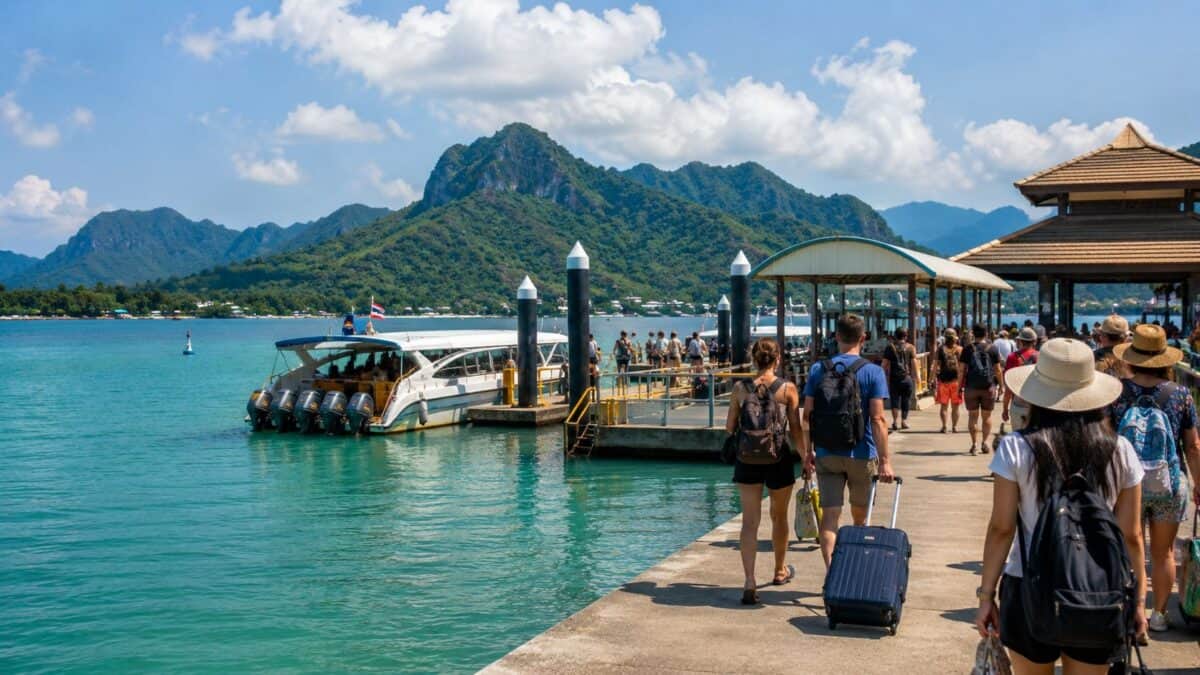
Image generated with Ai
There are two large urban areas in Southeast Asia that have really been leading the charge with their economy this year. With booming tourism in Ho Chi Minh City and Jakarta, these two ex-industrial powerhouses are forecast to have created 2.1 million jobs in 2026. For September of 2026, official government reports state that record-breaking tourism in these two cities not only benefited the hospitality sector but helped revitalize travel and the arts as well. The tourism boom in these two cities is not just a post-pandemic recovery. These two cities saw a boom, most likely due to innovative visa policies and large government Focused infrastructure investments. This boom in two of the largest cities clearly demonstrates there has been a major shift in travel habits globally.
The global macroeconomic landscape in the latter half of the 2020s has been characterised by a distinct shift in international travel paradigms. Following years of fluctuating travel restrictions and gradual industry recoveries, 2026 has officially emerged as a watershed year for the Association of Southeast Asian Nations (ASEAN). Driven by strong domestic consumption, aggressive government investments in infrastructure, and highly coordinated international marketing campaigns, the region is experiencing an unprecedented economic resurgence. At the very heart of this regional renaissance is the extraordinary Ho Chi Minh City and Jakarta tourism boom, a dual-city phenomenon that is redefining urban travel, business networking, and cultural exchange.
For decades, both Ho Chi Minh City and Jakarta have served as the commercial beating hearts of Vietnam and Indonesia, respectively. However, their evolution from primary business transit hubs to standalone global tourism destinations represents a monumental shift in international perception. Observers and policymakers alike have noted that this is no longer simply about legacy backpacker trails or brief layovers. Instead, this current wave is characterised by high-yield tourism, extended stays, and a massive influx of foreign direct investment into the hospitality sector. The alignment of forward-thinking aviation strategies, relaxed entry requirements, and the digital transformation of the travel experience has created a perfect storm for unprecedented visitor growth.
International travel demand has increasingly shifted away from traditional, overcrowded European capitals towards the vibrant, culturally rich, and highly dynamic urban centres of Southeast Asia. Global travellers are seeking destinations that offer a seamless blend of deep historical heritage and hyper-modern conveniences. The Ho Chi Minh City and Jakarta tourism boom perfectly encapsulates this shifting demand. Both cities offer world-class culinary scenes, rapidly expanding luxury accommodations, rich historical narratives, and unmatched affordability compared to Western equivalents. Furthermore, the strategic geographical positioning of these metropolises allows them to serve as primary gateways for both the Asia-Pacific region and the broader global travel network, facilitating millions of international transits that increasingly convert into multi-day city breaks.
Advertisement
The statistical evidence emerging from Vietnam in 2026 is nothing short of extraordinary, confirming the nation’s status as a global tourism powerhouse. According to verified data from the General Statistics Office (GSO), Vietnam welcomed a staggering 6.76 million international visitors in the first quarter of 2026 alone. This milestone marks a robust increase of more than 12.4 per cent compared to the same period in the previous year, officially setting a new historical record for first-quarter arrivals. This momentum has only accelerated as the year has progressed. By July 2026, the Vietnam National Authority of Tourism (VNAT) reported that the country had already accommodated approximately 13.9 million foreign visitors, representing a 13.8 per cent year-on-year increase.
The epicentre of this phenomenal growth is undeniably Ho Chi Minh City. Known for its dynamic street life, historical landmarks, and booming corporate sector, the city is capturing a massive share of this national influx. Regional authorities within the city’s tourism sector have officially targeted an ambitious 61 million total visitors for the 2026 calendar year, a figure that includes a projected 11 million international arrivals. This relentless expansion is a critical component of the overarching Ho Chi Minh City and Jakarta tourism boom, underscoring how targeted urban strategies can yield immediate, record-breaking results.
To sustain this historic trajectory, the Vietnamese government has mapped out exceptional national targets. For the full year of 2026, Vietnam’s tourism sector is officially aiming to welcome 25 million international arrivals and facilitate 150 million domestic tourist trips. The economic weight of these figures is staggering, with the government targeting total tourism revenue of VND 1.125 quadrillion, which equates to approximately US$46 billion. This extraordinary financial injection is driving large-scale urban redevelopment across Ho Chi Minh City. New luxury hotels are breaking ground, heritage sites are receiving vital preservation funding, and the city’s public transportation networks are being modernised to handle the increased capacity. The resulting commercial ecosystem is generating vast opportunities for local entrepreneurs, solidifying the city’s role in regional economic dominance.
Parallel to Vietnam’s success, Indonesia’s capital is experiencing a profound tourism renaissance of its own. Long perceived primarily as a sprawling corporate megacity, Jakarta has successfully rebranded itself as an essential cultural and creative hub within Southeast Asia. Official figures released by Statistics Indonesia (BPS) in mid-2026 provide incontrovertible proof of this transformation. In May 2026 alone, Indonesia welcomed 1.38 million foreign tourist arrivals, a solid 5.83 per cent increase from the same month in the previous year. Cumulatively, during the crucial January to May 2026 window, foreign tourist arrivals reached a remarkable 6.07 million, representing a 7.68 per cent year-on-year surge.
However, international arrivals tell only half the story of the Ho Chi Minh City and Jakarta tourism boom. The domestic travel market within Indonesia has exploded, fundamentally transforming Jakarta’s local economy. BPS data reveals that domestic tourist trips across the archipelago totalled an astonishing 106.16 million in May 2026 alone, culminating in a colossal 523.22 million domestic trips during the first five months of the year. Jakarta, acting as the primary aviation and rail transit hub, is the primary beneficiary of this internal movement. The relentless flow of both domestic and international visitors into Jakarta is fuelling unprecedented demand for retail, hospitality, and entertainment services, embedding tourism deeply into the capital’s economic DNA.
The sheer scale of logistical movement across Indonesia highlights the robust health of its travel sector. In passenger transportation, rail services—heavily centred around Jakarta’s sprawling network—recorded 46.96 million passengers in May 2026, marking an annual increase of 4.17 per cent. Domestic sea transport and ferry services also posted significant growth, carrying 2.66 million and 4.51 million passengers respectively during the same period. This logistical triumph underscores the effectiveness of Indonesia’s recent infrastructure investments. By seamlessly connecting Jakarta to the wider archipelago, the government has ensured that the capital remains the undisputed gateway for international tourists looking to explore the broader country, whilst simultaneously serving as the ultimate destination for domestic travellers seeking urban experiences.
The most consequential and transformative outcome of the Ho Chi Minh City and Jakarta tourism boom is undoubtedly its profound impact on regional employment. Verified September 2026 reporting confirms that this twin-city resurgence is directly responsible for driving 2.1 million jobs across the Southeast Asian economy. This staggering figure of employment generation represents far more than a mere statistical achievement; it equates to a massive socioeconomic uplift for millions of households. These jobs are heavily concentrated in urban centres and span a vast array of disciplines, highlighting the deeply interconnected nature of modern tourism.
Unlike previous decades where tourism employment was frequently relegated to seasonal or low-wage positions, the current boom is fostering highly skilled, sustainable careers. The 2.1 million newly created and supported jobs encompass advanced roles in digital travel technology, aviation management, multilingual tour operations, sustainable urban planning, and high-end culinary arts. As both cities continue to mature as premium destinations, the demand for world-class service standards has necessitated rigorous vocational training programmes. This has led to a significant upskilling of the local workforce, ensuring that the economic benefits of visitor growth are distributed equitably across the socioeconomic spectrum.
The multiplier effect of this employment surge cannot be overstated. For every direct role created within a hotel or airline, numerous indirect jobs are spawned across the wider supply chain. In Ho Chi Minh City, the demand for authentic local cuisine has invigorated the agricultural supply chains feeding the city’s vibrant restaurant scene. Similarly, in Jakarta, the booming creative economy is empowering local artisans, digital content creators, and event organisers. The hospitality sector acts as the primary engine, but the resulting capital flows are deeply penetrating the retail, construction, and transportation sectors. This widespread job creation is fundamentally altering the demographics of both cities, attracting a young, ambitious, and highly educated workforce eager to capitalise on the boundless opportunities presented by this golden era of ASEAN tourism.
The astonishing success of the Ho Chi Minh City and Jakarta tourism boom is not accidental; it is the direct result of meticulously crafted, highly aggressive government policies designed to remove barriers to entry and stimulate economic activity. Both the Vietnamese and Indonesian governments have recognised that in the highly competitive global tourism market, bureaucratic agility is just as important as natural or historical attractions. Over the past two years, regulatory frameworks have been entirely overhauled to prioritise the seamless movement of international travellers, investors, and digital nomads.
A primary catalyst for Vietnam’s record-breaking numbers has been the government’s decisive action on immigration policy. The expansion of visa-free entry programmes and the implementation of extended 45-day visa exemptions for a significantly growing list of nationalities have radically reduced entry barriers. By easing travel planning and eliminating cumbersome bureaucratic hurdles, Vietnam has successfully positioned itself as an incredibly accessible destination for long-haul travellers, particularly those from Europe and the Americas. This policy shift directly supports Ho Chi Minh City’s appeal, allowing tourists to utilise the city as a long-term base for broader regional exploration rather than a fleeting stopover. The General Statistics Office explicitly noted that these increasingly open visa policies, combined with a stable political environment, have been instrumental in driving the 2026 surge.
In Indonesia, the strategic approach has been championed by the Ministry of Tourism and Creative Economy (Kemenparekraf), led by Minister Sandiaga Uno. The ministry’s unique structure, which marries traditional tourism promotion with the vast potential of the creative industries, has proven to be a masterstroke. By officially intertwining cultural outputs—such as film, fashion, music, and digital arts—with traditional travel marketing, Jakarta has cultivated an incredibly trendy, modern brand identity. This approach has proven highly effective in attracting younger, high-spending demographics who seek immersive, culturally relevant experiences rather than standard sightseeing. The official initiatives led by the Ministry have successfully transformed Jakarta’s vibrant street culture and contemporary arts scene into highly monetisable tourist attractions, directly contributing to the monumental 2.1 million jobs created.
To fully understand the mechanics of the Ho Chi Minh City and Jakarta tourism boom, one must examine the shifting demographics of the inbound source markets. Both nations have benefited from a highly diversified portfolio of international visitors, ensuring that their respective tourism sectors remain resilient against isolated geopolitical or economic shocks. ASEAN tourism statistics reveal a fascinating evolution in global travel loyalties throughout the 2026 calendar year.
While traditional markets continue to provide the bulk of arrivals, the growth rates from specific regions have been unprecedented. In the first quarter of 2026, China remained Vietnam’s largest source market with over 1.4 million visitors, closely followed by South Korea with nearly 1.33 million. However, the most remarkable development has been the explosive resurgence of the European market. Russia contributed over 367,000 visitors in Q1 2026, representing a staggering 194.5 per cent increase compared to the same period in 2025. In March alone, Russian arrivals surged by 163 per cent year-on-year, surpassing pre-pandemic 2019 levels and marking the highest volume in a decade. Additionally, the Indian market maintained tremendous momentum, with visitor numbers increasing by more than 69 per cent. Ho Chi Minh City, with its extensive international flight connectivity, serves as the primary gateway for these booming demographics.
Jakarta’s inbound profile exhibits a similarly robust, albeit geographically different, diversification. According to Statistics Indonesia (BPS), Malaysia maintained its position as the largest source of foreign visitors in May 2026, accounting for 298,210 arrivals, or 21.58 per cent of the total. Australia followed as a critical, high-yield market with 155,030 arrivals (11.22 per cent), while Singapore contributed 136,740 arrivals (9.89 per cent). The strong performance of these neighbouring markets highlights the vital importance of short-haul, high-frequency travel within the ASEAN and Australasian corridors. Jakarta’s position as a premier destination for regional corporate travel, combined with its burgeoning reputation for luxury retail and entertainment, ensures a steady, reliable influx of these high-value demographics.
The physical infrastructure of both Vietnam and Indonesia has been pushed to its absolute limits by the Ho Chi Minh City and Jakarta tourism boom, necessitating rapid scaling and unprecedented capital investment. The aviation sector, in particular, has experienced a massive operational expansion. The launch of new leisure-oriented carriers and the aggressive expansion of flight routes linking major global source markets directly to Ho Chi Minh City and Jakarta have vastly enhanced accessibility. Competitive airfares, driven by increased airline competition, have played a clear, undeniable role in driving up visitor volumes, making Southeast Asia more financially accessible to the global middle class than ever before.
Beyond international aviation, the domestic transport networks are recording historic metrics. As previously highlighted, Indonesia’s domestic rail and sea transport sectors have witnessed massive passenger surges, serving tens of millions of travellers monthly. In Vietnam, domestic connectivity is similarly thriving. For example, during national holidays, transport phenomena such as thematic heritage trains have seen massive engagement; a specific national day train route recorded 40,000 passengers over the past year, with international tourists accounting for an impressive 40 per cent of ridership. This incredible strain on existing infrastructure has prompted swift government action, with massive public works projects—such as Hanoi’s $375 million Tran Hung Dao Bridge and Jakarta’s ongoing mass rapid transit expansions—being fast-tracked to accommodate the relentless pace of urban visitor growth.
The economic footprint of the Ho Chi Minh City and Jakarta tourism boom extends far beyond the borders of Vietnam and Indonesia; it serves as a massive stabilising force for the entire ASEAN macroeconomic ecosystem. When 2.1 million jobs are created in rapid succession, the resulting surge in disposable income dramatically alters regional consumption patterns. Small and Medium Enterprises (SMEs), which form the absolute backbone of Southeast Asian economies, are experiencing an unprecedented windfall. From boutique hoteliers in Ho Chi Minh City’s District 1 to independent tech startups developing travel applications in South Jakarta, the influx of foreign capital is democratising wealth and fostering a new generation of regional entrepreneurs.
These tourism triumphs are perfectly aligned with broader national economic strategies. In Indonesia, the surge in tourism revenues closely supports the nation’s robust Q1 2026 economic growth of 5.61 per cent, providing vital foreign exchange reserves that stabilise the national currency. Furthermore, the ongoing 2026 economic census initiated by BPS will undoubtedly capture the massive structural shift towards a service-led economy heavily reliant on tourism. In Vietnam, the government’s audacious US$46 billion tourism revenue target for 2026 is rapidly becoming a reality, providing the state with the essential fiscal bandwidth required to further invest in education, healthcare, and sustainable urban development. The twin engines of Jakarta and Ho Chi Minh City are effectively pulling their respective national economies toward elevated global standings.
A fascinating trend identified in the 2026 verified reports is the changing nature of the tourist itinerary itself. The Ho Chi Minh City and Jakarta tourism boom is heavily fuelled by the rising popularity of “micro-trips” and deep cultural immersion. Rather than solely engaging in weeks-long cross-country tours, a massive segment of international visitors—particularly from neighbouring Asian nations like South Korea and Singapore—are opting for intensive, two-to-four-day urban city breaks. In Ho Chi Minh City, these micro-trips are intensely focused on architectural tours, traditional market exploration, museum visits, and the city’s world-renowned street food and coffee shop culture.
This shift towards authenticity is supported by compelling market data. Recent insights reveal that more than 72 per cent of global travellers now favour authentic cultural experiences over manufactured resort holidays, while 55 per cent prefer trips intrinsically linked to local heritage. Jakarta and Ho Chi Minh City are uniquely positioned to capitalise on this demand. The respective tourism boards are actively working to link historical sites, craft villages, and evening entertainment into cohesive, easily navigable urban itineraries. Data from major booking platforms like Traveloka confirms that demand for culturally rich urban destinations has never been higher, validating the governments’ strategic pivot away from purely volume-based tourism towards high-value, culturally immersive travel trends.
As the fourth quarter of 2026 approaches, the fundamental question facing policymakers is how to sustain and responsibly scale this extraordinary Ho Chi Minh City and Jakarta tourism boom. With 2.1 million jobs successfully generated and record visitor numbers officially confirmed, the focus must now inevitably shift toward sustainability and infrastructure resilience. Unchecked growth poses risks of overtourism, environmental degradation, and the dilution of the very cultural heritage that is currently driving the boom. Therefore, the next phase of urban development in both metropolises will heavily feature green initiatives, sustainable public transit, and strict regulatory frameworks to protect historical districts.
The long-term outlook remains incredibly bullish. As international flight capacities continue to normalise and expand, and as both Vietnam and Indonesia further refine their visa facilitation and digital tourism infrastructure, the current baseline of arrivals is expected to serve as a launchpad rather than a peak. The strategic harmonisation of the creative industries with traditional hospitality ensures that both cities will remain culturally relevant and highly attractive to future generations of global travellers. By officially proving that monumental economic scaling can be achieved through coordinated, forward-thinking tourism policies, Ho Chi Minh City and Jakarta have cemented their status not only as the pride of Southeast Asia but as the undisputed future of global urban travel.
Overview
This year’s released statistics show that the recent growth in tourism in Ho Chi Minh City and Jakarta is changing Southeast Asia’s modern macroeconomics. With the establishment of 2.1 million jobs, these cities have developed a way to foster sustainable growth within their urban areas and economies. Through strategic government policies, continuous and robust infrastructure, and a creative economy which maintains the interest of international investors, they have secured the position of Vietnam and Indonesia to lead ASEAN’s growth with ease, as international travel continues to grow. The remarkable urban success can be the inspiration behind ASEAN’s tourism policies.
Advertisement
Advertisement
Advertisement













Saturday, September 5, 2026

Friday, September 4, 2026
Saturday, September 5, 2026

Saturday, September 5, 2026

Thursday, September 3, 2026

Wednesday, September 2, 2026

Saturday, September 5, 2026

Saturday, September 5, 2026


