
Italy Is a Rich Country, as Rome and a Few Other Cities Have Incredible Remains and Stories of Old Civilizations to Offer Tourists

Published
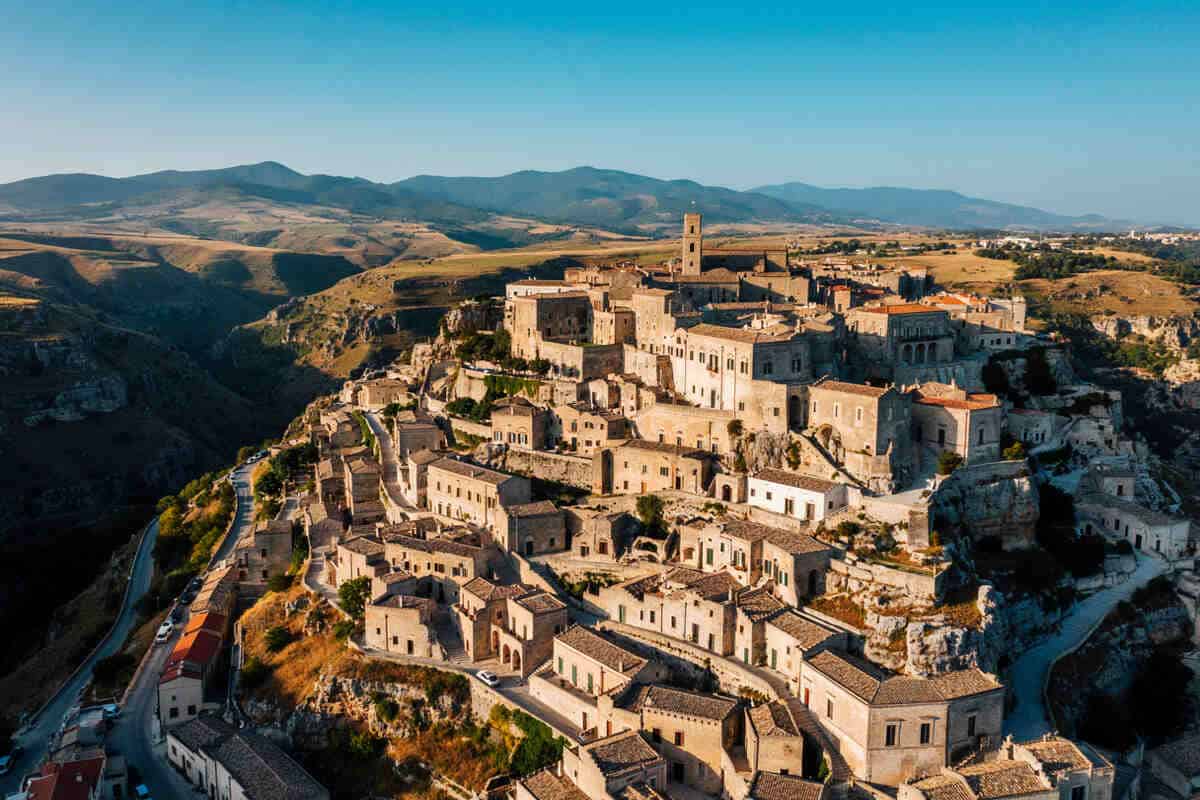
Image generated with Ai
Italy attracts millions of archaeology-focused travellers because its cities preserve some of the world’s most remarkable remains of Roman, Greek and Etruscan civilisations, including Pompeii, Rome’s Imperial ruins, Sicily’s ancient temples and historic archaeological landscapes. Italy is one of the world’s richest destinations for archaeological tourism, offering thousands of years of history from the Roman Empire, Ancient Greece, the Etruscans and early Mediterranean civilizations. Cities such as Rome, Naples, Pompeii, Agrigento and Verona attract millions of visitors because of their preserved ruins, temples, amphitheatres and ancient settlements.
From imperial structures to classical remains, these locations provide authentic experiences and strengthen the nation’s position in heritage tourism while encouraging exploration of remarkable historic sites worldwide. Visitors continue discovering these places because they offer rare connections between past achievements and present curiosity with unforgettable journeys that last for many generations.
Advertisement
Advertisement
Most Visited Italian Cities for Archaeological Remains: Ancient Ruins, Roman Wonders and Lost Civilizations
| Rank | Italian City / Destination | Region | Famous Archaeological Remains | Historical Period | Why Tourists Visit | UNESCO Status |
|---|---|---|---|---|---|---|
| 1 | Rome | Lazio | Colosseum, Roman Forum, Palatine Hill, Pantheon, Baths of Caracalla, Circus Maximus, Appian Way | Ancient Rome (753 BC–476 AD) | Rome is the centre of Roman archaeology, showing the political, military and cultural power of the Roman Empire. Visitors explore imperial forums, temples, arenas and ancient roads. | Several sites included within UNESCO Historic Centre of Rome |
| 2 | Pompeii | Campania | Pompeii Archaeological Park, ancient streets, villas, temples, theatres, baths and frescoes | Roman Empire (destroyed in 79 AD) | Pompeii provides one of the best preserved examples of daily Roman life after Mount Vesuvius buried the city. | UNESCO World Heritage Site |
| 3 | Naples | Campania | National Archaeological Museum, underground Greek-Roman remains, nearby Pompeii and Herculaneum | Greek and Roman periods | Naples acts as the main gateway to southern Italy’s archaeological treasures. Its museum contains important artefacts from Pompeii and Herculaneum. | Historic Centre of Naples UNESCO Site |
| 4 | Herculaneum (Ercolano) | Campania | Herculaneum Archaeological Park, Roman villas, mosaics, wooden structures | Roman Empire (destroyed in 79 AD) | Herculaneum offers exceptionally preserved Roman buildings, including houses with mosaics, frescoes and carbonised wooden remains. | UNESCO World Heritage Site |
| 5 | Paestum (Capaccio Paestum) | Campania | Temple of Hera, Temple of Neptune, Temple of Athena, Greek city ruins | Ancient Greek and Roman periods | Paestum is famous for some of the best-preserved Greek temples outside Greece, attracting archaeology and history lovers. | UNESCO Cilento World Heritage Area |
| 6 | Agrigento | Sicily | Valley of the Temples, Temple of Concordia, Temple of Juno, Temple of Heracles | Ancient Greek civilisation | Agrigento showcases Sicily’s Greek heritage through monumental Doric temples and ancient city remains. | UNESCO World Heritage Site |
| 7 | Verona | Veneto | Verona Arena, Roman theatre, Roman gates and bridges | Roman Empire | Verona attracts visitors with one of the world’s best-preserved Roman amphitheatres, still used for performances today. | UNESCO Historic Centre |
| 8 | Ostia Antica | Lazio | Ancient Roman harbour city, forum, baths, theatres, houses and mosaics | Roman Republic and Empire | Ostia Antica reveals everyday Roman urban life, trade networks and ancient port activities. | Archaeological area protected heritage site |
| 9 | Syracuse (Siracusa) | Sicily | Neapolis Archaeological Park, Greek Theatre, Roman Amphitheatre, Ear of Dionysius | Ancient Greek and Roman periods | Syracuse was one of the most important Greek cities in the Mediterranean and preserves major classical monuments. | UNESCO World Heritage Site |
| 10 | Tarquinia | Lazio | Etruscan Necropolis, painted tombs, ancient city remains | Etruscan civilisation | Tarquinia is among Italy’s most important locations for understanding the mysterious Etruscan culture. | UNESCO Etruscan Necropolises |
| 11 | Cerveteri | Lazio | Banditaccia Necropolis | Etruscan civilisation | The huge burial complex provides insight into Etruscan society, architecture and funeral traditions. | UNESCO World Heritage Site |
| 12 | Matera | Basilicata | Sassi cave settlements, prehistoric rock churches | Prehistoric to medieval periods | Matera offers archaeological landscapes showing human settlement for thousands of years. | UNESCO World Heritage Site |
| 13 | Bari | Puglia | Roman roads, archaeological museums, ancient settlements nearby | Roman and medieval periods | Bari provides access to archaeological remains across Puglia, including ancient coastal settlements. | Historic heritage areas |
| 14 | Lecce | Puglia | Roman Amphitheatre, Roman theatre, ancient city remains | Roman period | Known as the “Florence of the South”, Lecce combines Baroque architecture with Roman archaeological heritage. | Heritage protected city |
| 15 | Aquileia | Friuli Venezia Giulia | Roman Forum, ancient port remains, Roman houses and mosaics | Roman Empire | Aquileia was one of the largest Roman cities in the ancient world and remains a major archaeological destination. | UNESCO World Heritage Site |
Why are Italian cities becoming major destinations for archaeological tourism?
Italy has emerged as one of the world’s leading destinations for archaeological tourism because it offers travellers the rare opportunity to experience history in its original landscapes. Instead of only viewing ancient objects inside museums, visitors can walk through preserved Roman streets, explore ancient theatres, enter centuries-old temples and discover cities that reveal the everyday lives of past civilisations.
From the powerful Roman Empire to the sophisticated Greek colonies and mysterious Etruscan communities, Italy’s archaeological heritage represents thousands of years of human development. Cities across the country continue to attract international visitors who are interested in history, architecture and cultural exploration.
Advertisement
Advertisement
Rome, Pompeii, Naples, Agrigento and Syracuse remain among the most recognised archaeological destinations because they combine historical importance with well-preserved monuments. These locations provide a direct connection to ancient societies and allow visitors to understand how people lived, worked and built communities centuries ago.
The growth of archaeological tourism also supports local economies by increasing demand for guided tours, heritage experiences, museums and cultural events. Italian archaeological sites have become more than historical attractions. They are important parts of the country’s tourism identity.
Advertisement
Advertisement
Why does Rome remain Italy’s most famous archaeological destination?
Rome continues to stand as the centre of Italy’s archaeological tourism because it preserves the legacy of one of history’s greatest empires. The city offers visitors a remarkable collection of ancient monuments that reflect the political, military and cultural strength of Imperial Rome.
The Colosseum remains Rome’s most recognisable archaeological landmark. Built nearly two thousand years ago, the massive amphitheatre once hosted public events and continues to attract visitors from around the world. Nearby, the Roman Forum provides a view into the centre of ancient political and social life.
The Palatine Hill, believed to be the birthplace of Rome, adds another important layer to the city’s archaeological story. Ancient imperial residences, temples and public spaces reveal how Rome developed from a small settlement into a global power.
Other archaeological attractions, including the Baths of Caracalla, Circus Maximus and sections of the ancient Appian Way, allow travellers to explore different aspects of Roman civilisation. Together, these sites make Rome one of the most comprehensive archaeological destinations in the world.
Why does Pompeii attract millions of visitors interested in ancient history?
Pompeii is one of Italy’s most extraordinary archaeological destinations because it preserves a complete Roman city frozen in time. The ancient city was buried after the eruption of Mount Vesuvius in 79 AD, protecting buildings, streets, artwork and everyday objects for centuries.
Unlike many archaeological sites that contain only ruins, Pompeii allows visitors to understand how ordinary Romans lived. Travellers can walk along ancient roads, explore homes, view decorated villas and discover public spaces that once served thousands of residents.
Advertisement
Advertisement
The city’s preserved frescoes and mosaics provide valuable information about Roman art, religion and social traditions. Ancient bakeries, shops, theatres and bath complexes show how developed urban life was during the Roman period.
Pompeii’s archaeological importance extends beyond tourism. The site continues to support research into Roman architecture, climate history and ancient lifestyles. Its combination of preservation and accessibility has made it one of the most visited archaeological attractions in Europe.
Why is Naples considered the gateway to Italy’s ancient treasures?
Naples plays a major role in archaeological tourism because it provides access to some of southern Italy’s most important ancient sites. The city itself contains significant Greek and Roman remains, while its location makes it a convenient base for exploring Pompeii, Herculaneum and Paestum.
The National Archaeological Museum of Naples is one of Europe’s most important collections of ancient artefacts. It houses sculptures, mosaics and objects discovered from Pompeii and Herculaneum, helping visitors understand the history behind the archaeological sites.
Beneath modern Naples, underground areas reveal layers of ancient Greek and Roman settlements. These discoveries demonstrate how the city has continuously developed across thousands of years.
The combination of museums, underground archaeology and nearby ancient cities makes Naples a valuable destination for travellers seeking a deeper understanding of Italy’s classical heritage. It connects visitors with both preserved artefacts and original archaeological landscapes.
Advertisement
Advertisement
Why does Sicily attract travellers searching for Greek and Roman archaeological remains?
Sicily has become one of the most important archaeological tourism regions in Italy because of its extraordinary Greek and Roman heritage. The island was once home to some of the most influential Greek settlements outside mainland Greece.
Agrigento’s Valley of the Temples is among Sicily’s greatest archaeological attractions. The site features impressive Doric temples that demonstrate the architectural achievements of ancient Greek civilisation. The Temple of Concordia remains one of the best-preserved Greek temples in the Mediterranean.
Syracuse offers another remarkable archaeological experience. Once one of the most powerful Greek cities, Syracuse preserves an ancient Greek theatre, Roman structures and archaeological parks that reflect centuries of cultural change.
Sicily’s archaeological attractions show how different civilisations influenced each other across the Mediterranean. Greek, Roman, Byzantine and later cultures all contributed to the island’s unique historical identity.
Why are Herculaneum and Paestum important archaeological destinations?
Herculaneum and Paestum provide visitors with different perspectives on Italy’s ancient history. Both destinations offer exceptional archaeological experiences but represent different periods and cultures.
Herculaneum, located near Mount Vesuvius, was also destroyed during the volcanic eruption of 79 AD. However, its preservation differs from Pompeii because many buildings retained wooden structures, detailed decorations and household objects. The site offers valuable information about Roman domestic life.
Advertisement
Advertisement
Paestum, located in southern Campania, highlights Italy’s Greek heritage. The ancient city is famous for its impressive temples dedicated to Greek gods. These structures remain among the best-preserved examples of Greek architecture outside Greece.
Together, Herculaneum and Paestum demonstrate the diversity of Italy’s archaeological landscape. One reveals the sophistication of Roman urban living, while the other showcases the artistic and architectural achievements of ancient Greece.
Why are Etruscan archaeological cities gaining attention from history travellers?
While Roman and Greek sites receive significant attention, Italy’s Etruscan archaeological destinations provide another important chapter in the country’s history. Cities such as Tarquinia and Cerveteri preserve the remains of a civilisation that influenced early Roman development.
Tarquinia is famous for its painted tombs, which provide rare insights into Etruscan beliefs, traditions and artistic skills. The colourful wall paintings reveal scenes of celebrations, daily activities and religious practices.
Cerveteri’s Banditaccia Necropolis represents one of the largest ancient burial complexes in the Mediterranean. Its planned streets and monumental tombs demonstrate the complexity of Etruscan society.
These destinations attract travellers seeking lesser-known archaeological experiences. They provide a broader understanding of Italy’s history before the dominance of Rome and highlight the cultural diversity that shaped the Italian peninsula.
Advertisement
Advertisement
Why do smaller Italian archaeological cities continue to attract international visitors?
Beyond famous destinations, smaller Italian cities also contribute significantly to archaeological tourism. Places such as Ostia Antica, Aquileia, Lecce and Matera offer unique historical experiences away from the busiest tourist routes.
Ostia Antica near Rome was once an important Roman harbour city. Its preserved streets, apartments, temples and commercial buildings provide insight into trade and everyday urban life during the Roman period.
Aquileia in northern Italy was among the Roman Empire’s largest cities and preserves ancient forums, mosaics and archaeological remains connected with its former importance as a trading centre.
Matera offers a different archaeological experience through its ancient cave settlements and rock churches. The city demonstrates thousands of years of human adaptation to the landscape.
These destinations expand Italy’s archaeological tourism beyond famous landmarks and encourage visitors to explore the country’s wider historical heritage.
How does archaeological tourism strengthen Italy’s global travel appeal?
Archaeological tourism has become an important part of Italy’s international tourism sector because it combines education, culture and unique travel experiences. The country’s ancient cities offer visitors opportunities to explore real historical environments rather than only traditional sightseeing attractions.
Advertisement
Advertisement
The continued popularity of archaeological destinations encourages investment in conservation, visitor facilities and heritage management. Maintaining these sites helps protect valuable historical resources for future generations.
Italy’s archaeological cities also support surrounding communities through tourism-related businesses, including hotels, restaurants, transportation services and cultural programmes.
From Rome’s imperial monuments to Sicily’s Greek temples, Italy provides one of the world’s most complete journeys through ancient history. Its archaeological treasures continue to attract travellers who want to discover the foundations of modern civilisation through authentic and unforgettable experiences.
Italy’s archaeological attractions continue growing in popularity because ancient remains provide travellers with direct access to extraordinary stories of human civilisation and cultural progress. The reason behind this success is the combination of preservation, education and immersive experiences offered by historic locations across the country. Rome, Pompeii and other destinations demonstrate how the past can shape modern tourism through meaningful exploration. As interest in heritage journeys expands, these archaeological treasures remain important because they protect history and create lasting connections between visitors and ancient societies. Their value extends beyond sightseeing, supporting learning, conservation and global appreciation for shared human heritage.
Advertisement
