
Saudi Arabia Monaco Red Sea Yacht Tourism Pact Sparks Extraordinary Coastal Growth

Published
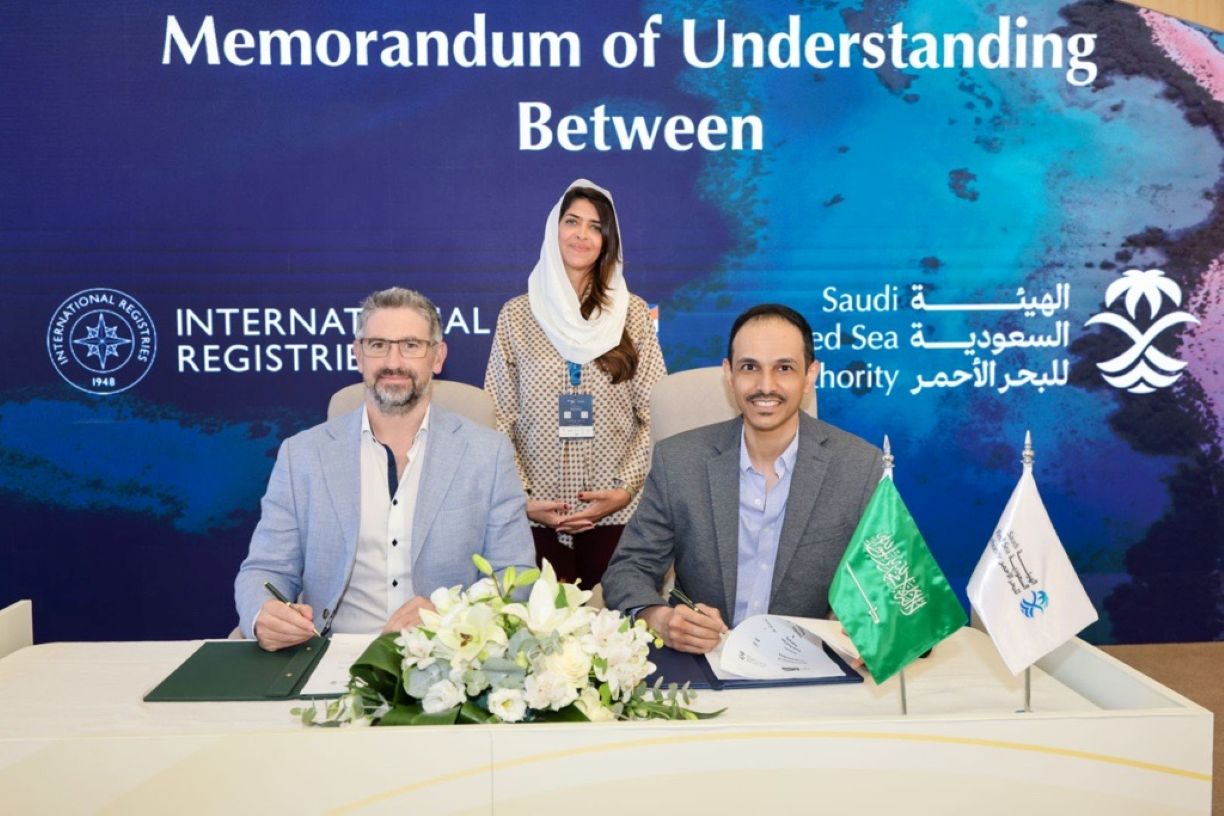
The Saudi Red Sea Authority made another maritime agreement recently, this time, as part of the country’s plans to encourage yacht tourism. International Registries was represented during the signing of this agreement held during the Monaco Yacht Show. This Agreement should help speed up the process of improving the region’s yachting tourism. Officials expect that the new agreement will help bring more private yachts to the region. This agreement will also help develop other yachting related businesses. The agreement will also help develop investment opportunities along the coast of the region. The new agreement will encourage more tourism activities related to the marine environment.
The Landmark Maritime Agreement
Mohammed Alghamdi officially represented the Saudi Red Sea Authority. He currently serves as Acting Executive Vice President. He manages Coastal Tourism Management for the government organisation. Jo Assael represented International Registries, Inc. at the prestigious event. Assael is the Yachts Commercial Director for the registry firm. Their signatures cemented a strategic partnership for marine development. According to officials, the deal marks a regulatory turning point. State representatives praised the swift nature of these vital negotiations. The broader maritime sector has welcomed this progressive government approach.
Expanding The Yacht Engaged in Trade Scheme
The agreement formally recognises the Yacht Engaged in Trade scheme. This programme is universally known by the acronym YET. It now operates legally within Saudi Arabia’s Red Sea jurisdiction. Eligible private yachts can now be chartered for limited periods. Owners proudly retain their private registration status during these charters. They do not need to switch to commercial registration. This vital exemption applies subject to strict requirements and conditions. The YET programme drastically reduces administrative burdens for vessel owners. It also lowers the high costs associated with registration changes. Owners can charter yachts within a very clear regulatory framework. This framework strictly upholds the highest international safety standards.
Core Benefits of the YET Programme
The government programme offers several vital benefits to maritime stakeholders.
Advertisement
Advertisement
- It expands the global range of available charter yachts.
- The scheme offers wealthy visitors much greater seasonal choice.
- It strengthens coastal destinations’ ability to attract regional vessels.
- International superyachts will find the region much more appealing.
- Complex registration paperwork is kept to an absolute bare minimum.
- Private yacht chartering becomes a highly streamlined, efficient process.
Unlocking Unprecedented Economic Benefits
The anticipated economic benefits extend far beyond the coastal docks. Businesses directly serving yachts will see a massive revenue increase. Yacht owners and their guests will spend more money locally. Attracting more vessels naturally increases demand for prime marina berths. Maintenance and repair facilities will experience higher daily operational usage. Provisioning and refuelling services will also see greater sustained demand. This activity stimulates spending across multiple critical onshore economic sectors. Accommodation and premium hospitality venues will welcome more affluent guests. Fine dining and luxury entertainment revenues will grow incredibly steadily. Local transport networks will benefit from increased elite visitor mobility.
Projected Marine Sector Growth
Official data highlights imminent growth across several key marine sectors.
Advertisement
Advertisement
| Economic Sector | Primary Growth Driver | Expected Regional Outcome |
| Marina Operations | Increased yacht arrivals | Higher berth occupancy rates |
| Luxury Hospitality | Affluent guest spending | Increased premium hotel bookings |
| Vessel Maintenance | Superyacht repairs | Rapid infrastructure facility upgrades |
| Port Provisioning | Food and fuel needs | Phenomenal local supply chain boost |
| Ground Transport | Crew and guest transit | Expanded high-end mobility services |
Driving Unrivalled Infrastructure Investment
This soaring demand can help raise overall marina berth occupancy. It fundamentally improves the practical use of existing marine infrastructure. Investors can expect enhanced returns on related maritime property investments. Growth in yachting creates wider opportunities for private enterprise operations. The private sector will soon dominate future luxury marina operations. Yacht chartering and management firms will open regional branch offices. Essential support services will expand along the picturesque coastline rapidly. According to government spokespersons, infrastructure spending will increase dramatically. New architectural plans for smart marinas are currently under review.
Widespread National Job Creation
Sector growth directly supports widespread national job creation and training.
Advertisement
Advertisement
- Direct jobs will emerge in navigational and complex piloting roles.
- Indirect jobs will boost broader regional marine tourism activities.
- Coastal destinations will benefit broadly from this rapid economic expansion.
- Local communities will gain access to specialized maritime career training.
- Service industry roles will multiply across newly developed port cities.
Promoting Crucial Knowledge Exchange
The official MoU provides for a vital exchange of knowledge. International Registries will eagerly share its vast global maritime expertise. The involved parties will cooperate in reviewing crucial industry practices. Safety protocols will strictly remain a top priority for everyone. Environmental sustainability is a core, unshakeable pillar of this agreement. Marine environmental protection receives special, detailed focus in the text. Both entities pledge robust, unwavering support for the yachting industry. Two designated representatives will coordinate this ongoing, highly essential work. Regular administrative meetings will occur to review overall progress continually. These meetings will draw heavily on established international maritime practices. This approach supports the sector’s long-term sustainable coastal tourism growth.
Shaping A Modern Regulatory Environment
The MoU reflects the SRSA’s commitment to highly progressive regulation. They are developing an environment responsive to owner and operator needs. Operators will find their commercial activities facilitated and actively supported. The authority ensures strict compliance with all critical safety requirements. Marine environmental protection rules will be fiercely and continuously upheld. International partnerships help the SRSA expand diverse coastal tourism opportunities. The tourism authority continues to strengthen the region’s global appeal. The Red Sea is rapidly becoming a highly competitive destination. It successfully rivals older, more traditional global yachting hubs today. Government strategy aims to remove all obsolete bureaucratic maritime barriers.
Aligning With Saudi Vision 2030
These determined efforts strongly support ambitious national economic diversification goals. They aim to exponentially increase tourism’s overall contribution to GDP. This aligns perfectly with the core objectives of Saudi Vision 2030. Vision 2030 deliberately seeks to reduce reliance on oil revenues. Tourism serves as a central, foundational pillar of this transformation. The Red Sea coast offers vast, completely untapped natural potential. Government officials logically view luxury yachting as a premium market. Attracting high-net-worth individuals accelerates vital regional economic development targets. This strategy closely mirrors successful models seen in the Mediterranean. The Monaco Yacht Show provided the perfect prestigious launch platform.
Capitalising On Global Yachting Trends
The global yachting industry has experienced massive, unprecedented recent expansion. Demand for unique, exotic charter destinations is at record highs. Traditional Mediterranean and Caribbean routes are becoming highly congested seasonally. Owners constantly seek pristine, unexplored waters for their luxury vessels. The Red Sea offers glorious year-round sunshine and warm waters. Its unique marine biodiversity heavily attracts elite divers and explorers. The new YET framework brilliantly capitalises on these shifting trends. It positions the stunning region as a highly viable winter alternative. Superyachts can easily transit the Suez Canal to visit safely. This geographic advantage makes the entire region highly accessible globally.
Advertisement
Advertisement
Mediterranean Vs Red Sea Cruising
Industry analysts note distinct advantages for both major cruising regions.
| Cruising Feature | Mediterranean Sea | Saudi Red Sea |
| Peak Travel Season | Summer months | Winter months |
| Local Environment | Heavily developed | Pristine, untouched coastlines |
| Marina Infrastructure | Highly established | Rapidly expanding and modernising |
| Regional Climate | Temperate | Tropical year-round warmth |
| Marine Biodiversity | Moderate | Exceptionally high and vibrant |
Securing Essential Environmental Protection
Protecting incredibly fragile coral reefs remains a critical government priority. The Red Sea houses some of Earth’s oldest, resilient corals. The SRSA fiercely enforces strict anchoring regulations to prevent damage. Visiting yachts must use designated mooring buoys in sensitive areas. The MoU incorporates stringent global best practices for waste management. Discharging wastewater near the spectacular coastline is strictly, legally prohibited. The authority monitors legal compliance using advanced satellite tracking systems. Sustainable, measured tourism ensures the marine ecosystem thrives for decades. International Registries brings vital experience in complex environmental compliance matters. This expertise helps local officials draft significantly better maritime policies.
Strict Ecological Compliance Guidelines
All visiting charter vessels must adhere to specific ecological protocols.
- Zero-discharge zones exist around all major protected coral reef systems.
- Low-emission hybrid fuels are highly encouraged for all visiting yachts.
- Underwater mechanical noise pollution must be kept to a minimum.
- Marine life interactions are actively governed by strict ethical guidelines.
- Regular independent environmental audits will be conducted on marina facilities.
Building Strategic International Partnerships
International Registries represents just one of many vital strategic partners. The SRSA actively seeks ongoing collaborations with global maritime leaders. These partnerships effectively accelerate the transfer of vital technical knowledge. Foreign direct investment is flowing rapidly into coastal infrastructure projects. Global classification societies are advising on safe, secure navigational routes. International naval architects are brilliantly designing bespoke regional marina facilities. This collaborative approach completely mitigates risks associated with rapid development. The region is building a robust, world-class luxury maritime ecosystem. Officials carefully study successes and failures from other global jurisdictions. This thorough, meticulous research prevents costly long-term infrastructure planning errors.
A Prosperous Future For Red Sea Yacht Tourism
The Monaco agreement is definitely historic. It substantially reduces out-dated public barriers to cross border shipping. The UK’s YET scheme positively enhances the potential for maritime industries. Safety in shipping and environmental concerns will continue to be priority concerns. The positive economic impacts of the maritime industry will be felt along coasts. Marine tourism will be more profitable than extractive industries. Policies to encourage maritime tourism will positively impact citizens. The maritime community appreciates innovative and positive developments in the industry. There is no reason why maritime tourism policies will not help the Red Sea area rapidly develop maritime tourism industries and attract up-market cruise ships.
Advertisement
