





































Saudi Arabia Aligns With Oman And More In Lifting Desert Tourism With New Rail, Sustainable Resorts And Desert Travel Boom

Published
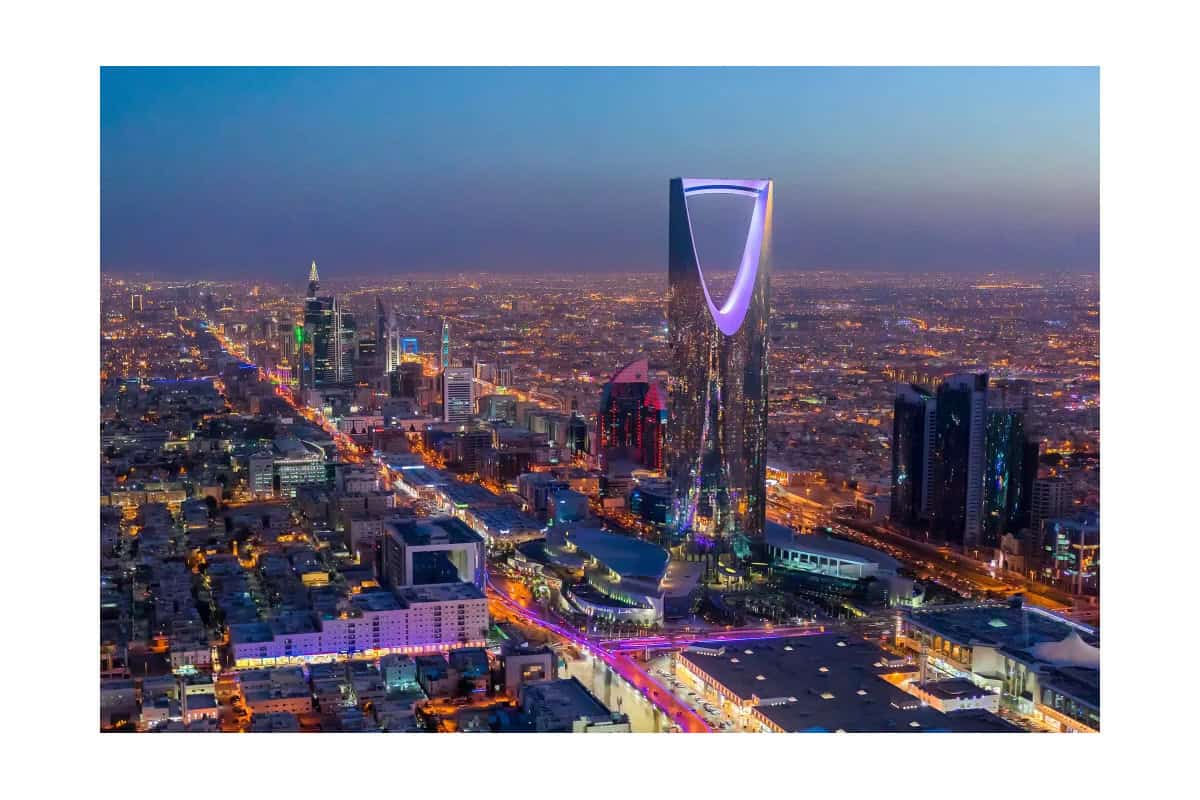
Image generated with Ai
The development of desert tourism is being spearheaded by Saudi Arabia through luxurious rail transport, resorts, and tourism opportunities that are unique to the Middle East. The Middle East is at the dawn of a new era for the development of its tourism industry, which is set to begin in 2026 through transformation of its deserts into tourist attractions that feature luxurious stay, adventure, heritage, sustainability, and experiences.
Saudi Arabia is leading this transformation with luxury desert projects, heritage destinations and the upcoming ultra-luxury Dream of the Desert rail experience, while Oman, the UAE, Qatar, Jordan, Egypt and Bahrain are creating their own desert tourism models. Together, these destinations are reshaping how international travellers experience the region, moving beyond traditional city breaks towards longer, experience-driven journeys.
| Country | Main Desert Tourism Focus in 2026 | Key Destinations and Experiences |
|---|---|---|
| Saudi Arabia | Luxury desert travel, heritage tourism, premium rail experiences | AlUla, Hegra, desert resorts, Dream of the Desert train |
| Oman | Authentic nature and adventure tourism | A’Sharqiyah Sands, Bedouin camps, dune experiences |
| UAE | Luxury safaris, conservation and desert resorts | Dubai Desert Conservation Reserve, Al Layan Oasis |
| Qatar | Event-based desert attractions and entertainment | Brouq, Zekreet desert experiences |
| Jordan | Cultural adventure and Bedouin tourism | Wadi Rum |
| Egypt | Oasis and wilderness tourism | Siwa Oasis, White Desert, Western Desert |
| Bahrain | Heritage and off-road desert experiences | Sakhir Desert, Tree of Life |
Saudi Arabia Leads The Desert Tourism Transformation With Luxury Rail And Premium Experiences
Saudi Arabia is positioning desert tourism as one of the key pillars of its wider tourism expansion strategy. Through Vision 2030, the Kingdom is developing desert landscapes into high-value travel destinations combining heritage, adventure, culture and luxury hospitality.
The strongest example is AlUla, a destination where ancient history meets modern tourism infrastructure. The region is home to Hegra (Al-Hijr), Saudi Arabia’s first UNESCO World Heritage Site, alongside AlUla Old Town, Elephant Rock, Jabal Ikmah and dramatic desert landscapes. Visitors can experience hiking, hot-air ballooning, stargazing, cultural tours and luxury accommodation surrounded by sandstone formations.
Saudi Arabia is also introducing a new luxury rail concept through the Dream of the Desert train, designed to make the journey itself part of the tourism experience. The ultra-premium train is expected to combine private accommodation, fine dining, desert views and cultural exploration, creating a new category of slow luxury travel in the region.
The project follows the global trend of luxury rail tourism, where travellers seek exclusive journeys rather than simple transportation. By connecting desert landscapes with premium hospitality, Saudi Arabia aims to create a new way for visitors to explore the Kingdom.
Beyond AlUla, Saudi Arabia is also investing in desert resorts, nature experiences and sustainable tourism models. Projects are designed to protect natural landscapes while creating new opportunities for visitors seeking wellness, adventure and cultural discovery.
Oman Expands Desert Tourism Through Authentic Adventures And Sustainable Experiences
Oman is strengthening its position as one of the Middle East’s leading destinations for authentic desert travel. Unlike some luxury-focused models, Oman’s approach centres on nature, culture and traditional experiences.
The country’s A’Sharqiyah Sands remains a major attraction, offering visitors vast golden dunes, Bedouin heritage, camel journeys, desert camping, dune driving, sandboarding and stargazing.
In 2026, Oman continues to attract travellers searching for slower and more meaningful experiences. Desert camps are becoming important parts of tourism packages, allowing visitors to experience local traditions while exploring natural landscapes.
Oman’s desert tourism strategy also supports adventure travel by combining mountains, wadis and deserts into multi-day itineraries. This creates opportunities for longer stays and encourages international visitors to explore beyond Muscat and coastal destinations.
The country’s focus on environmental protection and cultural authenticity makes it a strong partner in the region’s wider desert tourism growth.
UAE Builds Luxury Desert Escapes With Conservation, Resorts And New Attractions
The UAE has already developed one of the Middle East’s most established desert tourism markets. In 2026, the country is moving beyond traditional safari experiences by expanding luxury, conservation and nature-based tourism.
Dubai continues to promote desert experiences including dune drives, wildlife tours, luxury camps, balloon flights and overnight desert stays. These experiences increasingly combine Emirati culture with premium hospitality.
A major development is the growth of new desert attractions such as Al Layan Oasis, which aims to create an environmental and recreational destination connecting nature, culture and leisure.
The UAE model focuses on turning the desert into a complete tourism environment rather than a short excursion. Travellers can now combine luxury accommodation, conservation activities, adventure sports and cultural experiences within one itinerary.
This approach strengthens Dubai and the UAE’s position as a destination where urban luxury and desert exploration exist together.
Qatar Turns Desert Landscapes Into Entertainment And Family Tourism Attractions
Qatar is creating a different model by combining desert landscapes with large-scale events and entertainment.
The country has developed desert tourism experiences around areas such as Brouq and Zekreet, where visitors can discover unique rock formations, outdoor activities and cultural experiences.
In 2026, Qatar continues to use temporary and seasonal desert activations to attract families and international visitors. These programmes combine adventure activities, food experiences, wildlife attractions and traditional elements.
The country’s approach demonstrates how deserts can become year-round tourism spaces when supported by events, infrastructure and visitor facilities.
Qatar’s desert tourism growth also benefits from increased international visibility following major global events and continued investment in tourism infrastructure.
Jordan Strengthens Wadi Rum Tourism Through Heritage, Adventure And Bedouin Experiences
Jordan continues to build its desert tourism identity around Wadi Rum, one of the region’s most recognisable landscapes.
Known as the “Valley of the Moon”, Wadi Rum combines dramatic mountains, red sand landscapes and Bedouin traditions. Visitors can enjoy jeep tours, camel rides, desert camps, hiking and stargazing.
In 2026, Jordan is strengthening the connection between desert tourism and wider cultural journeys. Many travellers combine Wadi Rum with Petra and the Dead Sea, creating multi-destination experiences.
The country’s focus remains on authentic tourism, where local communities, traditions and natural landscapes form the centre of the visitor experience.
Egypt Expands Western Desert Tourism Through Oases And Hidden Landscapes
Egypt is broadening its tourism offering beyond its famous archaeological cities and Red Sea resorts by promoting its vast desert regions.
The Western Desert provides opportunities for adventure, nature and cultural exploration. Destinations including Siwa Oasis, Bahariya, Farafra, Dakhla and Kharga are attracting travellers looking for remote landscapes and unique experiences.
The White Desert and Black Desert are becoming increasingly popular for visitors interested in geological formations, photography and adventure travel.
Egypt’s desert tourism expansion supports destination diversification by encouraging visitors to explore lesser-known regions while extending travel itineraries beyond traditional routes.
Bahrain Develops Small-Scale Desert Tourism Through Heritage And Adventure
Bahrain’s desert tourism development operates on a smaller scale compared with neighbouring countries but remains an important part of its visitor strategy.
The southern Sakhir region offers off-road experiences, desert landscapes and cultural attractions. The Tree of Life, located in the desert, remains one of Bahrain’s most recognised natural landmarks.
In 2026, Bahrain continues to package desert experiences alongside heritage, motorsport and cultural tourism. Its approach focuses on combining short adventure experiences with wider island exploration.
Sustainable Resorts And Desert Innovation Create A New Middle East Travel Landscape
Across the Middle East, desert tourism is no longer limited to sightseeing. Countries are developing complete ecosystems combining accommodation, transport, entertainment, conservation and cultural storytelling.
Saudi Arabia’s luxury rail ambitions, Oman’s nature-based adventures, UAE’s premium desert resorts, Qatar’s event-driven experiences, Jordan’s heritage journeys, Egypt’s oasis tourism and Bahrain’s desert attractions show different approaches to the same opportunity.
The region’s desert tourism boom in 2026 reflects a broader shift in global travel preferences. Visitors increasingly seek unique landscapes, authentic cultures, sustainable experiences and memorable journeys.
With new rail connections, luxury resorts and immersive activities, the Middle East is transforming its deserts into some of the world’s most distinctive tourism destinations.
