
Japan Moves Beyond Overcrowded Hotspots To Offer Unique Authentic Travel Memories That Truly Matter

Published
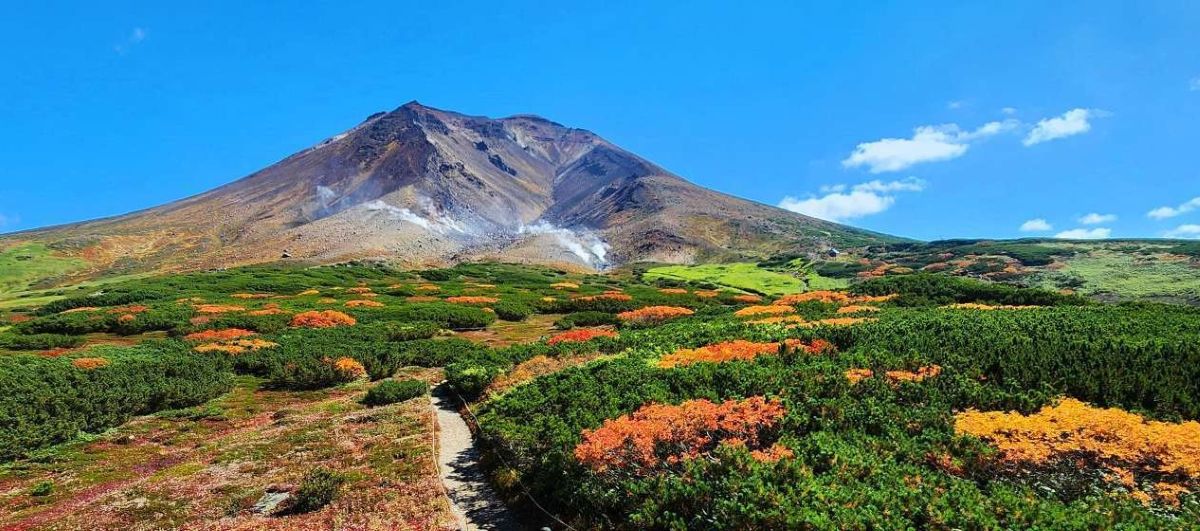
Image Credit japan-guide
There is a major difference in the type of travel experiences that bring satisfaction to travelers these days. It used to be that travelers returned home with their pictures taken with famous landmarks. Now travelers want experiences that positively challenge them as people. Unfortunately, the travel and tour industry does not always recognize these distinctions. Most travel and tour operators assume that a travel experience that is pleasing to an individual customer is likewise pleasing to others and therefore markets and sells it as such. This is not the same when talking about travel to and within Japan.
The travel industry has to take special care to understand travelers’ preferences because of differences in age, job, and religion. Japan travel and tour companies try their best to offer experiences customers are interested in. They also understand that some of the experiences that customers are interested in may put customers in potentially dangerous situations. Most of the experiences in Japan have the potential to impact customers positively.
How the Shift Towards Hyper-Customized Regional Travel Products Redefines Global Visitor Expectations and Experience Design
Advertisement
Advertisement
The ongoing transformation within the global travel market has altered the fundamental expectations of modern vacationers worldwide. Rather than accepting standardized excursion blueprints, international visitors now expect every phase of their itinerary to align seamlessly with their personal lifestyle habits, cultural requirements, and physical comfort. For instance, traveling cohorts originating from various global regions display remarkably distinct priorities when navigating foreign landscapes. Families traveling with young children require an entirely different daily operational pace compared to corporate incentive groups or senior citizens seeking leisure. This reality forces global trip designers to re-examine how they structure daily schedules, hotel selections, and recreational activities.
Beyond simple scheduling adjustments, the demand for tailored experiences heavily influences how destination services are structured on the ground. Modern international travelers pay close attention to details such as language-specific guide services, accessible public infrastructure, and tailored hospitality environments. When global travel providers fail to account for these distinct variables, the quality of the visitor experience drops dramatically. Conversely, when foreign itineraries are crafted with meticulous attention to demographic specificities, overall customer satisfaction metrics surge. This shift ultimately elevates the reputation of the destination while encouraging repeat visits and longer stays among diverse global travel segments.
Advertisement
Advertisement
Evaluating the Critical Operational Elements of Culturally Responsive and Demographically Tailored Ground Logistics
Executing a successful customized itinerary requires deep operational flexibility and acute awareness of localized logistical details across various traveler profiles. A primary example of this necessity lies in dietary management, where strict adherence to specific culinary guidelines can make or break a traveler’s journey. Providing certified Muslim-friendly food options or crafting specialized vegetarian culinary itineraries is no longer a luxury feature, but an essential baseline requirement for accommodating global visitor groups. Without careful ground planning regarding meal arrangements, travel providers risk alienating major consumer markets that prioritize strict adherence to dietary traditions.
Unlocking Strategic Value Beyond the Traditional Golden Route Circuit Across Major Metropolitan Destinations
For decades, the classic travel corridor known as the Golden Route connecting the vibrant metropolis of Tokyo, the majestic peak of Mt. Fuji, the ancient cultural epicenter of Kyoto, and the bustling culinary hub of Osaka has represented the definitive blueprint for first-time visitors. While these iconic locations continue to draw vast numbers of global sightseers, relying solely on this classic circuit limits the broader potential of international tourism. Modern travelers are increasingly eager to venture beyond high-density urban corridors into lesser-known regions, seeking authentic regional traditions, tranquil landscapes, and uncrowded historical sites.
To meet this evolving demand, forward-thinking travel designers are actively expanding their product portfolios to incorporate regional destinations alongside traditional urban highlights. Integrating lesser-visited provinces allows travel planners to offer fresh, intriguing content that appeals to repeat visitors and seasoned global wanderers. Furthermore, dispersing tourist traffic away from major metropolitan hubs mitigates urban overcrowding while injecting vital financial resources into regional economies. This dual benefit underscores why expanding itineraries beyond established metropolitan routes is essential for the long-term sustainability of the entire international travel industry.
The Imperative Role of Local Destination Management Companies in Ground Operations and Strategic Execution
Advertisement
Advertisement
The successful delivery of complex, customized itineraries relies almost entirely on robust, localized operational support situated directly within the destination country. Local destination management companies provide the indispensable infrastructure needed to execute specialized travel plans seamlessly, resolve unexpected on-ground challenges, and maintain high service quality. Foreign travel coordinators, despite their marketing expertise, simply cannot replicate the deep local knowledge, real-time problem-solving capabilities, and established vendor relationships that local ground operators possess.
From securing hard-to-get attraction tickets and booking appropriate dining venues to arranging language-proficient guides and managing private fleet logistics, on-site operators handle the foundational mechanics of every trip. This collaborative operational framework bridges the gap between foreign market expectations and local reality. By entrusting ground execution to specialized local operators, international agencies can confidently offer intricate, tailored itineraries knowing that every detail will be executed with precision, reliability, and professional care on the ground.
Strategic Outlook on Market Diversification and the Long-Term Future of Sustainable Global Tourism Transformation
Looking ahead toward the future of international tourism, industry analysts universally agree that sustainable growth will no longer be measured merely by rising visitor headcount. Instead, the future viability of the global travel sector depends on comprehensive market diversification and the development of specialized, high-value travel products. By shifting the industry focus from volume-driven metrics to quality-driven, demographically targeted offerings, destination markets can build far more resilient, ecologically balanced, and economically beneficial tourism ecosystems.
Ultimately, this ongoing paradigm shift transforms how nations engage with the global traveling public. Embracing demographic segmentation fosters genuine cultural exchange, ensures higher visitor satisfaction, and protects local infrastructure from the strains of concentrated overtourism. As travel providers refine their product strategies to meet the nuanced needs of world travelers, the entire global tourism landscape becomes more dynamic, inclusive, and financially sustainable for decades to come.
Financial Performance and Per-Visitor Spending Milestones in Premium Travel
Advertisement
Advertisement
The shift toward tailored, high-end travel packages has reshaped tourism economics across major destination hubs. Rather than relying on high-volume, low-margin bus tours, focus has shifted toward maximizing per-visitor yield. National development blueprints set target inbound tourism expenditures between ¥5 trillion and ¥8 trillion ($35 billion to $53 billion) per year. Daily individual expenditure figures frequently top ¥200,000 ($1,350) for long-haul visitors, driven primarily by luxury lodging, high-end dining, and private transit arrangements.
These spending metrics reflect a structural move toward premium travel experiences. Destination operators are seeing substantial yield growth by catering to boutique group requirements rather than mass tours. This model distributes high-value capital into specialized local businesses, fine dining establishments, and heritage craft workshops. The concentration of high-yield spending is particularly prominent in major commercial and luxury districts like Ginza (Tokyo), where premium retail sales and Michelin-starred dining generate a significant share of visitor revenues, Minato-ku (Tokyo), where international luxury hotel chains capture substantial per-diem accommodations revenue, and Gion (Kyoto), where exclusive ryokan bookings and private cultural access drive elevated per-visitor receipts.
Regional Dispersal Strategies and Economic Revitalization Across Secondary Destinations
Geographic concentration remains a key challenge for tourism planners. Over 65% of international visitor overnight stays remain concentrated in the primary metropolitan hubs of Tokyo, Kyoto, and Osaka. Consequently, regional prefectures capture under 15% of total international inbound revenue, creating a sharp economic disparity between primary transit corridors and rural districts. Strategic itinerary design helps redirect international tourist traffic into regional economies. Custom operators actively build multi-day extensions that pull travelers off crowded routes and into rural artisanal hubs, hot spring communities, and coastal regions.
Promoting secondary and tertiary regions helps balance local economic growth while preserving cultural heritage across diverse landscapes. In Hokkaido, adventure travel, ski tourism, and agricultural culinary tours capture long-stay winter spending. Meanwhile, Kanazawa (Ishikawa) attracts high-value cultural travelers through traditional craft workshops and preserved Edo-period neighborhoods, and Takayama (Gifu) pulls visitors into central mountain regions with historic timber architecture and alpine hiking itineraries. Furthermore, the Setouchi Region distributes economic benefits across maritime communities through art festivals, island cycling routes, and coastal cruises, while Nagasaki draws international travelers to western Kyushu by highlighting its historic trading heritage and scenic harbors.
Operational Scaling for Specialized Gastronomic and Halal-Certified Operations
Advertisement
Advertisement
Accommodating diverse culinary and religious requirements has become essential for capturing fast-growing traveler segments worldwide. Predictions show a 35% year-on-year increase in Muslim travelers arriving from Southeast Asia and the Middle East. Over 2,000 dining venues nationwide now offer certified halal or Muslim-friendly menus to meet this demand. Scaling these services requires dedicated infrastructure investments across the entire supply chain. Ground handlers work closely with certified central kitchens, hotel catering departments, and transit hubs to guarantee strict adherence to dietary standards without sacrificing local culinary authenticity.
Infrastructure enhancements supporting inclusive travel are being deployed across major entry gateways and culinary destinations. At Narita International Airport (Chiba), dedicated multi-faith prayer rooms and certified halal transit dining facilities cater to long-haul transfers, while Kansai International Airport (Osaka) offers expanded prayer amenities and halal-certified grab-and-go food outlets for incoming regional arrivals. In urban dining centers, Kobe provides renowned halal-certified Wagyu beef dining experiences tailored specifically to high-spending luxury travelers, and Fukuoka acts as a strategic gateway integrating certified dining options into multi-day itineraries for incoming tour groups.
Ground Transport Dynamics: Private Fleet Logistics Versus High-Speed Rail Integration
Traveler logistics require careful alignment between private transit arrangements and national rail networks. Demand for luxury private coaches, Mercedes-Benz Sprinter vans, and chauffeured cars has risen by 40%, particularly among multi-generational families and corporate groups. Conversely, price adjustments on the Japan Rail Pass—which saw rate increases up to 65%—have shifted transit decisions for independent travelers. Tour operators manage these contrasting transit needs by structuring multi-modal itineraries where private fleets handle heavy luggage transfers, door-to-door mountain connections, and mobility-assisted travel, while bullet train networks serve long-distance transit between primary regional hubs.
Key transit nodes and regional routes require distinct operational strategies to keep travelers moving efficiently. Tokyo Station functions as a central rail hub connecting high-speed bullet train corridors with private chauffeured transfers, while Shin-Osaka Station serves as a critical transfer point linking West Japan rail lines with chartered coach fleets for regional group travel. In scenic mountain areas like Hakone (Kanagawa), private vehicle transfers are essential to bypass multi-stage public ropeway queues, whereas winter ski transfers in Nagano rely on dedicated point-to-point shuttle fleets to accommodate travelers carrying heavy sporting equipment.
Source-Market Behavioral Analytics: Evaluating Length of Stay and Repeat Visitor Dynamics
Advertisement
Advertisement
Inbound market planning relies heavily on behavioral distinctions between long-haul and short-haul visitor demographics. Long-haul travelers from North America and Europe average stays of 12 to 14 days, prioritizing deep cultural immersion and regional travel. Short-haul travelers from regional East Asian markets average stays of 4 to 7 days, focusing on specific seasonal activities, dining, and shopping. Repeat visitor rates exceed 60% across mature East Asian origin markets like South Korea, Taiwan, and Hong Kong, requiring travel operators to continuously develop fresh regional products that look beyond standard sightseeing routes.
Demographic preferences dictate distinct destination choices and tour structures across various prefectures. In Sapporo (Hokkaido), seasonal snow festivals and culinary tours attract high volumes of repeat visitors from short-haul markets. In contrast, Okinawa draws long-stay leisure travelers seeking tropical climates through its beach resorts and distinct island heritage. Furthermore, the proximity of Fukuoka to mainland Asia makes it a top choice for short-stay culinary and shopping excursions, while the historical importance of Hiroshima draws high volumes of long-haul cultural travelers interested in peace heritage sites and coastal shrines.
Overtourism Mitigation and Preservation Protocols in High-Density Heritage Zones
Managing high visitor density is critical for maintaining site integrity and quality of life for local residents. Major landmarks have introduced tourist caps, advance reservation requirements, and daily entry fees—such as the ¥2,000 climbing fee on Mt. Fuji. Municipalities are also installing real-time congestion-monitoring sensor networks and exploring target congestion-pricing initiatives. Ground operators help mitigate overtourism through strategic itinerary management by scheduling visits during off-peak morning or evening hours and directing groups toward alternative cultural sites to distribute site pressure evenly across local communities.
Targeted management approaches protect fragile cultural and natural environments while maintaining premium visitor experiences. On Mt. Fuji (Yamanashi/Shizuoka), daily trail quotas and mandatory registration fees control overcrowding along climbing routes. In Arashiyama (Kyoto), real-time crowd monitoring and early-morning tour routing reduce foot traffic congestion in famous bamboo groves. Similarly, managed visitor routes in Nara Park (Nara) distribute tour groups across expansive parklands to prevent crowd clustering, while Shirakawa-go (Gifu) utilizes advance parking reservations and bus caps to strictly control visitor flows into the historic thatched-roof village.
Corporate Incentive Logistics and High-Yield MICE Infrastructure Development
Advertisement
Advertisement
Meetings, Incentives, Conferences, and Exhibitions (MICE) represent a high-yield segment of the travel market. Corporate delegates spend 3x to 5x more per capita than standard leisure travelers. Corporate group sizes typically range from 50 to over 500 delegates, requiring synchronized venue logistics and specialized service delivery. Delivering successful MICE operations requires coordination across luxury accommodations, technical event venues, custom banquet catering, and private team-building excursions, with local operators managing these complex logistics to deliver seamless international corporate events.
Key MICE convention hubs support large-scale international gatherings across major urban centers. The waterfront PACIFICO Yokohama (Kanagawa) complex frequently hosts international corporate summits and trade exhibitions, while the Tokyo International Forum serves as a premier architectural venue for large-scale corporate conferences in central Tokyo. In western region hubs, the Kyoto International Conference Center provides a dedicated conference facility set in northern Kyoto that is ideal for global diplomatic gatherings, while Nagoya leverages its industrial center status to offer specialized MICE facilities for global corporate and manufacturing summits.
Senior Travel Dynamics: Mobility Infrastructure and Accessible Tourism Logistics
An aging global population has increased demand for accessible, mobility-friendly travel options. Senior travelers and multi-generational families account for over 25% of premium long-haul tour bookings. Correspondingly, demand for wheelchair-accessible transit, step-free hotel rooms, and barrier-free ryokan accommodations has increased by 50%. Accessible travel operations require detailed site inspections and modified daily schedules, with operators coordinating step-free transit routes, reserving ground-floor accommodations with accessible bathing facilities, and adjusting daily pacing to ensure comfortable, low-stress travel for senior guests.
Specialized ground support enables seamless accessible travel across coastal and historical destinations. In Atami (Shizuoka), senior guests benefit from accessible ryokan accommodations and gentle seaside promenades in a coastal hot spring setting. The premier thermal district of Beppu (Oita) features accessible bath facilities specifically designed for mobility-assisted travelers. In cultural destinations, the historic shrine complex in Nikko (Tochigi) provides ramp access and specialized transport options for senior tour groups, while Miyajima (Hiroshima) offers accessible ferry transit and barrier-free pathways allowing easy access to its famous island shrine.
The Final Verdict
People tend to think that the goal of travel is to take pictures in front of the world’s most spectacular locations. Or to share pictures with captions showing that they’ve “made it” to a new location. While taking those pictures can be fun and giving people a glimpse of your adventure can be rewarding, travel should be more encompassing than that. There are many reasons that a person can decide to travel. A long time ago someone told me that travel is having the ability to sit down and have a meal in a place thousands of miles from home and still feel comfortable. That’s always stuck with me. Travel is reminiscing on the feelings you get when you are the most removed from home. I feel the most passionate about sharing my insights on travel with Japan, as that is a place I frequent often. Travel with me and redefine Japan for yourself. Travel to Japan should not be to feel like you “conquered” the country. A person-to-person approach should be Travel’s approach when wishing to engage the people of Japan.
Advertisement
