
Thailand Follows Indonesia and Other Countries Across Southeast Asia in Cracking Down on Zero-Dollar Tours to Protect Tourists and Local Tourism Revenue in 2026

Published
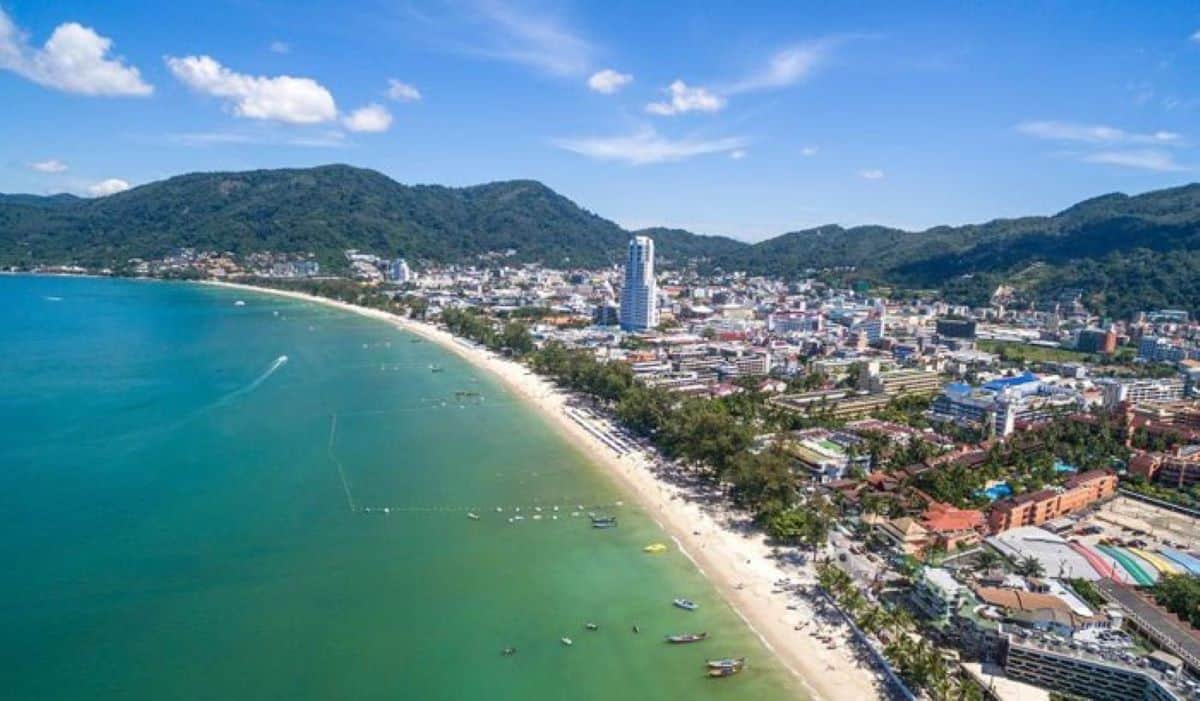
Thailand follows Indonesia and other countries across Southeast Asia in cracking down on zero-dollar tours in 2026 to protect tourists and safeguard local tourism revenue. Authorities are intensifying investigations into deceptive low-cost holiday packages, compulsory shopping, unlicensed travel operators and illegal foreign-controlled businesses that undermine fair competition. By strengthening tourism regulations and business licensing, these destinations aim to prevent hidden charges, protect international visitors from exploitative practices and ensure that more tourism spending benefits legitimate local hotels, restaurants, guides and travel businesses.
These operations typically advertise heavily discounted package holidays. Travellers may receive inexpensive flights, hotels, transport and sightseeing, but operators attempt to recover their costs through commissions from selected shops, restaurants and other businesses. In more abusive arrangements, tourists face pressure to purchase expensive products, while local businesses outside the tour network receive little benefit.
Advertisement
Advertisement
The problem is not simply that holidays are cheap. Legitimate discounted tours are an established part of international tourism. Authorities are primarily concerned about deceptive pricing, forced shopping, unlicensed operators, illegal nominee ownership structures and financial arrangements that may breach local laws.
For travellers from China, India, Russia and other international source markets, stronger enforcement could mean greater scrutiny of package-tour operators, more transparent itineraries and fewer compulsory shopping stops. For destinations, the challenge is to eliminate abusive practices without making legitimate tourism unnecessarily expensive or difficult.
Advertisement
Advertisement
Thailand Targets Illegal Nominee Tour Businesses as Bangkok, Phuket and Pattaya Face Stronger Tourism Enforcement
Thailand is intensifying its campaign against illegal tourism operators that use deceptively cheap packages, compulsory shopping and nominee business structures to capture visitor spending. The crackdown is particularly important for destinations such as Bangkok, Phuket, Pattaya, Koh Samui and Krabi, where international tourism supports thousands of hotels, transport providers, guides and local retailers.
In May 2026, Thailand’s Department of Special Investigation and Department of Business Development announced joint investigations into suspected foreign-controlled businesses using Thai nominees. Authorities initially examined 11,426 companies in Koh Samui and Koh Phangan to identify potentially unlawful ownership arrangements. By July, inspections across five tourism provinces had flagged 33 businesses, with four licences revoked.
Advertisement
Advertisement
The economic concern is that some tour networks may direct visitors towards affiliated businesses while excluding independent Thai operators. This can reduce the benefits reaching legitimate local enterprises and create unfair competition.
However, foreign ownership violations and zero-dollar tour practices are distinct offences. Not every nominee investigation involves forced shopping.
For visitors from China, India, Russia and other countries, stronger enforcement could mean closer scrutiny of tour companies, buses, guides and commercial partnerships. Legitimate operators may benefit from fairer competition, while travellers could see fewer compulsory shopping stops and clearer information about the true cost of their holidays.
Thailand’s Tourism Crackdown and Expected Travel Changes
| Enforcement Focus | Confirmed Action or Concern | Potential Impact on International Travellers |
|---|---|---|
| Illegal nominee ownership | Investigations into suspected foreign-controlled companies using Thai nominees | More scrutiny of tour operators and related businesses |
| Tour company licensing | Inspections and licence revocations | Greater importance of booking through licensed operators |
| Compulsory shopping | Long-standing concern involving commission-based tours | Fewer undisclosed shopping stops if enforcement succeeds |
| Tourism revenue leakage | Suspected unfair competition and unlawful commercial structures | More opportunities for legitimate Thai businesses |
| Major tourism destinations | Investigations beginning in Koh Samui and Koh Phangan, with wider expansion planned | Increased inspections in popular resort areas |
Indonesia Tightens Bali Tourism Rules to Stop Revenue Leakage and Protect Local Businesses
Indonesia’s response to zero-dollar tourism reflects a wider debate over who benefits from Bali’s international visitor economy. The island previously faced complaints about low-cost package tours that directed overseas travellers towards selected shops, sometimes using payment arrangements that reduced spending captured by local businesses.
In 2025, Bali Governor I Wayan Koster established a special task force to investigate illegal foreign-operated businesses and audit tourism licences. Authorities identified more than 400 car-rental and tour-business licences associated with foreign nationals in Badung Regency, some reportedly lacking physical offices.
During 2026, Bali expanded scrutiny of foreign-owned small businesses, accommodation licensing and tax compliance. These measures are broader than zero-dollar tour enforcement, but they address related concerns about unfair competition and economic leakage.
Advertisement
Advertisement
For visitors from China, Australia, India, South Korea and other markets, the likely effect is greater emphasis on booking legitimate tour companies, registered accommodation and authorised transport providers.
Bali’s tourism economy could benefit if more visitor spending reaches licensed Indonesian businesses, although stronger regulation may also increase compliance costs for operators.
Authorities have not announced a blanket prohibition on inexpensive package holidays. The distinction is between legitimate discounts and commercial arrangements that conceal ownership, evade legal requirements or mislead tourists.
Indonesia’s Bali Tourism Enforcement and Expected Changes
| Enforcement Area | Regulatory Development | Possible Effect on Travellers |
|---|---|---|
| Foreign-operated businesses | Audits of business licences and ownership arrangements | More verification of tour providers |
| Travel agencies | Stronger oversight of registration and operating permits | Reduced exposure to unlicensed operators |
| Accommodation | Action against unregistered villas and other properties | Greater importance of verified accommodation |
| Tourism payments | Emphasis on lawful local transactions and tax compliance | More transparent payment arrangements |
| Local business protection | Restrictions on certain foreign-owned small business activities | Potentially greater participation by local providers |
China Targets Forced Shopping and Misleading Cheap Tours as Overseas Travellers Receive Stronger Protection
China is addressing zero-dollar tourism from the source-market side, targeting travel agencies and intermediaries that advertise unusually cheap holidays before recovering costs through compulsory shopping or undisclosed payments.
The Ministry of Culture and Tourism has intensified enforcement against unreasonable low-price tours, unlicensed operators and guides who pressure tourists into purchases.
In 2025, the government launched a year-long campaign against forced shopping and publicised offending businesses. Enforcement continued during 2026, with regulators releasing repeated batches of cases involving deceptive advertising, unauthorised shopping stops and illegal travel operations.
Advertisement
Advertisement
In September, the ministry published another group of cases, including a tour sold below its operating cost and financed partly through shopping commissions.
One particularly revealing case involved an outbound tour to Vietnam in which travellers were threatened with the loss of accommodation and return flights after failing to meet shopping expectations. Chinese authorities imposed penalties on the organiser.
Such cases demonstrate why the issue matters beyond domestic tourism. Chinese travellers booking holidays to Thailand, Indonesia, Laos and other destinations may benefit from stronger scrutiny of the agencies selling their trips.
More transparent contracts and reduced pressure to shop could improve the travel experience, although legitimate packages may cost more when hidden retail subsidies are removed.
China’s Enforcement Measures and International Travel Implications
| Enforcement Area | Confirmed Regulatory Approach | Expected Travel Impact |
|---|---|---|
| Below-cost packages | Penalties for deceptive low-price tourism operations | Clearer upfront package pricing |
| Forced shopping | Investigations and administrative sanctions | Greater freedom to decline purchases |
| Unlicensed agencies | Enforcement against unauthorised tour organisers | More emphasis on licensed travel agencies |
| Online advertising | Scrutiny of misleading digital travel promotions | Improved accountability for advertised offers |
| Outbound tours | Cases involving overseas shopping pressure and hidden charges | Stronger protection for Chinese travellers abroad |
Laos Moves Against Zero-Dollar Tours as Authorities Inspect Souvenir Shops and Strengthen Tourism Licensing
Laos is combining tourism consumer protection with stronger business oversight as it seeks to retain more of the economic benefits generated by international visitors.
Government reporting in July 2026 confirmed that authorities had worked with representatives of the Chinese Embassy to address zero-dollar tour practices. Inspections were conducted at five souvenir shops accused of pressuring tourists to purchase overpriced or poor-quality products.
Advertisement
Advertisement
The campaign comes during a period of substantial tourism activity. Laos welcomed more than 2.1 million international visitors during the first five months of 2026, an increase of 8% year on year, while reported tourism revenue exceeded US$960 million.
These figures underline the economic importance of ensuring that visitor spending supports legitimate businesses.
Laos also outlined changes to tourism licensing responsibilities in October 2026. The Ministry of Culture and Tourism retained oversight of foreign-invested and international tour operations, while provincial and district authorities received defined responsibilities for other tourism businesses.
The changes are intended to improve monitoring and enforcement.
For visitors from China, Thailand, Vietnam and other markets, stronger oversight could lead to more reliable tour services, better shopping transparency and greater accountability among guides and operators.
However, claims that the campaign specifically involves nationwide wildlife-related prosecutions require separate verification. The available reporting primarily establishes licensing reforms and action against coercive souvenir sales.
Advertisement
Advertisement
Laos Tourism Enforcement and Expected Visitor Changes
| Enforcement Area | Confirmed Development | Possible Impact on International Travellers |
|---|---|---|
| Zero-dollar tours | Cooperation with Chinese representatives | Closer scrutiny of low-cost package operations |
| Souvenir shopping | Five shops inspected over alleged abusive sales | Better protection against pressured purchases |
| International operators | Central ministry retains licensing oversight | Greater accountability for cross-border tour businesses |
| Provincial businesses | More clearly defined local licensing responsibilities | Stronger local inspection and compliance |
| Tourism revenue | Focus on legitimate economic participation | More opportunities for local shops and service providers |
How Zero-Dollar Tours Work and Why Asian Governments Are Taking Action
The zero-dollar tour model depends on a commercial imbalance. A holiday package may be sold for less than the actual cost of transport, accommodation, meals and guiding services. The operator then seeks to recover the shortfall through commissions, compulsory shopping or additional payments.
In a legitimate tourism business, the advertised price and contract should explain what travellers are buying. Shopping visits may be included where permitted and properly disclosed, but customers should not be deceived or coerced.
The abusive version of the model can produce several problems simultaneously. Tourists may lose control over their itineraries, local businesses may be excluded from visitor spending, and dishonest operators may gain an unfair advantage over competitors.
How an Abusive Zero-Dollar Tour Operates
| Stage | Business Practice | Risk to Tourists and Local Businesses |
|---|---|---|
| 1. Extremely cheap holiday advertised | A package is sold below its actual operating cost | Travellers may not understand the true holiday cost |
| 2. Controlled itinerary | Transport, shops and dining stops are selected by the operator | Visitors have limited freedom to choose local businesses |
| 3. Shopping pressure | Commissions and undisclosed purchases recover the subsidy | Travellers may face inflated prices or compulsory purchases |
| 4. Concentrated tourism spending | Revenue is directed towards connected businesses | Independent local operators may receive fewer benefits |
| 5. Potential legal violations | Unlicensed operations, nominee ownership or undeclared income | Unfair competition and possible losses in tax revenue |
Not every foreign-owned tourism business is illegal, and not every digital payment represents revenue leakage or tax evasion.
The legal issue depends on business ownership, licensing, accounting, tax compliance, consumer protection and the conduct of the tour operator.
Thailand, Indonesia, China and Laos Tourism Crackdown Comparison in 2026
| Country | Main Enforcement Priority | Reported 2025–2026 Development | Expected Industry Effect |
|---|---|---|---|
| Thailand | Nominee ownership, licensing and abusive tour networks | Investigation of 11,426 companies in two island destinations; additional firms flagged elsewhere | Fairer competition and stronger tour-operator scrutiny |
| Indonesia | Illegal foreign-operated businesses and tourism revenue leakage | Bali business-licence audits and tighter oversight of tourism enterprises | Greater compliance and local business participation |
| China | Forced shopping, deceptive low-price tours and unlicensed agencies | Repeated enforcement cases and administrative penalties during 2026 | More transparent package sales and traveller protection |
| Laos | Coercive shopping and international tour licensing | Five souvenir shops inspected; licensing responsibilities clarified | Stronger oversight and more accountable tour services |
What Travellers From China, India, Russia and Other Countries Could Experience
The enforcement campaigns could change the way international visitors book and experience package holidays across Asia. The most immediate effect may be on operators whose business models depend on undisclosed commissions or questionable legal arrangements rather than on ordinary tourists.
Advertisement
Advertisement
- More transparent holiday prices: Travellers may encounter packages with fewer hidden charges and clearer shopping conditions. Some upfront prices could rise if operators can no longer subsidise tours through compulsory purchases.
- Greater scrutiny of travel agencies: Licensed tour companies and authorised guides may become more important when selecting a package.
- Fewer compulsory retail stops: Stronger enforcement could give travellers greater freedom to choose where they shop, eat and spend their time.
- More opportunities for local businesses: Independent restaurants, shops, guides and transport operators could benefit if visitor spending becomes less concentrated within closed networks.
- Better complaint mechanisms: Travellers may have stronger grounds to challenge misleading itineraries, forced shopping and services that differ from their contracts.
These are potential outcomes rather than universal new requirements. The four countries have different laws, enforcement priorities and tourism business structures.
No common regional ban on all low-cost package tours has been established.
Could Stronger Enforcement Make Asian Holidays More Expensive?
One possible consequence of the crackdown is a change in how some package holidays are priced.
A tour that appears exceptionally cheap may depend on commissions or other revenue that is not clearly disclosed to travellers. Removing these arrangements can require operators to charge a price that more accurately reflects transport, accommodation, meals, guiding and other services.
That does not mean every holiday will become more expensive. Airlines, hotels and legitimate tour operators can still offer promotional discounts, group rates and seasonal deals.
The more important change is likely to be the relationship between advertised prices and the actual cost of a holiday.
Advertisement
Advertisement
For consumers, a package with a slightly higher upfront price but fewer unexpected purchases may offer better overall value. For local tourism businesses, more transparent pricing could reduce the competitive advantage enjoyed by operators using deceptive sales practices.
Why Tourism Revenue Leakage Is Becoming a Major Policy Concern in Asia
The wider economic issue is not simply how many tourists visit a destination, but how much of their spending benefits the host economy.
Tourism revenue supports employment, tax receipts, accommodation businesses, restaurants, transport providers and local suppliers. When visitors are directed towards a small network of connected businesses, independent enterprises may struggle to participate.
Some financial flows may also occur outside the destination through overseas booking platforms, international payment providers or foreign suppliers. Such transactions are not automatically illegal.
However, authorities have legitimate reasons to investigate arrangements involving unlicensed businesses, undeclared revenue or tax evasion.
For Thailand, Indonesia and Laos, stronger oversight offers an opportunity to improve the distribution of tourism benefits. China, meanwhile, can influence the overseas market by regulating the agencies that sell international packages to its residents.
Advertisement
Advertisement
The combination of source-market and destination-market enforcement may be more effective than isolated action because abusive tours can involve businesses operating across several countries.
Asian Tourism Outlook as Governments Push for Fairer and More Transparent Travel
Thailand, Indonesia, China and Laos are addressing different parts of a wider tourism industry problem: the gap between rising visitor activity and the economic benefits received by travellers, local businesses and destinations.
Thailand is targeting suspected nominee companies and unlawful tourism operations. Indonesia is strengthening business licensing and oversight in Bali. China is penalising deceptive low-price tours and forced shopping, while Laos is investigating abusive retail practices and clarifying licensing responsibilities.
These developments could encourage a gradual shift towards better-regulated travel products, clearer contracts and stronger consumer protection.
The challenge will be to maintain competitive tourism prices without allowing misleading advertising, forced purchases or unlawful commercial arrangements to undermine the industry.
For international travellers, the practical message is straightforward: an inexpensive holiday is not necessarily a problem, but a package that hides costs, restricts choices or pressures visitors into purchases deserves scrutiny.
Advertisement
Advertisement
For Asian tourism destinations, the larger objective is to ensure that visitor growth creates genuine economic value, supports legitimate businesses and builds confidence in the travel experience.
Thailand follows Indonesia and other countries across Southeast Asia in cracking down on zero-dollar tours to protect tourists and local tourism revenue in 2026, targeting forced shopping, hidden charges and illegal operators.
In conclusion, Thailand follows Indonesia and other countries across Southeast Asia in cracking down on zero-dollar tours to protect tourists and safeguard local tourism revenue in 2026. The growing enforcement campaign reflects concerns over deceptive low-cost holiday packages, compulsory shopping, hidden charges, unlicensed travel agencies and illegal foreign-controlled tourism businesses. Thailand’s investigations into nominee ownership structures, Indonesia’s stricter business licensing measures and Laos’ action against coercive souvenir sales demonstrate a regional commitment to fairer tourism practices. China is also strengthening consumer protection by penalising misleading package deals and forced shopping arrangements. These measures aim to ensure that international visitors enjoy transparent pricing, greater freedom of choice and safer travel experiences while more tourism spending benefits legitimate local hotels, restaurants, guides and transport providers. As Southeast Asian destinations strengthen tourism regulations, eliminating exploitative practices without restricting genuine affordable holidays will be essential to building traveller confidence, protecting local businesses and supporting sustainable tourism growth.
Advertisement
