
US Tourists Ditch Hot Spots for Sweden as Stockholm Flight Searches Explode 99 Percent in Mass Travel Shift

Published
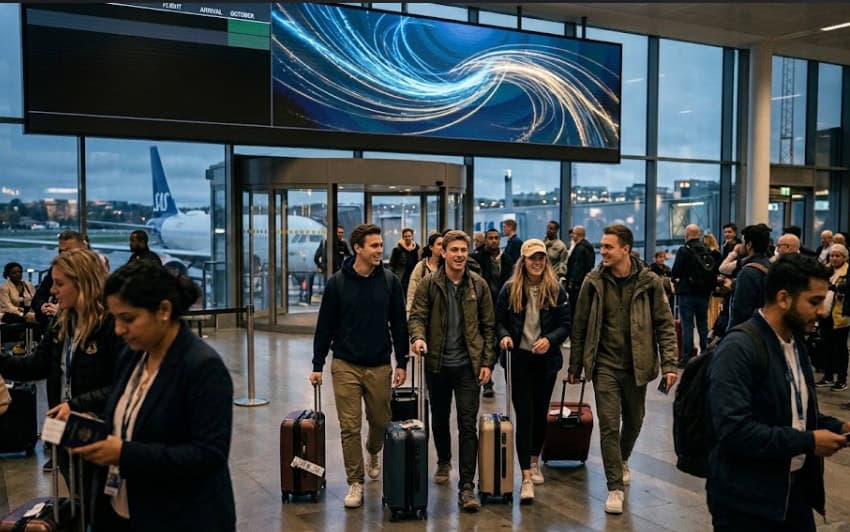
American travel to Sweden is experiencing unprecedented growth, driven by shifting international travel preferences. Flight search interest from the United States to Stockholm has escalated by 99 per cent, marking a fundamental transformation in how Transatlantic visitors experience Scandinavia. Rather than limiting visits to traditional midsummer months, international travelers are flocking to Swedish destinations year-round, capitalizing on off-peak seasons, serene archipelago landscapes, and cooler northern climates. Understanding US tourist growth in Sweden provides critical insights into global aviation realignments, regional economic expansion, evolving hospitality demands, and sustainable tourism developments across Northern Europe.
Background and Macroeconomic Context
Sweden’s cultural footprint has historically maintained a global reach well beyond its physical borders. From architectural functionalism and sustainable urban planning to iconic musical exports and culinary traditions, Swedish culture enjoys widespread international exposure. However, historical travel data from Tillväxtverket (the Swedish Agency for Economic and Regional Growth) and Statistics Sweden (Statistiska centralbyrån – SCB) indicated that American leisure travel to Scandinavia was historically concentrated in a brief summer window spanning late June through August.
Advertisement
Advertisement
┌────────────────────────────────────────────────────────────────────────┐
│             US COMMERCIAL GUEST NIGHTS IN SWEDEN TREND                 │
├────────────────────────────────────────────────────────────────────────┤
│ 2019 baseline        ██████████████ 1.08 Million                        │
│ 2025 total           ██████████████████████ 1.71 Million (+58% vs 2019)  │
│ 2026 Summer (Jun-Aug)██████████ 743,000+ (+10.5% YoY)                  │
└────────────────────────────────────────────────────────────────────────┘
This structural seasonality began shifting following the global pandemic recovery. According to official data collated by Visit Sweden (the official national tourism board operating under the Ministry of Climate and Enterprise), transatlantic visitor metrics began expanding across all four calendar quarters. Commercial guest night figures highlight a permanent expansion in market share, elevated transatlantic direct flight capacity, and a notable reorientation in North American consumer behavior towards Scandinavian destination choices.
Latest Official Developments and Key Figures
Official statistical updates published by Tillväxtverket document remarkable growth metrics for international visitation. In full-year 2025 figures released by the Swedish national tourist authority, North American travelers registered 1.71 million commercial guest nights across Sweden. This metric represents an 11 per cent annual increase compared to previous annual totals and a staggering 58 per cent surge when compared to pre-pandemic baselines established in 2019. Over a broader ten-year statistical horizon monitored by national authorities, overall US guest nights in Sweden recorded an absolute increase exceeding 212 per cent.
Advertisement
Advertisement
Data tracking through mid-2026 confirms that this upward trajectory continues unabated. During the June-to-August summer period of 2026, American travelers generated over 743,000 commercial guest nights, reflecting a 10.5 per cent year-over-year increase relative to the equivalent period in 2025. Data from Skyscanner’s international transit analytics highlighted that U.S. origin searches for flights arriving at Stockholm Arlanda Airport jumped 99 per cent, positioning Stockholm sixth overall globally among destinations experiencing the fastest growth in American traveler search queries.
┌────────────────────────────────────────────────────────────────────────┐
│                   DISTRIBUTION OF US GUEST NIGHTS                      │
├────────────────────────────────────────────────────────────────────────┤
│ Greater Stockholm Metropolitan Area     ████████████████████ 53%       │
│ Regional / Rural Destinations (Skåne, West) ██████████ 27%             │
│ Secondary Urban & Northern Regions (Lapland)███████ 20%                │
└────────────────────────────────────────────────────────────────────────┘
Shift Towards Off-Peak “Coolcations”
One of the most consequential findings within official Swedish tourism reports is the structural decentralization of travel timing. Approximately 60 per cent of all U.S. commercial guest nights in Sweden throughout 2025 were logged outside the traditional summer period of June, July, and August.
Advertisement
Advertisement
- Off-Peak Growth Dynamics: Off-season guest nights logged by American citizens expanded by 65 per cent compared to 2019 baselines, outstripping the 49 per cent growth observed during peak summer months.
- Seasonal Diversification: Spring city breaks in Gothenburg and Stockholm, autumnal wilderness itineraries in Värmland, and winter aurora excursions across Arctic Lapland are smoothing out seasonal economic distribution.
- Climate Preferences: International travel research conducted in coordination with the European Travel Commission (ETC) indicates that recurring summer heatwaves across Mediterranean Europe are encouraging high-income North American visitors to select northern European destinations—a trend designated by destination marketers as “coolcations”.
+--------------------------+------------------------+--------------------------+
| Travel Season            | Growth Metric (vs 2019)| Primary Regional Draw    |
+--------------------------+------------------------+--------------------------+
| Summer (Jun-Aug)         | +49%                   | Stockholm Archipelago    |
| Off-Peak (Sep-May)       | +65%                   | Skåne, West Sweden, North|
| July Peak 2026 (Single Mo)| +18.1% (YoY U.S. subset)| National Hotels & Coast  |
+--------------------------+------------------------+--------------------------+
Regional Distribution Beyond Metropolitan Centers
While Stockholm remains the primary international gateway—accounting for slightly more than half of all U.S. overnight accommodations—official destination monitoring highlights accelerating growth in regional counties.
         ┌──────────────────────────────────────────────────────┐
         │     GEOGRAPHIC EXPANSION OF US VISITATION IN SWEDEN  │
         └──────────────────────────┬───────────────────────────┘
                                    │
           ┌────────────────────────┴────────────────────────┐
           │                                                 │
┌──────────▼──────────┐                           ┌──────────▼──────────┐
│   Southern Sweden   │                           │    Arctic North     │
│   (Skåne & West)    │                           │ (Kiruna & Abisko)   │
├─────────────────────┤                           ├─────────────────────┤
│ • US = 3rd largest  │                           │ • Aurora tourism    │
│   foreign market    │                           │ • Midnight Sun      │
│ • Culinary & Coastal│                           │ • Sustainable Eco-  │
│   focus             │                           │   lodges            │
└─────────────────────┘                           └─────────────────────┘
Official statistics from Visit Sweden indicate that 27 per cent of American guest nights in 2025 occurred outside the three primary metropolitan areas of Stockholm, Gothenburg, and Malmö.
Advertisement
Advertisement
1. Skåne and Southern Sweden
In Skåne County, the United States firmly established itself as the third-largest international visitor market in 2025, driven by interest in sustainable gastronomy, coastal trail infrastructure, and cultural heritage sites.
2. West Sweden and Bohuslän
Coastal archipelagos, seafood tourism, and nature preservation zones across Västra Götaland experienced elevated demand from long-haul transatlantic travelers seeking lower-density recreation.
3. Arctic Lapland (Kiruna and Abisko)
Northern municipalities recorded substantial gains in winter guest nights. Key drivers include aurora borealis viewing, cold-climate eco-lodges, and indigenous Sami cultural tourism, supported by improved regional transport connections.
Transport, Aviation Capacity, and Policy Implications
The sustained rise in long-haul arrivals aligns directly with strategic capacity expansion across Nordic aviation routes. Flag carrier Scandinavian Airlines (SAS), alongside transatlantic partner carriers, reported passenger volume expansion exceeding 10 per cent year-over-year on routes serving Scandinavian hubs.
Advertisement
Advertisement
┌────────────────────────────────────────────────────────────────────────┐
│                     NORDIC TOURISM & AVIATION METRICS                  │
├────────────────────────────────────────────────────────────────────────┤
│ SAS Passenger Volume Growth    ██████████ 10%+ YoY                     │
│ Overall Swedish Summer Nights  ████████████████████ 30.8M (Record)     │
│ Total Swedish Annual Nights    █████████████████████████ 70M+          │
└────────────────────────────────────────────────────────────────────────┘
The expansion of direct air corridors connecting major U.S. aviation hubs (such as New York JFK, Newark EWR, and Chicago O’Hare) directly to Stockholm Arlanda Airport (Swedavia) has lowered friction for U.S. travelers. Furthermore, policy directives from the Swedish Ministry of Climate and Enterprise emphasizing green transition initiatives within public transport infrastructure—including electrified rail corridors operated by SJ (Statens Järnvägar)—have positioned the country favorably among environmentally conscious demographics.
Official Economic Impact and Hospitality Performance
Data released by Eurostat and the Swedish Agency for Economic and Regional Growth underscore the macroeconomic significance of foreign visitor expenditure. International visitors spent a record SEK 121.7 billion in Sweden in 2025, providing vital foreign currency receipts and driving employment across regional service sectors.
+------------------------------------+-----------------------------------+
| Economic / Performance Metric      | Official Value                    |
+------------------------------------+-----------------------------------+
| Total International Visitor Spend  | SEK 121.7 Billion (2025 Record)   |
| Peak Monthly Commercial Guest Nights| 14.25 Million (July 2026)         |
| Average National Hotel Occupancy   | ~73% (July Peak Period)           |
| Total Annual Commercial Nights     | Exceeding 70 Million              |
+------------------------------------+-----------------------------------+
Hospitality sector analytics from July 2026 show national hotel occupancy rates nearing 73 per cent, with foreign traveler guest nights increasing by 9.9 per cent overall during the month. In July 2026 alone, American guest nights reached 297,438, reflecting an 18.1 per cent year-over-year jump for that specific month and reinforcing North America’s status as Sweden’s fastest-growing long-haul market.
Industry Statements and Expert Insights
In official corporate briefings detailing Scandinavian passenger shifts, SAS Chief Commercial Officer Paul Verhagen stated:
“What we’re seeing is a shift in how people travel, rather than a shift away from other destinations. There is growing interest in nature, space, and outdoor experiences as part of what is drawing travelers north.”
Similarly, national tourism representatives at Visit Sweden have stressed that marketing investments maintained throughout post-pandemic recovery cycles successfully established long-term brand equity in North America. This strategic focus on natural asset promotion, high-end regional dining, and sustainable hospitality infrastructure continues to yield strong returns.
Advertisement
Advertisement
Future Outlook and Strategic Projections
As Sweden progresses through late 2026, official indicators suggest that long-haul growth from North America will remain robust. Data from global travel networks like Virtuoso show European fall non-peak bookings up by 49 per cent, validating Sweden’s year-round attraction model.
┌────────────────────────────────────────────────────────────────────────┐
│                      FUTURE STRATEGIC PRIORITIES                       │
├────────────────────────────────────────────────────────────────────────┤
│ 1. Airport Capacity    Expand Arlanda infrastructure for direct U.S.   │
│                        long-haul routes.                               │
│ 2. Regional Spread     Direct incoming traffic to lesser-known counties│
│                        to mitigate localized bottlenecks.              │
│ 3. Sustainability      Maintain zero-emission transportation targets │
│                        across national tourist corridors.              │
└────────────────────────────────────────────────────────────────────────┘
The Swedish Agency for Economic and Regional Growth continues to monitor accommodation stats to ensure sustainable development across national parks and urban centers alike. With airline route planning expanding for upcoming seasons and U.S. consumer preference leaning heavily toward cooler climates and nature-centric luxury, Sweden’s tourism framework stands as a premier model for sustainable, year-round destination management.
Advertisement
