
Discover the Northern Frontier of Kenya—Unlock Samburu, Marsabit, and Turkana Today

Updated
Published
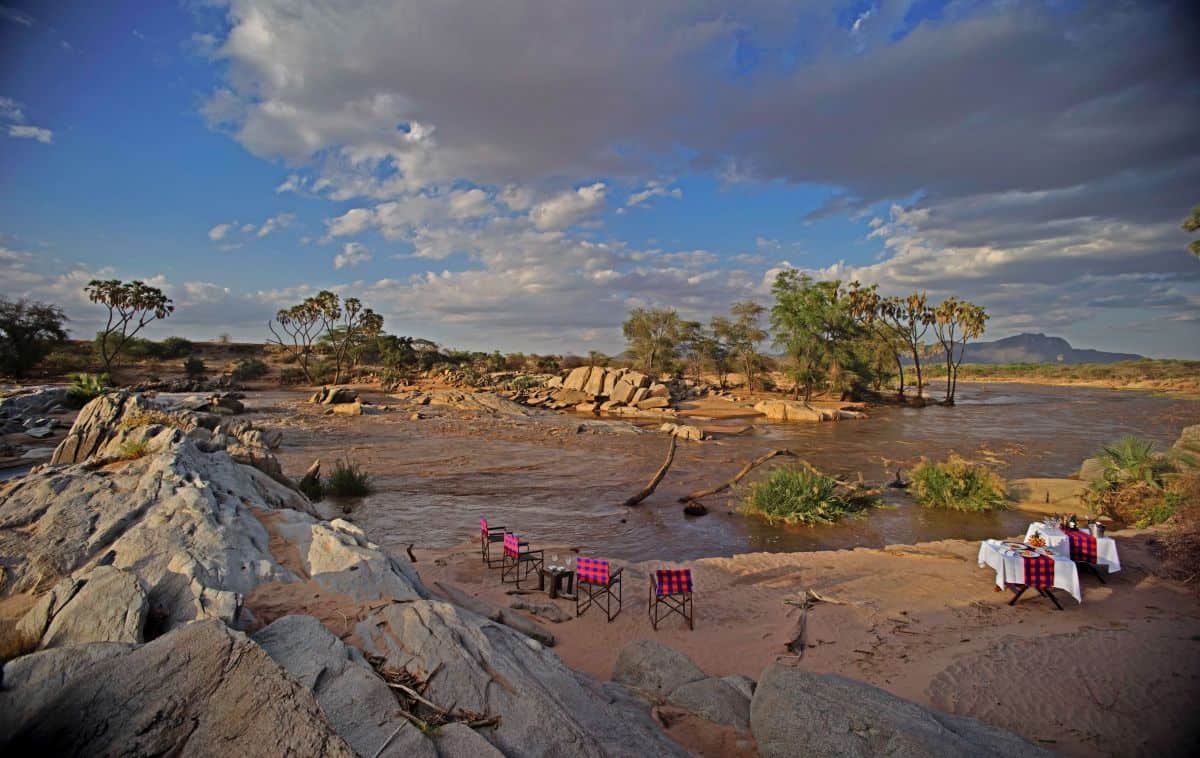
For years, local wanderlust in Kenya has been heavily drawn to traditional coastal retreats and southern wildlife reserves, leaving vast swathes of the country unexplored. A big change is happening today as the country tries to boost local travel and cut down on too much dependence on visitors from abroad. Understanding this shift is important for today’s citizens who are looking for new, uncrowded places to experience authenticity without outrageous prices. Now’s the time to head north, because these dramatic landscapes are more accessible than ever thanks to unprecedented infrastructural upgrades and strategic tourism pushes.
The Strategic Vision Behind the Northern Circuit Push
The Kenya Tourism Board (KTB) has officially rolled out targeted campaigns designed to spotlight northern destinations such as Samburu, Marsabit, and Turkana counties. According to government data and official statistics released by the tourism sector, domestic bed nights reached 5.15 million during the recent financial cycle, with ambitious framework targets aimed at pushing numbers significantly higher toward the 7.6 million milestone by the 2027–2028 financial year.
Advertisement
Advertisement
Administrative leaders emphasize that regions like the Samburu National Reserve heavily rely on sustainable tourism, where conservation revenue directly supports local community conservancies. By converting general travel awareness into concrete, bookable itineraries, industry stakeholders are actively dismantling historical barriers of access and cost.
Frequently Asked Questions
- What are the main tourist attractions in northern Kenya? The northern circuit features a diverse array of attractions, including the wildlife-rich Samburu National Reserve, the sweeping dunes of the Chalbi Desert, the prehistoric significance of Lake Turkana, and ancient archaeological sites such as Ileret.
- How is the Kenya Tourism Board promoting domestic travel to the north? The KTB is collaborating closely with county governments and regional tour operators—such as the Tour Operators Society of Kenya—to curate affordable, ready-to-book holiday packages specifically tailored for local citizens.
- Why are northern counties important for Kenya’s tourism strategy? Developing the northern frontier helps diversify the national tourism product, reduces economic vulnerability tied exclusively to international arrivals, and distributes economic benefits directly to local community conservancies.
Exploring the Treasures of Samburu, Marsabit, and Turkana
Geographical diversity defines the northern frontier, offering sights starkly different from conventional savannahs. In Samburu, life thrives along the vital Ewaso Nyiro River, sustaining unique endemic wildlife species often referred to as the ‘Samburu Special Five’, which include the Grevy’s zebra, reticulated giraffe, Beisa oryx, gerenuk, and Somali ostrich.
Advertisement
Advertisement
Further north, Marsabit County presents a stunning contrast of mist-shrouded mountain forests and the stark, sun-baked expanse of the Chalbi Desert. Industry advocates note that traversing these desert tracks offers an adventurous, cost-effective alternative to expensive international holiday spots. Meanwhile, Lake Turkana—affectionately known as the Jade Sea—anchors the region with its immense cultural heritage, dramatic volcanic shoreline, and profound links to the origins of mankind.
Advertisement
Advertisement
Overcoming Access Barriers and Booking Your Next Trip
Travellers were historically deterred from the northern territories due to infrastructural deficits and a lack of structured packaging. But modern road network improvements and the active participation of organisations like the Kenya Association of Tour Operators (KATO) have changed the landscape. Now tour operators offer simple packages that mix rugged adventure, including hiking, rock climbing and tours of cultural sites, with comfortable lodging.
In the end, embracing this northern renaissance gives domestic travellers the opportunity to redefine local exploration in a way that protects fragile ecosystems and uplifts pastoralist communities. Travel light, prepare yourself and see the wild side of the country.
Advertisement
