
Florida’s Brevard County Uses Visitor Tax Revenue To Strengthen Ocean Rescue As Lifeguard Funding Gets Major Boost

Published
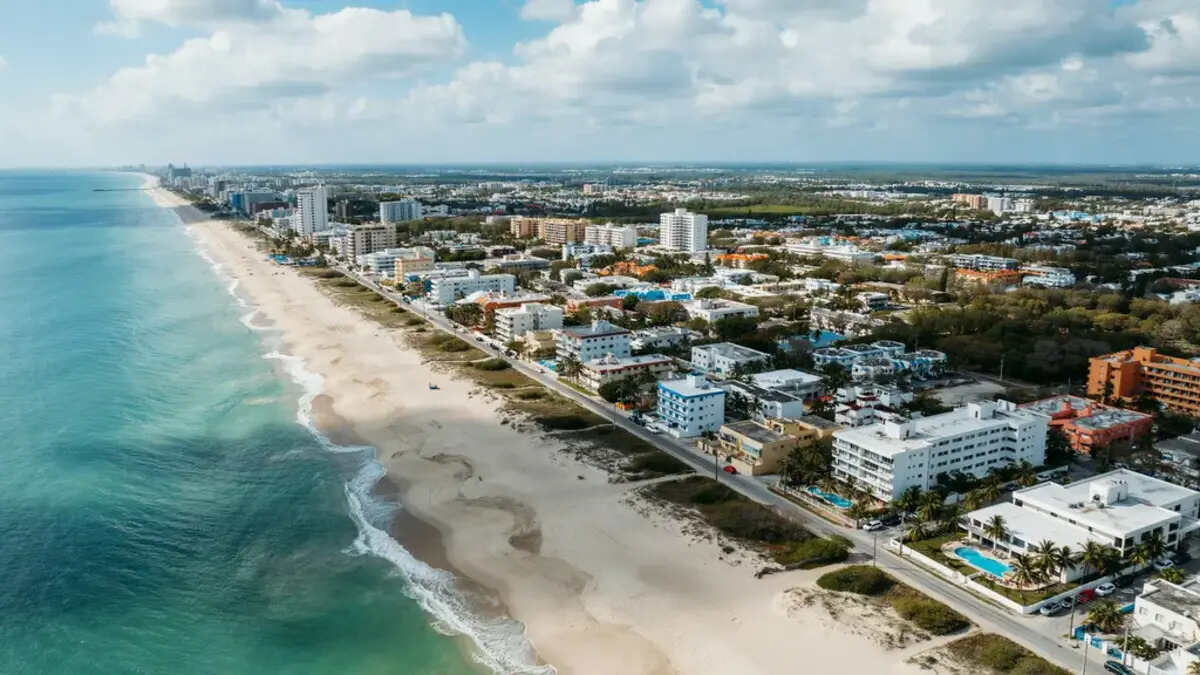
Florida’s Brevard County to boost ocean rescue with visitor tax revenue support.
A major funding shift is being introduced in Florida’s Brevard County as tourism tax revenue is set to fully support the county’s ocean lifeguard programme, providing a more secure financial foundation for beach safety operations.
The move will enable the coastal community to protect its lifeguard services from a possible reduction in future budget caused by shifts in local property tax revenue.
The Brevard County Commission has approved the transfer of $889,949 from the Tourist Development Tax to cover the entire annual budget of the lifeguard programme. The decision represents a significant change in how ocean rescue services are funded, with visitor-generated revenue now playing a central role in maintaining beach safety.
The Tourist Development Tax, commonly known as a tourism bed tax, is collected from hotel stays and short-term rental accommodations across the county. Traditionally, this revenue has been used to promote tourism and support visitor-related initiatives throughout the Space Coast region.
By redirecting a portion of these funds towards lifeguard operations, the county is linking tourism growth with coastal safety, recognising that secure beaches are an important part of attracting visitors and maintaining a strong destination reputation.
Advertisement
Advertisement
Brevard County Protects Lifeguards From Potential Budget Challenges
The funding decision comes at a time when local governments across Florida are examining future financial stability. A proposed constitutional amendment on the November ballot could significantly increase the state’s homestead exemption, potentially reducing property tax revenue available for county services.
Because many public services, including ocean rescue operations, have traditionally relied on the county’s general fund, concerns have emerged about how future budget changes could affect essential programmes.
Advertisement
Advertisement
The shift towards tourism-funded lifeguards is designed to reduce that financial exposure. Instead of depending entirely on property tax-supported resources, the lifeguard programme will now have a dedicated funding stream connected to visitor spending.
County officials have clarified that the move does not place additional money into the general fund. Instead, it reduces the amount that must be taken from general county resources, creating less pressure on other publicly funded services.
The approach is expected to provide greater long-term stability for Brevard Ocean Rescue, allowing the county to maintain beach protection without requiring additional financial support from nearby beach communities.
Beach Safety Concerns Drive Stronger Lifeguard Investment
The decision follows growing attention on beach safety across Brevard County. The region’s coastline attracts thousands of residents and tourists every year, but changing ocean conditions and dangerous rip currents continue to create challenges for swimmers.
At least five drownings have been recorded on Brevard County beaches during 2026, while a separate period between November 2025 and March 2026 saw eight drownings, with many incidents occurring along stretches of shoreline without lifeguard coverage.
The county’s ocean rescue teams typically respond to around 450 rescues each year, demonstrating the important role played by trained lifeguards in protecting beach visitors.
Advertisement
Advertisement
During periods of severe rip current activity, rescue numbers have increased significantly. In the weeks following Thanksgiving 2025, approximately 150 rescues were carried out within a short period, highlighting the risks faced by swimmers during dangerous coastal conditions.
With millions of visitors arriving for beach holidays, water activities and coastal experiences, the availability of professional lifeguard services has become an important factor in maintaining visitor confidence.
Tourism Revenue Supports Safer Beaches For Visitors
The decision reflects a broader connection between tourism investment and destination safety. Beaches are among the biggest attractions for visitors travelling to Florida, and maintaining safe coastal environments is considered essential for protecting both travellers and local communities.
The use of visitor tax revenue for lifeguard services creates a direct link between tourism activity and the infrastructure needed to support it.
Hotels, resorts and short-term rentals generate tourism tax income through visitor stays. As more travellers choose coastal destinations, these funds can contribute towards services that improve the overall visitor experience.
For Brevard County, strengthening ocean rescue operations through tourism funding provides an opportunity to maintain reliable beach safety while supporting the wider tourism economy.
Advertisement
Advertisement
The county’s coastline is a major attraction within Florida’s tourism landscape, drawing visitors for surfing, swimming, fishing, boating and other ocean-based activities. Ensuring that these experiences are supported by professional rescue teams remains a key priority.
Brevard County Creates A New Model For Tourism Funded Lifeguards
Brevard County’s approach is being recognised as one of the largest examples in Florida where a county has chosen to fully support its lifeguard programme through tourism tax revenue.
Other Florida counties, including Nassau, Bay and Okaloosa counties, have previously used tourism development tax funds to contribute towards lifeguard operations. However, those counties have significantly smaller populations compared with Brevard County.
The move places Brevard among the first larger counties in the state to make tourism revenue the primary financial support mechanism for ocean rescue services.
The strategy could become an example for other coastal destinations where tourism and public safety are closely connected. As beach destinations continue facing challenges related to visitor growth, climate conditions and coastal risks, dedicated funding models are increasingly being explored.
A Stronger Future For Florida’s Space Coast Beaches
The introduction of tourism-backed lifeguard funding represents a major step in securing the future of Brevard County’s beach safety programme. By using revenue generated from visitors, the county aims to create a more stable system that protects both residents and tourists.
Advertisement
Advertisement
The funding change arrives at an important moment, with discussions around future local government budgets and public services continuing across Florida.
For travellers visiting the Space Coast, the investment means continued focus on safer beaches and stronger emergency response capabilities. For the county, it represents a new approach where tourism success directly supports the services needed to maintain a secure and welcoming destination.
Florida’s Brevard county is improving the ocean rescue by allocating the funds from visitor’s tax to paying lifeguards fully, thus, relieving the budgets and ensuring the safety of the beaches for both tourists and locals.
As such, with Florida being a state that attracts millions of beachgoers a year, the county’s tourism tax strategy has demonstrated the value of linking visitor taxes to coastal protection.
Advertisement
