
Uruguay: Montevideo Cruise Boom Fuels Big Wine and Heritage Tourism Beyond the Coast

Published
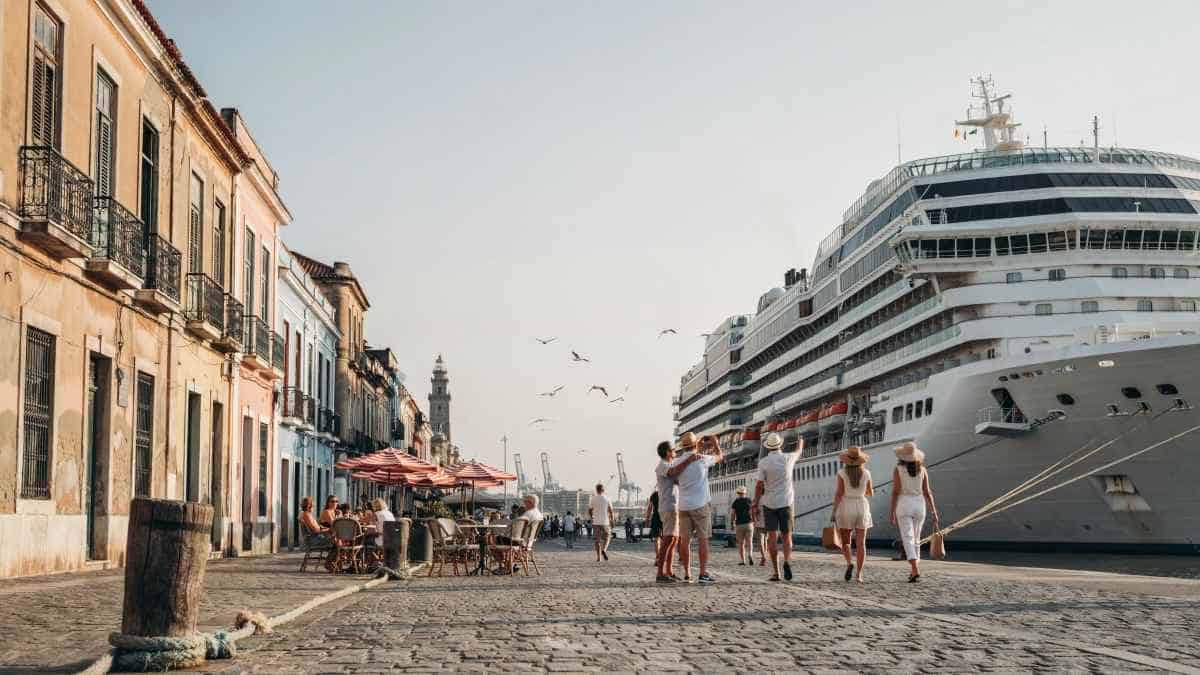
The Uruguayan capital, Montevideo, Canelones, Colonia del Sacramento, and Paysandú have all been assuming a greater presence in the expanding tourism network in Uruguay, due to the expansion of cruises, wine tourism, and heritage tourism beyond the usual coastal region. The most recent cruise season saw an increase in disembarking passengers, as well as American and Brazilian cruise passengers accounting for 53% of expenditures in the ports.
Montevideo Strengthens Its Cruise Tourism Role
Montevideo is becoming an increasingly important tourism gateway for cruise passengers visiting Uruguay. Strong disembarkation rates during the recent cruise cycle brought large numbers of visitors into the capital, with international cruise travellers contributing significantly to local spending.
Advertisement
Advertisement
American and Brazilian cruise travellers generated more than 53% of total port spend, highlighting the importance of these two markets to Uruguay’s cruise economy.
Cruise passengers typically have limited time ashore, making destinations close to the port particularly important. Montevideo’s Ciudad Vieja and waterfront Rambla provide concentrated visitor zones where travellers can access historic architecture, restaurants, shops, cultural attractions and waterfront experiences during short port calls.
Advertisement
Advertisement
Ciudad Vieja, the capital’s historic quarter, offers visitors a compact introduction to Montevideo through its streets, historic buildings, plazas, cultural venues and dining options. The Rambla extends the visitor experience along the waterfront, connecting urban attractions with views of the Río de la Plata.
The concentration of tourism activity within these areas allows cruise passengers to explore the city without requiring extensive travel outside the capital.
Advertisement
Advertisement
Cruise Spending Supports Urban Tourism
The spending generated by cruise visitors extends beyond port operations. Passengers disembarking in Montevideo can contribute to demand for restaurants, cafés, retail businesses, cultural attractions, taxis, tours and other visitor services.
The daytime nature of cruise tourism makes location particularly important. Businesses positioned along established visitor routes can serve passengers within the limited time available between disembarkation and departure.
For Montevideo, this creates a direct connection between maritime tourism and the city’s historic and waterfront districts. Cruise passengers can combine sightseeing with dining and shopping, creating multiple opportunities for local tourism expenditure during a single port visit.
The strong contribution from American and Brazilian travellers also reinforces the importance of international and regional source markets to Uruguay’s cruise sector.
Tourism Expands Into Wine Country
Uruguay’s tourism diversification is extending beyond Montevideo and the established coastal destinations of Maldonado and Rocha.
Canelones is gaining greater visibility through boutique enotourism, offering visitors opportunities to explore vineyards, wineries and wine-focused experiences. The region’s proximity to Montevideo makes it suitable for day trips as well as longer itineraries incorporating food and wine.
Advertisement
Advertisement
Wine tourism can encourage visitors to travel beyond the main urban and coastal centres, connecting them with rural landscapes and local producers. Winery visits can also be combined with dining and gastronomy, creating tourism experiences built around regional products.
For international visitors, wine routes provide another way to experience Uruguay beyond beaches and city sightseeing. Domestic travellers can similarly access wine destinations through shorter regional trips.
The growth of boutique enotourism is therefore adding another layer to Uruguay’s tourism offering while increasing the range of destinations accessible from Montevideo.
Colonia and Paysandú Build Heritage Corridors
Heritage tourism is also expanding across Uruguay’s interior.
Colonia del Sacramento remains an important cultural destination, with its historic environment providing a strong attraction for visitors interested in architecture, history and traditional urban landscapes. Its heritage character complements Uruguay’s coastal and wine tourism products.
Paysandú is also gaining attention through developing heritage corridors that connect tourism with local history and regional culture.
Advertisement
Advertisement
These destinations can form part of broader travel itineraries rather than functioning solely as individual attractions. Visitors can combine heritage sightseeing with gastronomy, wine experiences and regional travel, encouraging longer and more varied journeys through Uruguay.
The development of interior corridors also distributes tourism activity geographically, creating opportunities for accommodation providers, restaurants, guides, transport businesses and cultural attractions outside the country’s most established coastal areas.
Gastronomy Adds Another Tourism Layer
Food and wine are increasingly connecting Uruguay’s different tourism regions.
International recognition of gastro-tourism is supporting interest in experiences centred on local cuisine, wine production and regional products. Visitors travelling for gastronomy can incorporate wineries, restaurants, heritage towns and cultural attractions into a single itinerary.
For Canelones, wine provides a natural connection with gastronomy. In Colonia del Sacramento and Paysandú, heritage experiences can be paired with local food and regional products.
This combination can encourage visitors to spend more time exploring different parts of the country rather than concentrating their trips exclusively on the coast.
Advertisement
Advertisement
Domestic social tourism expansion is also contributing to the growth of inland travel, creating additional demand for regional destinations and tourism experiences.
A More Diversified Uruguay Tourism Map
Uruguayan tourism geography will thus become more varied as well. Montevideo is reinforcing its role as the gateway for cruise tourists, with the city’s Ciudad Vieja and Rambla being significant tourist destinations in daytime. In the meantime, Canelones is developing its wine tourism offer, while Colonia del Sacramento and Paysandú are creating more options for heritage-related tourism. Maldonado and Rocha, the classic coastal tourism destinations in Uruguay, will continue playing their role in the national tourism geography, yet now there will be more possibilities for combining beach tourism with cruising, wine tourism, gourmet tourism and heritage. For tourists from other countries, this means that there will be more possibilities of building various itineraries within Uruguay. It is possible to combine urban tourism in Montevideo, a Canelones winery, the history of Colonia del Sacramento and a cultural experience in the interior of the country before moving on to the coastal tourism destinations in Uruguay.
Advertisement
