
American Airlines Steps Up With Air Canada And More In Mexico Travel With Strategic Focus Shift Toward Cancun, Cabo, and Guadalajara

Published
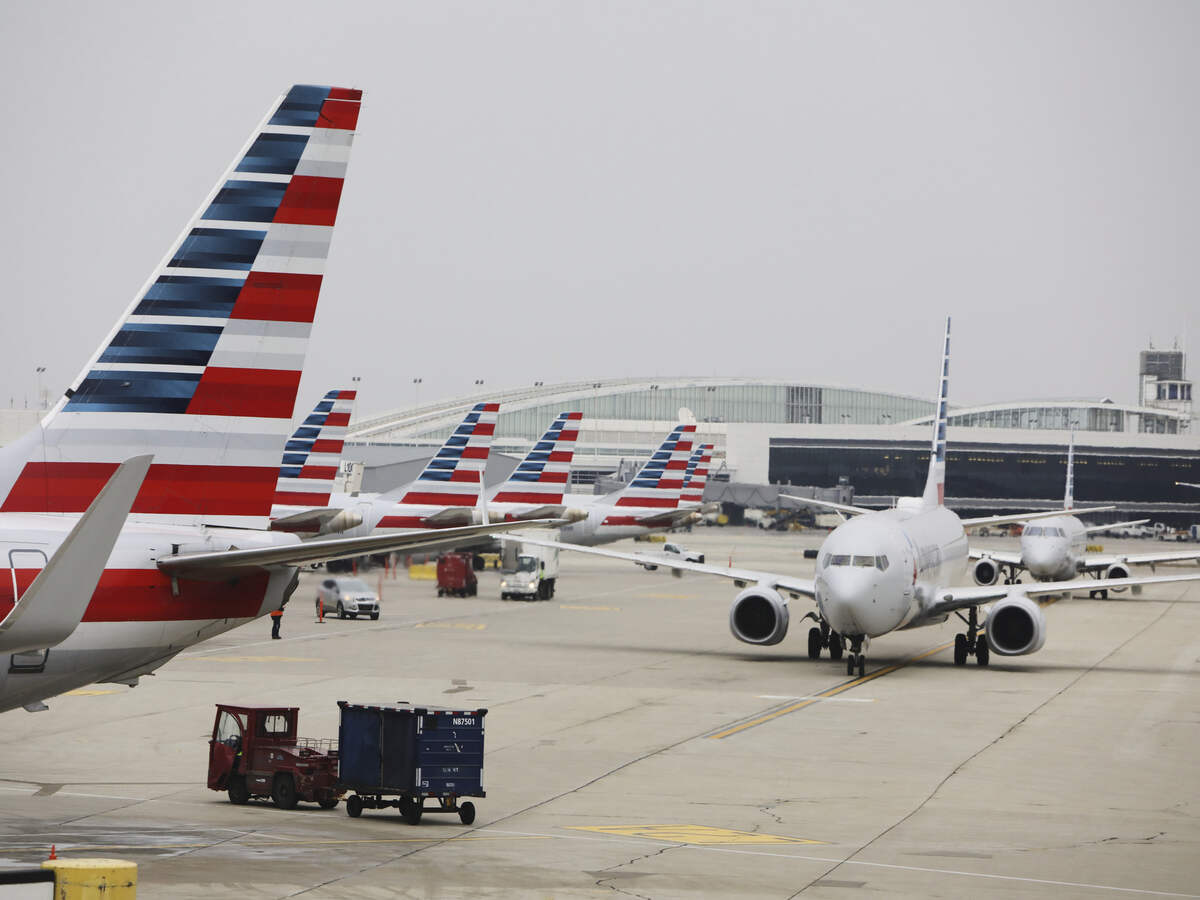
Major air carriers have started aligning their routes towards proven destinations such as Cancun, Cabo, and Guadalajara for increasing the number of flights. There is a definitive shift happening in the North American aviation route structure. With niche routes and secondary regional airports starting to experience capacity reduction, major international airlines are concentrating more on Mexico’s proven destination cities of leisure and economic significance. This includes strategic shifts of network from major international airlines like American Airlines and Air Canada as well as regional airlines.
This realignment represents a pivot toward long-term operational stability, high-yield passenger traffic, and sustainable cross-border connectivity. Rather than gambling on nascent secondary destinations burdened by high local costs and infrastructure friction, airlines are channeling seat capacity into hubs with world-class hospitality infrastructure, robust resort footprints, and multi-segment business and leisure demand.
The Strategic Shift: Reallocating Capacity to Proven Gateways
The recalibration across the Mexican aviation landscape comes as airlines respond to shifting consumer behavior, currency fluctuations, and jet fuel price dynamics. While high airport operating fees and rising local expenses have cooled demand for newer destinations like Tulum, core Mexican travel markets continue to show resilience.
Airlines are optimizing their cross-border networks to focus on three distinct pillars:
Advertisement
Advertisement
- Cancún (CUN): The undeniable titan of Caribbean leisure, serving as the primary hub for Riviera Maya tourism with an unmatched all-inclusive hotel footprint.
- Los Cabos (SJD): The Pacific luxury stronghold, attracting high-spending leisure travelers and affluent resort-goers.
- Guadalajara (GDL): Mexico’s booming cultural and tech capital, driving a blend of corporate travel, visiting-friends-and-relatives (VFR) traffic, and boutique urban tourism.
By reallocating widebody and narrowbody aircraft to these proven markets, North American and domestic Mexican carriers are securing higher load factors and maximizing yield per available seat mile.
Carrier Breakdown: How Top Airlines Are Powering Mexico’s Skies
American Airlines: Fortifying Core Hub Connections
American Airlines has actively refined its Mexican route network by shifting focus from experimental routes back to its primary international gateways. By leveraging its central megahub at Dallas/Fort Worth (DFW), alongside key connection points in Miami (MIA) and Phoenix (PHX), American ensures consistent, high-frequency access to Mexico’s premier destinations.
Advertisement
Advertisement
- Cancún Focus: Maintaining dense, multi-daily widebody and narrowbody schedules across major U.S. feeder cities.
- Pacific Reach: Expanding seasonal frequencies to Los Cabos and Puerto Vallarta to capture peak winter luxury demand.
- Business & VFR Strength: Reinforcing year-round service to Guadalajara and Monterrey, connecting U.S. commercial centers to Mexican industrial hubs.
Air Canada: Scaling Winter Capacity and Leisure Routes
Canada’s flag carrier, along with its Air Canada Rouge leisure division, is orchestrating a major expansion in sun-destination travel. Recognizing strong Canadian demand for warm-weather escapes during the northern winter, Air Canada is expanding point-to-point service from Toronto (YYZ), Montreal (YUL), Vancouver (YVR), and Calgary (YYC).
- Direct Coast-to-Coast Access: Boosting non-stop services connecting western Canadian hubs directly to Los Cabos and Puerto Vallarta.
- Riviera Maya Expansion: Increasing weekly seat capacity into Cancún with upgraded mainline aircraft featuring premium cabin offerings.
- Urban & Cultural Travel: Supporting broader leisure travel by connecting Canadian transit hubs to Mexico’s cultural destinations.
Porter Airlines: The Emerging Transborder Challenger
Porter Airlines continues its rapid transformation from a regional Eastern Canadian carrier into a competitive transborder player. By deploying its modern fleet of Embraer E195-E2 aircraft, Porter is introducing a elevated economy product to the Mexico leisure market.
Advertisement
Advertisement
- Hub Integration: Expanding non-stop routes out of Toronto Pearson (YYZ) and Ottawa (YOW) to key Mexican resort cities.
- Premium Economy Positioning: Offering free high-speed Wi-Fi and premium onboard amenities to capture budget-conscious yet comfort-minded travelers away from legacy carriers.
WestJet & Air Transat: Western & Quebecois Vacation Powerhouses
- WestJet: Capitalizing on its dominant presence in Western Canada by adding high-frequency seasonal flights from Calgary and Edmonton to Cancún, Los Cabos, and Mazatlán.
- Air Transat: Strengthening vacation package integration with non-stop winter charters from Quebec and Ontario gateways directly into Quintana Roo and the Mexican Pacific coast.
Volaris & VivaAerobus: Domestic Expansion & Cross-Border Feed
Mexico’s ultra-low-cost carriers (ULCCs) are absorbing redirected domestic traffic and expanding cross-border networks to link Mexican regional cities with major U.S. population centers.
- Volaris: Deploying new routes connecting Guadalajara and Mexico City to U.S. border states and leisure hubs, filling the void left by trimmed regional routes.
- VivaAerobus: Scaling up point-to-point operations into Cancún and Los Cabos while building cross-border capacity to meet price-sensitive leisure demand.
Master Comparison: North American Airlines Boosting Mexico Travel
| Airline | Primary Mexican Focus Destinations | Key Feeder / Departure Hubs | Primary Fleet Deployed | Strategic Focus & Travel Impact |
| American Airlines | Cancún, Los Cabos, Guadalajara, Puerto Vallarta | Dallas/Fort Worth, Miami, Phoenix, Charlotte | Boeing 787, Airbus A321, Boeing 737-800 | High-frequency hub connections, premium seat allocation, high-yield business and luxury travel. |
| Air Canada | Cancún, Los Cabos, Puerto Vallarta, Mexico City | Toronto, Montreal, Vancouver, Calgary | Boeing 787 Dreamliner, Airbus A330, Boeing 737 MAX 8 | Seasonal capacity expansion, widebody winter service, integration with Air Canada Vacations. |
| Porter Airlines | Cancún, Los Cabos | Toronto Pearson, Ottawa | Embraer E195-E2 | Disruptive transborder leisure expansion, premium economy focus with no middle seats. |
| WestJet | Cancún, Los Cabos, Puerto Vallarta, Mazatlán | Calgary, Edmonton, Vancouver | Boeing 737 MAX 8, Boeing 787-9 | Dominant Western Canadian winter sun coverage, high-density leisure charter/scheduled mix. |
| Air Transat | Cancún, Puerto Vallarta, Cozumel | Montreal, Quebec City, Toronto | Airbus A321LR, Airbus A330 | Vacation package integration, non-stop eastern Canadian resort feeder routes. |
| Volaris | Guadalajara, Cancún, Los Cabos, Mexico City (AIFA/AICM) | Guadalajara, Tijuana, Mexico City | Airbus A320neo, Airbus A321neo | Low-cost cross-border connections, VFR (Visiting Friends & Relatives) and domestic leisure feed. |
| VivaAerobus | Cancún, Los Cabos, Monterrey, Guadalajara | Monterrey, Cancún, Guadalajara | Airbus A320, Airbus A321neo | Ultra-low-cost point-to-point routes, high-density domestic and U.S. sun-destination connections. |
Economic & Operational Impact on Mexican Tourism
The consolidation of airline capacity into Cancún, Los Cabos, and Guadalajara brings structural benefits to the broader tourism ecosystem:
1. Enhanced Hospitality Occupancy & RevPAR
By directing seat capacity toward destinations with established hotel supply, airlines help maintain steady hotel occupancy rates and healthy Revenue Per Available Room (RevPAR). Resort hubs like Los Cabos and Cancún can accommodate increased passenger arrivals without experiencing the operational strain seen in smaller markets.
2. Streamlined Ground Transportation & Infrastructure
Unlike newly developed regional hubs where local transit surcharges and taxi costs create travel friction, Cancún and Guadalajara offer mature transportation networks. Travelers benefit from established rental car agencies, organized airport shuttles, and highway connectivity, leading to a smooth overall visitor experience.
Advertisement
Advertisement
3. Diversified Multi-Segment Demand
Markets like Guadalajara provide airlines with a balanced mix of commercial, cultural, and leisure traffic throughout the year. This multi-segment demand cushions carriers against seasonal dips in pure leisure travel, ensuring year-round route viability.
A Maturing Aviation Landscape
The strategic pivot by American Airlines, Air Canada, and their regional peers marks a distinct maturing of the cross-border travel market between North America and Mexico. Rather than over-expanding into unproven secondary markets, carriers are focusing capital and aircraft where demand is strongest.
Flights are increased by airlines in Mexico as American and Air Canada pivot their operations towards Cancun, Cabo, and Guadalajara.
While Cancún consolidates its dominance in Caribbean leisure tourism, Cabo is assured the luxury Pacific route, and Guadalajara leads business and cultural travel, airlines from North America have started constructing a better network.
Advertisement
