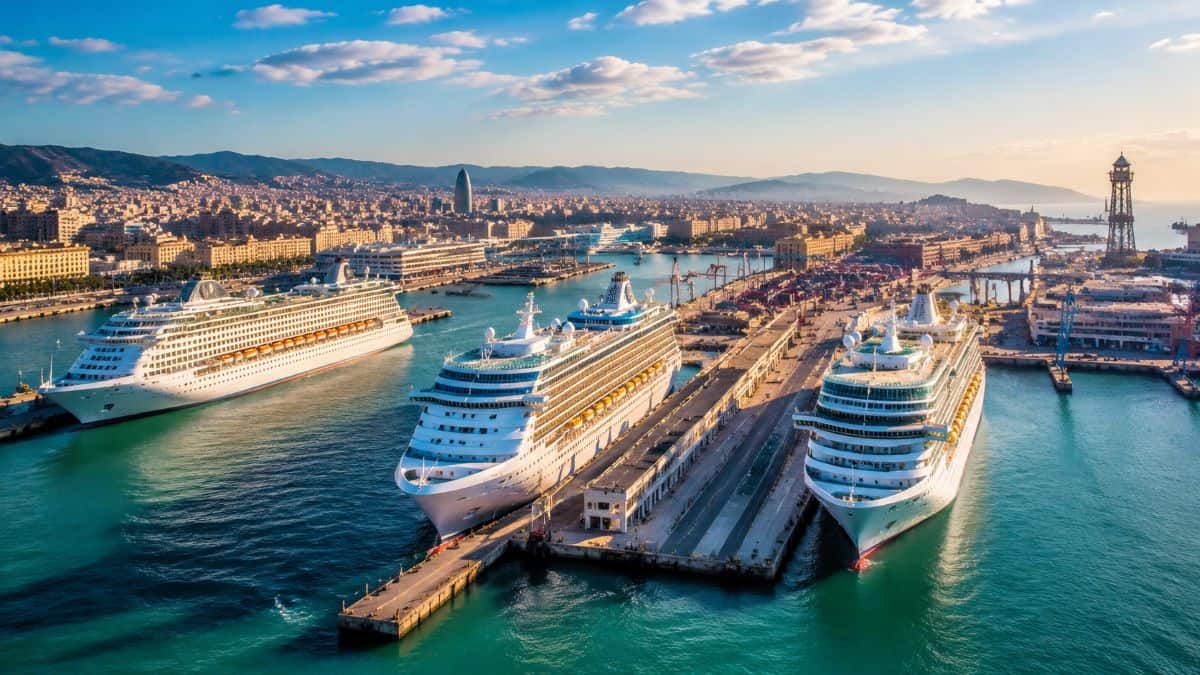
Image generated with Ai
Barcelona has become the centre of an escalating tourism policy debate after proposals emerged to increase tourist taxes targeting short-stay cruise passengers. The discussion has drawn strong attention from global tourism stakeholders, including the World Travel & Tourism Council (WTTC), which has raised concerns about the long-term competitiveness of the destination.
According to publicly referenced tourism and maritime data used by destination authorities, Barcelona remains one of Europe’s most significant cruise hubs, handling around four million cruise passengers annually. The city’s cruise economy plays a notable role in supporting local services, port activity and visitor spending.
However, the proposed tax adjustment has triggered questions about whether increased financial pressure on cruise visitors could alter travel behaviour and reduce the city’s attractiveness within the highly competitive Mediterranean cruise market.
A key dimension of the debate centres on the economic contribution of cruise tourism to Barcelona’s local economy. Industry-referenced figures indicate that cruise passengers generate significant onshore spending, with average estimates of approximately €255 per homeport passenger, alongside broader fiscal contributions such as port-related taxes and service revenue.
Advertisement
Advertisement
In addition, reports indicate that the cruise sector contributes millions of euros annually in direct taxes to municipal authorities, strengthening its role as an economic driver for local businesses, including retail, transport, hospitality and cultural attractions.
Supporters of the cruise industry argue that this spending supports thousands of jobs across Barcelona’s tourism ecosystem. Restaurants, tour operators, taxi services and local shops all benefit from the influx of short-stay visitors who spend within limited but high-intensity timeframes.
However, concerns have been raised that higher taxation could shift spending behaviour. If visitors are required to allocate more of their travel budget to entry or transit fees, overall discretionary spending within the city could decline, potentially reducing the economic benefits traditionally associated with cruise arrivals.
Barcelona’s position as a leading Mediterranean cruise destination has been built over decades of investment in port infrastructure, tourism services and international connectivity. However, the proposed tax increase has sparked concerns that the city could face competitive pressure from other regional ports.
Advertisement
Advertisement
The WTTC has warned that sudden or significant increases in visitor taxes may influence cruise operators’ itinerary planning. In a highly competitive market where destinations such as Marseille, Genoa, Valencia and Civitavecchia compete for ship calls, cost considerations play an important role in route selection.
Barcelona currently welcomes approximately four million cruise passengers each year, making it one of the busiest cruise destinations in Europe. Its strategic location and cultural appeal have positioned it as both a homeport and transit hub.
However, tourism analysts suggest that even marginal cost differences can influence cruise line decisions over time, particularly when operating large-scale fleets that prioritise efficiency and passenger satisfaction.
Beyond immediate economic considerations, the debate also reflects wider concerns about tourism sustainability and long-term urban planning. Barcelona, like many major European cities, has experienced rising visitor volumes over the past decade, prompting discussions around infrastructure capacity, environmental impact and local quality of life.
Recent trends show fluctuations in cruise-related tourism flows, with some data indicating a slight decline in transit cruise passengers in recent years. At the same time, overall tourism demand remains sensitive to global economic conditions, including inflationary pressures and changing travel costs.
Industry stakeholders argue that introducing additional financial barriers during a period of fluctuating demand could create unintended consequences. These may include reduced cruise arrivals, lower port activity and decreased economic flow to local businesses dependent on tourism traffic.
On the other hand, city policymakers are also tasked with managing overcrowding, environmental sustainability and infrastructure strain, particularly during peak travel seasons when cruise arrivals contribute to high visitor density in central districts.
One of the key arguments presented by cruise industry bodies is the long-term value of cruise tourism as a gateway to repeat visitation. Research referenced by global cruise associations suggests that a significant proportion of cruise passengers return to destinations they initially discovered via cruise travel.
This highlights the role of cruise tourism not only as a short-term economic contributor but also as a long-term marketing channel for destinations. Visitors who experience Barcelona during a cruise may return later for extended stays, contributing further to the city’s tourism economy.
This dynamic is central to the debate over taxation policy, as stakeholders weigh immediate revenue generation against potential long-term destination visibility and repeat visitation.
The core challenge facing Barcelona lies in balancing fiscal policy with tourism competitiveness. While visitor taxes can generate revenue for public services and infrastructure, excessive increases may risk altering travel patterns or reducing destination appeal.
Tourism governance frameworks in major global cities often emphasise collaboration between public authorities and industry stakeholders to ensure that policy decisions support both sustainability and economic vitality.
Industry organisations have called for continued dialogue between government bodies, port authorities, tourism operators and hospitality stakeholders to assess the broader implications of proposed tax changes.
The emphasis remains on achieving a balanced approach that maintains Barcelona’s position as a leading cruise destination while addressing local sustainability concerns.
Barcelona’s cruise tourism sector stands at a critical intersection between economic opportunity and regulatory change. With millions of annual cruise passengers and a strong contribution to the local economy, the city remains a key player in the Mediterranean tourism landscape.
However, the proposed increase in tourist taxes has intensified debate over long-term competitiveness, visitor behaviour and sustainable tourism planning.
As stakeholders evaluate the potential impacts, the outcome will likely shape not only Barcelona’s cruise industry but also broader discussions on how major global cities manage high-volume tourism in the years ahead.
Advertisement
Tags: Barcelona cruise tourism, Barcelona port tourism, Barcelona tourist tax, cruise passenger spending Spain, cruise tax Europe
Advertisement
Advertisement













Saturday, September 5, 2026

Friday, September 4, 2026

Saturday, September 5, 2026

Friday, September 4, 2026

Thursday, September 3, 2026

Wednesday, September 2, 2026

Friday, September 4, 2026