
Mount Manaslu Autumn Season Kicks Off With Record 466 Climbers and Historic Permit Revenue in Nepal

Published
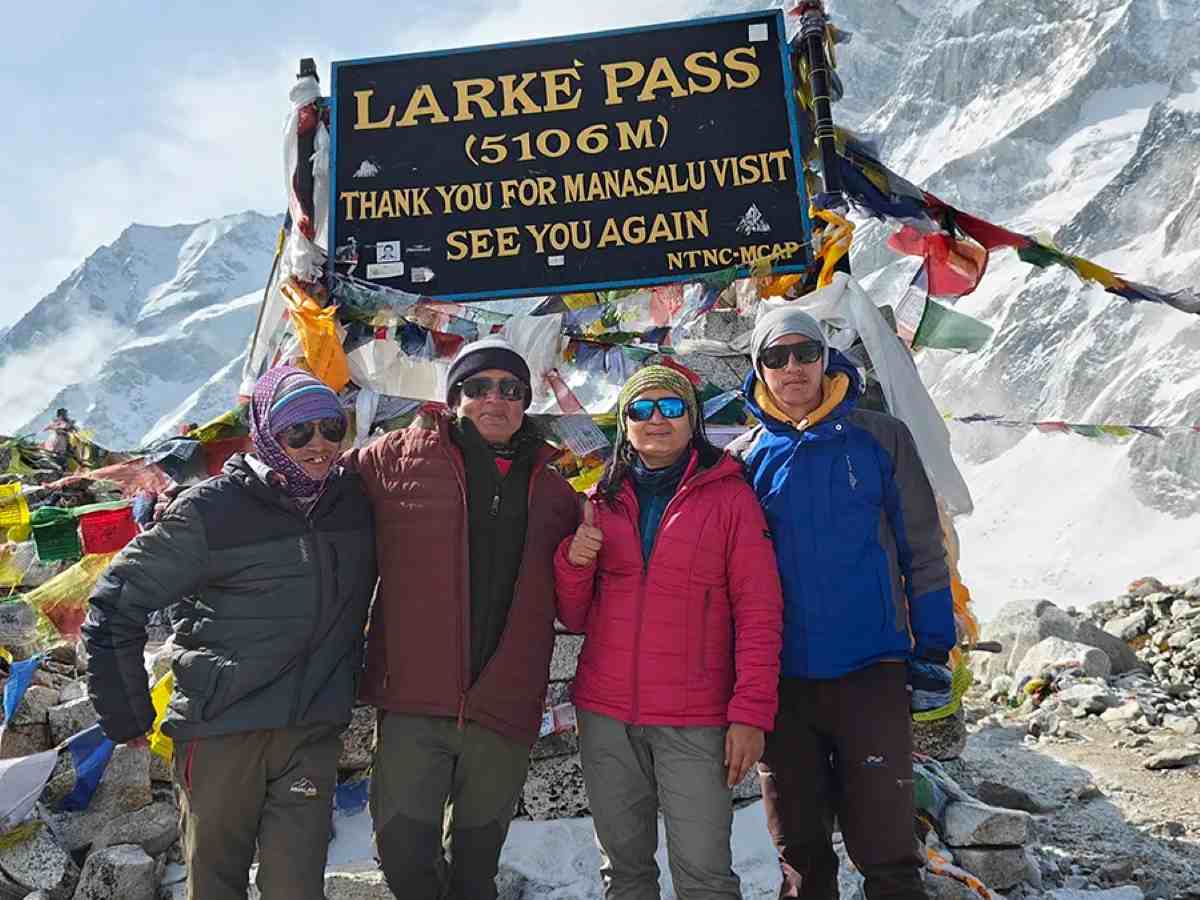
The high-altitude landscape of the Himalayas witnesses a massive influx of international adventurers as the autumn climbing season for Mount Manaslu is officially commenced. According to updates released by the Department of Tourism, a total of 466 climbers from various countries have embarked on their daring ascent after receiving official permits. Situated at a towering altitude of 8,163 metres above sea level, the majestic peak is recognised globally as the world’s eighth-highest mountain. Geographically located in Samagaun, within Chumanubri Rural Municipality-1 of Gorkha, the mountain carries a rich mountaineering legacy since it was first opened for climbing on May 9, 1956. Over the decades, the region has transformed into a focal point for elite mountaineering, drawing global attention to the rugged terrain of Nepal.
Impact on Travellers
Advertisement
Advertisement
The arrival of a massive contingent of adventurers brings both dynamic energy and logistical challenges to the region. The expedition participants, organised systematically into 39 groups, consist of 342 men and 124 women who have departed from the base camp to test their endurance against the harsh elements. Before taking their initial steps towards the summit, a traditional prayer ceremony was conducted by a Lama at the base camp, as noted by climbing support staff member Bisbahadur Gurung. Based on current weather patterns and logistical pacing, these intrepid climbers are expected to complete their grueling ascent within the next two to three weeks. For individual travellers, porters, and support crews, this surge translates to heightened economic activity, temporary employment opportunities, and a vibrant multicultural atmosphere within the remote Himalayan corridors, though it also calls for meticulous crowd management and health precautions at high altitudes.
Industry Insights
Advertisement
Advertisement
The exponential growth in expedition numbers yields unprecedented economic outcomes for the local tourism sector. The Department of Tourism reported that the number of climbers registered this season represents the highest figure recorded to date in the history of the mountain. Consequently, an astronomical revenue collection amounting to Rs 212.44 million has been officially documented from climbing permits alone, setting an all-time record high for the peak. These financial figures are calculated directly from the total number of permits issued for the current season, reflecting robust confidence from international mountaineers and corporate expedition agencies. Industry analysts view this milestone as a positive indicator of post-pandemic recovery and sustained global interest in high-altitude adventure tourism within the country.
Practical Information
Advertisement
Advertisement
Navigating the logistical realities of high-altitude mountaineering requires stringent planning and adherence to official protocols. Aspiring expedition teams must coordinate closely with the Department of Tourism in Kathmandu to secure required documentation, permits, and clearance. Climbers and support personnel typically gather at the base camp in Samagaun, Gorkha, where acclimatization schedules and cultural rituals like traditional Lama prayers are observed prior to the push. Essential safety equipment, experienced climbing support staff, and reliable medical evacuation protocols are mandated to mitigate the inherent risks associated with scaling an 8,163-metre peak. Furthermore, travel stakeholders are advised to monitor weather updates continuously, as rapid meteorological shifts can heavily influence ascent windows over the anticipated two-to-three-week climbing duration.
Comparison with Previous Policies or Developments
Advertisement
Advertisement
When evaluated against historical data from previous seasons, the current mountaineering period marks a definitive leap forward in terms of participation volume and financial generation. While earlier decades experienced more modest numbers of permits due to restricted infrastructure and gradual global outreach, recent regulatory streamlining and aggressive tourism promotion by the government have catalyzed a steady upward trajectory. The record-breaking turnout of 466 climbers and the corresponding peak revenue collection of Rs 212.44 million significantly outstrip past performance benchmarks. This unprecedented milestone highlights a shifting paradigm where high-altitude peaks like Mount Manaslu are increasingly favoured by international adventurers, prompting authorities to continuously refine management strategies to balance environmental preservation with economic growth.
Image Source- Manaslu Circuit Trek
Advertisement
