
UK Aligns With Germany and Other Countries On AI Flight Rebooking Tech

Published
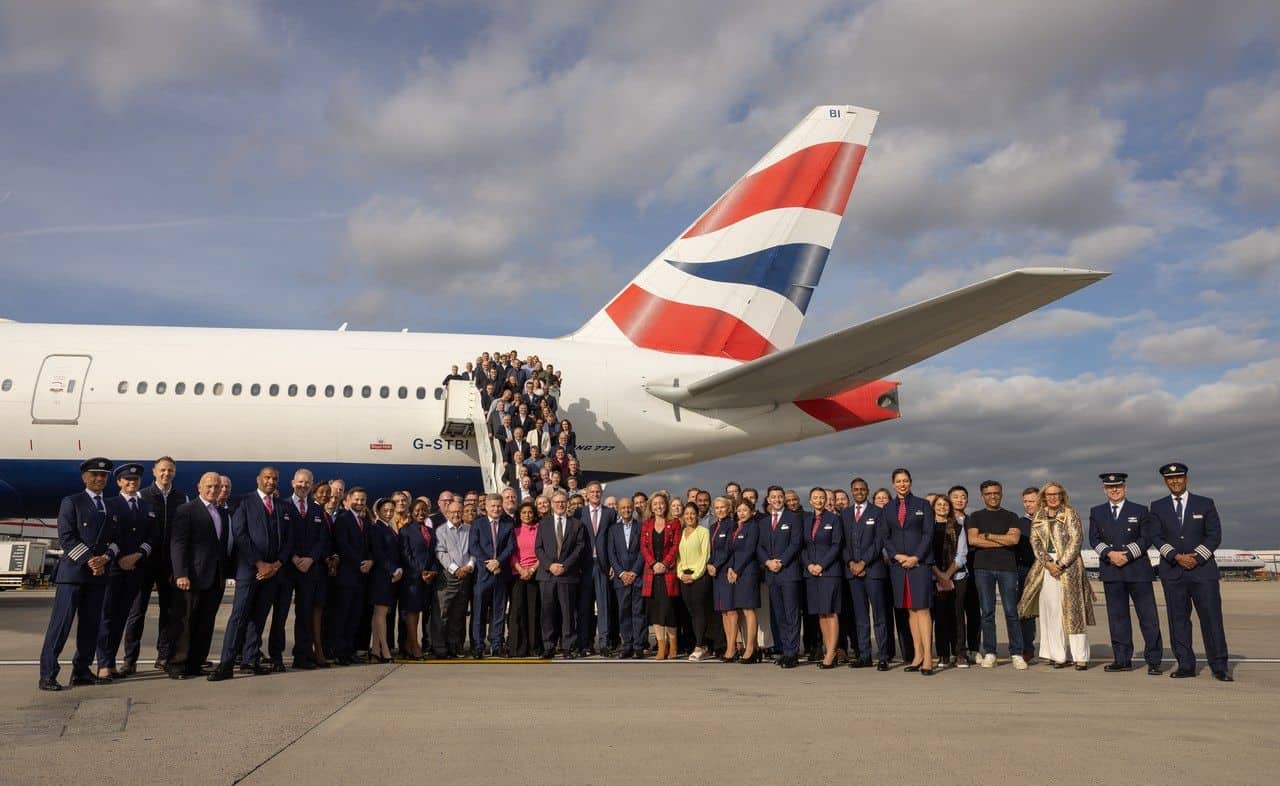
Modern-day aviation networks finally put an end to historic airport delays with a groundbreaking new artificial intelligence system. UK Aligns With Germany and Other Countries On AI Flight Rebooking Tech to finally free passengers from frustrating customer service queues once and for all. As a result, passengers experience effortless automated self-healing journeys when unexpected weather grounds multiple international airline connections. Additionally, modern cross-carrier federated engines are now able to send updated mobile boarding passes directly to cell phones before travelers even leave the tarmac. In the end, this new digital revolution completely redefines global passenger rights compliance and eliminates traditional interline friction across alliance partners.
Why Are Multi-Carrier Itineraries So Prone to Disruption Chaos?
Multi-leg journeys spanning multiple code-share partner airlines often break down when severe weather or technical groundings trigger operational chaos across independent reservation systems. Passengers historically face hours standing in endless airport customer service queues while ground agents desperately try to untangle fractured booking references. These frustrating delays occur because legacy platforms operate in isolated silos without sharing real-time seat inventory or liability data smoothly.
When a single delay cascades across an alliance network, individual airlines struggle to coordinate alternative routing without manual ticket endorsements and tedious authorization loops. This structural friction turns an already stressful travel delay into an adversarial ordeal where passengers feel completely abandoned between different carriers. Ultimately, the lack of synchronized communication protocols across global alliances creates massive operational bottlenecks that degrade traveler trust. Advanced federated intelligence architectures now bridge these legacy divides to ensure smooth coordination during unexpected flight irregularities.
How Do Cross-Carrier Federated AI Engines Work in Practice?
Cross-carrier federated AI engines utilize decentralized machine learning models and secure application programming interface handshakes to synchronize data across competing alliance partners in real time. These sophisticated systems continuously monitor global airspace telemetry, predictive weather patterns, and airport congestion logs to anticipate missed connections hours before touchdown. Once an irregularity is flagged, the AI evaluates alternative seating inventories across multiple partner airlines simultaneously without exposing proprietary commercial data.
Advertisement
Advertisement
The underlying algorithm splits passenger name records securely and executes multi-carrier rebooking protocols automatically while the aircraft is still taxiing to the gate. By bypassing traditional passenger service system limitations, the technology coordinates complex itinerary shifts instantly across international joint ventures. This automated orchestration transforms a fragmented multi-airline network into a unified self-healing ecosystem designed for maximum passenger convenience. Consequently, travelers receive updated boarding passes directly on their mobile devices without needing to speak with a human agent.
Advertisement
Advertisement
“This groundbreaking cross-carrier AI shift completely redefines how the aviation industry handles multi-leg disruption chaos. By bridging isolated legacy systems through secure federated data engines, airlines are finally eliminating the agonizing airport queues and fractured customer service loops that travelers have endured for decades. Pushing automated rebooking, hotel vouchers, and instant statutory payouts directly to a passenger’s mobile wallet before they even deplane turns a traditionally stressful ordeal into a seamless, self-healing experience. It represents a monumental leap forward for global passenger rights compliance and absolute operational efficiency.”
— Anup Kumar Keshan, Founder and Editor-in-Chief, Travel And Tour World
What Role Does Automated Compensation Play in Modern Recovery?
Automated compensation compliance engines remove the painful post-travel paperwork burden by instantly assessing statutory mandates like EU261 or UK261 regulatory payouts during a disruption event. The system analyses flight telemetry to instantly determine whether a delay resulted from extraordinary circumstances or airline-controlled technical faults. If compensation is legally warranted, the software calculates the exact statutory amount and initiates direct digital banking transfers or immediate voucher issuances.
Advertisement
Advertisement
Simultaneously, the platform coordinates dynamic hotel allocations and digital meal vouchers, pushing QR codes straight to the affected passenger’s mobile wallet. This proactive approach converts a historically contentious legal battleground into an instant gesture of customer care and financial accountability. Airlines benefit by significantly reducing administrative overhead, legal fees, and prolonged dispute handling costs associated with delayed claims processing. Integrating these financial workflows directly into the rebooking loop redefines modern passenger rights management on a global scale.
For official guidance on passenger rights and statutory compensation frameworks, you can review the UK Civil Aviation Authority portal.
Advertisement
Advertisement
How Are Global Aviation Hubs Scaling These Technologies?
Aviation hubs across the United Kingdom, United States, Germany, and Singapore are pioneering distinct operational strategies to scale these automated disruption frameworks effectively. In the United Kingdom and Germany, major carriers focus heavily on standardising cross-carrier rebooking protocols and regulatory compliance engines to satisfy strict European passenger rights mandates. Meanwhile, network legacies in the United States deploy predictive disruption triage to handle complex domestic-to-international transfer collapses seamlessly.
In Asia, Singaporean super-connector hubs utilize integrated regional alliance data platforms to instantly reroute transit passengers across vast international networks during severe weather events. These localized innovations demonstrate how different regulatory environments and geographic demands accelerate the global adoption of intelligent self-healing travel loops. By tailoring federated AI solutions to regional operational challenges, the international aviation sector moves closer to a truly frictionless multi-carrier travel experience. Ultimately, these collaborative deployments establish a robust new benchmark for customer resilience and operational efficiency worldwide.
| Country / Hub | Core Focus Area | Primary Technology Mechanism | Regulatory / Operational Benefit |
| United Kingdom | Alliance-wide cross-carrier rebooking protocols | Federated AI parsing PNRs across partner inventories | Automated UK261 compliance and reduced queue congestion |
| United States | Predictive disruption triage for transfer collapses | Real-time airspace and weather telemetry analysis | Preemptive transoceanic re-accommodation prior to deplaning |
| Germany | Standardized passenger-rights compliance software | Cross-border orchestration layers bridging legacy PSS systems | Instant statutory cash compensation alongside digital vouchers |
| Singapore | Mega-hub integration across regional networks | Multi-carrier data platforms uniting low-cost and full-service carriers | Minimized transit terminal dwell times during severe regional weather |
The main reason is the growing passenger dissatisfaction due to disrupted customer service chains and wasted time at airports. Advanced federated intelligence technologies can resolve the issue by automatically rebooking passengers on alternative flights and paying the required compensation. The main advantage is reducing the number of hours spent in airports by providing mobile-based multi-carrier self-healing solutions.
The global airline industry has officially entered the age of multi-carrier automated self-healing systems for disrupted passenger journeys and optimized loyalty retention. By utilizing distributed machine learning models, major international carriers were able to sidestep customer service limitations and respond to extreme weather cancellations. The result was taking passengers away from the agony of customer support queues and tedious compensation claims by automatically crediting alternate itineraries and accommodations in mobile wallets even before the diverted aircraft touch down at the destination airport. Such unified cross-border technologies will ensure seamless multinational travel in the future.
Image Source: British Airways Media Centre
Advertisement
