

Nigeria Travel Eyes Powerful Tourism Revival as RMD Calls for Stronger International Confidence

Updated
Published
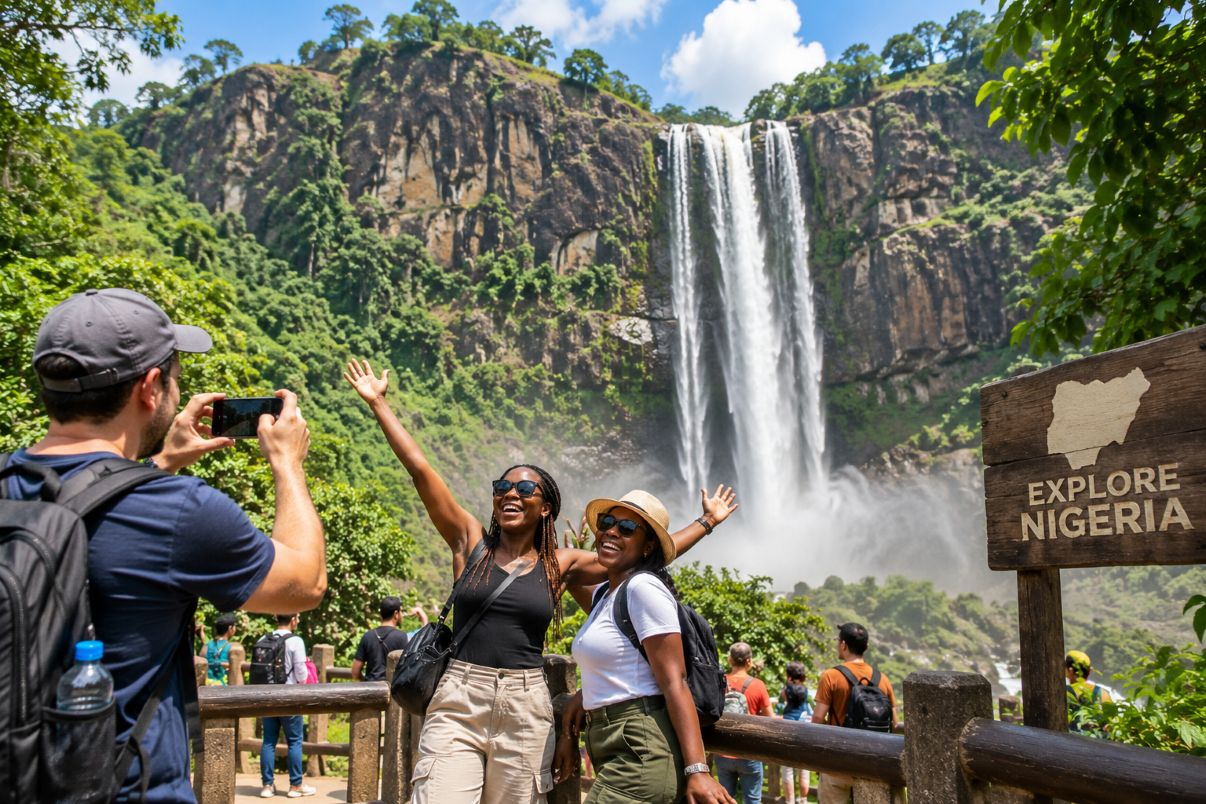
Nigeria, particularly Lagos, Abuja and Osun State, is confronting an important challenge over how the world perceives its tourism potential, cultural achievements and economic opportunities. At the Pivot Nigeria Conference in Lagos, actor Richard Mofe-Damijo, Victoria Uwadoka and representatives of the Nigerian Institute of Public Relations urged government institutions and citizens to confront damaging international perceptions through credible achievements and practical reforms. Their message places Nigeria travel within a wider discussion about national reputation, investment and visitor confidence. Rather than depending entirely on promotional campaigns, participants emphasised accountability, stronger infrastructure and reliable public services as foundations for improving Nigeria’s international standing.
Nigeria Travel Reputation Becomes a Major Issue at Lagos Conference
The debate took place at the Pivot Nigeria Conference, held at La Scala, MUSON Centre, Lagos, and reported by The Guardian Nigeria on 7 October 2026.
The gathering examined how Nigeria’s international reputation influences tourism, economic development, investment and public confidence.
Participants included actor and former Delta State Commissioner for Culture and Tourism Richard Mofe-Damijo, conference convener Victoria Uwadoka and Adetokunbo Modupe, who represented Nigerian Institute of Public Relations President Dr Ike Neliaku.
Advertisement
Advertisement
Their discussions focused on improving Nigeria’s international credibility while recognising the country’s existing economic and social difficulties.
The conference did not announce a new government tourism policy or international promotional campaign.
Advertisement
Advertisement
Instead, speakers called for greater cooperation between government institutions, businesses, professional organisations and citizens to strengthen the country’s reputation through measurable progress.
Richard Mofe-Damijo Calls for Powerful Change in Nigeria’s International Image
Richard Mofe-Damijo encouraged Nigerians to adopt a more constructive approach towards their country’s global reputation.
Advertisement
Advertisement
Drawing on his experience in entertainment, culture and public service, he argued that Nigeria’s challenges should be acknowledged without allowing negative perceptions to overshadow its achievements.
He also emphasised the importance of public accountability and individual responsibility.
His comments are particularly relevant to tourism because Nigeria’s entertainment and cultural industries influence how international audiences perceive the country.
Nollywood, Afrobeats, fashion and literature have introduced Nigerian creativity to millions of people worldwide.
Advertisement
Advertisement
However, cultural recognition does not automatically translate into stronger international visitor confidence.
For tourism stakeholders, the challenge involves connecting Nigeria’s creative achievements with dependable infrastructure, professional hospitality and reliable visitor services.
Victoria Uwadoka Demands Practical Reforms Behind Tourism Promotion
Pivot Nigeria convener Victoria Uwadoka highlighted the relationship between reputation, public trust and economic opportunity.
She argued that national confidence must be supported by meaningful improvements rather than communication alone.
Her priorities included better infrastructure, reliable electricity, effective government policies and a stronger business environment.
She also encouraged citizens to participate in public affairs and demand accountability from public institutions.
Advertisement
Advertisement
These proposals carry important implications for Nigeria’s tourism industry.
International visitors evaluate destinations through their experiences with transport, accommodation, public services and hospitality.
Promotional campaigns can encourage travellers to consider a destination, but dependable services and positive experiences influence whether they return.
Uwadoka’s arguments therefore connect national reputation with the practical conditions required to support sustainable tourism growth.
Nigerian Public Relations Leaders Push for Stronger Global Recognition
Adetokunbo Modupe, representing Dr Ike Neliaku, described national reputation as an important economic asset.
He linked international perceptions with tourism, investment, diplomacy, entrepreneurship and economic confidence.
Advertisement
Advertisement
His proposals included documenting Nigeria’s achievements more systematically and developing mechanisms to understand how the country is perceived internationally.
Nigeria’s strengths in Afrobeats, Nollywood, fashion, technology, sport, literature and business were identified as areas deserving greater international recognition.
However, participants also acknowledged that communication campaigns cannot replace improvements in governance and public administration.
For tourism, this creates two connected priorities.
Nigeria must communicate its authentic cultural achievements while improving the conditions that influence visitors’ experiences.
Lagos Tourism Could Benefit From Nigeria’s Global Cultural Influence
Lagos provides an important example of Nigeria’s cultural tourism potential.
Advertisement
Advertisement
The city is a major centre for entertainment, music, film production, galleries, restaurants and business events.
Nollywood and Afrobeats have helped introduce Nigerian culture to international audiences, creating opportunities for tourism connected with music, entertainment and contemporary African creativity.
However, translating cultural visibility into visitor demand requires more than international recognition.
Travellers also need reliable transport, trustworthy accommodation, accessible visitor information and professional services.
Improving these conditions could strengthen Lagos’ appeal to cultural tourists, business visitors and international event organisers.
The same principles apply to other Nigerian destinations seeking to attract conferences, festivals and international leisure travellers.
Advertisement
Advertisement
Osun-Osogbo Sacred Grove Strengthens Nigeria’s Heritage Tourism Identity
Nigeria’s tourism potential extends beyond contemporary entertainment.
The Osun-Osogbo Sacred Grove in Osun State is recognised by UNESCO for its cultural and spiritual significance.
The site reflects important Yoruba traditions and remains a major heritage destination.
The annual Osun-Osogbo Festival also attracts attention through traditional ceremonies, cultural performances and community participation.
For tourism promoters, destinations such as Osogbo demonstrate the importance of presenting authentic cultural experiences alongside modern creative achievements.
However, heritage tourism also requires conservation, responsible visitor management and dependable access.
Advertisement
Advertisement
International recognition can generate interest, but preserving cultural integrity remains essential.
The UNESCO World Heritage Centre provides official information about the Osun-Osogbo Sacred Grove.
Nigeria Travel Requirements Remain Important for International Visitors
International travellers considering Nigeria should review official immigration requirements before booking.
The Nigeria Immigration Service provides an F5A tourism visa for eligible foreign visitors.
This visa allows a single entry and a stay of up to 30 days, with validity of 90 days from issuance.
Applicants generally require a passport valid for at least six months, return travel arrangements, accommodation or host information and evidence of sufficient funds.
Advertisement
Advertisement
Visa exemptions may apply to certain nationalities.
Travellers should confirm their eligibility through the official Nigeria Immigration Service website.
Entry documentation and applicable health requirements should also be checked before departure.
These practical considerations remain essential regardless of promotional campaigns designed to improve Nigeria’s international image.
Security and Infrastructure Remain Critical to Visitor Confidence
Security continues to influence international travel decisions involving Nigeria.
The UK Foreign, Commonwealth & Development Office advises against travel to several Nigerian regions and against all but essential travel to others.
Advertisement
Advertisement
Its guidance identifies risks involving terrorism, kidnapping, violent crime and transportation.
Security conditions vary between states and localities, making destination-specific planning important.
Travellers should review current government advice, arrange dependable local transportation and ensure appropriate insurance coverage.
Official information is available through UK government Nigeria travel advice.
These concerns reinforce the conference’s central argument.
Improving international confidence requires practical progress in infrastructure, security, public services and institutional reliability.
Advertisement
Advertisement
Positive communication alone cannot resolve those challenges.
Why Nigeria’s Global Reputation Could Shape Future Tourism Growth
The Pivot Nigeria Conference highlighted the relationship between national credibility and economic opportunity.
Countries with internationally recognised cultural identities can attract attention through entertainment, literature, fashion, sport and heritage.
Nigeria already possesses significant strengths across these sectors.
However, sustainable tourism growth depends on translating international interest into positive visitor experiences.
Reliable transportation, accessible information, professional hospitality and responsible destination management are essential.
Advertisement
Advertisement
The conference did not establish a new tourism investment programme or announce government funding for destination development.
Instead, participants advocated a coordinated approach combining authentic storytelling, accountability and institutional improvements.
For Nigeria’s tourism industry, that approach could help strengthen international confidence while ensuring promotional claims reflect the experiences visitors actually encounter.
Conclusion
Nigeria, from Lagos and Abuja to Osun State, has an opportunity to strengthen its international tourism identity by connecting cultural achievements with meaningful improvements in visitor experiences. The Pivot Nigeria Conference highlighted how reputation influences investment, confidence and international interest in destinations. Richard Mofe-Damijo, Victoria Uwadoka and public-relations representatives encouraged stronger storytelling supported by accountability and practical reforms. For Nigeria travel, the challenge extends beyond promoting Nollywood, Afrobeats and heritage attractions. Visitors also need dependable infrastructure, trustworthy services and clear travel information. Nigeria’s cultural strengths provide a powerful foundation, but lasting tourism confidence will depend on credible improvements that travellers can experience themselves.
Advertisement
