

Saudi Arabia and Yemen Travel on High Alert After Houthi Strikes Target Major Airports

Published
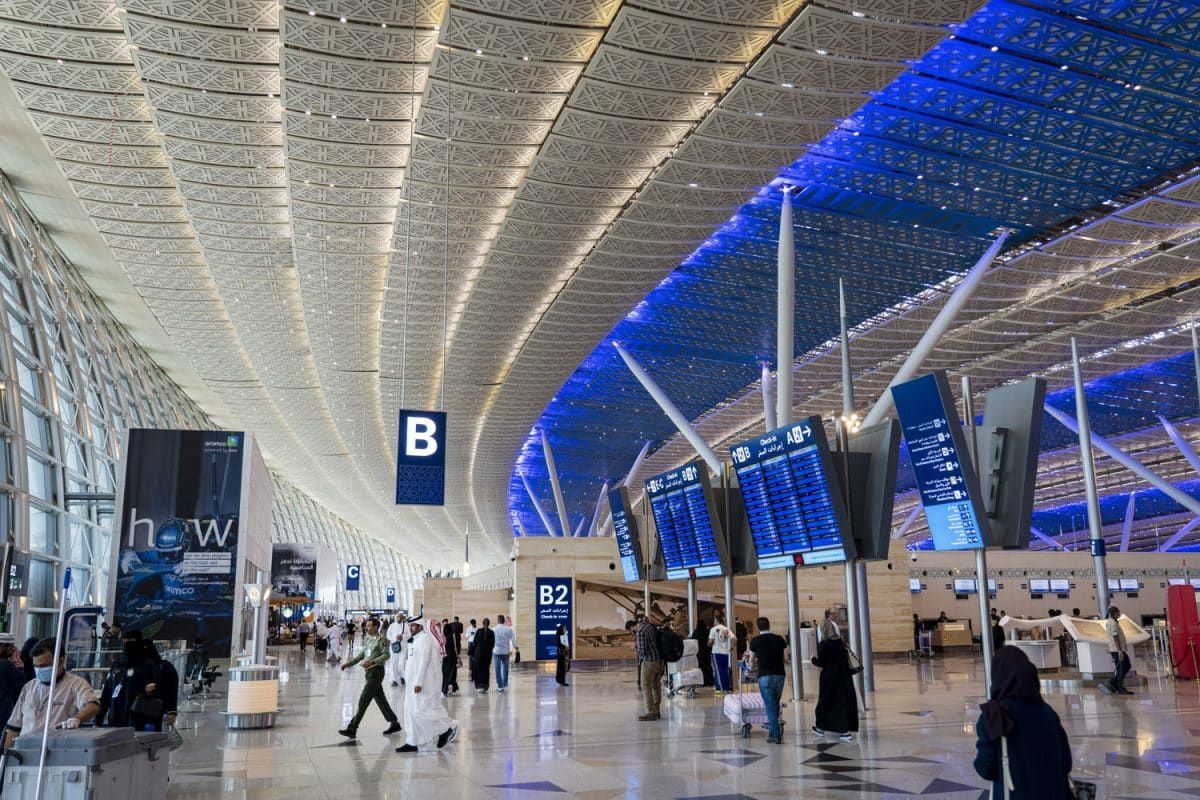
Saudi Arabia and Yemen are confronting renewed aviation security concerns after attacks on two Saudi airports killed three people and injured 36, while a separate missile incident threatened operations at Aden International Airport. The violence, reported on 7 October 2026, has intensified uncertainty for passengers travelling through parts of the Middle East. Houthi rebels claimed responsibility for the Saudi airport attacks, although Saudi aviation authorities did not publicly identify the perpetrators in their initial account. With fighting also escalating near the Bab el-Mandeb Strait, travellers face growing concerns about airport security, possible flight disruption and rapidly changing regional conditions.
Saudi Arabia and Yemen Travel Faces New Risks After Airport Attacks
The latest incidents have placed civilian aviation infrastructure at the centre of renewed regional security concerns.
According to Associated Press reporting, attacks affected Abha International Airport in southwestern Saudi Arabia and King Khalid International Airport in Riyadh.
At Abha, two people identified as Moroccan and Algerian residents were killed, while 28 others suffered injuries.
Advertisement
Advertisement
In Riyadh, a Sudanese national died and eight people were injured.
Together, the incidents resulted in three reported deaths and 36 injuries.
Advertisement
Advertisement
The Houthi movement claimed responsibility, but Saudi Arabia’s General Authority of Civil Aviation did not publicly attribute responsibility in its initial statement.
The attacks underline the potential consequences of military activity affecting airports that serve civilian passengers.
Riyadh Airport Operations Face Disruption After Reported Houthi Strike
King Khalid International Airport is one of Saudi Arabia’s principal international aviation gateways.
Following the attack, flight-tracking information cited by news organisations indicated brief disruption to services arriving at and departing from Riyadh.
The Houthis claimed to have used missiles and drones against Saudi targets, including the airport.
Separately, the Saudi-led coalition reported intercepting a ballistic missile north of Riyadh.
Advertisement
Advertisement
Coalition spokesperson Major General Turki al-Malki also said coalition forces had destroyed a missile-launching platform in Sanaa, Yemen’s capital.
However, Associated Press reporting noted that those military claims could not be independently verified.
Importantly, the available evidence does not establish that King Khalid International Airport experienced a prolonged shutdown or that all scheduled flights were cancelled.
Passengers should therefore distinguish between reported temporary disruption and confirmed airport closure.
Abha International Airport Attack Raises Serious Civilian Safety Concerns
The attack on Abha International Airport produced the highest reported casualty count among the Saudi incidents.
Two people were killed and 28 others injured.
Advertisement
Advertisement
Abha serves southwestern Saudi Arabia and provides an important aviation connection for the surrounding region.
The incident demonstrates how attacks on airport infrastructure can endanger civilians even when commercial aviation services remain available.
For travellers, the immediate concern involves the possibility of unexpected security restrictions, delays and changes to airport operations.
However, no complete list of cancelled flights or a confirmed extended airport closure was established in the available reporting.
Passengers planning journeys through Abha should verify departure arrangements directly with their airlines and monitor official airport communications.
Yemen’s Aden Airport Faces Missile Threat Near Passenger Operations
A separate incident occurred at Aden International Airport in southern Yemen.
Advertisement
Advertisement
Houthi representatives said their intended target was a military camp near the airport.
Aden’s security authorities provided a different account, reporting that two missiles had been directed towards the airport itself.
No casualties were reported from the Aden incident.
Yemen’s Human Rights Ministry said a missile struck near the runway shortly before an aircraft travelling from Cairo was expected to arrive.
Passengers were also reportedly waiting for a flight to Jeddah.
Accounts of the incoming aircraft’s movements differ.
Advertisement
Advertisement
Associated Press reporting cited flight-tracking information indicating that Yemenia Flight 603 landed safely in Aden, while other reports attributed to Yemen’s Transport Ministry described an incoming Cairo service being diverted to Jeddah.
The discrepancy remains unresolved in the available information.
Bab el-Mandeb Fighting Creates Wider Regional Transport Concerns
The airport incidents occurred alongside intensified military operations in western Yemen.
Saudi-backed forces have been attempting to regain territory held by the Houthis near the strategically important Bab el-Mandeb Strait.
The passage connects the Red Sea with the Gulf of Aden and forms an important international maritime trade corridor.
Associated Press reporting cited an estimate that approximately 12% of global trade passes through the strait.
Advertisement
Advertisement
Both sides have made competing claims about control of coastal positions, including Dhubab and Al-Jadid.
Those battlefield claims have not been independently verified.
Continued fighting could create additional risks for maritime transportation, commercial shipping and regional supply chains.
However, the reporting does not establish that Bab el-Mandeb has been completely closed to international shipping.
Yemen’s Humanitarian Emergency Adds to Travel Safety Challenges
The renewed conflict is also worsening humanitarian conditions in Yemen.
United Nations figures cited in the Associated Press account indicated that almost 1,000 people had been killed during the latest fighting, while more than 200,000 had been displaced.
Advertisement
Advertisement
The World Health Organization also reported rising cholera and malnutrition cases, reduced access to trauma treatment and shortages of medical supplies in some hospitals.
These developments demonstrate that the consequences extend far beyond aviation.
For civilians, disrupted medical services and displacement create immediate humanitarian needs.
For international travellers, the combination of armed conflict, security threats and weakened essential services makes travel to Yemen particularly dangerous.
The reported humanitarian figures relate to the wider fighting and should not be confused with casualties from the individual airport attacks.
Saudi Arabia Travel Advisory Warns of Missile and Drone Threats
The United States Department of State’s advisory dated 15 September 2026 classified Saudi Arabia at Level 3 — Reconsider Travel.
Advertisement
Advertisement
The advisory identified armed conflict, missile and drone threats, terrorism and other security concerns.
Areas near the Yemen border carried stronger Level 4 warnings.
The guidance does not mean every commercial flight into Saudi Arabia has stopped operating.
However, passengers should recognise that aviation conditions may change with little notice during regional security incidents.
Travellers should consult the official US State Department Saudi Arabia travel advisory before departure.
Airline schedules, airport notices and government security instructions should be checked separately.
Advertisement
Advertisement
Yemen Travel Remains Under the Highest US Warning Level
Yemen remains subject to a Level 4 — Do Not Travel advisory from the US Department of State.
The advisory identifies armed conflict, terrorism, kidnapping, crime and health-related risks.
The US Embassy in Sanaa has been closed since 2015, limiting the availability of American consular assistance inside Yemen.
The UK Foreign, Commonwealth & Development Office also advises against all travel to Yemen.
These warnings are particularly important because international travellers may face limited emergency assistance if security conditions deteriorate.
Official guidance is available through the UK government Yemen travel advisory.
Advertisement
Advertisement
The security situation should be assessed using current government information rather than relying exclusively on previously published flight schedules.
What Should Passengers Know About Middle East Flight Disruptions?
Travellers using airports in Saudi Arabia should verify their complete flight itinerary before leaving for the airport.
This includes checking departure times, connecting flights, possible cancellations and any airline rebooking arrangements.
Passengers should also follow local security instructions and avoid restricted military or security areas.
Those already in affected locations should keep travel documents accessible and monitor official airport announcements.
Flight information can change quickly during missile or drone incidents, even when an airport has not formally closed.
Advertisement
Advertisement
Travellers should avoid approaching unidentified debris and follow shelter instructions issued by local authorities.
The most important precaution is to obtain updated information directly from airlines, airports and relevant government agencies.
Conclusion
Saudi Arabia and Yemen face serious aviation security challenges after deadly airport attacks and renewed fighting near a vital international shipping corridor. The reported deaths and injuries underline the human consequences of violence affecting civilian transport infrastructure. For passengers, the immediate priority is understanding whether individual flights remain operational and following official security instructions. Yemen’s continuing humanitarian emergency adds another layer of concern, while Saudi Arabia faces pressure to maintain reliable airport operations. As regional tensions persist, Saudi Arabia and Yemen travel remains highly sensitive to sudden developments. Travellers should monitor government advisories, confirm airline schedules and avoid assuming that previously announced services will operate without disruption.
IMAGE SOURCE: AVIATION BUSINESS MIDDLE EAST
Advertisement
