

Círio de Nazaré Draws Millions to Belém for October Processions in Brazil

Published
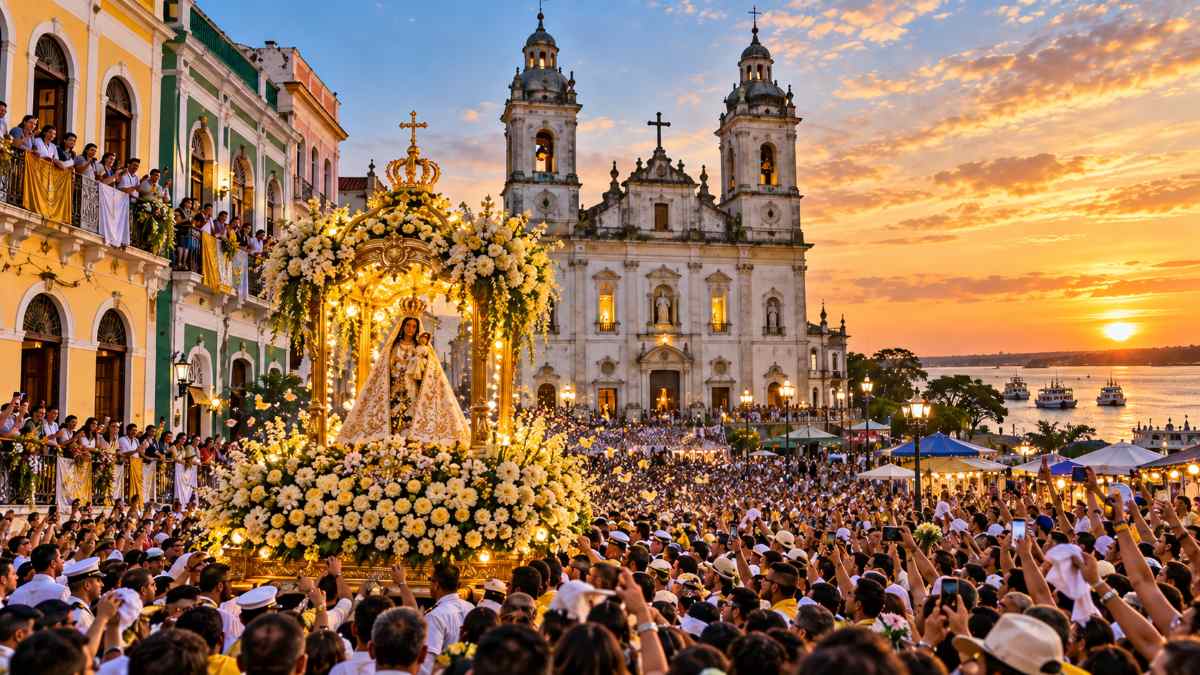
The city of Belém will be one of the centres for religious travel in Brazil with the arrival of Círio de Nazaré in 2026, which will draw millions of pilgrims and tourists to the capital of Pará. These include the two most important processions, which occur on the days of 10th and 11th October, where the Trasladação happens in the evening and the Círio itself on Sunday morning. It is the biggest Catholic pilgrimage in the world and far beyond the religious aspects of it, because it involves faith, culture, cuisine, music and public festivals, resulting in one of the biggest tourism periods in northern Brazil. The number of participants in the Círio procession is predicted by the organisers to be about 2.3 million in the main Sunday procession. The scale of the event requires much work with accommodation, transportation, security, catering and many other organisational aspects of the city. It also presents great opportunities for tourism in the Brazilian region of Pará and the Amazon area.
Two Major Processions Define the October Weekend
The Trasladação takes place on Saturday, October 10. Following a mass at Colégio Gentil Bittencourt scheduled for 4.30pm, the procession is due to leave at 5.30pm and travel towards the Catedral Metropolitana de Belém.
Advertisement
Advertisement
The main Círio procession follows on Sunday, October 11. A mass is scheduled at the cathedral at 6am, with the procession departing at 7am towards the Basílica Santuário de Nossa Senhora de Nazaré. The route covers approximately 3.6 kilometres through central Belém.
The two events create a concentrated period of movement through the city. Roads, public transport services and pedestrian routes require careful coordination, particularly around the cathedral, the procession route and the basilica.
Advertisement
Advertisement
The weekend is part of a wider programme of religious events running from October 7 to October 26. Other activities include the river procession, the motorcycle procession, the children’s procession and the closing Recírio. This extended calendar gives visitors more opportunities to experience the festival beyond its best-known Sunday gathering.
Religious Heritage Supports Belém’s Tourism Economy
Círio de Nazaré is recognised by UNESCO as an element of Brazil’s intangible cultural heritage and is included on the organisation’s Representative List of the Intangible Cultural Heritage of Humanity. Its importance lies not only in the scale of attendance but also in the traditions passed between generations.
Advertisement
Advertisement
For visitors, the festival offers an introduction to Pará’s cultural identity. The devotion to Nossa Senhora de Nazaré is closely connected with family life, local history and the region’s religious traditions. Streets decorated for the occasion, public gatherings and food associated with the celebration contribute to the wider visitor experience.
The economic impact extends across several parts of the local service sector. Hotels, guesthouses, restaurants, food vendors, transport operators and small businesses all serve visitors arriving for the festival. Religious tourism also supports seasonal employment and provides additional demand for local suppliers.
Advertisement
Advertisement
Claims that Belém has reached full hotel capacity and generated more than US$30 million in hospitality and gastronomy revenue should, however, be treated cautiously unless supported by a published 2026 assessment from Pará’s tourism authorities. The expected scale of attendance indicates substantial demand, but it does not independently establish a particular occupancy rate or revenue total.
Amazon Experiences Offer Visitors a Longer Stay
Belém’s location near the mouth of the Amazon gives the city a distinctive position in Brazil’s tourism market. Visitors who travel for Círio de Nazaré can also explore the region’s river landscapes, island communities and food traditions.
Guajará Bay is an important part of the city’s waterfront setting. Boat excursions and river experiences offer visitors a different perspective on Belém, while nearby islands provide opportunities to discover local communities and regional cuisine.
Marajó Island is another potential extension for travellers with additional time. Known for its river and coastal landscapes, water buffalo, local crafts and distinctive food culture, the island offers a different experience from the urban setting of Belém. Access generally involves river transport, so visitors should plan connections and overnight stays rather than assume it can be covered as a short city excursion.
Advertisement
Advertisement
These extensions create opportunities for tourism operators to connect religious travel with nature-based experiences. However, excursions should be planned around the festival’s procession schedule, transport demand and the time needed to reach destinations outside the city.
Getting to Belém and Planning the Visit
Belém is served by Val-de-Cans International Airport, officially known as Belém International Airport, which connects the city with major Brazilian destinations. Travellers arriving for the October celebrations should arrange airport transfers and accommodation well in advance, as demand can rise sharply around the principal processions.
The city has road connections to other parts of Pará, although journeys beyond the metropolitan area can involve considerable distances. River transport is also important to regional travel, particularly for visitors heading towards island communities and settlements along the Amazon waterways.
Within Belém, visitors should expect road closures, diversions and crowded pedestrian areas during the main events. Accommodation close to the procession routes may offer convenient access, but travellers should confirm hotel access arrangements and local transport options before arrival.
Food is another important part of the experience. Pará’s cuisine includes regional ingredients such as tucupi, jambu, açaí and freshwater fish. Restaurants and local food markets give visitors opportunities to experience the state’s culinary traditions alongside the religious programme.
A Wider Role for Northern Brazil in International Tourism
The Círio de Nazaré festival is important in positioning Belém in the cultural tourism landscape of Brazil. The fact that it attracts many locals and foreign tourists showcases the business potential of such events and, in particular, that of events that are held in places that are not among the popular tourism hubs of Brazil, namely, its southern regions. It also provides a good opportunity to advertise the other attractions of the region, including river trips, communities of islands, culinary specialities, and cultural heritage. For foreign visitors, it may be combined with a trip around the Amazon and make the visit to northern Brazil more interesting. The first challenge that must be faced by the destination is organising the October influx of tourists without compromising the religious and cultural nature of the festival.
Advertisement
