

Sweden Aligns With Austria And More In Expanding Rail Travel In Europe As New Routes And Major Investments Transform Tourism In 2026

Published
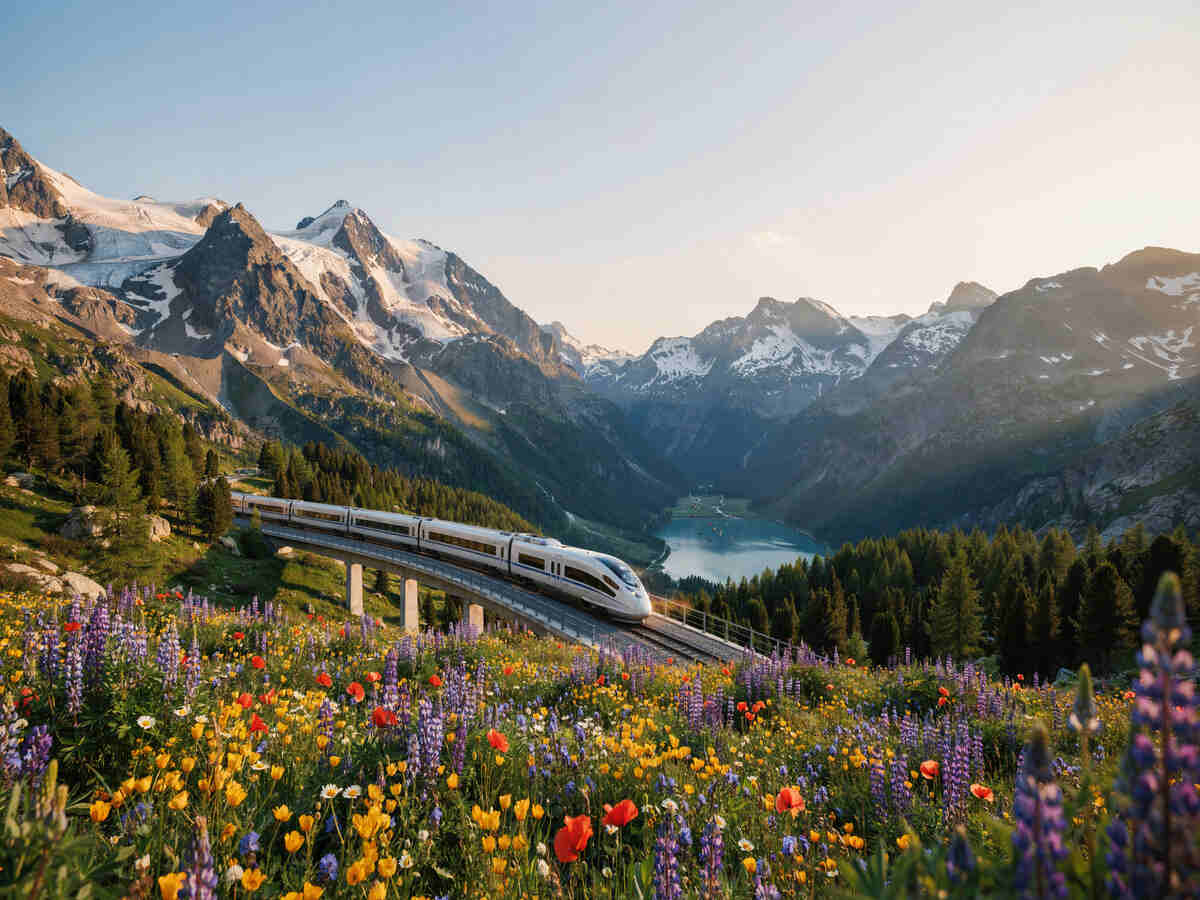
Sweden is one of those European countries that is developing rail tourism through new routes and investment, along with Austria and some other European countries. Sweden is one of those countries in Europe that will be developing rail travel in 2026, just like Austria, Germany, France, Spain, Italy, and some other European countries, by way of new routes, infrastructure development, and tourism. The developments have made rail travel more accessible throughout Europe by connecting major cities, winter destinations, and tourism hubs. Whether it be the Swedish Arctic trains, the Alpine trains in Austria, the development of cross-border railways in Germany, or the development of high-speed rail capacity in Spain, the European countries have come up with ways of making train travel easier.
Sweden Accelerates Rail Expansion With Arctic Trains And Major Infrastructure Investment
Sweden is strengthening its railway network through government funding, international passenger services and additional winter tourism connections.
Advertisement
Advertisement
The Swedish government approved a transport infrastructure plan worth SEK 1,171 billion for 2026–2037, covering both roads and railways. This includes SEK 210 billion for railway maintenance, operations and reinvestment over the planning period.
Rail operator Snälltåget has expanded international connectivity through services linking Malmö, Copenhagen, Hamburg, Gothenburg and Oslo.
Advertisement
Advertisement
A special 2,156-kilometre Arctic train journey from Malmö to Narvik is scheduled for November 2026, offering access to Kiruna, Abisko and other northern destinations.
Additionally, a new Saturday train-and-bus service to Sälen will operate from December 2026 until April 2027, improving access to Swedish ski resorts.
Advertisement
Advertisement
Gothenburg’s new underground Station Centralen is also scheduled to welcome passengers in December 2026.
Together, these developments support international tourism, regional accessibility and Sweden’s expanding winter holiday market.
Advertisement
Advertisement
Austria Strengthens Alpine Tourism Through Nightjet Services And Modern Railway Connections
Austria is developing its railway network through modern infrastructure, international passenger connections and established overnight services.
National operator ÖBB continues to provide Railjet and Nightjet connections between Austrian cities and destinations across Germany, Italy and Central Europe.
The Koralm Railway, which entered service in December 2025, is improving journeys between Graz and Klagenfurt during 2026, strengthening accessibility across southern Austria.
International railway cooperation is also advancing. ÖBB, Deutsche Bahn and Trenitalia are preparing direct Frecciarossa services connecting Munich with Milan and Rome through Austria.
Advertisement
Advertisement
Although previously associated with the December 2026 timetable, these services are now expected to launch in summer 2027.
Austria’s existing Nightjet network remains especially important for travellers visiting Alpine destinations.
By combining improved infrastructure with international services, Austria is supporting city tourism, mountain holidays and longer European railway journeys.
Germany Boosts European Rail Tourism With New Cross-Border Routes And Faster Connections
Germany is strengthening European rail travel in 2026 through expanded international services and improved long-distance connectivity. Deutsche Bahn’s updated timetable introduces approximately 40 new or extended daily cross-border journeys, connecting Germany with nine European countries. These improvements make multi-country holidays more accessible while strengthening links with major tourism destinations.
Key Railway Developments in Germany:
- Germany–Poland: New EuroCity services connect Leipzig and Kraków, improving international travel.
- Prague–Copenhagen: Direct trains through Germany strengthen Central European and Scandinavian connections.
- Cologne–Antwerp: New ICE services via Brussels Airport improve rail and air connectivity.
- Domestic Expansion: Half-hourly long-distance service patterns now cover 21 German cities.
- Tourism Benefits: Better connections through Hamburg and Copenhagen support onward journeys to Sweden.
These developments reinforce Germany’s position as a major European railway hub, making cross-border tourism and multi-destination rail holidays more convenient.
Advertisement
Advertisement
France Accelerates Railway Modernisation With €6 Billion Investment To Strengthen Tourism
France is upgrading its railway network in 2026 through a €6 billion modernisation programme managed by SNCF Réseau. Covering approximately 1,700 worksites, the initiative aims to improve train reliability, infrastructure capacity and passenger connectivity. The improvements will support domestic and international travel to major tourism destinations, including Paris, Lyon, Marseille and Bordeaux, although some services may experience temporary disruptions during construction.
Key Railway Improvements in France:
- Track Transformation: Renewal of 1,017 kilometres of railway lines to strengthen network performance.
- Electrification Upgrades: Improvements to 275 kilometres of overhead electrical infrastructure.
- Operational Efficiency: Renewal or removal of approximately 380 railway points to improve operations.
- Tourism Connectivity: More reliable infrastructure to support high-speed and regional journeys across France.
These investments reinforce France’s long-term commitment to modern, reliable and accessible rail travel, supporting tourism and cross-border mobility across Europe.
Spain Accelerates High-Speed Rail Travel With More Seats And Stronger Tourism Links
Spain is strengthening its high-speed railway network in 2026, offering greater passenger capacity and improved connections between major tourism destinations. National operator Renfe introduced additional services to accommodate summer travel demand, particularly along the popular Madrid–Málaga corridor linking the capital with Andalusia.
Key Highlights of Spain’s Rail Expansion:
- 21.6 Million Seats: Offered across Renfe services between 30 June and 15 September 2026.
- High-Speed Travel: More than 8.9 million seats allocated to commercial long-distance and high-speed trains.
- Regional Connectivity: Approximately 12.8 million seats provided on medium-distance services.
- Madrid–Málaga Expansion: Weekly high-speed departures increased from 166 to 174 in July.
- Greater Passenger Capacity: Weekly seats on the route rose from 57,836 to 61,176.
These improvements are helping Spain accommodate holiday demand while making cultural attractions, regional cities and popular holiday destinations more accessible by rail.
Advertisement
Advertisement
Italy Strengthens European Rail Travel With High-Speed Trains And New International Connections
Italy is strengthening European rail connectivity in 2026 through its expanding high-speed network and international railway partnerships. Trenitalia’s Frecciarossa trains connect major tourism destinations, making journeys between Italian cities faster and more convenient. Meanwhile, cooperation with Germany and Austria is preparing new cross-border services to improve future European travel.
Key Developments Driving Italy’s Rail Expansion:
- High-Speed Connectivity: Frecciarossa trains connect Rome, Milan, Florence, Bologna and Naples, supporting city breaks and cultural tourism.
- International Railway Partnership: Trenitalia, Deutsche Bahn and ÖBB are developing direct services linking Germany, Austria and Italy.
- Upcoming European Routes: Proposed Munich–Milan and Munich–Rome connections are expected to launch in summer 2027.
- Tourism Opportunities: Improved international connectivity could make multi-country holidays and rail-based European itineraries more convenient for travellers.
Denmark And Czechia Strengthen European Rail Travel With New Direct Connections
Denmark and Czechia are boosting cross-border rail travel in 2026 with direct Prague–Copenhagen services launched in June. Operated jointly by České dráhy, Deutsche Bahn and DSB, the route connects Central Europe with Scandinavia, making international journeys easier for tourists.
Key Highlights of the New Rail Connection:
- New Route: Prague → Dresden → Berlin → Hamburg → Copenhagen.
- Modern Trains: ComfortJet services feature Wi-Fi, accessible facilities and onboard dining.
- Daily Connectivity: Two return service pairs improve travel flexibility.
- Tourism Benefits: Direct journeys eliminate the need to change trains between Prague and Copenhagen.
- Sweden Access: Passengers can continue from Copenhagen towards Malmö and Stockholm, supporting multi-country Scandinavian holidays.
The development strengthens European rail connectivity, creating more convenient opportunities for international city breaks and cross-border tourism.
Netherlands And Belgium Strengthen European Rail Travel With Improved Cross-Border Connections
The Netherlands and Belgium are expanding international rail connectivity in 2026, making cross-border journeys more accessible for tourists. The Dutch government expects international train services to increase by 22% compared with 2025, while Belgium is strengthening its railway connections with Germany through additional ICE services.
Advertisement
Advertisement
Key developments include:
- Netherlands: Expanding international services and improving railway connections with Germany and Belgium.
- Belgium: Strengthening connectivity through new ICE trains linking Cologne and Antwerp via Brussels Airport.
- Tourism Impact: Improving travel options between Amsterdam, Brussels, Antwerp and German cities, supporting convenient multi-country European holidays.
These improvements are helping travellers explore neighbouring destinations through better-connected railway networks.
Poland Boosts Cross-Border Rail Tourism With New EuroCity Connections
Poland is strengthening rail tourism in 2026 through improved international connections with Germany. The Leipzig–Kraków EuroCity service makes cross-border journeys more convenient while opening new opportunities for cultural tourism and multi-city European holidays.
- New International Route: The Leipzig–Kraków connection improves railway accessibility between Germany and Poland.
- Cultural Tourism Growth: Easier access to Kraków supports visits to historic landmarks, architectural attractions and heritage sites.
- Multi-City Travel: Improved rail links allow tourists to combine Polish and German destinations in one itinerary.
- Tourism Industry Opportunities: Additional connections support railway-based holiday packages and cross-border travel planning.
Switzerland Accelerates Rail Modernisation With Hundreds Of Infrastructure Projects
Switzerland is strengthening rail travel in 2026 through major infrastructure investments aimed at improving passenger capacity, reliability and international connectivity. The country is advancing approximately 300 railway projects, supported by a CHF 16 billion expansion programme linked to its 2035 development plans.
Key developments include:
- Major Infrastructure Upgrades: Nearly 300 projects are in planning or implementation to improve railway capacity and efficiency.
- Long-Term Investment: The CHF 16 billion programme supports network expansion towards 2035.
- Tourism Connectivity: Improved railway infrastructure aims to strengthen access to Alpine resorts, historic towns and major cities.
- Cross-Border Travel: Network improvements support Switzerland’s rail connections with neighbouring European countries.
These investments reinforce Switzerland’s long-term strategy to improve railway accessibility for residents and international tourists.
Advertisement
Advertisement
United Kingdom Boosts Rail Travel With Modern Trains And Improved Connectivity
The United Kingdom is strengthening rail travel in 2026 through modern trains, new stations and expanded passenger services. These improvements aim to increase capacity, improve regional connectivity and make journeys more convenient for commuters and tourists.
- New Railway Infrastructure: Cambridge South station, supported by approximately £250 million in government funding, improves regional accessibility.
- Modern Train Fleet: South Western Railway has introduced 39 additional Arterio trains, supporting a 27% increase in passenger capacity on its London Waterloo suburban network.
- Expanded Rail Services: Chiltern Railways is preparing additional services from December 2026, improving connections between towns and cities.
These upgrades support UK rail tourism by making regional destinations more accessible and strengthening passenger transport across the country.
Portugal Strengthens Rail Travel With Major Northern Railway Upgrades
Portugal is advancing railway modernisation in 2026, with approximately €200 million in infrastructure investments announced to improve connectivity, reliability and regional travel. The projects focus on the Northern and Minho railway corridors, supporting easier access to Porto and other northern destinations.
Key developments include:
- Northern Line Upgrade: Renewal of the Ovar–Espinho railway section to improve infrastructure reliability.
- Minho Line Improvements: Removal of 11 level crossings between Nine and Barroselas to enhance safety.
- Porto Rail Expansion: Planned capacity improvements between Contumil and Ermesinde to strengthen regional connections.
These investments aim to make rail journeys more reliable and accessible, supporting regional mobility and tourism across northern Portugal.
Bulgaria, Greece And Romania Strengthen Cross-Border Rail Connectivity
Bulgaria, Greece and Romania are advancing regional railway cooperation through a joint transport action plan announced on 9 October 2026. The initiative focuses on modernising infrastructure, removing transport bottlenecks and improving future connectivity across south-eastern Europe.
Advertisement
Advertisement
Key developments include:
- Bulgaria: Strengthening railway connections with Greece and Romania through infrastructure improvements.
- Greece: Developing cross-border transport corridors to improve regional accessibility.
- Romania: Supporting modernisation of the Giurgiu–Ruse railway bridge connecting Romania and Bulgaria.
These initiatives aim to improve future passenger and freight movement, although they do not represent new train services launched in 2026.
Europe Rail Expansion In 2026: Key Developments Compared
| Country | Major railway initiative | Tourism benefit |
|---|---|---|
| Sweden | Arctic train, Sälen connection, long-term railway investment | Winter tourism and Nordic travel |
| Austria | Nightjet, Railjet and Koralm Railway | Alpine and international tourism |
| Germany | Around 40 new or extended daily cross-border journeys | Multi-country connectivity |
| France | €6 billion infrastructure programme | Long-term railway reliability |
| Spain | Over 21.6 million summer seats | High-speed tourism access |
| Italy | International train development | Future cross-border connections |
| Denmark | Direct Prague–Copenhagen trains | Scandinavian accessibility |
| Czechia | International ComfortJet services | Central European travel |
| Netherlands | Expected growth in international train services | Cross-border mobility |
| Belgium | New ICE connections | International accessibility |
| Poland | Leipzig–Kraków EuroCity | Cultural tourism |
| Switzerland | Around 300 infrastructure projects | Alpine railway connectivity |
| United Kingdom | Modern trains and new stations | Regional passenger capacity |
| Portugal | Northern railway improvements | Regional travel |
| Bulgaria, Greece, Romania | Joint infrastructure action plan | Future Balkan connectivity |
European Rail Investments Create New Opportunities For Tourism
Europe’s railway developments are strengthening connections between major cities, winter destinations and regional tourism centres. International trains are making multi-country journeys more accessible, while overnight services offer alternatives for travellers covering longer distances. Infrastructure investment is also intended to improve capacity, reliability and passenger convenience.
For tourism businesses, these developments create opportunities to design railway-based holidays, city-break packages and cross-border itineraries. However, some benefits will depend on the completion of infrastructure projects and future operating schedules.
Sweden, Austria and other European countries are strengthening rail travel through new passenger services, international cooperation and major infrastructure investments in 2026.
Sweden’s Arctic and ski connections, Austria’s Alpine railway network, Germany’s international expansion and Spain’s additional high-speed capacity illustrate different approaches to improving passenger accessibility.
Advertisement
Advertisement
Meanwhile, France, Switzerland, Portugal and other countries are prioritising infrastructure development.
Like Austria and some other countries in Europe, Sweden is investing in train travel in 2026 through the development of new routes and tourism.
All these activities have been helping to open up more chances for tourism and transport in the region, as well as laying the groundwork for future development of railways in Europe.
Advertisement
