
Westfjords Teams Up With Helgeland Coast and More as Underrated Coolcation Destinations of Northern Europe Beckon Global Travellers With Breathtaking Escapes

Updated
Published
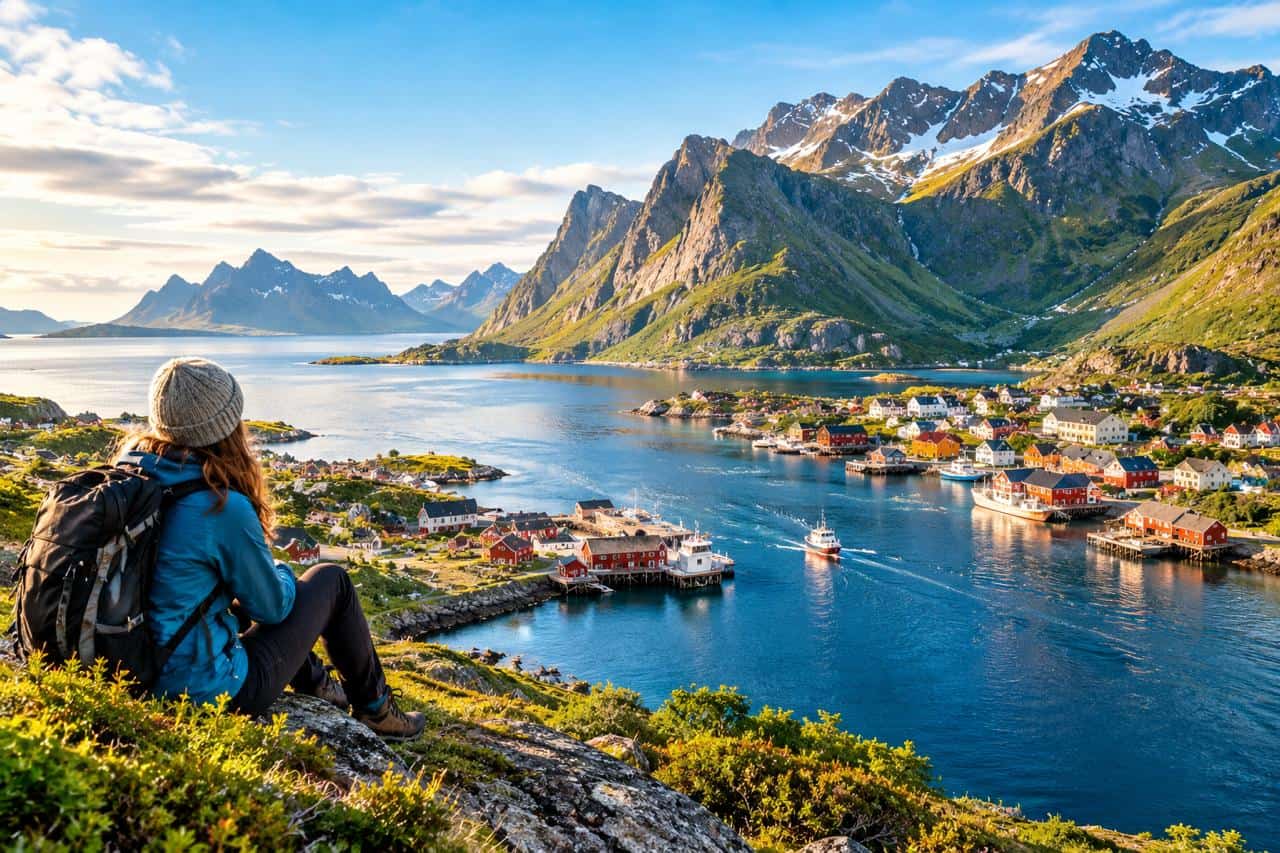
The Westfjords teams up with the Helgeland Coast and more breathtaking destinations as Northern Europe beckons global travellers with unforgettable coolcation escapes. As summer temperatures influence holiday choices, underrated coolcation destinations of Northern Europe offer refreshing alternatives, spectacular coastlines and extraordinary outdoor adventures. From Iceland’s dramatic fjords to Norway’s scenic coastal communities, these destinations promise memorable experiences for curious travellers. Moreover, the Westfjords and Helgeland Coast invite visitors to discover hidden landscapes, charming villages and remarkable natural beauty. Travel And Tour World urges global travellers to explore these underrated coolcation destinations of Northern Europe and uncover inspiring escapes before planning their next summer adventure.
Six Underrated Northern European Coolcation Destinations for Travellers Seeking Cooler Summer Escapes
Northern Europe offers far more than famous fjords, capital cities and crowded summer attractions. Travellers seeking cooler-weather holidays can discover remote islands, quiet coastal communities, forest landscapes and small towns that provide a different way to experience the region.
For a practical coolcation, the best destination is not necessarily the coldest place on the map. It is somewhere that combines comfortable outdoor conditions, accessible accommodation, worthwhile activities and opportunities to experience local culture without rushing between attractions.
This extension examines six lesser-known destinations, with detailed sightseeing suggestions, local food, accommodation guidance, sample itineraries and tourism statistics where official data are available. The emphasis is on helping international visitors make informed decisions while respecting local communities and natural environments.
Advertisement
Advertisement
A note on statistics: Official tourism authorities often publish visitor totals for entire countries or administrative regions rather than individual islands and small towns. The tables below distinguish measured accommodation figures from destination-specific visitor counts that cannot be established reliably. Overnight stays are not the same as unique visitors, and figures from different statistical systems should not be compared as if they measure identical things.
The six destinations at a glance
| Destination | Country or territory | Best for | Suggested stay | Main travel experience |
|---|---|---|---|---|
| Westfjords | Iceland | Remote coastlines and wildlife | 4–6 nights | Fjords, waterfalls, birdwatching |
| Helgeland Coast | Norway | Island-hopping and scenic roads | 4–7 nights | Ferries, kayaking, coastal mountains |
| Åland Islands | Finland, autonomous territory | Cycling and maritime heritage | 3–5 nights | Archipelago routes, beaches, museums |
| Saaremaa | Estonia | Quiet countryside and spa breaks | 3–4 nights | Windmills, coastal trails, historic sites |
| Bornholm | Denmark | Cycling, beaches and food | 3–5 nights | Fishing villages, smoked fish, sea cliffs |
| Gotland | Sweden | Medieval history and Baltic scenery | 3–5 nights | Visby, limestone formations, island roads |
These are suggested itinerary lengths, not official tourism statistics. Travel time and access vary with season, ferry timetables and transport connections.
Advertisement
Advertisement
1. Westfjords, Iceland, offer a remote coolcation among fjords and waterfalls
The Westfjords are an excellent choice for travellers who want to explore Iceland beyond the best-known attractions near Reykjavík and the Golden Circle. This sparsely populated region features deep fjords, steep mountains, fishing villages, bird cliffs and waterfalls. Dynjandi is one of its most recognisable natural landmarks, while Látrabjarg attracts visitors interested in seabirds and dramatic coastal views. Ísafjörður works well as a base for accommodation, restaurants, museums and excursions. In summer, visitors can plan scenic drives, guided kayaking, wildlife watching and walks along marked routes. Weather can change quickly, so check road conditions and local forecasts before travelling to remote areas. Local food experiences include Arctic char, cod, lamb soup and seafood dishes, depending on the season and restaurant. Ísafjörður offers guesthouses, hotels and self-catering accommodation; smaller settlements provide more limited choices, making advance reservations useful. A four-to-six-night itinerary can begin in Ísafjörður, continue to Dynjandi and nearby villages, and include a separate day for the southern Westfjords. The final day can be reserved for a relaxed coastal drive or a guided excursion. Statistics Iceland reported approximately 5.0 million registered overnight stays in 2021, 8.55 million in 2022, 9.52 million in 2023, and about 9.6 million in 2024 across Iceland. The 2025 estimate reached approximately 10.16 million. These are national accommodation figures, not Westfjords visitor totals.
What to do and where to visit
- Visit Dynjandi waterfall and allow time for the uphill walk between its cascades.
- Explore Ísafjörður’s harbour, local museums and surrounding mountain scenery.
- Consider Látrabjarg for birdwatching when seasonal access and conditions permit.
- Check local guidance before visiting beaches, cliffs or nesting areas.
What to eat and where to stay
Try locally prepared seafood, fish soup and traditional Icelandic lamb dishes. Choose Ísafjörður for the broadest practical selection of services in the region, or book a rural guesthouse if you prefer quieter surroundings. Check whether dinner is available at remote accommodation before arrival.
Suggested travel plan
| Day | Suggested itinerary |
|---|---|
| 1 | Arrive in Ísafjörður; explore the harbour and town |
| 2 | Take a scenic drive and visit nearby coastal settlements |
| 3 | Explore Dynjandi and the surrounding fjord landscape |
| 4 | Plan a wildlife excursion or guided outdoor activity |
| 5 | Visit the southern Westfjords, subject to road conditions |
| 6 | Return towards your onward connection |
Travel consideration: The Westfjords are not a destination to explore in a hurry. Distances, winding roads and changing weather can make driving slower than expected.
Advertisement
Advertisement
2. Helgeland Coast, Norway, combines quiet islands with spectacular coastal scenery
Norway’s Helgeland Coast offers a quieter alternative to some of the country’s busiest fjord itineraries. Stretching along the Nordland coast, it combines fishing villages, islands, mountain peaks, sheltered bays and ferry connections. Travellers can use Sandnessjøen or Brønnøysund as practical starting points, depending on their preferred route. Highlights include the Seven Sisters mountain range, the distinctive Torghatten mountain and island communities such as Lovund. Activities include kayaking with a qualified guide, cycling quiet roads, hiking suitable marked trails and exploring coastal settlements. Summer daylight allows flexible sightseeing, although wind, rain and ferry schedules still affect plans. Food options often feature cod, other locally caught seafood and regional dishes served by coastal restaurants. Accommodation ranges from hotels and guesthouses to fishing cabins and self-catering properties. For a four-to-seven-night trip, combine one mainland base with one or two islands rather than attempting every ferry route. Statistics Norway recorded 27.1 million commercial accommodation guest nights in 2021, followed by 36.1 million in 2022, 37.0 million in 2023, 38.6 million in 2024, and 40.6 million in 2025. The 2025 total included 14.2 million foreign guest nights, up 14% from 2024. These national figures demonstrate the scale of Norwegian accommodation activity, but they do not represent Helgeland alone.
What to do and where to visit
- Explore the Seven Sisters mountain area, selecting a hike suited to your fitness and the weather.
- Visit Torghatten, following current trail and safety guidance.
- Plan an island excursion to Lovund if ferry schedules and accommodation align.
- Explore local harbours and coastal communities rather than driving continuously between viewpoints.
What to eat and where to stay
Look for fresh fish, seafood soup and seasonal coastal menus. Sandnessjøen and Brønnøysund provide useful service bases, while island cabins and guesthouses can create a more immersive experience. Confirm check-in arrangements and meal availability when booking remote accommodation.
Suggested travel plan
| Day | Suggested itinerary |
|---|---|
| 1 | Arrive in Sandnessjøen and explore the waterfront |
| 2 | Visit the Seven Sisters area or take a guided walk |
| 3 | Travel towards Brønnøysund and visit Torghatten |
| 4 | Take a ferry to an island, subject to schedules |
| 5 | Explore village life, coastal trails and local food |
| 6 | Return by ferry or road, allowing a transport buffer |
| 7 | Depart or extend the island stay |
Travel consideration: The route works best when ferries are treated as essential itinerary components. Check timetables before booking accommodation, especially on smaller islands.
Advertisement
Advertisement
3. Åland Islands, Finland, deliver a cycling holiday through the Nordic archipelago
The Åland Islands are ideal for travellers who prefer short journeys, maritime heritage and relaxed outdoor exploration. This self-governing archipelago sits in the Baltic Sea between Finland and Sweden and includes thousands of islands and skerries. Mariehamn is the principal town and a convenient base for museums, restaurants, hotels and bicycle rental. Visitors can explore the Maritime Quarter, learn about the islands’ seafaring history and travel towards the Bomarsund fortress ruins. Cycling is particularly suitable because the main island’s linear distances are relatively short, although wind and ferry timetables still require planning. The Åland Archipelago Trail links islands through roads, bridges and ferry crossings, creating opportunities for multi-day trips.
+2 Local food reflects the islands’ maritime and farming traditions. Travellers can look for fish, seasonal produce, local dairy products and apple-based specialities. Mariehamn has the broadest choice of restaurants, while smaller islands offer cafés and seasonal dining. Accommodation ranges from hotels and guesthouses to cottages, campsites and seaside properties.
+1 A three-to-five-night stay allows time for a town visit, cycling, a historical excursion and at least one overnight stay outside Mariehamn. Summer is the most straightforward period for the complete island-hopping experience because many seasonal services operate then. The key planning challenge is not the distance itself, but coordinating ferries, bicycle transport, meals and accommodation. Visitors should reserve popular summer stays early and carry food and water when cycling through rural areas. For tourism statistics, Finland’s national or regional accommodation totals should not be mistaken for Åland’s own visitor count. A reliable five-year series of destination-specific annual visitor totals was not established for this guide, so no unsupported figures are assigned to the islands.
What to do and where to visit
- Explore Mariehamn’s maritime attractions and waterfront.
- Visit the Bomarsund fortress area to learn about the islands’ military history.
- Cycle quieter roads and follow a section of the Archipelago Trail.
- Take an island ferry and spend time in a smaller community.
What to eat and where to stay
Look for locally produced ingredients, fresh fish, apple products and traditional Åland pancake where available. Stay in Mariehamn for convenience, or choose a cottage or guesthouse for a quieter island experience. Visit Åland provides official accommodation and food directories.
Advertisement
Advertisement
Suggested travel plan
| Day | Suggested itinerary |
|---|---|
| 1 | Arrive in Mariehamn and explore the waterfront |
| 2 | Visit maritime attractions and Bomarsund |
| 3 | Cycle through countryside and coastal villages |
| 4 | Explore another island using a pre-planned ferry connection |
| 5 | Enjoy a relaxed breakfast and depart |
4. Saaremaa, Estonia, combines Baltic beaches, historic windmills and spa experiences
Saaremaa is Estonia’s largest island and an appealing choice for travellers looking for a slower-paced Baltic holiday. Kuressaare, the island’s principal town, offers a historic castle, waterfront walks, cafés, spa hotels and access to the surrounding countryside. Outside town, the landscape includes windmills at Angla, coastal limestone formations, forests, small settlements and quiet roads. Panga Cliff provides an impressive view across the Baltic Sea, while the island’s rural routes reward visitors who enjoy independent exploration. Saaremaa is well suited to a three-to-four-night stay, especially for couples, families and travellers combining culture with wellness. Summer brings opportunities for cycling, coastal walks, birdwatching and visits to local heritage sites. Weather can vary, so pack layers and check conditions before planning a full day outdoors. Local food to look for includes smoked fish, rye bread, seasonal berries and traditional Estonian dishes prepared with regional ingredients. Kuressaare offers the widest selection of accommodation and restaurants, including spa properties, hotels and guesthouses. Travellers seeking a quieter stay can consider countryside accommodation, provided they arrange transport and confirm restaurant opening hours. A practical itinerary begins with Kuressaare Castle and the town centre, followed by a day exploring Angla and northern coastal scenery. A third day can focus on Panga Cliff, village stops and local food, with an additional day for a spa visit or nature excursion. Before departure, check ferry or flight arrangements and road connections from mainland Estonia. Annual visitor totals for Saaremaa must be sourced from a consistent local statistical series before year-by-year comparisons are published; national Estonia figures would not accurately represent the island alone.
What to do and where to visit
- Visit Kuressaare Castle and explore the surrounding historic centre.
- See the traditional windmills at Angla.
- Visit Panga Cliff when weather and access conditions are suitable.
- Explore rural villages, coastal scenery and local craft or food producers.
What to eat and where to stay
Try smoked fish, rye-based dishes, seasonal berries and regional Estonian cuisine. Kuressaare is the most convenient base for travellers who want restaurants, accommodation and spa facilities within easy reach. Rural guesthouses suit visitors with a rental car or a carefully planned transport itinerary.
Suggested travel plan
Advertisement
Advertisement
| Day | Suggested itinerary |
|---|---|
| 1 | Arrive in Kuressaare; visit the castle and town |
| 2 | Explore Angla’s windmills and nearby countryside |
| 3 | Visit Panga Cliff and northern coastal villages |
| 4 | Enjoy a spa visit, local food and departure |
5. Bornholm, Denmark, offers a Baltic island escape built around cycling and local food
Bornholm is a strong option for travellers seeking a manageable island holiday with beaches, historic ruins, cycling routes and a distinctive food culture. Located in the Baltic Sea, the Danish island combines rocky northern coastlines with sandy southern beaches. Rønne is the main arrival point and a useful base for transport, shops and accommodation. Gudhjem offers a picturesque harbour setting, while Hammershus provides a dramatic introduction to the island’s medieval history. Dueodde is known for its broad sandy beach and dunes, although visitors should always follow local swimming and weather guidance. Bornholm suits a three-to-five-night stay, allowing time to travel between coastal villages without rushing. Cycling is a practical way to explore, but distances, wind and fitness levels should shape each day’s route. Food is a major part of the experience. Visitors can seek out traditional smoked herring, locally produced ice cream, seasonal produce and fish dishes served in harbour towns. Smokehouses and restaurants may have different opening patterns outside peak season, so check before travelling. Accommodation includes hotels, holiday cottages, campsites and guesthouses. Staying in Rønne provides convenient transport connections, while Gudhjem and other coastal communities offer a more village-focused experience. A balanced itinerary could begin in Rønne, continue to Hammershus and the northern coast, then spend another day exploring Gudhjem and smaller settlements. The final day can be reserved for Dueodde and a relaxed meal before departure. Denmark’s official accommodation statistics provide data by area and accommodation type, but a precise five-year Bornholm visitor series should be checked in the relevant statistical tables before publishing numerical comparisons. It would be misleading to substitute Denmark-wide overnight stays for island-level tourism figures.
What to do and where to visit
- Explore Hammershus and its coastal surroundings.
- Walk through Gudhjem and other harbour villages.
- Spend time at Dueodde beach when conditions permit.
- Cycle designated routes and visit local craft or food producers.
What to eat and where to stay
Smoked herring is a classic Bornholm food experience. Seafood restaurants, bakeries and cafés offer opportunities to sample local products. Rønne suits travellers prioritising transport convenience, while Gudhjem works well for visitors seeking a smaller harbour-town atmosphere. Book ahead during popular summer weeks.
Suggested travel plan
| Day | Suggested itinerary |
|---|---|
| 1 | Arrive in Rønne and explore the town |
| 2 | Visit Hammershus and the northern coast |
| 3 | Explore Gudhjem and nearby villages |
| 4 | Spend time at Dueodde and sample local food |
| 5 | Enjoy a short cycling route and depart |
6. Gotland, Sweden, combines medieval streets with Baltic coastal landscapes
Gotland offers a different kind of coolcation, pairing Baltic Sea scenery with medieval architecture, quiet countryside and distinctive local food. Its principal town, Visby, is a UNESCO World Heritage Site recognised for its remarkably preserved historic environment. Visitors can explore the town walls, cobbled streets, medieval church ruins and waterfront, then travel into the countryside for beaches, limestone formations and small villages. Fårö, north of Gotland, is known for its distinctive coastal rock formations, often called rauks, and offers a rewarding excursion for nature and photography enthusiasts.
Advertisement
Advertisement
Visit Sweden A three-to-five-night stay gives visitors time to explore Visby without missing the wider island. Summer is popular, so ferry or flight connections and accommodation should be reserved early. Outdoor activities include cycling, walking, visiting heritage sites and exploring coastal landscapes. Travellers should bring layers because sea breezes can make conditions feel cooler, even on sunny days. Gotland’s food culture includes lamb, locally grown produce, seafood and saffron pancake, a traditional dessert often served with dewberry jam and cream.
Visit Sweden Visby is the easiest base for restaurants, hotels and access to services. Visitors with a rental car can explore more remote beaches and rural attractions, while independent travellers should check bus schedules before planning excursions. A practical itinerary begins with Visby’s historic centre, followed by a day exploring the island’s southern or eastern coast. Another day can be dedicated to Fårö, provided transport connections are suitable. The final day can include local food, a museum visit or a relaxed coastal walk. For statistical reporting, use official Swedish or Gotland tourism data that define the measure clearly. Do not label accommodation nights as individual tourists or assume island-level totals from Sweden’s national figures.
What to do and where to visit
- Explore Visby’s medieval town walls and historic centre.
- Visit church ruins and museums in and around the town.
- Travel to Fårö for coastal scenery and limestone formations.
- Explore local beaches and countryside, respecting protected sites.
What to eat and where to stay
Try Gotland lamb, seasonal produce, seafood and saffron pancake. Visby is the most convenient base for first-time visitors, while rural guesthouses and cottages suit travellers who want a slower pace. Confirm transport options before booking accommodation outside the main town.
Suggested travel plan
Advertisement
Advertisement
| Day | Suggested itinerary |
|---|---|
| 1 | Arrive in Visby and explore its medieval centre |
| 2 | Visit the town walls, ruins and museums |
| 3 | Explore rural landscapes and coastal attractions |
| 4 | Take a Fårö excursion, subject to transport schedules |
| 5 | Enjoy local food and depart |
Five-year tourism statistics and comparison tables
The following figures provide a verified statistical backdrop for the coolcation trend. They are useful for explaining tourism demand, but national accommodation figures cannot establish how many visitors travelled specifically to the six destinations above.
Table 1. Iceland’s registered overnight stays, 2021–2025
Measure: overnight stays in registered accommodation across Iceland, including different accommodation types. Figures are rounded.
| Year | Overnight stays | Change from previous year | Tourism context |
|---|---|---|---|
| 2021 | 5.00 million | — | Travel recovery continued amid pandemic-related disruption. |
| 2022 | 8.55 million | +70.5% | International tourism recovery contributed substantially. |
| 2023 | 9.52 million | +11.4% | Demand continued to strengthen across most regions. |
| 2024 | About 9.60 million | About +0.3% | Registered stays reached a record level. |
| 2025 | About 10.16 million | About +5.9% | Preliminary annual data indicated further expansion. |
Sources: Statistics Iceland, 2021; Statistics Iceland, 2022; Statistics Iceland, 2023; Statistics Iceland, 2024; Statistics Iceland, 2025.
The 2025 total is an approximate figure reported by Statistics Iceland and should be treated as preliminary. The figures reflect accommodation nights, not unique tourists, and do not indicate how many people visited the Westfjords specifically.
Table 2. Norway’s commercial accommodation guest nights, 2021–2025
Measure: guest nights at commercial accommodation establishments. Figures are rounded to the nearest 0.1 million.
| Year | Guest nights | Annual change | Interpretation |
|---|---|---|---|
| 2021 | 27.1 million | — | Domestic travel represented an important share during pandemic disruption. |
| 2022 | 36.1 million | +33.2% | International travel returned strongly. |
| 2023 | 37.0 million | +2.5% | Foreign guest nights supported further expansion. |
| 2024 | 38.6 million | +4.2% | Foreign guest nights reached 12.4 million. |
| 2025 | 40.6 million | +5.2% | Foreign guest nights reached 14.2 million. |
Sources: Statistics Norway, 2022; Statistics Norway, 2023; Statistics Norway, 2024; Statistics Norway, 2025.
Advertisement
Advertisement
Norway’s accommodation figures are particularly relevant to travellers considering the Helgeland Coast. However, these national totals include destinations throughout Norway, including major cities and other coastal regions.
Table 3. Five-year comparison of accommodation demand
| Indicator | Iceland | Norway |
|---|---|---|
| 2021 accommodation nights | 5.00 million | 27.1 million |
| 2022 accommodation nights | 8.55 million | 36.1 million |
| 2023 accommodation nights | 9.52 million | 37.0 million |
| 2024 accommodation nights | About 9.60 million | 38.6 million |
| 2025 accommodation nights | About 10.16 million | 40.6 million |
| 2021–2025 change | About +103% | About +50% |
| Statistical unit | Registered overnight stays | Commercial accommodation guest nights |
The percentage comparisons above are calculated from the rounded starting and ending values. They describe changes in recorded accommodation demand, not growth in the number of unique travellers or the popularity of every region.
Table 4. Destination-specific data availability and verification needs
| Destination | Official statistical measure to seek | What can be concluded here? |
|---|---|---|
| Westfjords, Iceland | Registered overnight stays by Icelandic region | National data are available; no verified five-year Westfjords series established for this article. |
| Helgeland Coast, Norway | Guest nights by municipality in Nordland | National totals are available; a destination-specific five-year total requires municipal data extraction. |
| Åland Islands | Accommodation nights and guest arrivals for Åland | Official tourism information is available; a comparable five-year series has not been established here. |
| Saaremaa, Estonia | Accommodation nights by county or destination | Local annual totals require verification against Estonia’s official statistical database. |
| Bornholm, Denmark | Accommodation nights by Bornholm municipality | Denmark’s statistical database supports geographical and accommodation filters; a verified five-year extract is still needed. |
| Gotland, Sweden | Guest nights by municipality or island area | Destination-specific totals must be extracted from Sweden’s official tourism statistics. |
Important editorial distinction: A missing destination-specific figure does not mean the destination receives no visitors. It means the exact statistic has not been verified in a consistent form for this article. Publishing invented annual visitor counts would create a misleading comparison.
Table 5. Practical travel planning for the six coolcation destinations
| Destination | Suggested transport approach | Recommended trip length | Key booking consideration |
|---|---|---|---|
| Westfjords | Rental car and selected guided excursions | 4–6 nights | Driving distances and variable weather |
| Helgeland Coast | Combination of road travel and ferries | 4–7 nights | Ferry timetables and island accommodation |
| Åland Islands | Bicycle, local transport and archipelago ferries | 3–5 nights | Ferry reservations and seasonal services |
| Saaremaa | Rental car or pre-planned local transport | 3–4 nights | Connections to mainland Estonia |
| Bornholm | Bicycle, local transport or rental car | 3–5 nights | Island transport and peak-season lodging |
| Gotland | Local transport, bicycle or rental car | 3–5 nights | Ferry or flight connections and summer demand |
These are planning recommendations rather than official journey-time or visitor statistics. Check the current transport schedules and accommodation availability before finalising dates.
How these destinations compare for different travellers
| Traveller preference | Best-fit destinations | Why they may appeal |
|---|---|---|
| Remote nature and wildlife | Westfjords | Dramatic coastal scenery and quieter settlements |
| Island-hopping and hiking | Helgeland Coast | Ferries, mountain scenery and coastal villages |
| Cycling and slow travel | Åland Islands | Shorter distances and established cycling routes |
| Wellness and heritage | Saaremaa | Historic attractions, rural landscapes and spa stays |
| Beaches and regional food | Bornholm | Coastal villages, cycling and smoked fish |
| History and distinctive coastlines | Gotland | Medieval Visby and Baltic rock formations |
What travellers should know before booking a coolcation
A northern destination is not automatically cool throughout the summer. Heatwaves can affect northern latitudes too, while wind, rain and changing daylight conditions can influence outdoor comfort. Visitors should compare forecasts and seasonal climate information for their exact travel dates.
The most practical strategy is to select a destination based on the experiences it offers rather than relying on a general reputation for cooler weather. Travellers who enjoy walking may prefer the Westfjords or Helgeland Coast. Those who want gentle cycling, heritage and local food may find Åland or Bornholm easier to plan. Saaremaa and Gotland can suit visitors seeking a balance between cultural attractions and quieter coastal exploration.
Advertisement
Advertisement
Responsible travel also matters. Choose locally owned accommodation where practical, follow marked paths, respect wildlife and check local guidance before swimming, hiking or kayaking. Smaller destinations may have limited transport, restaurant opening hours and accommodation capacity, so planning ahead benefits both visitors and local communities.
Conclusion
In conclusion, the Westfjords, Helgeland Coast and more underrated coolcation destinations of Northern Europe offer global travellers a refreshing way to experience summer. From dramatic fjords and peaceful coastal villages to beautiful islands and scenic countryside, these remarkable escapes combine natural beauty with memorable outdoor adventures. Moreover, destinations such as the Åland Islands, Saaremaa, Bornholm and Gotland provide opportunities to enjoy local culture, regional cuisine and quieter holiday experiences. As travellers seek alternatives to crowded summer hotspots, these underrated coolcation destinations deserve greater attention. Travel And Tour World encourages global travellers to explore Northern Europe’s hidden gems and discover unforgettable coolcation experiences for their next adventure.
Advertisement
