
eSIM Technology Redefines Global Travel with Holafly Ultra All-In-One Support Plan

Published
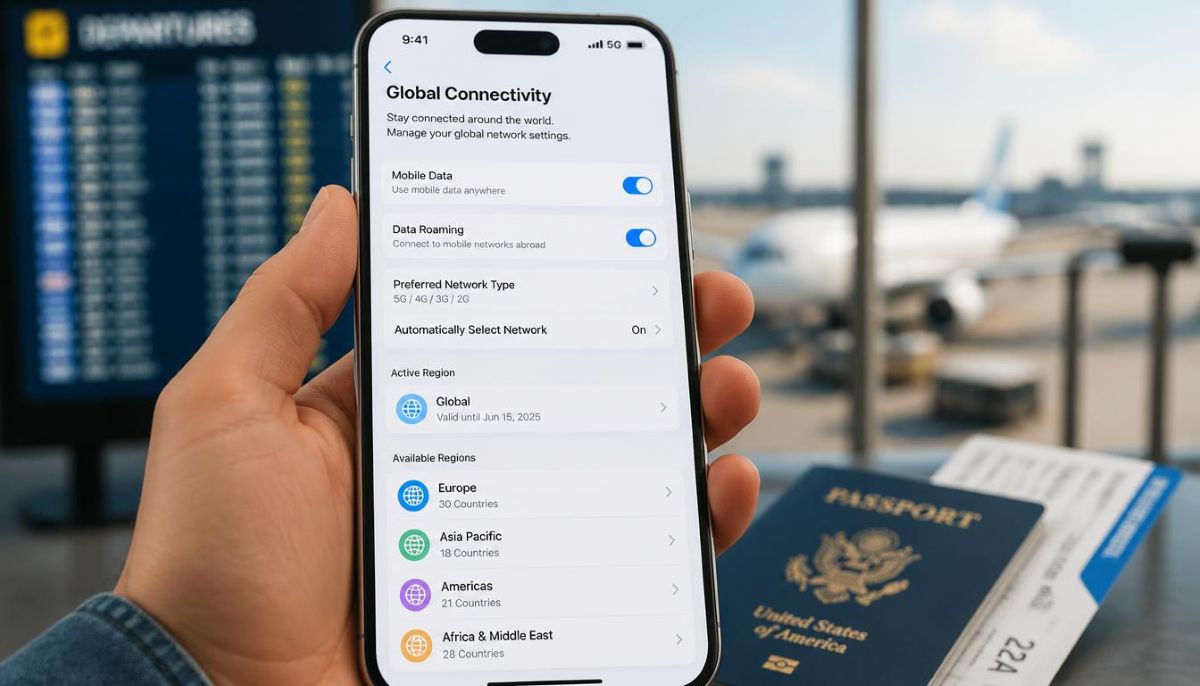
The landscape of international travel and remote work has experienced a profound structural transformation over the past decade. As the global workforce becomes increasingly untethered from traditional office environments, millions of individuals embrace digital nomadism, remote employment, and frequent international travel with eSIM. This shift has elevated reliable mobile connectivity from a mere convenience to an operational necessity. Historically, travellers navigating foreign borders have relied on a fragmented ecosystem of physical subscriber identity module cards, expensive international roaming packages provided by domestic carriers, and disparate local network vendors. Each option presents persistent friction points, including exorbitant roaming fees, the logistical challenge of swapping physical cards, and the vulnerability of losing connectivity upon arrival in unfamiliar territories.
Impact on Travellers
The introduction of an integrated support and connectivity model carries significant implications for the daily experiences of international travellers, remote professionals, and digital nomads. When individuals relocate across borders, the cognitive load associated with managing basic logistics can be substantial. Navigating foreign healthcare systems, dealing with unexpected transit disruptions, and maintaining secure communication channels often create considerable anxiety and operational friction.
By integrating twenty-four-seven medical and mental health access directly into a mobile connectivity plan, the service addresses a critical vulnerability identified among travellers. Statistical data indicates that a notable proportion of holidaymakers and business professionals consider overseas healthcare prohibitively expensive or overly complex to navigate, leading many to forgo necessary medical attention while abroad using eSIM. Providing immediate, remote access to healthcare professionals helps mitigate this hesitation, ensuring that minor health concerns or psychological stressors experienced far from home can be addressed promptly.
Furthermore, transit disruptions such as flight cancellations and lost luggage continue to inflict financial and emotional tolls on voyagers. Reports highlight that flight delays cost British holidaymakers substantial sums annually in unexpected expenses and lost time. The inclusion of automated claims management streamlines the arduous process of recovering compensation, replacing bureaucratic friction with automated remediation. For remote workers and digital nomads, who depend entirely on seamless uptime for professional obligations, features such as local phone numbers, virtual location tools, and reliable two-factor authentication support ensure business continuity without the interruptions typically caused by carrier restrictions or incompatible regional networks.
Advertisement
Advertisement
Industry Insights
The unveiling of Scholarly Ultra reflects broader strategic shifts within the telecommunications and travel technology sectors. For years, providers of embedded subscriber identity module technology competed primarily on data pricing, network coverage maps, and volume caps. However, as the underlying technology has matured and commoditized, market differentiation has shifted toward value-added services and ecosystem integration. Companies are increasingly recognizing that the modern traveller does not merely purchase gigabytes; rather, they purchase peace of mind, operational security, and frictionless mobility.
Industry observers note that this convergence of telecommunications and travel assistance services mirrors trends observed in corporate travel management, where duty-of-care obligations dictate comprehensive employee support with the eSIM. By extending enterprise-grade travel risk management to individual consumers and freelancers, Scholarly is pioneering a new commercial category. Executive commentary from leadership figures, including Chief Operating Officer Metin Kastro, emphasizes that physical mobility does not insulate individuals from everyday emergencies. The strategic intent behind combining connectivity with holistic support is to bridge the gap between remote freedom and structural vulnerability, establishing a new benchmark for what consumers should expect from international service providers.
Advertisement
Advertisement
Practical Information
For prospective subscribers, adopting the Scholarly Ultra plan requires adherence to specific technical and logistical prerequisites. The service operates exclusively on embedded subscriber identity module hardware, meaning that compatible mobile devices must be utilized. Furthermore, consumers must ensure that their smartphones are fully unlocked by their domestic mobile network operators prior to departure, as locked handsets cannot accept third-party profiles.
The subscription model is structured to integrate alongside existing product tiers, such as the provider’s standard light and unlimited data offerings, and is accessible directly through the official digital platform. While the monthly financial commitment represents a higher initial outlay than basic data-only packages, the economic justification rests upon projected annual savings derived from avoided roaming charges, streamlined insurance claims, and mitigated out-of-pocket expenses for minor medical consultations. Users are advised to verify device compatibility and review specific regional network partnerships to maximize the utility of the integrated service features across their intended itineraries.
Advertisement
Advertisement
Comparison with Previous Developments with eSIM
When evaluated against historical precedents in the travel telecommunications market, the evolution toward all-in-one embedded subscriber identity module plans represents a fundamental paradigm shift. Earlier technological iterations focused strictly on replacing physical plastic cards with downloadable software profiles, thereby reducing the physical hassle of swapping chips at airport kiosks. While these advancements lowered data costs and improved convenience, they remained fundamentally siloed from other travel-related pain points.
Previous generations of travellers were forced to manage their connectivity through specialized providers while purchasing separate travel insurance policies, monitoring flight delays manually through airline applications, and independently navigating foreign emergency services when health issues arose with eSIM. The fragmentation of these services often resulted in delayed resolutions, uncoordinated support, and exacerbated stress during crises. Scholarly Ultra departs from this fragmented model by consolidating traditionally disparate services into a unified digital subscription. By merging network access with automated logistical remediation and health support, the development transitions the embedded subscriber identity module from a passive utility tool into an active, protective infrastructure for global citizens.
Advertisement
