 Angana Dutta Angana Dutta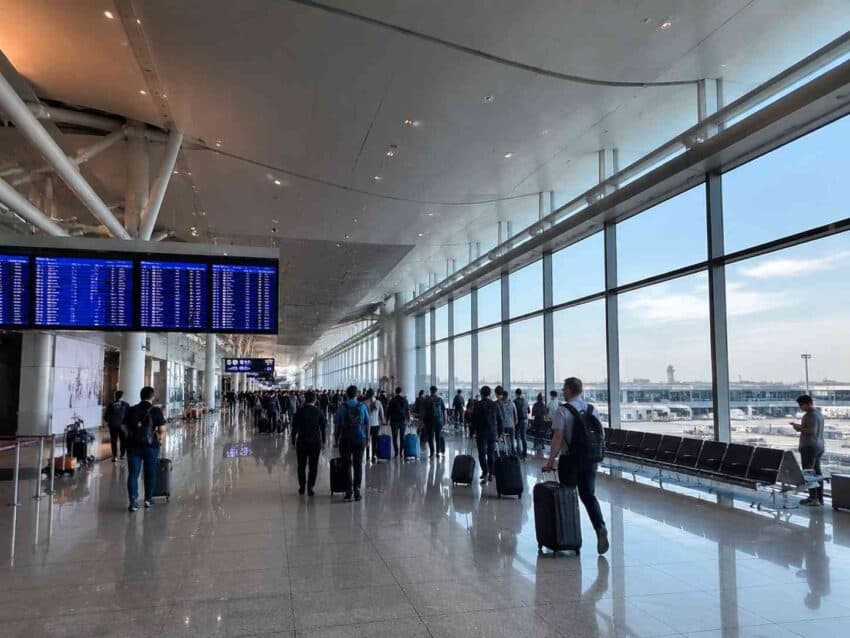
Image generated with Ai
Japan’s Kansai Airport expansion has reached a major milestone with the completion of its first large-scale terminal upgrade since 1994, significantly increasing international departure capacity and improving passenger amenities. The renovation adds additional boarding gates, expands immigration and security processing areas, and enhances retail and dining spaces, enabling smoother travel for millions of visitors. Airlines including Singapore Airlines, American Airlines, Cathay Pacific, China Eastern, ANA, Emirates, Korean Air, and United can now scale operations and launch new routes, supporting rising demand from key markets such as China, South Korea, Taiwan, the U.S., and Europe. The upgrade positions Kansai as a central gateway for Japan’s growing international tourism sector.
The Kansai Airport expansion directly responds to rising international travel demand. The enlarged international departure area adds space for additional boarding gates and more efficient processing. The result is a smoother travel experience for millions of visitors and expanded opportunities for airlines to increase routes and frequencies.
Advertisement
The upgraded terminal now supports:
• More international gates, hastening aircraft handling and reducing peak congestion.
• Enhanced immigration and security areas, decreasing wait times.
• Expanded duty‑free and dining spaces, improving passenger experience and revenue generation.
This development positions Kansai International Airport as a strategic hub for tourism and airline networks converging on Japan’s Kansai region.
Advertisement
Advertisement
The expansion has enabled airlines to plan increased frequencies and new services. While official flight schedules are released by airlines and airports, major carriers are signaling growth.
Projected airline route improvements after Kansai Airport expansionAirline Current Hubs Route Expansion Impact Focus Regions Emirates Dubai Ability to scale existing Osaka service Middle East, Europe Singapore Airlines Singapore Increased flight slots to Osaka Southeast Asia American Airlines Dallas / Chicago Enhanced U.S. connectivity North America United Airlines San Francisco / Newark Additional flight opportunities North America Cathay Pacific Hong Kong Better gate availability for regional flights Asia Pacific China Eastern Shanghai Expanded daily services China Korean Air Seoul Increased shuttle services Korea ANA (All Nippon Airways) Tokyo Interline and codeshare boosts Domestic + International
These expansions reflect the broader industry trend of carriers scaling up flights to match rising demand, supported by improved terminal capacity.
Inbound tourism to Japan has rebounded strongly, with multiple source markets surpassing pre‑pandemic levels. The expanded terminal at Kansai supports this rebound by absorbing greater passenger throughput.
Advertisement
Advertisement
Top inbound tourism markets linked to Kansai Airport flows
• China – Traditionally Japan’s highest spending market; growing interest in Kansai leisure travel.
• South Korea – Proximity advantages and frequent services keep Korea at the top of visitor rankings.
• Taiwan – Rising leisure and cultural tourism demand.
• United States – Long‑haul demand from business and leisure segments.
• Europe (UK, Germany, France) – Premium leisure travel rising year over year.
These markets are central to Japan’s tourism strategy. Visitors from these countries contribute to:
• Hotel occupancy increases in Osaka and Kyoto.
• Local spending on food, retail, and experiences.
• Seasonal travel boosts aligned with cultural festivals and events.
The airport upgrade has broad effects on the travel ecosystem:
For airlines
• More flight slots support higher frequencies.
• Reduced congestion improves on‑time performance.
• Larger departure areas attract premium carriers.
• Codeshare and alliance partners can expand networks via Kansai.
For tourism economies
• Increased accessibility drives longer stays.
• Tourism spending supports hospitality, dining, and retail.
• Osaka and Kansai regions benefit from global connectivity.
• Preparations for major events further elevate demand.
This mix of airline network growth and tourism investment increases economic activity across the region.
The international flight capacity increase is not just an operational improvement — it directly affects passengers:
• Faster check‑ins and security processing with redesigned immigration areas.
• More dining and shopping choices, with local and international brands.
• Expanded lounges and seating areas for better comfort.
• Improved signage and navigation, easing transfers and connections.
Tourists flying through Kansai now enjoy increased convenience and choice, especially during peak travel times.
Travelers planning trips through Kansai International Airport should follow these practical steps:
• Check flight status early: Airlines may adjust schedules with new capacity.
• Review airline route updates: Carriers often announce expanded services seasonally.
• Plan extra time at peak periods: The upgraded terminal draws more passengers.
• Take advantage of airport amenities: New retail and dining options enhance layovers.
• Prepare travel documents: With faster processing lines, peak periods still require valid passports and visas.
These tips help maximize comfort and minimize stress when traveling through one of Japan’s busiest international hubs.
1. What is the Kansai Airport expansion?
The Kansai Airport expansion refers to the largest upgrade of the international terminal since 1994, increasing space, gates, passenger processing capacity, and amenities to support rising global travel demand.
2. How does the expansion impact airline routes?
The upgrade allows major carriers like Emirates, ANA, United, and others to increase flight frequencies and consider new services to and from key markets, improving global connectivity.
3. Will the expansion improve traveler experience?
Yes. The redesigned terminal reduces congestion, expands dining and retail areas, and improves immigration and security processing for smoother passenger flow.
Japan’s Kansai Airport expansion has completed its first major terminal upgrade since 1994, boosting international departure capacity and passenger amenities. The upgrade enables airlines to expand routes and accommodate rising travel from China, South Korea, Taiwan, the U.S., and Europe.
The Kansai Airport expansion represents a pivotal moment for Japan’s travel infrastructure. It aligns operational capacity with surging global demand and strategically positions Kansai as a major gateway for tourism and business travelers. The benefits ripple beyond the airport — supporting airlines, stimulating regional economies, and improving the travel experience for millions. For airlines and countries focused on international growth, this expansion underscores Japan’s commitment to being a central hub in Asia’s dynamic aviation landscape.
Advertisement
Tags: International flight capacity Japan, Kansai Airport expansion, Kansai Airport terminal upgrade, New airline routes Kansai, Osaka international travel 2026
Advertisement
Advertisement













Saturday, September 5, 2026

Friday, September 4, 2026

Saturday, September 5, 2026

Saturday, September 5, 2026

Thursday, September 3, 2026

Wednesday, September 2, 2026

Saturday, September 5, 2026

Saturday, September 5, 2026


