
Mongolia Unleashes Its Wild Side as Ölgii, Dalanzadgad and Other Untamed Cities Step Into the International Spotlight for Adventure-Seeking Travelers

Published
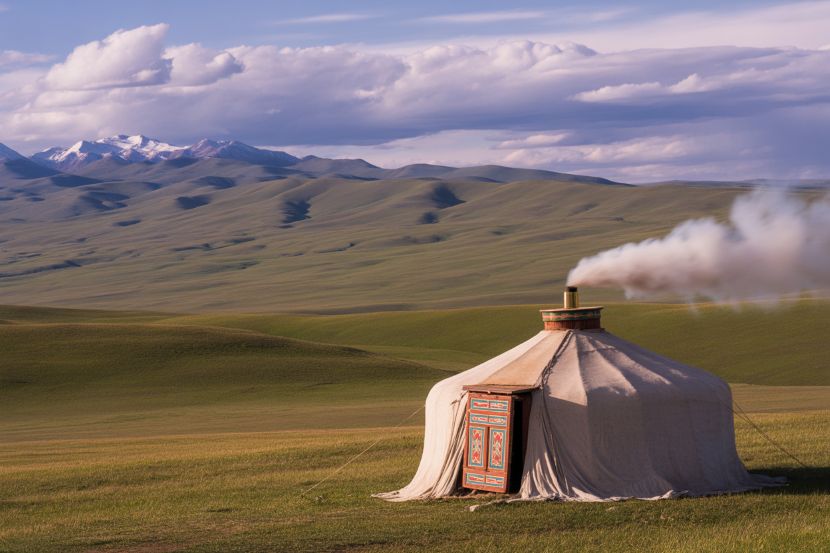 Image generated with Ai
Mongolia is gaining momentum as an increasingly sought-after destination for adventure tourism in 2026, attracting international travelers with its vast wilderness, dramatic landscapes and rich nomadic heritage. Destinations such as Ölgii, Dalanzadgad, Mörön, Khatgal and Kharkhorin are emerging as key gateways for unforgettable experiences, from mountain expeditions and Gobi Desert safaris to horseback adventures and immersive wilderness journeys.
Meanwhile, Ulaanbaatar remains Mongolia’s principal international gateway, connecting visitors with the country’s diverse regions. Other destinations, including Khovd, Ulaangom, Tsetserleg and Bayankhongor, offer further opportunities to discover remote landscapes, traditional communities and authentic cultural experiences.
Advertisement
Advertisement
As international interest in Mongolia grows, its unique combination of untamed nature, centuries-old nomadic traditions and expanding tourism promotion is helping position the country as a compelling choice for travelers seeking authentic, off-the-beaten-path adventures.
Which Mongolian Cities and Towns Are Attracting Adventure Travellers?
| City or town | Region | Major adventure attractions | Tourism significance |
|---|---|---|---|
| Ulaanbaatar | Central Mongolia | Gorkhi-Terelj National Park, horse riding, hiking, camping, mountain excursions | Principal international arrival point and established adventure-tour hub |
| Ölgii (Ulgii) | Bayan-Ölgii, western Mongolia | Altai Tavan Bogd, glacier trekking, mountaineering, Kazakh eagle-hunting traditions | Leading gateway for western Mongolia’s high-altitude adventures |
| Dalanzadgad | Ömnögovi, southern Mongolia | Gobi Desert, Khongoryn Els dunes, Yolyn Am canyon, Bayanzag Flaming Cliffs | Major gateway for desert expeditions |
| Mörön (Murun) | Khövsgöl, northern Mongolia | Lake Khövsgöl, kayaking, horse trekking, taiga expeditions | Important northern adventure transport hub |
| Kharkhorin | Övörkhangai, central Mongolia | Orkhon Valley, horse trekking, camping, historical landscapes | Established cultural and outdoor tourism destination |
| Khatgal | Khövsgöl, northern Mongolia | Lake Khövsgöl, boating, kayaking, forest trekking, winter ice activities | Popular lakeside adventure base |
| Tsetserleg | Arkhangai, central Mongolia | Khangai Mountains, hiking, horseback expeditions, hot springs | Alternative base for mountain and nature tourism |
| Khovd | Khovd, western Mongolia | Altai mountain landscapes, trekking, wildlife observation, cultural expeditions | Developing western adventure gateway |
| Ulaangom | Uvs, northwestern Mongolia | Uvs Nuur Basin, birdwatching, wilderness exploration, mountain excursions | Specialist nature and conservation tourism gateway |
| Bayankhongor | Bayankhongor, central-southern Mongolia | Khangai foothills, remote desert landscapes, camping, overland expeditions | Less-developed alternative with adventure tourism potential |
Why Is Mongolia Becoming an Increasingly Popular Adventure Tourism Destination in 2026?
Mongolia’s appeal to adventure travelers lies in its combination of extraordinary natural landscapes, cultural authenticity and opportunities to explore areas far beyond conventional tourist routes. From the snow-covered Altai Mountains in the west to the vast Gobi Desert in the south, the country offers experiences that appeal to visitors seeking outdoor activities and meaningful cultural encounters.
Advertisement
Advertisement
International tourism figures also indicate growing interest in Mongolia. According to tourism industry reporting, the country recorded 856,636 international visitors by October 6, 2026, exceeding the 847,170 arrivals registered throughout 2025.
This increase highlights the expanding international tourism market, although the figures do not separately measure adventure tourism or establish visitor growth in individual cities.
Advertisement
Advertisement
Government destination promotion, regional tourism development and the availability of organized adventure itineraries are helping travelers discover more of Mongolia.
For the tourism industry, this creates opportunities to diversify beyond Ulaanbaatar and encourage visitors to explore regional destinations with distinctive attractions.
Why Is Ölgii Becoming a Major Gateway for Mountain Adventure Tourism?
Ölgii, the administrative center of Bayan-Ölgii Province in western Mongolia, has established itself as one of the country’s most distinctive adventure tourism gateways.
Its principal attraction is access to Altai Tavan Bogd National Park, a mountainous wilderness known for glaciers, alpine landscapes and demanding trekking routes.
The region is home to Khüiten Peak, Mongolia’s highest mountain, which rises approximately 4,374 meters above sea level. Experienced mountaineers visit the area for challenging expeditions, while other travelers explore mountain valleys, glaciers and remote camping locations.
Ölgii is also internationally associated with the Kazakh eagle-hunting tradition. Cultural festivals and community-based experiences allow visitors to learn about this heritage.
Advertisement
Advertisement
The combination of high-altitude adventure and distinctive cultural experiences gives Ölgii a competitive advantage within Mongolia’s tourism market.
However, mountain conditions can change rapidly, making experienced guides, suitable equipment and careful preparation essential for visitors planning remote expeditions.
How Is Dalanzadgad Attracting Travelers Seeking Gobi Desert Adventures?
Dalanzadgad, the capital of Ömnögovi Province, serves as one of Mongolia’s most important gateways to the Gobi Desert.
The city provides access to dramatic desert landscapes, geological formations and destinations that have become central to Mongolia’s organized adventure tourism itineraries.
Among the most recognizable attractions are the Khongoryn Els sand dunes, where visitors can experience camel trekking, photography and guided desert exploration.
Another important destination is Yolyn Am, a mountain gorge known for its striking scenery and contrasting desert environment.
Advertisement
Advertisement
Travelers also visit Bayanzag, commonly called the Flaming Cliffs, an area internationally recognized for its paleontological significance.
Multi-day four-wheel-drive expeditions allow visitors to experience these locations while traveling across remote desert terrain.
Dalanzadgad’s tourism importance comes from its role as a practical starting point for these journeys rather than from conventional urban sightseeing.
The region’s extreme temperatures, substantial distances and limited services outside settlements make professional planning especially important.
What Makes Mörön an Important Destination for Northern Mongolia’s Adventure Tourism?
Mörön, the capital of Khövsgöl Province, provides a major transportation and tourism gateway to northern Mongolia’s lakes, forests and mountainous wilderness.
Its strategic importance comes primarily from its proximity to Lake Khövsgöl, one of the country’s most celebrated natural attractions.
Advertisement
Advertisement
Travelers arriving in Mörön can continue toward lakeside communities, national park landscapes and remote northern regions.
The surrounding province offers opportunities for horseback trekking, hiking, camping, wildlife observation and guided cultural expeditions.
Some specialized itineraries also introduce travelers to the taiga landscapes associated with northern Mongolia’s reindeer-herding communities.
These experiences appeal particularly to visitors interested in outdoor travel combined with traditional ways of life.
Mörön’s role as a regional service center makes it important for arranging transportation, supplies and accommodation before entering less-developed areas.
Although the city itself is not the primary adventure attraction, its accessibility and supporting infrastructure help connect international visitors with northern Mongolia’s natural tourism resources.
Advertisement
Advertisement
Why Is Khatgal Emerging as a Favorite Base for Lake Adventures?
Khatgal, a settlement near the southern end of Lake Khövsgöl, occupies an important position within Mongolia’s lake-based adventure tourism market.
Unlike Mörön, which functions primarily as a regional transport hub, Khatgal offers travelers more immediate access to the lake and surrounding landscapes.
During the warmer months, visitors can participate in kayaking, boating, horseback riding, hiking and lakeside camping.
The area’s combination of clear water, forested mountains and relatively undeveloped scenery makes it particularly appealing to nature-focused travelers.
Khatgal also supports accommodation providers, local guides and tourism businesses serving visitors exploring Khövsgöl National Park.
Winter introduces a different tourism experience, with seasonal ice-related activities attracting travelers interested in Mongolia’s extreme climate.
Advertisement
Advertisement
However, lake ice conditions vary, and activities require appropriate local safety guidance.
Khatgal’s appeal reflects the broader demand for outdoor destinations where visitors can combine physical activities with peaceful natural surroundings and regional cultural experiences.
How Is Kharkhorin Combining Historical Tourism With Outdoor Adventure?
Kharkhorin, located in central Mongolia’s Övörkhangai Province, offers a distinctive combination of historical attractions and adventure tourism experiences.
The town is closely associated with the former Mongol imperial capital, Karakorum, and provides access to the UNESCO-listed Orkhon Valley Cultural Landscape.
For travelers, the region presents opportunities to explore Mongolia’s history while participating in horseback journeys, camping and countryside excursions.
The Orkhon Valley’s open grasslands, river landscapes and traditional herding communities create a setting well suited to guided outdoor adventures.
Advertisement
Advertisement
Visitors can also explore Erdene Zuu Monastery, one of Mongolia’s most important historical religious sites.
This combination of cultural heritage and natural scenery allows Kharkhorin to appeal to a broader audience than destinations focused exclusively on demanding physical activities.
Its location within central Mongolia also makes it a practical stop on longer overland itineraries connecting several provinces.
Kharkhorin demonstrates how Mongolia can develop adventure tourism alongside cultural preservation.
Why Does Ulaanbaatar Remain Essential to Mongolia’s Adventure Tourism Expansion?
Ulaanbaatar continues to play a central role in Mongolia’s tourism industry because it serves as the country’s primary international transportation gateway.
Most overseas visitors begin their journeys in the capital before traveling to destinations in the Gobi Desert, Altai Mountains or northern lake regions.
Advertisement
Advertisement
The city also provides access to relatively convenient outdoor excursions, particularly Gorkhi-Terelj National Park.
Located northeast of the capital, the park offers hiking, horseback riding, camping and opportunities to experience Mongolia’s natural landscapes without undertaking a lengthy expedition.
These activities make Ulaanbaatar especially important for first-time visitors, families and travelers with limited time.
Tour operators based in the capital also organize longer journeys to remote provinces, connecting visitors with accommodation providers, guides and transportation services.
Consequently, Ulaanbaatar benefits from the country’s broader adventure tourism appeal even when travelers spend much of their holidays elsewhere.
Its principal advantage is connectivity rather than wilderness isolation.
Advertisement
Advertisement
Which Lesser-Known Mongolian Cities Could Benefit From Adventure Tourism Growth?
Beyond Mongolia’s established adventure gateways, several regional centers offer opportunities to attract travelers seeking less familiar destinations.
Khovd, in western Mongolia, provides access to mountain landscapes, remote valleys and cultural experiences associated with the country’s diverse communities.
Ulaangom, the capital of Uvs Province, offers a gateway to the UNESCO-listed Uvs Nuur Basin, an important landscape for biodiversity and conservation-focused tourism.
Tsetserleg, located in Arkhangai Province, benefits from its position near the Khangai Mountains, where visitors can explore hiking routes, grasslands and traditional rural settlements.
Bayankhongor offers access to contrasting mountain and desert environments, making it relevant to specialized overland expeditions.
These destinations have different levels of infrastructure and international visibility.
Advertisement
Advertisement
Their tourism potential is therefore best understood as an opportunity rather than proof of rapid visitor growth.
Improved transportation, responsible destination management and stronger local tourism services could help them attract additional international visitors over time.
What Challenges Could Affect Mongolia’s Growing Adventure Tourism Industry?
Despite its considerable natural advantages, Mongolia faces practical challenges in developing adventure tourism across remote regions.
Long distances between destinations remain one of the most significant obstacles. Travelers visiting the Gobi Desert, western mountains or northern wilderness frequently require lengthy road transfers or domestic flights.
Weather conditions create additional difficulties. Summer temperatures can vary considerably, while winter brings extreme cold and potentially hazardous travel conditions.
Accommodation standards and transportation services also differ substantially between established tourism centers and remote communities.
Advertisement
Advertisement
Adventure activities involving mountaineering, glacier trekking or isolated desert travel require specialized safety planning and experienced local guides.
Environmental protection is another important consideration.
Increasing visitor numbers can place pressure on sensitive ecosystems, particularly around lakes, protected areas and popular trekking routes.
Tourism development must therefore balance economic opportunities with conservation, community participation and visitor safety.
Addressing these issues will be important if Mongolia wants to convert international interest into sustainable regional tourism growth.
How Could Mongolia’s Adventure Tourism Destinations Shape the Country’s Tourism Future?
Mongolia’s expanding international tourism market creates opportunities for regional destinations to strengthen their position within the global adventure travel industry.
Advertisement
Advertisement
The country’s main advantage is the diversity of experiences available across its territory.
Ölgii offers mountaineering and Kazakh cultural heritage. Dalanzadgad provides access to desert expeditions. Mörön and Khatgal connect visitors with northern lakes and forests. Kharkhorin combines historical exploration with horseback adventures.
Meanwhile, Ulaanbaatar supports these destinations through international connectivity and established tourism services.
Lesser-known centers such as Khovd, Ulaangom, Tsetserleg and Bayankhongor could contribute to a more geographically balanced tourism industry.
However, sustained development will depend on reliable infrastructure, responsible environmental management and stronger regional tourism services.
Mongolia’s growing national arrival figures provide encouraging evidence of wider international interest, but detailed local visitor statistics remain necessary to measure individual destination performance.
Advertisement
Advertisement
For international travelers, Mongolia offers an increasingly compelling alternative to conventional adventure tourism destinations.
Its future success will depend on preserving the landscapes and cultural traditions that make the country distinctive while ensuring that tourism benefits local communities.
Mongolia’s expanding adventure travel industry is creating promising opportunities for destinations beyond its capital. Ölgii stands out for mountain expeditions and eagle-hunting heritage, while Dalanzadgad provides access to the breathtaking Gobi Desert. Mörön and Khatgal connect visitors with northern lakes, forests and remote wilderness. Growing international arrivals, destination promotion and demand for distinctive outdoor experiences are supporting this development. However, transportation challenges, extreme weather and environmental pressures remain significant concerns. With responsible investment, improved infrastructure and sustainable tourism practices, Mongolia could strengthen its position among Asia’s most compelling adventure destinations while protecting the natural and cultural treasures that define its identity.
Advertisement
