
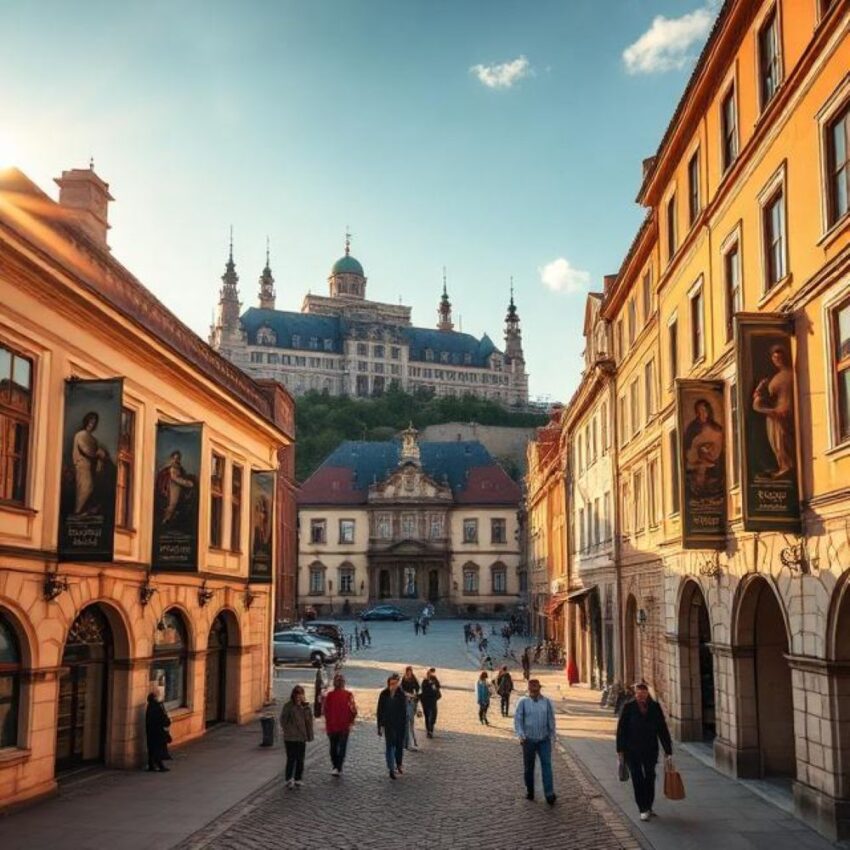
Aschaffenburg, Germany is drawing international attention in 2026 with the opening of a major cultural exhibition titled A European Collection, hosted at the Christian Schad Museum. The exhibition, which opened on April 30, 2026, presents an extraordinary selection of European masterpieces from the renowned Bohdan and Varvara Khanenko National Museum in Kyiv. This cultural event marks a significant milestone, as it is the first comprehensive presentation of these Ukrainian-held works in Germany, offering visitors a rare opportunity to experience centuries of European artistic excellence in a single location.
Advertisement
Advertisement
Advertisement
The exhibition brings together 73 important artworks spanning from the 15th to the 19th centuries, reflecting the evolution of European art across several key periods. The collection highlights influential artistic schools from Italy, the Netherlands/Flanders, France, and Spain, presenting a structured exploration of Western art traditions. Among the featured masters are Peter Paul Rubens, Bernardo Bellotto, and Claude-Joseph Vernet, whose works represent defining moments in Baroque, Rococo, and classical artistic movements. These artists played a crucial role in shaping European visual culture, and their presence in the exhibition underscores its importance. The display offers visitors a cohesive narrative of artistic transformation, from the Renaissance through to the early modern era. By organizing the works according to regional schools, the exhibition enables audiences to better understand stylistic differences, cultural influences, and the evolution of artistic techniques across Europe.
Advertisement
Advertisement
One of the most notable aspects of the exhibition is its broader cultural and geopolitical context. The artworks originate from the Bohdan and Varvara Khanenko National Museum in Kyiv, one of Ukraine’s most significant cultural institutions. The exhibition represents one of the largest presentations of Ukrainian cultural heritage in Europe since the outbreak of the war in Ukraine. It reflects a coordinated international effort to safeguard and promote cultural assets during a time of instability. Through this initiative, European institutions have collaborated to ensure that these works remain accessible to global audiences while also emphasizing the importance of cultural preservation. The exhibition highlights how art can serve as a bridge between nations, even in periods of conflict.
A defining feature of the exhibition is the interaction between historical and contemporary works. A central highlight is the juxtaposition of Antonio Canova’s sculpture La Pace with a modern piece by Ukrainian artist Maria Kulikovska. This pairing creates a compelling visual and conceptual dialogue. Canova’s classical representation of peace is placed alongside a contemporary interpretation shaped by present-day realities. The contrast reflects how artistic expressions of peace have evolved over time, particularly in response to modern conflicts. By integrating contemporary Ukrainian art into a historical framework, the exhibition reinforces the relevance of classical themes while addressing current global issues. This approach adds depth to the visitor experience, encouraging reflection on the enduring significance of peace in art and society.
To enhance visitor engagement, the exhibition is accompanied by a comprehensive public program. This includes guided tours, educational workshops, and special events, designed to provide deeper insights into the artworks and their historical context. These programs are expected to cater to a wide audience, including students, researchers, and general visitors. By offering educational opportunities alongside the exhibition, the organizers aim to foster a broader understanding of European art history and cultural heritage.
The host city, Aschaffenburg, is often referred to as the Bavarian Nice due to its mild climate and sunny atmosphere. Located at the edge of the Spessart hills, the city serves as a gateway to one of Bavaria’s most scenic regions. Aschaffenburg is known for its blend of historical charm and modern vibrancy, offering visitors a rich cultural experience beyond the museum. Its historic centre is particularly notable for its architectural elegance and lively ambiance.
Visitors can explore a variety of attractions, including:
The city’s cultural offerings are complemented by rustic bars, shopping areas, and vibrant public spaces, making it an appealing destination for both art enthusiasts and general travelers.
With the hosting of A European Collection, Aschaffenburg is reinforcing its position as an emerging cultural destination in Europe. The exhibition not only highlights the city’s commitment to the arts but also demonstrates its ability to host internationally significant events. The combination of world-class artworks, historical landmarks, and a welcoming urban environment positions Aschaffenburg as an attractive destination for cultural tourism in 2026.
The opening of A European Collection at the Christian Schad Museum represents a major cultural moment for both Germany and Ukraine. By bringing together masterpieces from the Bohdan and Varvara Khanenko National Museum in Kyiv, the exhibition offers a rare and meaningful exploration of European art history. At the same time, it underscores the importance of international cooperation in preserving cultural heritage, particularly during times of conflict. Through its thoughtful curation and innovative presentation, the exhibition provides visitors with a unique opportunity to engage with art across centuries while reflecting on its relevance today.
Advertisement
Tags: Aschaffenburg art exhibition 2026, Christian Schad Museum events, European masterpieces Kyiv collection, Ukrainian museum collection in Germany
Advertisement
Advertisement













Saturday, September 5, 2026

Friday, September 4, 2026

Saturday, September 5, 2026
Saturday, September 5, 2026

Thursday, September 3, 2026

Wednesday, September 2, 2026

Saturday, September 5, 2026

Saturday, September 5, 2026


