
Italy Links Up With Tunisia And More To Boost Travel Interest In Pantelleria’s Volcanic Island Escape

Published
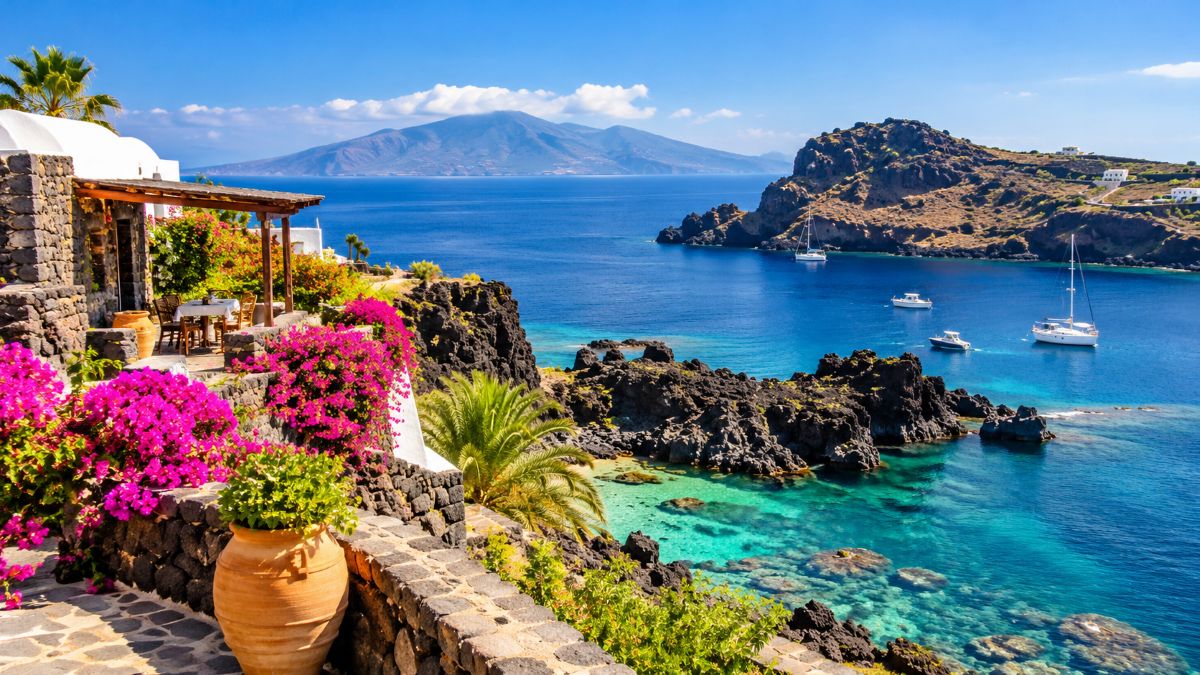
Italy’s volcanic island of Pantelleria is attracting attention as an alternative to the Mediterranean’s more familiar holiday destinations. Situated between Sicily and Tunisia, the island combines rugged coastlines, natural thermal springs, archaeological remains and traditional architecture, offering a distinctive experience for travellers seeking landscapes and cultural discovery rather than conventional beach holidays.
Known as the Black Pearl of the Mediterranean, Pantelleria is shaped by volcanic rock, secluded swimming coves and a culinary tradition influenced by both southern Italy and North Africa. Its geographical position and layered history give the destination a character that distinguishes it from many other Italian islands.
Where Pantelleria Sits On The Mediterranean Travel Map
Pantelleria covers approximately 83 square kilometres and lies around 100 kilometres south-west of Sicily and 60 kilometres from the Tunisian coast. Although it is geographically closer to Africa than mainland Europe, the island belongs to Italy and forms part of the country’s distinctive Mediterranean island landscape.
Its position has influenced its historical connections, architectural traditions and cuisine. Rather than offering extensive sandy beaches, Pantelleria presents visitors with dramatic volcanic formations, rocky swimming spots and rural settlements. This combination makes it particularly appealing to travellers interested in nature, history, walking and authentic local experiences.
Advertisement
Advertisement
Pantelleria Town Combines Heritage With Coastal Charm
The island’s principal settlement, also called Pantelleria, provides a natural starting point for exploring the destination. Its harbour, narrow streets, small fishing boats and local markets offer an introduction to everyday island life. The atmosphere combines recognisable Italian Mediterranean characteristics with architectural and cultural influences associated with the nearby North African coast.
One of the town’s most prominent landmarks is Castello Barbacane, a fortress built from volcanic stone. Its history stretches back through earlier periods of settlement, with later alterations reflecting successive rulers. The castle illustrates Pantelleria’s strategic importance and provides an opportunity to understand the island’s layered past.
Advertisement
Advertisement
The Church of Santissimo Salvatore offers another architectural point of interest. Its design incorporates traditional island influences and a distinctive appearance inspired by local building forms. Together, the church and fortress demonstrate how Pantelleria’s built environment reflects both its Italian identity and its wider Mediterranean connections.
Rocky Beaches Offer A Different Kind Of Italian Island Holiday
Pantelleria’s coastline is better suited to exploring natural coves than searching for long stretches of soft sand. Volcanic rocks frame much of the shore, creating clear-water swimming locations and secluded places to relax. Visitors should check local sea conditions and access arrangements before visiting exposed coastal areas.
Advertisement
Advertisement
Lido Shurhuq, also associated with Suvaki, provides facilities for a more conventional beach experience, including seasonal services. Cala Bue Marino, close to the main settlement, is another accessible option, with shallow water and relatively flat rocks in suitable conditions. Families should nevertheless assess the entry points and sea conditions before swimming.
Further along the coast, Cala Tramontana and Cala Levante are known for their striking surroundings and opportunities to explore the underwater environment. Their appeal extends beyond sunbathing, particularly for snorkellers and divers seeking to experience the island’s marine landscapes.
Cala Gadir And The Island’s Natural Thermal Springs
Cala Gadir is among Pantelleria’s most distinctive coastal attractions. Located roughly four kilometres from the main town, it is associated with natural thermal pools, some of which are incorporated into the surrounding rocks. Water temperatures can become extremely high, reportedly reaching approximately 55 degrees Celsius in some locations.
Such temperatures make caution essential. Visitors should never assume that every pool is safe for bathing, and they should follow local guidance about access and suitable immersion areas. People should avoid entering dangerously hot water and take particular care around slippery rocks.
Advertisement
Advertisement
The area also has archaeological interest. An underwater heritage route features ancient amphorae associated with Punic and Roman history, connecting the island’s natural attractions with its maritime past. Where access is permitted, this combination of geology and archaeology offers a distinctive experience for visitors interested in the Mediterranean’s historic trading networks.
Arco Dell’Elefante And Pantelleria’s Dramatic Coastal Formations
Arco dell’Elefante is one of Pantelleria’s best-known natural landmarks. The volcanic rock formation resembles an elephant’s trunk dipping into the sea, creating a memorable silhouette against the surrounding water. Its distinctive appearance makes it a popular photography location and an important stop for visitors exploring the island’s eastern coastline.
Another striking location is Balata dei Turchi, a rugged coastal area associated with dark volcanic rock and dramatic scenery. Access can be challenging, with suitable vehicles or boat trips potentially necessary depending on prevailing conditions and local arrangements. Travellers should confirm the route before setting out rather than assuming the site is easily accessible.
Cala Sataria provides a further contrast, with a sheltered cave-like setting and naturally warm waters. Local legends connect the cove with the mythological world of Odysseus and Calypso, adding a storytelling dimension to the island’s natural heritage.
Specchio Di Venere Creates A Volcanic Landscape
Specchio di Venere, meaning Mirror of Venus, is among Pantelleria’s most remarkable inland attractions. The lake occupies a former volcanic crater basin in the island’s north-eastern area, creating a landscape that differs significantly from the surrounding rocky coastline.
The lake is associated with mineral-rich waters and natural mud deposits, while its surface can reflect the surrounding terrain under favourable weather conditions. Its name draws on mythology, with tradition suggesting that Venus admired her reflection in the water.
Advertisement
Advertisement
Visitors should respect the protected natural environment and follow local rules regarding swimming, mud treatments and access. The site’s ecological importance makes responsible tourism particularly relevant, especially as interest in lesser-known Mediterranean destinations grows.
Walking Trails Reveal Pantelleria Beyond Its Beaches
Pantelleria offers opportunities for walking through volcanic landscapes, rural countryside and areas shaped by traditional agriculture. Exploring on foot allows visitors to appreciate the island’s varied terrain, from rocky ridges to cultivated slopes and coastal viewpoints.
Hikers should plan routes according to their fitness, the season and the availability of shade. Summer temperatures can be demanding, while exposed paths may become difficult in strong winds. Carrying sufficient drinking water, wearing suitable footwear and checking local weather information are sensible precautions.
Walking also offers a closer look at the island’s agricultural heritage. Traditional stone structures, cultivated plots and dry-stone boundaries reveal how communities have adapted to a challenging environment where water management and protection from the wind have long influenced settlement patterns.
Traditional Dammusi Accommodation Reflects Island Identity
One of Pantelleria’s most distinctive accommodation options is the dammuso, a traditional building associated with the island’s architectural heritage. These structures are generally recognised by their thick stone walls and domed or vaulted roofs, features adapted to local climatic conditions.
Staying in a dammuso can provide a more intimate experience of rural Pantelleria than conventional resort accommodation. Some properties offer terraces, gardens and views of the surrounding countryside, although facilities and standards vary between establishments.
Advertisement
Advertisement
Travellers should compare locations, accessibility, seasonal availability and transport requirements before booking. Rural properties may be some distance from restaurants, shops and swimming areas, making a hire car or another reliable transport arrangement useful.
Pantelleria Cuisine Blends Italian And North African Influences
Food is an important part of the island’s appeal. Pantelleria’s culinary identity reflects its position between Sicily and Tunisia, bringing together Italian traditions, North African influences and ingredients shaped by the local landscape.
A signature product is capers, which are widely associated with the island’s agricultural heritage. Local dishes may also feature fish, vegetables, olive oil and other Mediterranean ingredients. Pantescan pesto, commonly prepared with tomatoes, capers, herbs and almonds, offers a distinctive accompaniment to pasta and other dishes.
The island is also associated with zibibbo grapes and the sweet wine Passito di Pantelleria. Visitors interested in local food can explore seasonal produce and traditional recipes through restaurants and agricultural experiences, while checking opening arrangements outside the busiest travel months.
How To Reach Pantelleria And Plan A Visit
Pantelleria can be reached by air and by sea, with services depending on the season and departure point. Flights connect the island with selected Italian destinations during relevant operating periods, while ferry services provide another option for travellers and those bringing vehicles.
Because schedules can change, visitors should verify current transport arrangements before confirming accommodation. Travellers arriving by ferry should check journey duration, vehicle requirements and seasonal frequency. Those flying should consider luggage restrictions and onward transport from the airport.
Advertisement
Advertisement
A hire car can make exploring the island considerably easier because many coves, walking routes and rural accommodation options are spread across different areas. Visitors should also plan for limited services in remote locations, carry water when exploring and avoid leaving waste behind.
Frequently Asked Questions About Pantelleria Travel
1. Where Is Pantelleria Located?
Pantelleria is an Italian volcanic island in the Mediterranean Sea, approximately 100 kilometres south-west of Sicily and 60 kilometres from Tunisia.
2. Why Is Pantelleria Called The Black Pearl Of The Mediterranean?
The nickname refers to its dark volcanic rock, rugged coastline and distinctive natural landscapes.
3. What Are The Best Attractions On Pantelleria?
Advertisement
Advertisement
Highlights include Castello Barbacane, Arco dell’Elefante, Cala Gadir, Cala Tramontana, Cala Levante and Specchio di Venere.
4. Does Pantelleria Have Sandy Beaches?
The island has relatively few extensive sandy beaches. Its coastline is better known for rocky coves, volcanic formations and clear-water swimming locations.
5. Can Visitors Swim In Pantelleria’s Thermal Springs?
Some thermal bathing locations are suitable under appropriate conditions, but water temperatures can become dangerously high. Visitors should follow local safety guidance.
6. What Is Specchio Di Venere?
Advertisement
Advertisement
It is a lake situated in a former volcanic crater basin, known for its reflective waters and distinctive natural setting.
7. What Is A Dammuso?
A dammuso is a traditional Pantellerian building characterised by thick stone walls and distinctive roof forms adapted to the local climate.
8. What Food Is Pantelleria Known For?
The island is associated with capers, Pantescan pesto, local seafood and zibibbo grapes, including those used to produce Passito di Pantelleria.
9. How Can Travellers Reach Pantelleria?
Advertisement
Advertisement
Visitors can travel by air or ferry, depending on seasonal schedules and available connections from Italian departure points.
10. Is Pantelleria Suitable For Adventure Travel?
Yes. Its volcanic landscapes, walking routes, rocky coves, diving opportunities and cultural heritage make it particularly appealing to travellers seeking outdoor activities and less conventional Mediterranean holidays.
Advertisement
