
Uzbekistan Breaks All Records As Tourism Services Exports Reach Massive Highs Inspiring Millions To Travel Here

Published
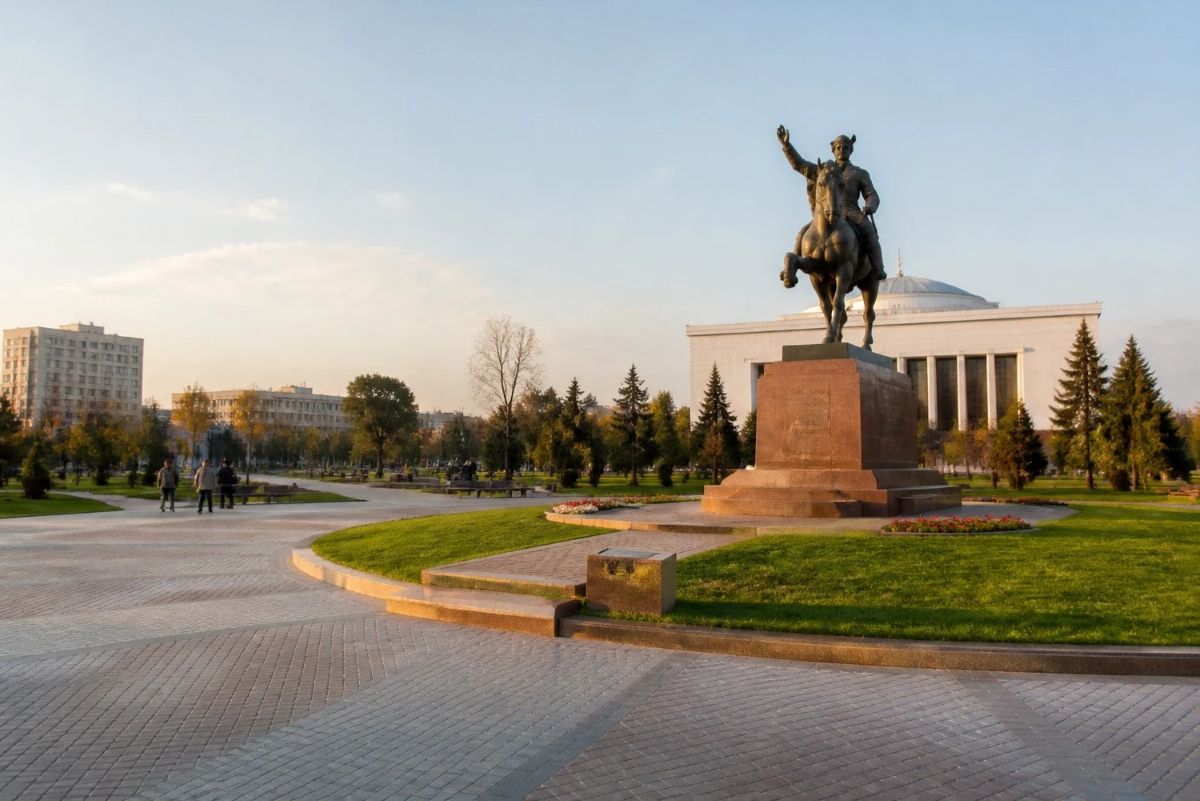
Imagine stepping into a world where centuries-old Silk Road history blends seamlessly with vibrant modern life. That undeniable magic is why Uzbekistan’s Tourism Services Exports Reach $5.3 Billion between January and September 2026. This astounding 51.2% year-on-year surge isn’t about impressive financial numbers it reflects millions of modern wanderers falling deeply in love with iconic historic cities like Samarkand, Bukhara and Tashkent. As travelers rediscover these landscapes the country is officially claiming its rightful spot, as a breathtaking must-visit global destination.
A Seismic Realignment in International Flight Routes and Hospitality Standards
Advertisement
Advertisement
The extraordinary surge to 10.3 million foreign tourists from January to September 2026 represents a structural shift in global vacation preferences. Travelers who previously favored conventional European or Southeast Asian destinations are increasingly seeking authentic cultural experiences, ancient architectural monuments, and untouched landscapes. Furthermore, the single-month milestone of 1.2 million foreign arrivals in September underscores a major extension of the traditional tourist season, proving that late-summer and early-autumn months have become prime travel periods for international visitors seeking ideal weather conditions.
To accommodate this sustained influx, hotel chains and localized lodging providers have dramatically upgraded their service protocols and technical capabilities. Comprehensive multilingual training, digital booking integration, and tailored dietary offerings are becoming standard practice across the national hospitality ecosystem. Consequently, international travelers enjoy seamless travel logistics, heightened personal safety, and superior hospitality services when navigating historical land routes. This widespread operational upgrade sets a high benchmark for surrounding nations, fostering healthy competition that elevates regional tourism standards across the board.
Advertisement
Advertisement
Extraordinary Arrival Growth originating from Dynamic Asian and Middle Eastern Markets
Comprehensive statistical evaluations revealed that some of the most dramatic increases in visitor volume originated from major Asian and Middle Eastern origin territories during 2026. Official records indicated that foreign entries coming from China skyrocketed by 2.1 times compared to previous annual baselines. Simultaneously, inbound traveler numbers from Malaysia rose sharply by 1.9 times over the same timeframe. Furthermore, visitor arrivals from both Egypt and Romania demonstrated impressive growth by expanding 1.8 times over recorded historical averages.
Advertisement
Advertisement
In addition to these figures, incoming traveler flows from Indonesia registered an impressive 1.7 times increase year-on-year, while tourist entries from Japan expanded by 1.5 times. Destination experts attribute these remarkable multipliers to targeted bilateral agreements, simplified electronic visa procedures, and specialized cultural outreach programs designed to resonate with Asian and Middle Eastern travelers. As a direct result, global tour operator networks are restructuring their multi-country itineraries to incorporate extended stays in historic Silk Road cities, thereby catering directly to this booming demographic.
Broad-Based Momentum Across North American, Eastern European, and Western European Continents
Beyond the massive growth observed across Asia, established Western and North American travel markets also demonstrated steady, robust expansion throughout 2026. Official data confirmed that tourist arrivals originating from the United States climbed by 40% compared to the prior year’s levels. Similarly, inbound visitor entries coming from Russia maintained strong upward momentum by increasing 30% over the identical nine-month period. These consistent gains highlight enduring international confidence in the security, affordability, and unique appeal of Central Asian travel.
Simultaneously, principal Western European markets recorded solid, double-digit growth rates across all major demographic categories. Inbound visitor volumes from Germany and the United Kingdom both surged by 25% year-on-year. Furthermore, tourist entries from France advanced by 21%, while visitor arrivals from Türkiye increased by 15%. This synchronized growth across diverse global continents illustrates that the region’s historical charm, combined with modern service enhancements, possesses universal appeal for leisure, academic, and business travelers alike.
This unprecedented multi-regional enthusiasm establishes a highly sustainable framework for long-term international tourism expansion. By continuously investing export revenues back into infrastructure and cultural preservation, the entire travel ecosystem stands to benefit, offering future generations of global wanderers safer, richer, and far more accessible journeys.
Unprecedented Escalation in Daily Visitor Expenditure and Strategic High-Yield Monetization
Advertisement
Advertisement
During the nine-month evaluation window in 2026, average daily spending per international visitor escalated to an estimated $514.56, marking a decisive transition away from historical budget-focused visitor patterns. Total sector earnings reached $5.3 billion generated across 10.3 million foreign tourists, proving that individual traveler spending surged in parallel with total visitor counts. Furthermore, high-yield luxury stays and heritage excursions played a pivotal role in driving total tourism services export revenues up by 51.2% year-on-year. On average, extended tourist itineraries stretched to 6.8 days, substantially elevating fiscal outlays for local dining, premium accommodations, and traditional craft markets situated across historic city centers.
This marked upward shift in daily individual expenditure reflects the successful commercialization of high-end lodging options, curated Silk Road historical tours, and specialized culinary experiences. By capturing greater overall financial value from each incoming guest, local commercial enterprises secure stronger economic returns that flow directly into urban and rural business ecosystems. Consequently, this elevated spending profile enhances financial stability for small-scale merchants, artisanal workshops, and municipal service providers throughout Uzbekistan.
Structural Overhaul and Capital Infrastructure Upgrades Across Modern Aviation Gateways
To effectively handle the massive influx of 1.2 million foreign visitors recorded during September alone, regional aviation infrastructure expanded its total operational handling capacity by 34.5% year-on-year. Primary international air terminals situated in Tashkent, Samarkand, Bukhara, and Urgench collectively managed more than 48,000 international flight arrivals throughout the first nine months of 2026. Passenger throughput across these major international gateways increased by 28.2%, effectively reducing terminal overcrowding and expediting border control procedures. Additionally, direct international flight connections linking key regional hubs to major capital cities in Asia, Europe, and the Middle East grew by 19.4%.
These extensive capital investments in terminal modernization and airfield capacity provided essential support for the 20.4% year-on-year growth observed in overall foreign tourist numbers. By expanding international air corridors and upgrading regional transportation interchanges, authorities successfully removed historical logistical constraints. As a result, long-haul travelers benefit from smoother transit experiences, higher flight frequencies, and seamlessly connected multi-city itineraries.
Strategic Expansion of Hotel Room Inventory and High-End Hospitality Properties
Advertisement
Advertisement
The nationwide lodging inventory expanded by 18.7% year-on-year, adding over 14,500 new guest rooms across primary urban centers in 2026. Nationwide hotel occupancy rates reached an impressive average of 76.4% between January and September, eventually peaking at 88.2% during the high-demand month of September. Premium four-star and five-star accommodation availability grew by 22.1% to accommodate affluent international travelers seeking luxury amenities. Meanwhile, eco-lodges, rural guesthouses, and historic caravanserai properties experienced a 31.5% increase in mountain and desert zones.
This rapid expansion of hotel capacity ensures that historic urban destinations can accommodate rising international visitor volumes without sacrificing hospitality standards or service quality. Consistently high occupancy levels across all lodging categories demonstrate strong commercial performance, instilling greater confidence among private developers and foreign investors. Consequently, ongoing capital commitments continue to modernize the national real estate and hospitality market.
Progressive Acceleration of Visa-Free Entry Frameworks and Bilateral Mobility Agreements
Decisive policy updates expanding visa-exempt entry and streamlined digital visa issuance to over 90 countries directly stimulated the influx of international arrivals in 2026. Facilitated travel protocols encouraged substantial growth from prime source markets, including a 2.1 times increase in visitors from China and a 1.9 times increase from Malaysia. Average electronic visa processing times dropped to just 24 hours, driving a 42.3% rise in independent travel applications. Furthermore, dedicated visa-free transit arrangements tailored for short-stay passengers boosted layover tourism bookings by 35.8%.
Eliminating administrative hurdles has significantly reduced travel friction, turning complex cross-border logistics into simple options for spontaneous and multi-destination travelers. Consequently, international tour operators can design, market, and package regional travel routes with minimal bureaucratic oversight. This seamless entry framework positions the destination as an accessible option for global travelers.
Multi-Fold Growth Across Historic Heritage, Architectural, and Gastronomic Travel Sectors
Advertisement
Advertisement
Specialized heritage and cultural travel accounted for 62.4% of all foreign tourist itineraries booked between January and September 2026. More than 6.4 million foreign visitors participated in organized cultural tours across UNESCO-listed historic sites in Samarkand, Bukhara, Khiva, and Shakhrisabz. Ticket revenues at historical monuments, state museums, and landmark archaeological complexes grew by 44.2% year-on-year. Concurrently, dedicated culinary tourism programs showcasing regional gastronomy generated an estimated $680 million in direct dining expenditure.
The proactive promotion of authentic historical assets and regional culinary traditions continues to diversify the broader travel offering. By highlighting centuries-old architectural landmarks and culinary heritage, regional tourism boards attract culturally invested travelers who spend more time exploring local districts. This sustained engagement distributes economic benefits directly to local historians, museum curators, culinary workers, and preservation specialists.
Substantial Contributions to Domestic Job Creation and Workforce Opportunities
The expansion of tourism services exports to $5.3 billion served as a powerful economic catalyst, generating over 142,000 new direct and indirect jobs across the service sector in 2026. The total workforce employed within national tourism, transport, and lodging industries rose to approximately 890,000 personnel. Direct employment within the hospitality sector expanded by 15.3%, while the number of officially certified professional tour guides grew by 24.6% nationwide. Additionally, rural community-based tourism programs created over 28,000 jobs in traditional handicraft production, guesthouse operations, and eco-tour guiding.
This notable employment surge demonstrates how international visitor spending trickles directly into local communities, supporting household livelihoods and professional growth. Extensive vocational training programs ensure that newly recruited hospitality workers maintain high international service standards. As a result, expanding tourism operations continue to strengthen regional economic stability.
Strategic Extension of Peak Seasonal Demand into Autumn and Winter Months
Advertisement
Advertisement
Recording 1.2 million foreign visitors during September 2026 confirmed a lasting extension of the traditional peak travel window into late autumn. Shoulder-season arrivals across April–May and September–October increased by 26.8% year-on-year, spreading visitor density more evenly across the calendar year. Mid-summer and off-peak winter travel figures rose by 14.2%, bolstered by indoor cultural festivals, wellness travel, and MICE (Meetings, Incentives, Conferences, and Exhibitions) events. Consequently, annual seasonal fluctuations in hotel occupancy declined by 11.5%.
Broadening the annual tourism calendar mitigates seasonal lay-offs and prevents infrastructure congestion during peak summer months. A steadier flow of incoming visitors ensures reliable operational cash flows for transport providers, hoteliers, and municipal services throughout all twelve months. This balanced distribution enhances long-term economic sustainability across the entire sector.
Rapid Development of Eco-Friendly, Desert, and Wilderness Adventure Travel
The adventure, desert, and eco-tourism segments recorded a 38.9% year-on-year surge in foreign bookings over the first nine months of 2026. More than 1.1 million international tourists explored national parks, nature sanctuaries, and desert camps across regions such as the Zaamin Mountains, the Kyzylkum Desert, and the Aral Sea region. Nature-focused tourist spending generated over $320 million in direct economic value for rural mountain and desert communities. Furthermore, official eco-friendly certifications were granted to 210 regional lodging sites, aligning local operations with international sustainability standards.
The fast-growing demand for nature-based journeys appeals to environmentally conscious global travelers looking for remote, untouched landscapes. Building sustainable infrastructure protects fragile ecosystems while channeling critical economic opportunities away from crowded urban centers toward remote rural populations. This balanced development strategy safeguards environmental assets for future generations.
The Final Verdict
There is something magical about watching a historic land share its heart with the world. Beyond the numbers and busy airports Uzbekistan is exciting the interest of travelers from all over the globe in a way that has never been seen before. From the sands of the Kyzylkum Desert to the old blue-tiled domes of Samarkand and Bukhara these trips leave a deep impression on every person who goes. As millions of people travel home with unforgettable memories of the Silk Road one clear truth stands out: this is not just a short-lived travel trend but the amazing return of a place that has always been a meeting point, for the world.
Advertisement
