
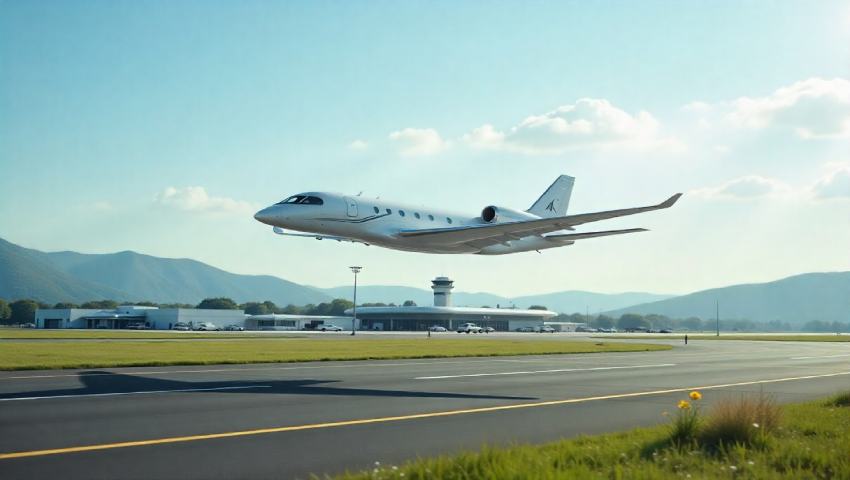
Image generated with Ai
On October 17, 2025, Air New Zealand and BETA Technologies celebrated a groundbreaking milestone in the future of aviation. The BETA ALIA CX300, the first electric aircraft to carry the Air New Zealand name, took flight from Tauranga Airport in its inaugural test flight across New Zealand. This marks a significant step in the airline’s Next Generation Aircraft programme, aiming to explore sustainable aviation solutions and new technology for the future of flight.
Manufactured by BETA Technologies in the United States, the ALIA CX300 is a battery-electric aircraft designed to revolutionize regional air travel by offering a cleaner, more sustainable option for short flights. The aircraft arrived in New Zealand last week and was welcomed with a special sunrise ceremony at Tauranga before embarking on its test flight. Following its journey from Tauranga, it is set to fly to Hamilton Airport, where it will be based for initial operational testing before moving to Wellington Airport in December.
The first test flight of the BETA ALIA CX300 is not just a momentous occasion for Air New Zealand, but also for the country as a whole. Baden Smith, the General Manager of Air New Zealand‘s Fleet, Networks, and Strategy, expressed the importance of the flight as part of the airline’s journey toward understanding how different aviation technologies might fit into New Zealand’s future flight operations.
New Zealand has a long history of aviation innovation, with pioneers like Richard Pearse, the early aviators of TEAL flying boats, and engineers who connected the country with the rest of the world. Smith emphasized that this collaboration with BETA Technologies ensures New Zealand is part of shaping the future of aviation, both locally and globally.
Advertisement
As Baden Smith noted, aviation will continue to evolve, and this first flight of the electric aircraft represents a small but cautious step toward embracing the changes ahead. For Air New Zealand, it is part of a broader vision to learn about the potential of sustainable technologies, including battery-electric propulsion, that could have a transformative effect on aviation operations worldwide.
The BETA ALIA CX300 is a conventional takeoff and landing (CTOL) aircraft equipped with battery-electric propulsion. This configuration makes it a suitable fit for current airport infrastructure, ensuring easy integration into existing aviation networks. Its quiet, zero-emissions inflight operation makes it an ideal candidate for sustainable regional flights. This electric aircraft is designed for all-weather reliability and offers versatility, with the capacity to carry two crew members and five passengers, along with approximately 5.6 cubic meters of cargo (200 cubic feet).
The aircraft’s design allows it to complete missions of up to 398 kilometers (215 nautical miles), making it suitable for regional routes, with significant potential for reducing carbon emissions in the aviation industry.
As part of the four-month lease agreement, Air New Zealand is utilizing the ALIA CX300 as a technical demonstrator to test how it performs in New Zealand conditions. The airline is also collaborating with BETA Technologies, regulators, and other stakeholders to gain insight into the aircraft’s operational potential. This partnership allows for pilot and engineering familiarization, which will help Air New Zealand explore the future of sustainable air travel.
Advertisement
Advertisement
The aircraft will also provide New Zealanders with a first-hand look at battery-electric aviation technology, further promoting public awareness and understanding of the role electric aircraft can play in the country’s aviation future.
The aircraft’s first flight marks a significant achievement for both Air New Zealand and BETA Technologies in the pursuit of reducing the environmental impact of air travel. The ALIA CX300’s test flights are expected to take place over several months, with Hamilton serving as the base of operations for initial tests. During its time in Hamilton, the aircraft will undergo a series of flights in different weather conditions and at varying altitudes, testing its adaptability and performance.
In December, the aircraft will move to Wellington, where it will complete flights between Wellington and Blenheim. These test flights are crucial for Air New Zealand and BETA Technologies as they seek to understand the viability of electric aircraft in New Zealand’s unique operational environment.
Alongside the aircraft’s trial flights, Air New Zealand is preparing for the introduction of its BETA ALIA CX300 pilots in November. The airline has also made significant investments in charging infrastructure to support the operation of the electric aircraft. As part of this initiative, 65kW mobile chargers will be installed at Hamilton, Wellington, and Blenheim airports, ensuring the aircraft’s efficient operation and further promoting the growth of electric aviation in New Zealand.
Air New Zealand’s Climate and Nature Fund has played a pivotal role in supporting these charging facilities, demonstrating the airline’s commitment to sustainable aviation technologies. With these investments, Air New Zealand is positioning itself as a leader in the push for greener aviation solutions.
The test flights and technical demonstrations of the BETA ALIA CX300 in New Zealand mark an important step toward a more sustainable aviation industry. As the airline explores the future of battery-electric aviation, it continues to contribute to global efforts to reduce carbon emissions and improve environmental sustainability within the aviation sector.
Chris Caputo, BETA Technologies’ Director of Flight Operations, noted that this collaboration with Air New Zealand is about validating not just a single aircraft, but creating an operational blueprint that can be adapted by airlines and operators around the world. The ALIA CX300 is expected to serve as a model for the future of low-cost, sustainable connectivity in regional communities, both in New Zealand and globally.
The success of these efforts will ultimately rely on the continued partnership between Air New Zealand and BETA Technologies, along with collaboration from industry regulators and stakeholders. Together, they are helping to shape the future of aviation and air travel by introducing sustainable, innovative technologies that reduce the environmental impact of flying.
The first test flight of the BETA ALIA CX300 marks a significant milestone in New Zealand’s aviation history and the global shift towards sustainable travel. As Air New Zealand continues to invest in new technologies and collaborate with BETA Technologies, it is paving the way for a more sustainable aviation future. The trial of this electric aircraft is part of a larger movement in the industry to reduce carbon emissions, improve efficiency, and explore the potential of electric propulsion in regional air travel.
As New Zealand becomes a key player in the electric aviation revolution, these efforts contribute to shaping the future of air travel, demonstrating the airline’s commitment to environmental sustainability and innovation in the aviation industry.
Advertisement
Tags: : Air New Zealand, Aviation Innovation, battery-electric aircraft, BETA Technologies, electric aircraft
Advertisement
Advertisement













Saturday, September 5, 2026

Friday, September 4, 2026

Saturday, September 5, 2026

Saturday, September 5, 2026

Thursday, September 3, 2026

Wednesday, September 2, 2026

Saturday, September 5, 2026

Saturday, September 5, 2026


