
United Teams Up With American and More As Airlines Cut Flights And Prepare Travellers For Higher Holiday Airfares

Published
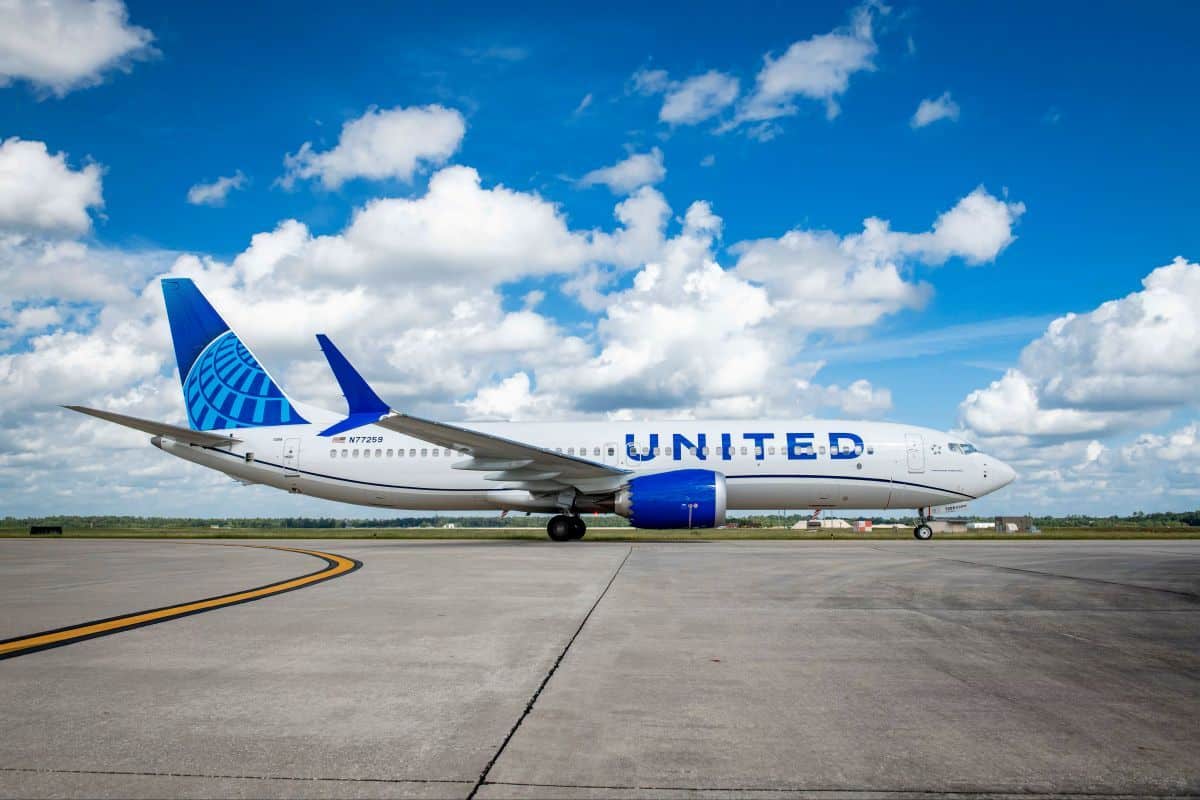
United teams up with American and more as airlines cut flights and prepare travellers for higher holiday airfares due to rising fuel costs, changing capacity strategies and increased operating pressures. Major carriers are reviewing schedules and adjusting flight availability as they attempt to balance strong travel demand with higher expenses. United Airlines, American Airlines and other airlines are focusing on route efficiency by reducing weaker services and prioritising stronger markets. The expected impact is greater pressure on holiday travellers as fewer available seats may contribute to higher ticket prices during peak travel periods. As airlines manage costs, passengers are being encouraged to plan earlier, compare options and remain flexible with travel dates to navigate potential airfare increases.
Why Are United, American And Other Airlines Cutting Flights?
United Airlines, American Airlines and other carriers are reviewing flight schedules as higher fuel expenses change the economics of operating certain routes. Airlines regularly adjust capacity based on passenger demand, profitability and operating costs.
The latest changes are focused on reducing weaker-performing routes rather than widespread network reductions. Carriers are prioritising flights that generate stronger demand and provide better financial returns.
Fuel remains one of the largest expenses for airlines, meaning sustained price increases can influence decisions about aircraft deployment, route frequency and future growth plans.
As holiday travel demand increases, airlines are carefully managing available seats to avoid unnecessary costs while maintaining important connections for passengers.
How Are Higher Fuel Costs Affecting Holiday Airfares?
Higher fuel prices are increasing pressure on airline operating budgets and could contribute to higher holiday airfare prices. Fuel expenses directly influence airline costs because aircraft operations require significant amounts of jet fuel.
Airlines do not always immediately increase ticket prices after fuel costs rise. However, if higher expenses continue, carriers may adjust fares over time to protect profitability.
Holiday periods already experience strong travel demand, and reduced capacity can increase competition for available seats. This combination may create upward pressure on ticket prices.
Travellers planning peak-season journeys may need to monitor fares earlier, compare routes and remain flexible with travel dates to manage higher travel expenses.
Which Airlines Are Reviewing Their Flight Capacity?
Several major US airlines are reassessing their networks as fuel costs and operating expenses remain elevated.
| Airline | Capacity Response |
|---|---|
| United Airlines | Reviewing routes and adjusting schedules based on profitability and demand. |
| American Airlines | Evaluating capacity decisions as fuel expenses influence operations. |
| Southwest Airlines | Reviewing growth plans and future flight schedules. |
The adjustments reflect a broader industry strategy where airlines focus on efficiency rather than operating every possible route.
Carriers are attempting to maintain strong connectivity while reducing exposure to routes that may struggle under higher operating costs.
What Does Reduced Flight Capacity Mean For Holiday Travellers?
Reduced flight capacity could create challenges for passengers during busy holiday travel periods. Fewer flights on certain routes may limit choices and increase competition for available seats.
Travellers may experience:
| Challenge | Possible Impact |
|---|---|
| Fewer flight options | Limited departure times and flexibility |
| Higher demand | Increased competition for seats |
| Rising fares | Higher overall holiday budgets |
| Additional fees | Increased journey costs |
Passengers may benefit from booking earlier, considering alternative airports and checking different travel dates.
Although airlines are adjusting schedules, most major networks continue operating extensive services to meet demand.
Why Are Airlines Focusing More On Capacity Management?
Airlines are increasingly prioritising capacity management because profitability depends on matching available seats with passenger demand. Operating too many flights during periods of high fuel costs can reduce financial performance.
By adjusting schedules and focusing on stronger routes, airlines aim to maintain efficiency while protecting long-term operations.
The strategy also reflects wider changes in aviation, where carriers are balancing expansion plans with economic pressures.
Modern airline management involves analysing demand patterns, fuel costs, aircraft availability and passenger behaviour before making schedule decisions.
Are Premium Travellers Also Affected By Airline Cost Pressures?
Premium travellers may experience fewer direct changes because airlines continue prioritising high-value segments. Business-class passengers and frequent travellers remain important revenue sources for global carriers.
However, higher operating costs affect the entire aviation industry. Airlines must balance investments in premium cabins, lounges and enhanced services while controlling expenses.
The growing focus on premium products shows how airlines are seeking additional revenue opportunities while managing rising costs.
As competition increases, carriers continue improving passenger experiences while adjusting their networks to changing economic conditions.
Conclusion
United teams up with American and more as airlines cut flights and prepare travellers for higher holiday airfares, highlighting how rising fuel costs are reshaping airline capacity decisions. The reason behind these adjustments is the need for carriers to protect profitability while continuing to serve high-demand travel markets. Airlines are reviewing schedules, reducing less profitable routes and managing available seats as operating expenses increase. The answer for travellers is early planning, flexible booking strategies and careful fare comparison during the holiday season. While demand for air travel remains strong, airlines must balance passenger expectations with economic challenges. The changes show how fuel prices, capacity management and market conditions are increasingly influencing the future of holiday air travel.
