
Image generated with Ai
On 10 July 2026, American Airlines flight AA5841, an Embraer ERJ-145 regional jet operated by Piedmont Airlines, safely executed an airborne turnaround and diverted back to Harrisburg International Airport (MDT) shortly after takeoff due to a sudden technical anomaly, successfully avoiding further disruption in crowded East Coast airspace.
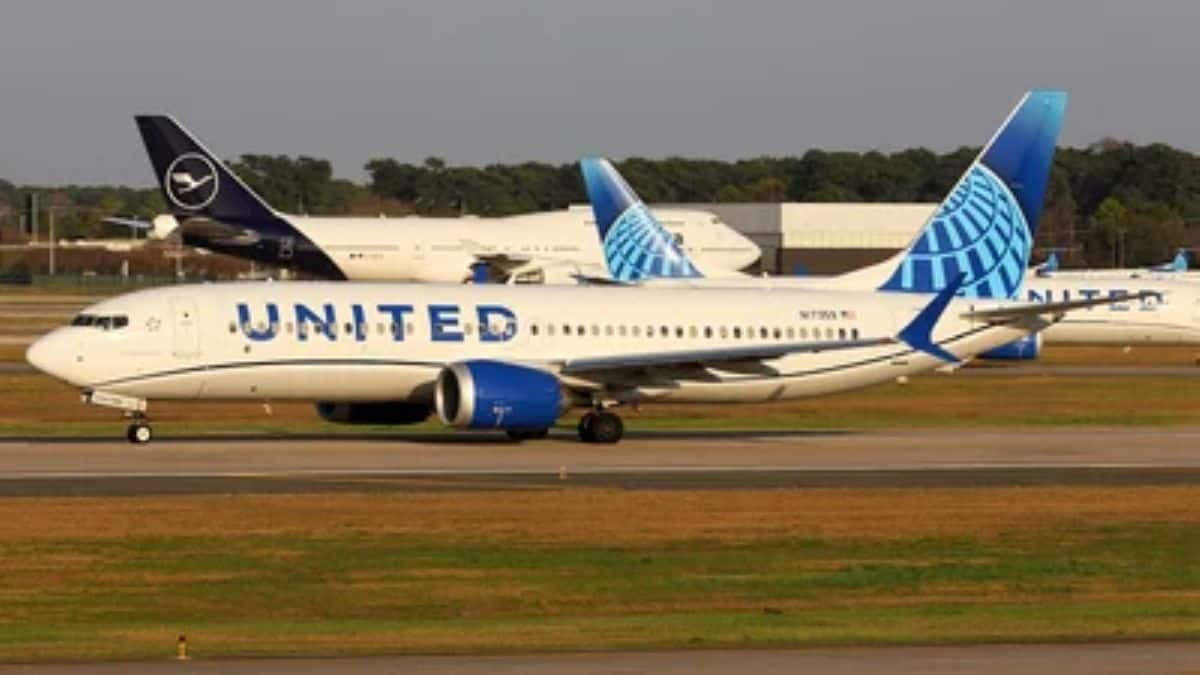
United Airlines operated SkyWest flight UA3362, an Embraer E175LR from Seattle-Tacoma International Airport to Jackson Hole Airport, suddenly diverts to Salt Lake City International Airport on 9 July.
Advertisement
Shocking sky drama unfolded on 10 July! A vital United Airlines operated SkyWest flight UA3362, flying a sleek Embraer E175LR regional jet from Seattle-Tacoma International Airport to Jackson Hole Airport, triggered an emergency mid-air detour. Consequently, this high-stakes flight path modification heavily disrupts plans, leaving passengers completely stranded. The aircraft immediately diverts to Salt Lake City International Airport. This unexpected move completely transforms what you must know for your upcoming travel safety. Therefore, active ground teams are working tirelessly to manage this sudden crisis. Read on to discover the true reason behind this shocking, emergency travel disruption event!
On 10 July 2026, American Airlines regional flight AA5841, operated by Piedmont Airlines using a twin-engine Embraer ERJ-145 aircraft, executed a sudden airborne turnaround shortly after departing from Harrisburg International Airport.The short-haul scheduled service to Philadelphia International Airport suffered an unexpected technical anomaly during its initial climb phase, forcing the highly trained flight crew to immediately abandon the route and bring the regional jet back for a completely safe landing at its point of origin.
Advertisement
Advertisement
The regional aircraft, operating under the civil registration N649PP, was originally scheduled to depart early in the morning but experienced minor ground delays before tracking eastwards into the highly crowded regional flight paths of the Pennsylvania skies. Rather than continuing the brief eighty-four-mile journey to the heavily congested Philadelphia terminal, the pilots prioritised passenger welfare by co-ordinating closely with local air traffic control towers to secure an expedited return corridor to the runway.
Commercial flight turnbacks are almost universally triggered by unexpected mechanical irregularities, severe localised weather variations, or time-critical passenger medical emergencies that require immediate ground-based intervention from emergency medical teams. In the specific case of flight AA5841, the flight crew encountered an unresolved instrument alert shortly after takeoff, which dictated an immediate halt to their standard ascent and prompted a rapid operational shift toward returning safely to the ground.
Airlines heavily prefer returning to the origin airport during minor technical events because these regional facilities typically house the carrier’s specialised maintenance teams, engineering infrastructure, and spare component inventories necessary for swift technical diagnostic procedures. By landing back at the Harrisburg terminal instead of pressing onward to a busy international hub like Philadelphia, the operator successfully minimised cascading delays across their broader domestic network while keeping the aircraft in a highly controlled maintenance environment.
The exact moment an unexpected system alert flashes on the flight deck console, the captain and first officer immediately initiate standard operating procedures outlined in the Quick Reference Handbook to isolate and manage the anomaly. While one pilot maintains active manual control of the aircraft’s flight path and monitors altitude instruments, the second pilot systematically cross-checks the emergency checklists and establishes direct communication with regional air traffic controllers to declare the diversion.
Advertisement
Advertisement
Air traffic control teams immediately clear a dedicated flight corridor through the crowded lower-altitude airspace, actively moving adjacent commercial air traffic out of the way to guarantee the returning regional jet an entirely unhindered approach. This seamless co-ordination ensures that the aircraft can descend smoothly and line up with the active runway without needing to enter prolonged holding patterns, thereby reducing fuel consumption and minimising unnecessary stress on the airframe.
Once a diverted aircraft safely touches down after an airborne turnaround, the airline’s ground handling teams rapidly mobilise at the gate to manage the sudden influx of displaced passengers who have missed their crucial onward flight connections. Because the geographical distance between Harrisburg and Philadelphia is relatively short, customer service agents frequently charter dynamic coach buses to transport travellers directly to their destinations rather than waiting for another regional aircraft to arrive.
If alternative ground transport solutions cannot be arranged immediately or if strict federal crew duty limitations prevent a replacement flight from departing, the carrier must promptly provide overnight hotel vouchers and meal coupons to accommodate the stranded passengers. Every operational decision made during these complex disruptions aims to balance passenger comfort with rigid regulatory compliance, ensuring that safety boundaries are never compromised for commercial convenience or scheduling efficiency.

Image generated with Ai
The Embraer ERJ-145 remains a venerable workhorse of the regional aviation sector, having logged millions of dependable flight hours worldwide under rigorous maintenance schedules mandated by global civil aviation authorities. When incidents like the AA5841 diversion occur, regulatory bodies and airline safety boards launch routine investigations to analyse the flight data recorders, ensuring that any systemic component wear is rapidly identified and rectified across the entire active fleet.
Continuous data sharing between aircraft manufacturers and regional operators allows carriers to proactively update their predictive maintenance programmes, thereby preventing minor sensor issues from developing into significant airborne disruptions. This highly collaborative approach to safety management explains why commercial aviation remains the safest mode of long-distance transport globally, with flight crews fully empowered to terminate journeys early whenever an instrument reading deviates from normal parameters.
Why did this happen? The direct answer is an unresolved technical issue. The principal cause stemmed from an illuminated mechanical indicator light flashing inside the cockpit. For this reason, the pilot chosen safety over the original destination. The aircraft could not complete its scheduled route into the mountainous terrain without full system validation. Consequently, air traffic control cleared a rapid descent corridor. The primary reason for choosing Salt Lake City International Airport was its superior maintenance infrastructure. Thus, the carrier safely grounded the plane to inspect the internal systems, ensuring absolute regulatory compliance.
Ultimately, United Airlines operated SkyWest flight UA3362, an Embraer E175LR from Seattle-Tacoma International Airport to Jackson Hole Airport, proved that safety always comes first. Although the sudden travel disruption caused major frustration, the crew handled the situation flawlessly. The aircraft diverts to Salt Lake City International Airport to ensure a secure touchdown on 10 July. Ground teams quickly arranged alternative transport options for the displaced holidaymakers. In conclusion, this operational turnaround highlights the rigid aviation safety protocols that constantly protect travellers. This event stands as a crucial lesson for your future journeys.
Advertisement
Tags: Jackson Hole Airport, salt lake city international airport, seattle-tacoma international airport, SkyWest Flight UA3362, Travel Disruption
Advertisement
Advertisement













Saturday, September 5, 2026

Friday, September 4, 2026

Saturday, September 5, 2026

Friday, September 4, 2026

Thursday, September 3, 2026

Wednesday, September 2, 2026

Friday, September 4, 2026



