



































Luxury Travel Moves Inland Across Southern Europe

Published
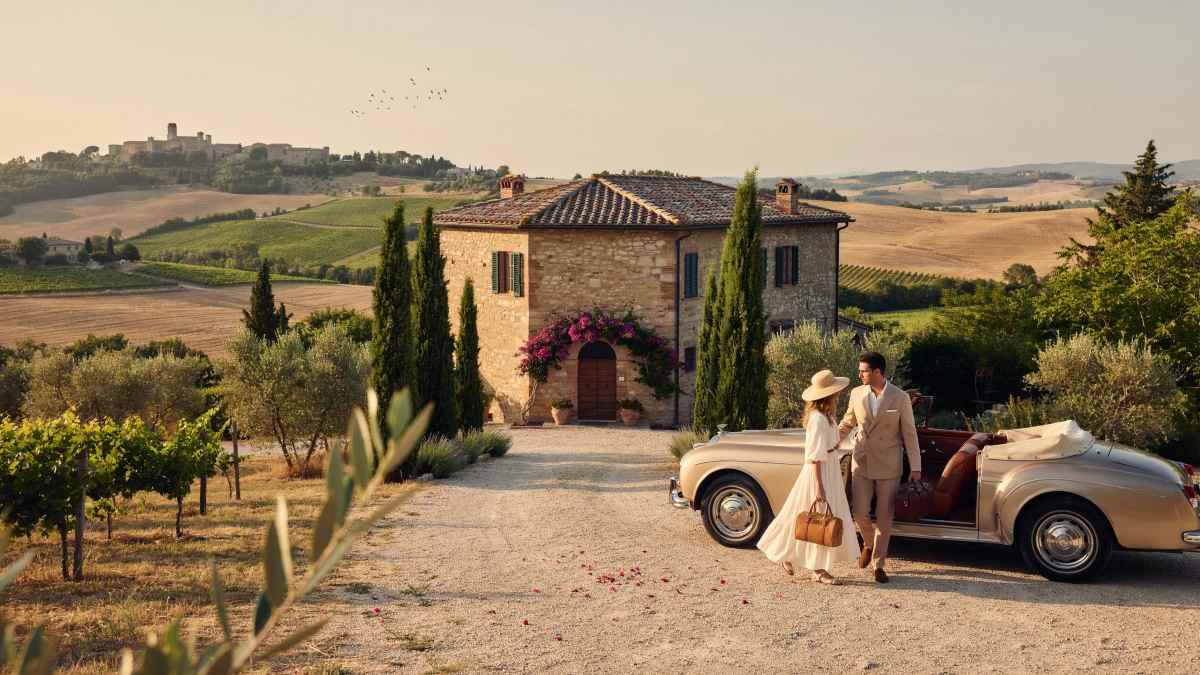
Image generated with Ai
The map of luxury tourism in Europe is moving past its well-known coastal locations. In places like Andalusia, Tuscany and Puglia, the historical estates, active farms and rural properties are starting to become part of a more experiential style of luxury tourism. The attached September 2026 development highlights new regional eco-luxury legislation that includes closed-loop organic farming, on-site solar power production and intimate culinary courses. The specific legislation cannot be verified within the official tourism sources analysed. What can be verified is the overall trend of rural, sustainable tourism.
Andalusia Looks Beyond The Coast
Andalusia has long been associated with the Costa del Sol, Málaga and the region’s Atlantic and Mediterranean beaches. But much of its tourism identity also lies inland, where olive groves, vineyards, mountain villages and historic farmhouses create a very different visitor experience.
The regional tourism authority actively promotes ecological and regenerative agri-tourism, with experiences ranging from farm work and artisan cheese-making to honey harvesting, olive mills and local food markets.
That gives luxury accommodation an unusually strong connection to the surrounding agricultural economy.
A restored finca can become more than an exclusive place to sleep. Its gardens, olive trees, kitchen and nearby farms can form part of the guest experience.
From Finca To Farm-To-Table
The appeal of rural luxury is increasingly tied to what happens beyond the bedroom.
Andalusian tourism authorities promote experiences based on local products and traditional production, including olive harvesting, artisan food and gastronomic routes. The region also identifies ecological agri-tourism as one of its sustainable ways of engaging with natural and cultural resources.
For affluent travellers, this can create a more intimate holiday than a conventional resort.
A private cooking session with a local producer, a walk through an olive grove or a small harvest experience can become part of the accommodation itself.
Puglia Gives Masserie A New Role
Further east, Puglia offers an equally distinctive rural luxury proposition through its historic masserie.
These fortified farm estates have increasingly moved beyond their agricultural origins to accommodate visitors, with some properties combining traditional architecture and carefully renovated contemporary interiors.
Italy’s official tourism platform highlights masserie around Crispiano that now provide accommodation within renovated historic buildings, surrounded by countryside, farms and traditional food production.
Puglia’s agritourism sector is also substantial. A 2026 report published by the Region of Puglia says the region had 946 authorised agritourism businesses in 2024, with international visitors accounting for more than half of recorded overnight stays.
That creates an established foundation for further growth in rural hospitality.
Tuscany Takes The Same Route
Tuscany’s luxury appeal has never depended solely on its cities.
The countryside around Siena, the Val d’Orcia, Chianti and the Maremma already combines historic estates, vineyards, olive groves and agriturismi.
The regional government recently highlighted a Tuscan agriturismo project combining hospitality, agriculture, local food production, nature-based education and social initiatives. The four-room property integrates its agricultural output into guest tastings while retaining a direct connection with the surrounding landscape.
This is significant because it shows how rural accommodation can connect tourism revenue with productive land rather than separating hospitality from agriculture.
Sustainability Becomes Part Of The Stay
The strongest opportunity for luxury operators is not simply to place solar panels on an old building.
Regenerative hospitality asks a more practical question: can the property contribute to the landscape around it?
That could mean using locally produced food, protecting soil and water resources, reducing waste, restoring traditional buildings and supporting nearby producers.
Andalusia’s tourism strategy explicitly promotes a model that balances environmental, social and economic considerations, while Tuscany encourages visitors to minimise environmental impact and respect ecosystems and local cultures.
For luxury travellers, these measures can become visible parts of the experience rather than hidden back-of-house policies.
Small Groups Replace The Resort Crowd
The inland shift also changes the scale of luxury.
Instead of enormous beachfront complexes, rural properties naturally lend themselves to fewer rooms, private villas and small-group experiences.
That creates space for culinary workshops, vineyard visits, farm tours and locally guided cultural activities without reproducing the intensity of a large resort.
The result is a style of luxury based more heavily on privacy, place and personal access.
Southern Europe Finds A New Luxury Formula
The regions of Andalusia, Tuscany, and Puglia are not renouncing their coastal tourism. The coasts are still one of the primary tourism attractions for these regions. At the same time, the rural areas are also becoming more significant for premium tourism. The history of the country, its agriculture and cooking traditions may help the hospitality sector gain that authenticity which can hardly be reproduced anywhere else. The specific laws on ecological and luxury tourism to be introduced in September 2026, according to the proposed development, have not been officially announced yet.
