
Asia Aviation Revolution: Korean Air Integration of Asiana Airlines Set to Redefine South Korea Travel with Standardised Safety, Expanded Routes, and Luxury Services
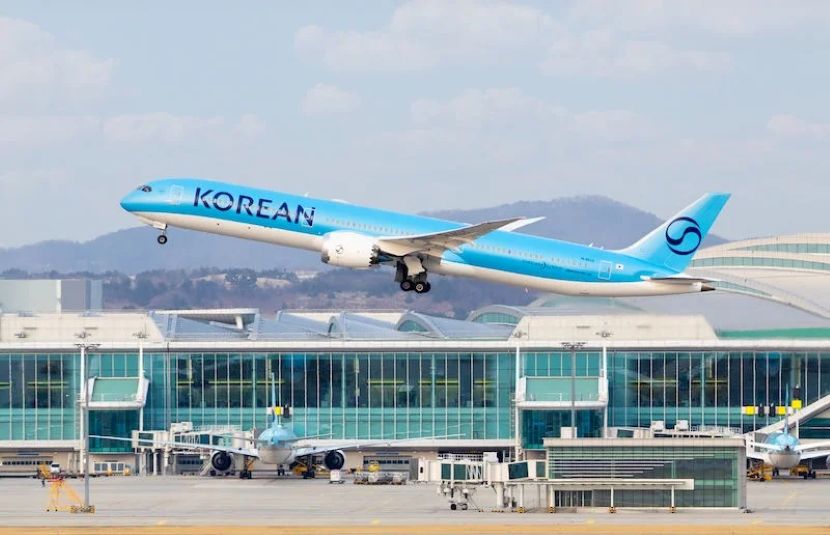
South Korea is on the cusp of a landmark shift in aviation as Korean Air prepares to emerge as a fully integrated flag carrier on December seventeenth, twenty twenty-six. The merger with Asiana Airlines, following a five-year consolidation, promises to reshape travel across the region and elevate Incheon International Airport as a premier global hub. The decision was formalized after both airlines’ boards approved the merger agreement in mid-May, setting a clear path for one of Asia’s most significant airline integrations. Travelers can expect optimized flight networks, modernized service, and a seamless experience as the combined carrier standardizes operations, aircraft, and safety protocols under Korean Air’s Air Operator Certificate.
Historic Merger Details and Financial Structuring
The union between Korean Air and Asiana Airlines traces back to a share subscription agreement signed in November twenty twenty. The merger ratio has been set precisely at one Korean Air share to 0.2736432 Asiana Airlines shares. This valuation follows the Korea Capital Markets Act, calculated using weighted averages of closing prices over one month, one week, and the most recent trading day. The transaction will increase Korean Air’s capital by approximately KRW 101.7 billion.
Advertisement
Advertisement
The South Korean government, along with state-led creditors, contributed 3.6 trillion KRW in liquidity to stabilize Asiana Airlines post-pandemic. This support safeguarded domestic aviation, enabling Korean Air to manage financial and operational restructuring. The public funds have since been fully repaid.
Regulatory Compliance and Governance Oversight
Korean Air will execute this as a small-scale merger under Korea’s Commercial Act. The board resolution will substitute for a general shareholder meeting, while Asiana Airlines will convene an extraordinary general meeting in August to resolve the merger. The Ministry of Justice’s corporate reorganization guidelines are strictly adhered to, with the ESG Committee auditing transaction terms. Independent external experts verified all valuation methodologies to ensure transparency. Full details on fairness measures will be disclosed in the forthcoming registration statement.
Advertisement
Advertisement
Operational Standardization for Safety and Efficiency
After the formal contract execution on May fourteenth, Korean Air will submit its merger application to the Ministry of Land, Infrastructure and Transport (MOLIT). By June twenty twenty-six, amendments to Operations Specifications (OpSpecs) will align Asiana Airlines’ aircraft and safety systems with Korean Air’s existing Air Operator Certificate. Domestic approvals will pave the way for sequential filings with international aviation authorities to harmonize global safety management and operational protocols.
This comprehensive standardization ensures that flight crews, aircraft systems, and operational procedures meet uniform, world-class benchmarks, guaranteeing safe and efficient travel for millions of passengers.
Advertisement
Advertisement
Infrastructure and Passenger Experience Enhancements
Korean Air is finalizing substantial investments to support expanded operations:
- Service upgrades: Terminal relocations, refreshed lounges, and updated catering to enhance passenger experience.
- Training standardization: Unified flight crew programs ensuring procedural consistency across the integrated airline.
- Facility modernization: Renovation of Operations and Customer Centers, Cabin Crew Training Centers, and Aviation Health and Medical Centers to manage increased capacity.
- Maintenance expansion: New engine maintenance plant and extended Engine Test Cell near Incheon International Airport for higher MRO capabilities.
These initiatives will significantly improve operational efficiency and the travel experience across domestic and international routes, reinforcing South Korea’s role as a global travel destination.
Advertisement
Advertisement
Strategic Synergies and Market Impact
The merger is projected to elevate Korean Air’s international profile, offering stronger connectivity and increased transit efficiency at Incheon International Airport. Travelers can anticipate optimized flight schedules and integrated loyalty programs, carefully coordinated with the Korea Fair Trade Commission to ensure a smooth passenger transition. The combined carrier is positioned to capitalize on synergies, strengthen its competitive position, and expand its global network, benefiting both business and leisure travelers.
Korean Air’s operational scale post-merger is expected to attract higher transit volumes, enhance airport hub efficiency, and offer a seamless travel experience for passengers connecting through South Korea.
Looking Ahead
By December seventeenth, twenty twenty-six, travelers will witness a fully unified Korean Air offering enhanced routes, standardised operations, and improved service facilities. The strategic merger highlights South Korea’s commitment to global aviation leadership, emphasizing passenger safety, operational excellence, and world-class infrastructure. This integration is more than a corporate milestone—it represents a transformative moment for travel in Asia, offering a reliable, modern, and cohesive airline network for international passengers.
The Korean Air–Asiana Airlines merger not only stabilizes domestic aviation but positions South Korea as a central travel nexus in Asia. Travelers can look forward to an era of streamlined journeys, upgraded service standards, and greater connectivity, redefining air travel in the region.
IMAGE AND INFORMATION SOURCE: Korean Air (Newsroom)
Advertisement
