
Bolivia’s Salar de Uyuni Brings Salt-Flat Luxury, Andean Culture and High-Altitude Escapes Into Focus

Published
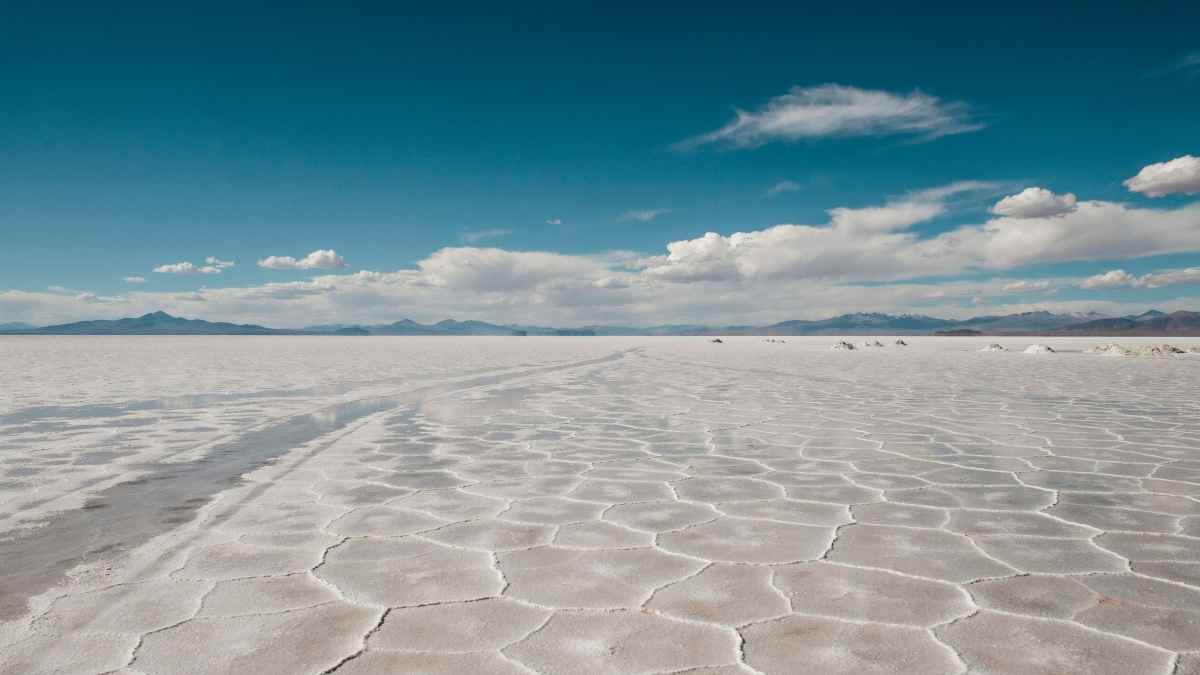
Image generated with Ai
The Salar de Uyuni in Bolivia has come back into the spotlight as the dry season stretches into October, offering tourists the unique opportunity to explore the vast white desert, the salt structures and trips across the elevated plateau of the Altiplano. The event of the ‘Altiplanic Dry-Salt Crystalline Mirage Season Finale’ from 28th September to 2nd October 2026 has been proposed in light of this experience through remote lodging, private dining and the unusual geometry of the salt structure. The title and programme of the event could not be confirmed independently through any official listing. Nonetheless, the destination is well defined: Bolivia’s official tourism website explains the Salar to be roughly 10,582 square kilometres, located at an altitude of around 3,663 metres. It is not the sheer size of the salt flat that makes the site attractive for tourists, but the contrast between its apparent emptiness and the life it supports.
Colchani Offers a Human View of the Salt Desert
Colchani, located near Uyuni, is one of the main gateways to the Salar. The settlement is closely connected to salt production, and its local workshops and markets offer visitors an introduction to the people whose livelihoods are linked to the landscape.
Salt products, handicrafts and small-scale commercial activity provide a different perspective from the expansive views sought by photographers. The village also helps explain how tourism and traditional work coexist around the salt flat.
Visitors commonly travel from Uyuni through Colchani before entering the open Salar by four-wheel-drive vehicle. Guided excursions are important because distances are substantial, landmarks can be difficult to identify and conditions vary across the terrain.
Advertisement
Advertisement
The Dry Season Reveals the Salar’s Geometric Surface
The dry season generally extends from late April into early December, according to local salt-hotel guidance. During this period, the salt crust is more accessible for overland exploration, and its polygonal patterns become especially visible.
The surface is shaped by natural processes that leave a network of geometric formations across the white plain. Under clear skies, the horizon can appear almost seamless, creating the visual impression of an endless landscape.
Advertisement
Advertisement
The famous mirror effect belongs mainly to the rainy season, when a shallow layer of water reflects the sky. In late September and early October, visitors are more likely to encounter dry salt terrain than the broad reflective surface associated with summer imagery.
That distinction matters for travellers choosing dates. The dry months favour access to areas such as Isla Incahuasi, while wet-season conditions can restrict movement across parts of the Salar.
Advertisement
Advertisement
Salt Hotels and Remote Stays Add a Luxury Dimension
Accommodation built with salt blocks has become part of Uyuni’s tourism identity. These properties offer a distinctive way to stay close to the landscape, with some combining local materials and contemporary hospitality.
The supplied research brief points to high-altitude glamping and private charter circuits as growing attractions for affluent travellers seeking isolation and digital disconnection. No independently verified market figures were available to quantify this demand or confirm a specific increase in private lithium-focused safari bookings.
Nevertheless, the wider luxury proposition is visible in the region’s remote lodges, guided 4×4 journeys and carefully planned itineraries. Travellers can arrange private excursions, sunset stops and overnight stays designed around the terrain rather than a conventional resort schedule.
The experience comes with practical limits. At more than 3,600 metres above sea level, altitude can affect visitors, and temperatures fall sharply after sunset. Acclimatisation, hydration, warm clothing and a sensible pace are essential parts of planning.
Advertisement
Advertisement
Andean Food Gives the Landscape a Local Identity
The proposed dining concept highlights roasted quinoa, llama and high-altitude Singani. While the specific private dining programme has not been verified, these ingredients and traditions connect naturally with Bolivia’s wider food culture.
Quinoa is an important Andean crop, particularly in the highlands around Potosí. Its cultivation links food, agriculture and local livelihoods, while llama meat features in traditional dishes in parts of the Altiplano.
Singani, Bolivia’s grape-based spirit, is more closely associated with the country’s wine-producing valleys than with Uyuni itself. Its inclusion in a destination dining experience would therefore bring a national product into a high-altitude setting.
For travellers, local meals can provide a meaningful complement to the visual experience of the Salar, particularly when organised through community-based operators and regional hospitality businesses.
Uyuni Connects the Salt Flat With Wider Andean Landscapes
The destination extends beyond the white expanse. Isla Incahuasi, known for its giant cacti, offers elevated views across the salt flat. The nearby Train Cemetery provides a reminder of Uyuni’s railway and mining history.
Longer itineraries can continue towards the Eduardo Avaroa Andean Fauna National Reserve, where coloured lagoons, volcanic landscapes and flamingos create a striking contrast with the salt desert.
Advertisement
Advertisement
Bolivia’s official tourism information also highlights the region’s Quechua and Aymara communities, traditional agriculture and historical mining settlements. These connections give the destination cultural depth beyond its appeal as a photographic landmark.
Planning a High-Altitude Visit to Salar de Uyuni
Uyuni acts as the major point of entry, with flights coming into Joya Andina Airport from La Paz. This can also be done via overland or train transport, but the details of which would need to be determined prior to departure. The most realistic way to visit the Salar is via organised 4×4 tours. One needs to clarify beforehand the details, including entrance fees, food, accommodation, petrol, and transfers. The Bolivian boliviano is the currency. Money could be helpful outside of the main town, but payment details have to be agreed upon in advance with the hotel or travel agency. The allure of the season is in the perfect balance between sheer natural grandeur and well-thought-out accessibility. With the dry season progressing, the towns of Uyuni and Colchani offer a unique experience of salt, elevation, Andean culture and silence.
Advertisement
