
Norway Aligns With The United Kingdom And More To Modernise Cruise Voyages Across European Waters

Published
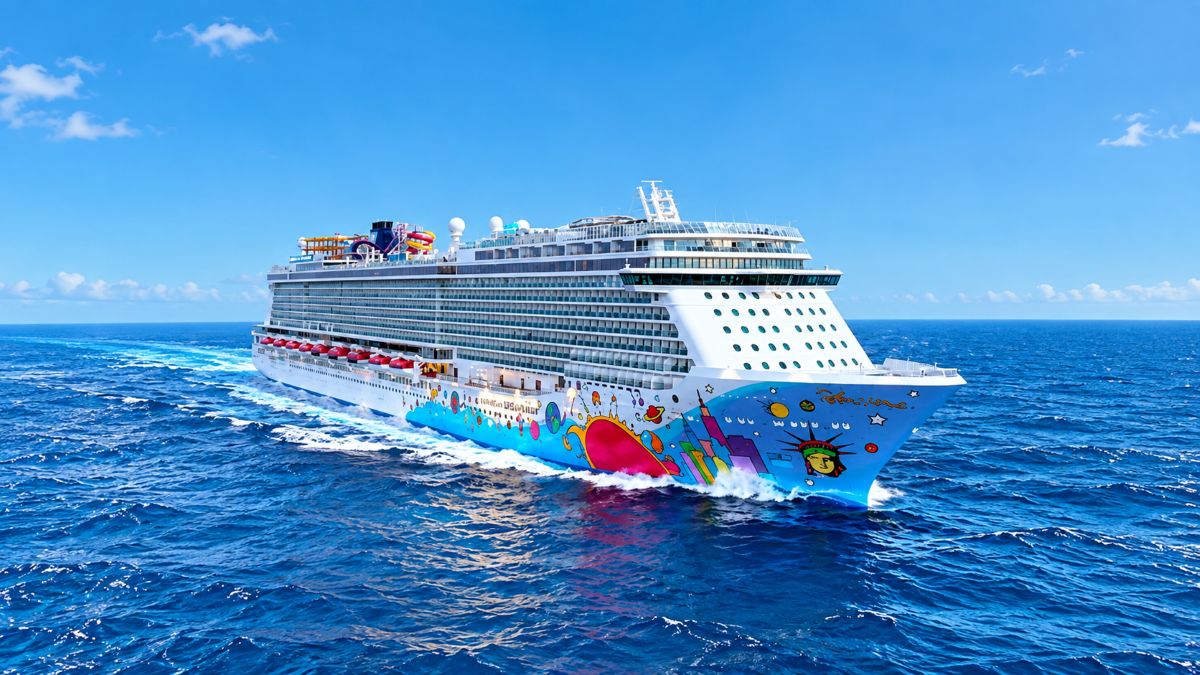
Image generated with Ai
The global cruise sector is entering an intricate phase of operational restructuring, fleet modernisation, and strategic route realignments across Western Europe and the Nordic archipelagos. As leading maritime operators navigate post-pandemic obligations and volatile operating conditions, Norway has reinforced bilateral alignment with key outbound tourist source markets, most notably the United Kingdom. This diplomatic and commercial synchronicity aims to balance high passenger capacity with the stringent environmental preservation measures now mandatory across heritage fjords. Industry operators, including major leisure conglomerates such as Norwegian Cruise Line Holdings, are concurrently restructuring financial foundations to sustain long-term fleet innovation, invest in decarbonisation infrastructure, and maintain premium customer experiences across delicate ecological marine corridors.
The broader travel ecosystem is simultaneously adjusting to shifting consumer preferences, characterised by demand for shorter regional escapes, transparent pricing architectures, and environmentally responsible port excursions. British and Northern European holidaymakers represent the vital commercial lifeblood supporting Scandinavian coastal voyages, making seamless maritime cooperation between Oslo, London, and continental European ports fundamentally vital. As shipping groups issue major financial reorganisations to refinance existing leverage, the resultant capital structure alterations directly influence future itinerary design, ticket yield dynamics, onboard hospitality upgrades, and dockside green-energy adaptation. Travellers who frequent oceanic voyages are witnessing an industry balancing fiscal pragmatism with uncompromised maritime passenger luxury.
Advertisement
Advertisement
Strategic Fleet Restructuring and the Nordic Route Landscape
International passenger shipping requires substantial capital deployment, where ongoing vessel enhancement must align with tightening regional regulations. Cruise operators manage complex balance sheets that directly determine where ships sail and what operational technologies are introduced to lower carbon intensity. Norwegian Cruise Line Holdings recently introduced a private offering of seven hundred and fifty million US dollars in senior notes maturing in 2031. This financing structure targets the redemption of high-coupon liabilities maturing in 2028, alongside revolving credit borrowings and export-credit facilities. For cruise guests, balance-sheet improvements are not merely abstract corporate decisions; they secure the investment required to build next-generation liners equipped with advanced shore-power connectivity, waste-heat reclamation systems, and liquefied alternative fuel propulsion.
The financial resilience of shipping groups dictates the diversity and quality of Northern European itineraries. When cruise companies reduce interest burdens, capital is freed to fund fleet refurbishments, culinary enhancements, and modernised guest amenities. Port authorities throughout Norway, including those in Bergen, Geiranger, and Stavanger, maintain progressive dockside zero-emission mandates that will soon exclude ships lacking compliant scrubbers or clean battery hybrid engines. Operators executing proactive capital refinancings remain best positioned to keep high-value vessels stationed across the North Sea, ensuring continuous connectivity between British home ports such as Southampton, Dover, and Tilbury, and pristine Scandinavian fjords without regulatory disruptions.
Advertisement
Advertisement
Passenger Experience and Itinerary Shifts Across Western Europe
Consumer booking patterns in contemporary maritime travel display distinct structural evolutions. Travellers increasingly prefer well-curated, shorter voyages spanning four to seven nights, blending cultural immersion with open-sea relaxation. Cruise lines are actively deploying their premium vessels onto condensed routes across the North Sea, the English Channel, and the Baltic fringes. This adjustment allows operators to maximise vessel occupancy and crew efficiency while offering budget-conscious travellers elevated onboard amenities.
The strategic shift toward shorter itineraries places intense emphasis on onboard revenue generation and distinctive excursions. Modern passenger ships increasingly serve as self-contained luxury resorts where culinary artistry, Broadway-calibre theatre, wellness facilities, and interactive youth programmes operate around the clock. By refining debt stacks and controlling unit expenses at sub-inflationary levels, shipping lines retain the pricing agility needed to attract discerning British, European, and transatlantic holidaymakers without compromising the breadth of inclusive amenities that define contemporary premium cruising.
Advertisement
Advertisement
| Destination Port | Typical Itinerary Duration | Primary Shore Power Infrastructure | Prevailing Seasonal Passenger Demographics |
|---|---|---|---|
| Bergen, Norway | 7 to 10 Nights | High-Capacity Hydroelectric Shore Connection | Multigenerational British, German, and Scandinavian |
| Southampton, UK | 4 to 14 Nights | Commercial Marine High-Voltage Grid | UK Domestic, Transatlantic, and Northern European |
| Geiranger, Norway | 7 to 12 Nights | Transitioning to Zero-Emission Tender Barges | Eco-Conscious International and Cultural Tour Guests |
| Reykjavik, Iceland | 10 to 14 Nights | Geothermal-Supported Low-Emission Dockage | Adventure Travellers, Wellness and Nature Seekers |
| Copenhagen, Denmark | 5 to 9 Nights | Automated Smart Shore-to-Ship Electric Hub | European City-Break and Nordic Exploration Voyagers |
Harmonising Marine Conservation with Port Economic Viability
The economic interdependence between international cruise liners and coastal port towns demands equilibrium. Norwegian coastal villages rely significantly on seasonal tourism expenditure to support family-owned hospitality businesses, bespoke fjord guiding, transport services, and craft markets. An unmanaged influx of large mega-vessels, however, creates congestion, strains municipal facilities, and risks environmental deterioration across sensitive marine waters.
Norway’s forward-thinking environmental legislation has compelled global lines to upgrade their fleets ahead of international timetables. Cruise operators that proactively adjust financing terms to modernise vessel equipment demonstrate operational longevity. Ships that utilise modern cold-ironing capabilities can shut down internal diesel generators while docked, running entirely on renewable hydroelectricity from municipal grids. This eliminates local air emissions during port stays, substantially lowers dockside acoustic disturbances, and creates a quieter, cleaner environment for shore-side residents and visiting tourists.
Long Term Operational Viability and Industry Outlook
The long-term health of cruise travel relies on disciplined capital management, sub-inflationary cost monitoring, and margin expansion. As operators manage historic fleet liabilities, market appraisals often debate whether modern leisure conglomerates are fundamentally undervalued or trading at a fair market reflection of debt obligations. Travellers observe this underlying financial dynamic through the pace of vessel rollouts, onboard technological integrations, and itinerary stability.
A well-structured maritime group possesses the resilience to navigate fuel price volatility, foreign currency fluctuations, and shifting geopolitical realities. By clearing near-term debt maturities and strengthening long-term liquidity, cruise lines ensure that guest services remain elevated, route development expands into emerging harbours, and fleet sustainability targets are systematically achieved. The alliance between sovereign destination policies and flexible private cruise capital underpins the continued vitality of cruise holidays across European waters.
Frequently Asked Questions
How does cruise line financial restructuring impact passenger holidays? Financial restructuring allows cruise companies to replace costly short-term debt with sustainable long-term financing, preserving capital for fleet renovations, guest hospitality upgrades, culinary investments, and the continuous introduction of modern, reliable cruise liners.
Why are shorter cruise itineraries growing in popularity across Europe? Shorter voyages of four to seven nights provide flexible, time-efficient, and cost-predictable holidays, allowing travellers to experience multiple cultural destinations, premium dining, and entertainment without committing to lengthy multi-week schedules.
Advertisement
Advertisement
What environmental rules govern cruise ships sailing into Norwegian fjords? Norway enforces strict maritime emission policies, requiring vessels navigating World Heritage fjords to lower greenhouse gas output, eliminate hazardous wastewater discharges, and adopt shore-power electrification or zero-emission propulsion technologies.
Can modern cruise liners connect to clean electricity while docked in ports? Many modern liners are equipped with cold-ironing shore-power systems, allowing them to turn off onboard diesel auxiliary engines and run all hotel operations entirely on renewable shore electricity during port calls.
Which British ports serve as primary departure points for Norwegian fjord cruises? Southampton, Dover, Tilbury, and Newcastle serve as leading United Kingdom departure hubs, offering convenient round-trip sea journeys across the North Sea directly into coastal Norwegian destinations.
Are ticket prices on European itineraries expected to rise due to sustainability upgrades? While significant investments are made in zero-emission maritime engineering, cruise operators offset these outlays through operational efficiencies, sub-inflationary cost management, and competitive pricing models that keep voyage costs attractive.
What amenities distinguish modern cruise ships operating in Northern Europe? Vessels features enclosed climate-controlled observation lounges, full-service thermal spas, multi-deck theatre productions, diverse specialty restaurants, and structured educational lectures highlighting Nordic history, geography, and wildlife.
How do seasonal climate conditions influence cruise planning in Scandinavia? Peak summer sailings between May and September offer extended daylight hours and milder weather, whereas spring and autumn voyages present uncrowded ports and unique views of autumn landscapes and the Northern Lights.
Advertisement
Advertisement
How do cruise operators support local economies in smaller Norwegian harbours? Cruise lines partner with local transfer providers, family-run craft eateries, historical museums, and outdoor guide services, delivering substantial seasonal expenditure directly to coastal municipalities.
What steps should travellers take to choose an environmentally responsible voyage? Guests can choose itineraries operated by modern, shore-power-ready ships, support certified sustainable shore excursions, respect municipal waste-disposal directives, and patronise authentic local independent businesses during port visits.
Advertisement
