
India Joins Sri Lanka, Nepal, Bhutan, Bangladesh and Southeast Asia in Expanding Birdwatching Tourism as Chhattisgarh Launches Community-Led Hornbill Safari at Udanti Sitanadi Tiger Reserve to Boost Eco Travel, Wildlife Conservation and Tribal Livelihoods: Exclusive

Published
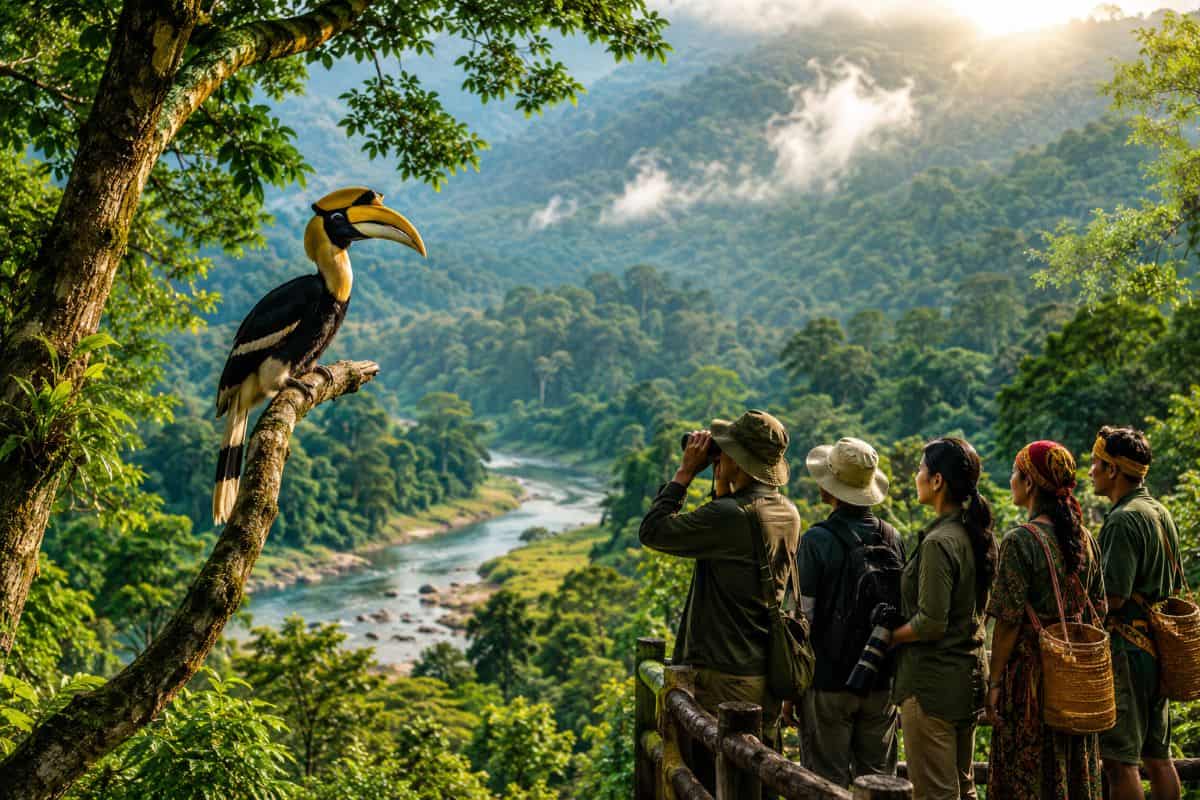
India is strengthening its position on the global eco-tourism map by introducing a new wildlife experience that combines bird conservation, responsible travel and community participation. Joining destinations across Sri Lanka, Nepal, Bhutan, Bangladesh and Southeast Asia that have successfully promoted birdwatching tourism, Chhattisgarh is preparing to launch the country’s newest Hornbill Safari inside the Udanti Sitanadi Tiger Reserve. The initiative focuses on the conservation of the rare Malabar Pied Hornbill while offering travellers an immersive opportunity to witness one of India’s most spectacular bird species in its natural forest habitat. With increasing interest in sustainable tourism experiences, the safari is expected to attract domestic and international birdwatchers, wildlife photographers, researchers and nature enthusiasts seeking lesser-explored destinations.
Unlike conventional wildlife safaris that primarily focus on large mammals, the Hornbill Safari places birds and forest ecosystems at the centre of the visitor experience. Developed as a community-led conservation programme, the project also creates new livelihood opportunities for local tribal communities through eco-tourism, guiding services and conservation activities. Scheduled to begin in the coming weeks after successful trial runs, the safari highlights how tourism can become an effective tool for protecting biodiversity while supporting local economies. The initiative further strengthens Chhattisgarh’s growing reputation as an emerging destination for wildlife, conservation-based travel and authentic nature experiences in Central India.
Hornbill Safari to Introduce a New Wildlife Experience in Chhattisgarh
The Hornbill Safari will operate inside the Udanti Sitanadi Tiger Reserve, where sustained conservation initiatives have helped increase the population of the Malabar Pied Hornbill over recent years. Initially, visitors will explore designated forest routes using two safari vehicles specifically introduced for the programme.
The safari has been planned around the Particularly Vulnerable Tribal Group (PVTG) villages of Odh, Amlor and Amamora. These villages have become central to conservation efforts and will also play a significant role in welcoming visitors while ensuring tourism remains environmentally responsible and community driven.
Advertisement
Advertisement
| Safari Feature | Details |
|---|---|
| Destination | Udanti Sitanadi Tiger Reserve |
| State | Chhattisgarh |
| Main Attraction | Malabar Pied Hornbill |
| Safari Type | Community-led Birdwatching Safari |
| Initial Vehicles | Two Safari Vehicles |
| Launch Status | Trial runs completed, official launch soon |
| Target Visitors | Birdwatchers, photographers, researchers and eco travellers |
Community Participation Becomes the Foundation of Sustainable Tourism
One of the most significant aspects of the Hornbill Safari is its emphasis on involving local communities directly in tourism activities. Local tribal youth are being trained as nature guides, allowing visitors to understand the forest ecosystem through the knowledge of people who have lived alongside it for generations.
The initiative also creates employment opportunities beyond guiding, including hospitality, transportation, handicrafts and eco-tourism support services. By connecting conservation with livelihoods, the programme aims to ensure that protecting biodiversity delivers long-term social and economic benefits to surrounding villages while encouraging future generations to preserve their natural heritage.
Advertisement
Advertisement
According to reserve officials, the Hornbill Safari has been designed to strengthen habitat protection while simultaneously creating sustainable income opportunities through responsible tourism.
Birdwatchers Can Discover Exceptional Biodiversity Beyond Hornbills
Although the Malabar Pied Hornbill is the primary attraction, the reserve supports an impressive diversity of birdlife that makes it an attractive destination throughout the year. Visitors may encounter several rare and colourful species during guided excursions, enhancing the overall wildlife experience.
| Bird Species | Wildlife Interest |
|---|---|
| Malabar Pied Hornbill | Flagship conservation species |
| Shaheen Falcon | Rare raptor |
| Indian Pitta | Seasonal colourful migratory bird |
| Brown Fish Owl | Nocturnal forest owl |
| Grey-headed Fish Eagle | Wetland and riverine predator |
| Barbets | Resident forest birds |
| Minivets | Colourful canopy birds |
| Woodpeckers | Important forest indicator species |
The reserve’s varied landscapes, including forests, rivers and wetlands, provide ideal habitats for numerous bird species, making it an increasingly attractive destination for bird photography, wildlife research and educational tourism.
Responsible Eco Tourism Supports Wildlife Conservation
The Hornbill Safari reflects a growing global trend where tourism contributes directly to environmental conservation rather than placing pressure on natural ecosystems. Visitor numbers will remain carefully managed during the initial phase, allowing authorities to monitor ecological impacts while maintaining high-quality wildlife experiences.
The project also encourages travellers to appreciate biodiversity beyond iconic mammals by showcasing the ecological importance of birds in maintaining healthy forest ecosystems. Birdwatching tourism generally creates lower environmental impacts while generating meaningful economic returns for local communities, making it one of the fastest-growing segments of sustainable travel worldwide.
Why the Hornbill Safari Strengthens India’s Wildlife Tourism Portfolio
India has traditionally been recognised for tiger safaris in destinations such as Madhya Pradesh, Rajasthan, Karnataka and Uttarakhand. The upcoming Hornbill Safari in Chhattisgarh broadens the country’s wildlife tourism offerings by placing bird conservation and community participation at the heart of the visitor experience. This diversification aligns with the increasing global demand for slow travel, nature-based tourism and authentic conservation experiences.
Advertisement
Advertisement
For international travellers, birdwatchers and wildlife photographers, specialised bird safaris provide opportunities to observe rare species in relatively undisturbed habitats. The Udanti Sitanadi Tiger Reserve therefore has the potential to emerge as one of Central India’s premier birdwatching destinations while complementing the state’s existing wildlife attractions.
Travel Information for Visitors Planning the Hornbill Safari
The Hornbill Safari is expected to begin operations in the coming weeks following successful trial runs conducted by the forest department. Initially, only two safari vehicles will operate to ensure controlled tourism and minimal disturbance to wildlife.
| Travel Information | Details |
|---|---|
| Destination | Udanti Sitanadi Tiger Reserve |
| State | Chhattisgarh |
| Safari Theme | Community-led Hornbill Safari |
| Primary Attraction | Malabar Pied Hornbill |
| Best Visitors | Birdwatchers, photographers, families, researchers and nature enthusiasts |
| Current Status | Trial runs completed |
| Official Launch | Expected in the coming weeks |
| Tourism Model | Sustainable and community-based eco-tourism |
Travellers are encouraged to book through authorised forest tourism channels once reservations open. Visitors should carry binoculars, cameras with telephoto lenses, lightweight clothing suitable for forest conditions and follow all instructions provided by trained guides to ensure a safe and environmentally responsible experience.
Chhattisgarh Positions Itself as an Emerging Eco-Tourism Destination
The launch of the Hornbill Safari represents more than a new tourism product. It signals Chhattisgarh’s broader vision of developing sustainable tourism that protects biodiversity while empowering indigenous communities. By combining conservation, education and responsible travel, the initiative demonstrates how protected areas can create long-term environmental and economic value.
As travellers increasingly seek meaningful experiences beyond traditional sightseeing, destinations that prioritise wildlife conservation, local culture and ecological sustainability are gaining international attention. The Hornbill Safari at Udanti Sitanadi Tiger Reserve reflects this shift and is expected to become one of India’s noteworthy additions to its expanding portfolio of eco-tourism experiences.
FAQs
1. Where is the new Hornbill Safari located?
The safari will be introduced at the Udanti Sitanadi Tiger Reserve in the state of Chhattisgarh, India.
Advertisement
Advertisement
2. What is the main attraction of the Hornbill Safari?
The primary attraction is the rare Malabar Pied Hornbill, along with several other notable bird species found within the reserve.
3. When will the Hornbill Safari officially open?
The official launch is expected in the coming weeks after the completion of successful trial runs.
4. How many safari vehicles will operate initially?
The forest department plans to begin operations with two safari vehicles.
5. Which villages are involved in the project?
The initiative includes the Particularly Vulnerable Tribal Group (PVTG) villages of Odh, Amlor and Amamora.
6. Who will benefit from the safari initiative?
Local tribal communities, trained youth, nature guides, wildlife researchers, photographers and eco-tourists are expected to benefit from the programme.
7. What other birds can visitors expect to see?
Visitors may also spot the Shaheen Falcon, Indian Pitta, Brown Fish Owl, Grey-headed Fish Eagle, barbets, minivets and several species of woodpeckers.
Advertisement
Advertisement
8. Why is the Hornbill Safari important for conservation?
It promotes habitat protection, raises awareness about bird conservation and links wildlife preservation with sustainable livelihood opportunities for local communities.
9. Is the safari suitable only for birdwatchers?
No. It is designed for wildlife photographers, families, students, researchers, eco-tourists and anyone interested in experiencing nature responsibly.
10. How does this safari contribute to India’s tourism sector?
The Hornbill Safari expands India’s eco-tourism offerings by introducing a specialised birdwatching experience that supports biodiversity conservation, community participation and sustainable travel, helping position Chhattisgarh as an emerging destination for nature-based tourism.
Advertisement
