
Kazakhstan is Building on its Global Business Travel Profile as US and Central Asia Meet for New AI Talks

Published
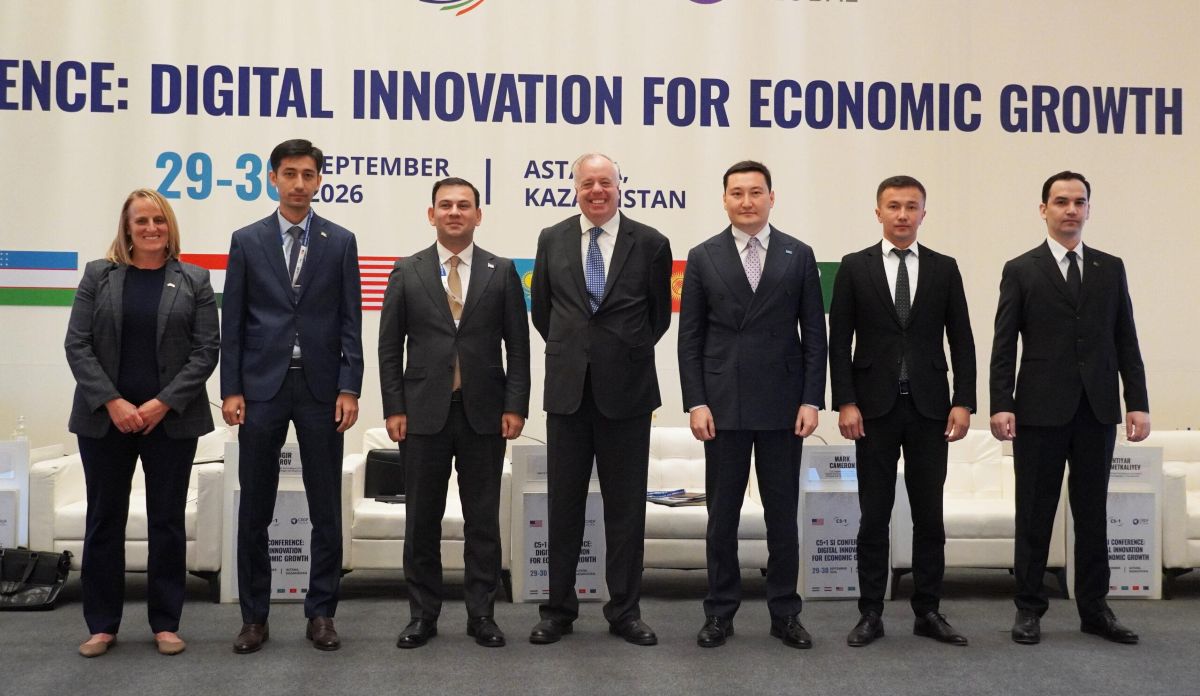
Image generated with Ai
Kazakhstan’s Business Travel calendar features an Astana AI programme involving Central Asian countries and the United States, according to the supplied ministry announcement. It lists a C5+1 meeting for 29–30 September 2026 and an international digital forum for 1–3 October, within AI MONTH 2026. The agenda concerns AI rules, infrastructure, skills and technology partnerships. A separately verified September seminar in Ashgabat provides regional context. For conference participants, the immediate issue is confirming attendance arrangements. The reviewed material establishes no associated visa change, new passenger route or measured tourism increase.
The Evidence Points to Digital Cooperation and International Meetings
The story principally concerns cooperation on artificial intelligence and digital systems. Its travel relevance comes from the international meetings associated with that agenda. These gatherings belong within MICE, which means meetings, incentives, conferences and exhibitions. However, the available evidence supports only the meetings and conferences connection. It does not establish increased holiday demand or a new visitor attraction. Examining Astana’s Global Business Travel Profile therefore requires care: an international programme identifies professional activity, but it does not measure the city’s conference performance.
Advertisement
Advertisement
The following allocation describes the story’s editorial emphasis. These percentages are an editorial assessment, not government statistics or measured economic contributions. They total 100% and give the greatest weight to the documented digital agenda. The table also distinguishes independently retrieved information from details attributed to the supplied announcement. Its purpose is to prevent a limited conference connection from becoming an unsupported claim about tourism expansion.
| News Component | Share of Story | Finding and Evidence Status | Relevance to Travellers | Official Source |
|---|---|---|---|---|
| AI and digital cooperation | 60% | Ashgabat discussions covered AI, communications, data centres and financing | Establishes the professional subject of regional meetings | Official Turkmenistan embassy release |
| International conferences | 25% | Ashgabat attendance is confirmed; Astana’s programme requires direct reconfirmation | Relevant to prospective conference participants | Embassy release and supplied ministry announcement |
| Infrastructure security | 10% | Ashgabat discussions addressed digital resilience and infrastructure protection | Provides technology context; no tourism programme is established | Official embassy release |
| Tourism evidence and practical limits | 5% | Reviewed material establishes no event-linked tourism figures or entry reform | Limits conclusions about spending, access and demand | Scope of the reviewed official material |
September’s Regional Seminar Provides the Confirmed Background
The independently verified chronology begins in Ashgabat on 15–16 September 2026. A regional seminar brought together government representatives from Central Asia and the United States, alongside technology specialists and experts. Discussions covered artificial intelligence, digital infrastructure protection, satellite communications, spectrum management, data centres and project financing. An official account published on 17 September confirms that the gathering took place. It describes an exchange of experience and discussion of further cooperation. The account does not report tourism performance or provide a delegate total.
Advertisement
Advertisement
The supplied Kazakhstan announcement then lists Astana’s C5+1 meeting for 29–30 September, followed by the October forum. Those details remain attributed because direct retrieval failed. As of 1 October 2026, the listed September dates have passed, while the forum’s scheduled period has begun. That timing does not independently confirm completed sessions or agreements. The two cities also hosted separate programmes. Their related themes provide context for the Global Business Travel Profile angle, but the evidence does not establish that the Ashgabat seminar caused the Astana gathering.
AI Rules, Infrastructure and Skills Define the Agenda
The supplied Astana brief identifies AI regulation, infrastructure, workforce training and technology partnerships as priorities. In plain terms, these concern the rules for using AI, the systems supporting digital activity and the skills people need. They explain why the programme attracts a professional audience. However, the available material does not establish approved regulations, completed training schemes or signed tourism contracts. A discussion topic and an implemented decision represent different stages. Reporting must preserve that difference when explaining what has happened and what remains unresolved.
Advertisement
Advertisement
The connection with travel technology is similarly limited. Reservation services, payments and visitor information depend on digital systems, but the announcements identify no specific improvement to them. No reviewed release establishes an airport cybersecurity scheme, hotel system upgrade or tourism booking platform linked to these meetings. The Global Business Travel Profile discussion therefore concerns the international conference setting. It does not describe a verified digital transformation of tourism. This distinction also prevents regional technology priorities from becoming claims about faster journeys or better visitor services.
Missing Tourism Figures Limit the Economic Conclusions
No suitable event-level tourism statistics were established in the reviewed material. There are no confirmed Astana delegate totals, visitor spending figures, hotel occupancy rates or overnight-stay measurements attributable to the programme. There is also no verified ratio between domestic and international participants. Consequently, no growth percentage can be calculated responsibly. The previously mentioned US$5 million commitment and reported AI contribution and energy targets associated with Tajikistan remain excluded. This research did not establish primary-source confirmation for those claims, so they cannot support an investment narrative.
Advertisement
Advertisement
Assessing a Global Business Travel Profile needs evidence beyond a schedule. Attendance records show scale, while participant origins show international reach. Accommodation and expenditure data help explain local economic relevance. Even if national tourism figures became available, they would not automatically demonstrate an effect from these particular meetings. The same caution applies to citywide hotel results. The current evidence supports a professional events story. It does not establish additional jobs, increased bookings, stronger visitor confidence or gains for local communities.
Conference Access and Immigration Need Separate Checks
The supplied programme does not establish public admission, registration eligibility, ticket prices or accommodation arrangements. A listed event date is therefore insufficient for planning attendance. Prospective participants need confirmation of the venue, session access and any invitation requirement. The announcements also establish no linked visa exemption, e-visa reform, passport change or shared regional visa. Entry requirements must be checked separately through official consular channels. They may depend on nationality and visit purpose, so the conference programme should not be treated as immigration guidance.
Transport requires the same approach. No reviewed announcement establishes a new passenger route, dedicated transfer or additional service linked to the programme. Current operator information is necessary for the actual itinerary. For the Global Business Travel Profile angle, this matters because destination visibility and practical accessibility are different questions. The evidence does not justify advising travellers to cancel journeys or assume special border privileges. It supports confirming participation first, then checking the arrangements needed to reach and attend the event.
Relevant next steps for participants
Advertisement
Advertisement
- Confirm the current programme, venue and admission arrangements.
- Check registration approval and any required invitation.
- Verify applicable passport and visa conditions with official authorities.
- Confirm transport schedules and accommodation booking terms.
- Follow official updates for documented proceedings and outcomes.
What Comes Next Depends on Confirmed Outcomes
The supplied brief lists 3 October 2026 as the forum’s closing date. No separate tourism implementation deadline, immigration review or passenger-route launch has been established. Future reporting should follow an accessible official account of proceedings. That would allow confirmed decisions to be distinguished from discussion topics, proposals and expressions of interest. Reliable attendance and tourism measurements would then determine whether a broader travel impact can be reported.
Kazakhstan Business Travel Awaits Confirmed AI Forum Outcomes
Kazakhstan’s Business Travel story concerns an international AI programme, with Astana details still awaiting direct ministry-source reconfirmation. The verified Ashgabat seminar establishes regional context, but it does not prove outcomes in another city. No reviewed announcement establishes a linked visa reform, passenger route or measured tourism gain. Participants need confirmed event access and separate checks of immigration and transport arrangements. The next scheduled milestone in the supplied brief is the forum’s closing date. Further reporting should follow documented proceedings and reliable attendance figures. Official updates must guide conclusions about decisions, investment and any eventual benefits for travellers or local businesses.
Advertisement
