
Chile Follows Spain and Others as Accessible Travel and Virtual Tours Make Trip Planning Easier

Published
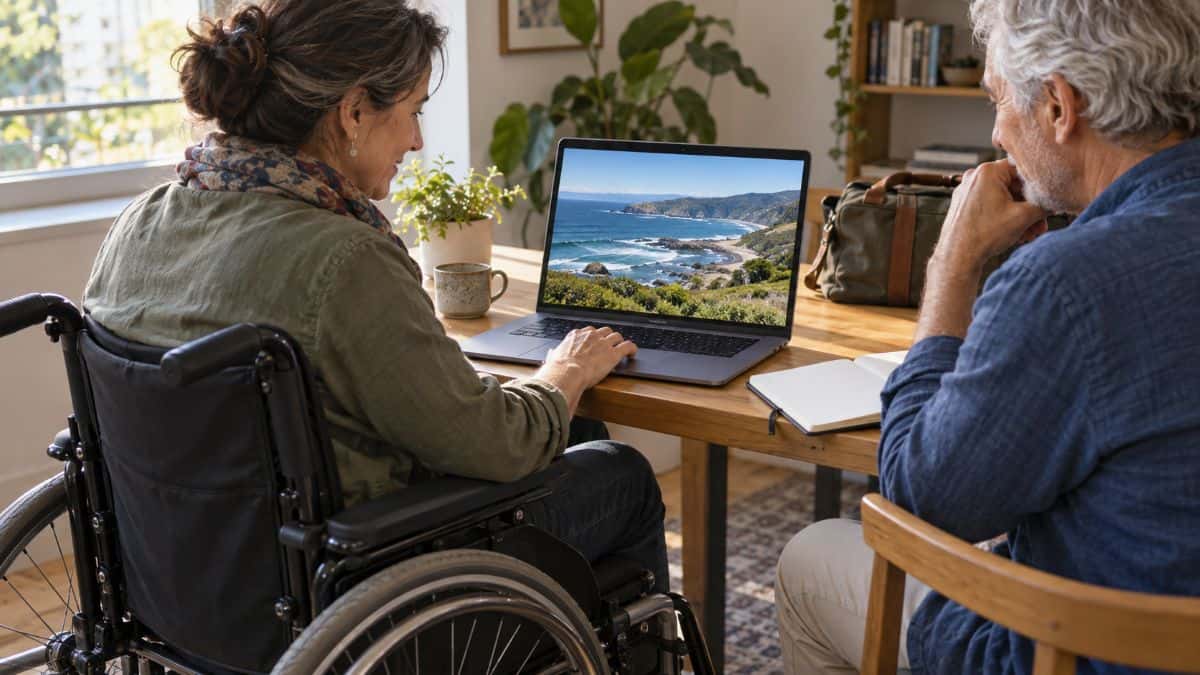
Image generated with Ai
Chile has now joined Spain and other destinations across the globe to highlight how accessible travel and virtual tours can make trip planning easier. Sernatur’s recognition of personalised holidays and 360-degree destination previews in Ñuble and Biobío puts individual needs at the heart of the experience. For disabled travellers, older visitors and people with health conditions, the value is practical: clearer information about facilities, assistance and physical barriers before booking. From Spain’s accessible beaches to England’s detailed access guides, official initiatives show how better information can support more confident holiday choices.
Chile’s Accessible Travel Awards Connect Choice With Confidence
Sernatur’s Más Valor Turístico 2026 awards, announced on 22 September, selected two winners from 230 applications and 16 regional finalists. Across 11 editions, the competition has recognised 31 products.
| Winning product | What it offers | Decision it helps travellers make |
|---|---|---|
| TrekAndino: Turismo para Todos, Ñuble | Personalised experiences developed with disabled travellers, older people and people with health conditions | Which activities suit my interests and requirements? |
| Travelfy: Biobío Inmersivo 360, Biobío | Immersive previews of attractions, activities, events and accessibility conditions | What should I expect before choosing an experience? |
TrekAndino involves local businesses in delivering its experiences. Both winners receive audiovisual production, digital marketing support, Sernatur promotion and participation in the Feria VYVA business roundtable.
The distinction between the products matters: one adapts the experience; the other helps people assess it. Sernatur has not published booking gains or measured visitor outcomes in this announcement.
Advertisement
Advertisement
Accessible Beaches Across Spain Make Timing Part of the Plan
A Spanish Tourist Office report dated 18 June 2026 identifies 87 accessible beaches in the Valencia region: 27 in Alicante, 24 in Castellón and 36 in Valencia. It also highlights 26 accessible tourism routes.
Advertisement
Advertisement
Named Valencia beaches offer adapted walkways, amphibious wheelchairs, hoists and seasonal assisted bathing. Travellers who need help entering the water should establish when that service operates before fixing their dates.
Spain also promotes Loarre XR and virtual-reality interpretation at Santa María Cathedral in Vitoria-Gasteiz. Digital reconstructions reveal historical or restricted spaces, extending what visitors can experience. These projects do not establish physical access throughout the buildings.
UK’s Access Guides Help Travellers Decide Where to Go
VisitEngland’s collaboration with AccessAble has supported new guides for over 480 businesses, through 28 Local Visitor Economy Partnerships. UK has more than 10,000 visitor-economy access guides overall.
A March 2026 survey of 108 supported businesses, with guides available for at least six months, found:
- One in three reported more visitors with accessibility requirements.
- 25% reported higher overall visitor or customer numbers.
- 23% received feedback that their guide influenced a visit.
These findings reflect business perceptions, not independently measured booking gains. They suggest that detailed information can form part of the booking decision, giving businesses a reason to make it easy to find.
Advertisement
Advertisement
Accessible Tourism Already Represents a Major Travel Market
Official figures underline the commercial importance of meeting access needs.
| Destination | Verified market measure | Reference period |
|---|---|---|
| UK | £14.6 billion estimated annual tourism spending by visitors with impairments or parties including someone with an impairment | Combines 2023 inbound and 2024 domestic data |
| Australia | 70.5 million trips, or 22% of trips; A$29.2 billion spending, or 17% of spending | 2024 |
Australia includes travellers with disabilities or long-term health conditions and people travelling with them. Domestic estimates cover travellers aged 15 and over. The definitions differ, preventing a direct country ranking. Neither figure measures 2026 growth.
A practical implication is that accessibility can influence a group’s destination choice: the experience needs to work for the people travelling together.
Australia’s Virtual Walks Put Distance and Effort in View
At Bungoona lookout and path, south of Sydney, NSW National Parks pairs a Google Street View Trekker preview with a concrete, wheelchair-accessible route description.
The official listing gives a 0.92km return distance, a suggested 30-minute visit and a Grade 1 classification.
Advertisement
Advertisement
This combination answers two different questions: what is there to enjoy, and what will reaching it involve? Travellers managing fatigue or mobility needs can use the distance as a planning reference. The published duration remains an estimate; personal pace, rest stops and current park alerts belong in the final decision.
France and the US Show Why Specific Access Details Matter
France’s Tourisme & Handicap label addresses hearing, visual, mobility and intellectual or cognitive disabilities. Government guidance dated 9 July 2026 says establishments qualify for at least two of these four categories. Certification lasts five years, subject to reassessment for renewal. Check the categories awarded to the venue you intend to book.
At Frederick Douglass National Historic Site in Washington, DC, the US National Park Service publishes a decisive measurement: wheelchairs wider than 27.5 inches, approximately 70cm, cannot pass through the house’s narrowest first-floor doorway.
The second floor has stairs and no lift. Staff can provide a photographic tour, while the website links to remote tours.
France’s Palace of Versailles also offers 360-degree virtual tours. Together, these examples show how certification, measurements and digital interpretation serve different traveller needs. Their value lies in the specific questions they answer.
Advertisement
Advertisement
Singapore Shows Why Virtual Tours Need Current Visitor Notices
National Gallery Singapore’s free, ongoing Namjooning virtual tour offers a 360-degree art and wellness experience in English, Mandarin, Malay, Tamil and Korean.
Its website statement, reviewed on 29 July 2026, reports partial compliance with WCAG 2.2 AA, a digital-accessibility standard. Online availability alone does not establish that an interface works for every visitor.
There is also a practical update for physical visits. As checked on 23 September, the Gallery’s Calm Room is closed for maintenance, with reopening expected in October 2026. Visitors needing a quiet space should ask staff for assistance.
The planning lesson is that facilities and staffing can change independently of a virtual experience. Pair previews with current visitor notices.
Use Virtual Tours to Ask Better Questions Before Booking
Choose the resource that answers your question:
Advertisement
Advertisement
| Your question | Most useful resource |
|---|---|
| Can I move through this space? | Access guide with measurements and route photographs |
| What will the setting feel like? | Virtual walkthrough, video or sensory information |
| Will essential support be available? | Current visitor notice and confirmation for your dates |
Then check the connections between each part of the holiday:
- Arrival: transport, parking and access to the entrance.
- Comfort: suitable toilets, rest points and quiet spaces.
- Support: equipment, staffing and advance booking requirements.
The most useful innovation gives travellers enough detail to make their own decisions. For Chile and the destinations compared here, lasting value comes from turning published information into arrangements people can rely on when they arrive.
In conclusion, Chile follows Spain and others as accessible travel and virtual tours make trip planning easier by helping people assess destinations before booking. Personalised experiences address individual needs, while digital previews and detailed access guides explain facilities, routes and available assistance. Together, these tools can reduce uncertainty for disabled travellers, older visitors and people with health conditions. Their value depends on accurate information, current service notices and support that matches the visitor’s requirements. Official recognition encourages this approach, but travellers should confirm essential arrangements directly. Better holidays begin when people can choose experiences confidently and understand what awaits them on arrival.
Advertisement
