
Malta, A Mediterranean Island in Europe Drives Tourism Growth in 2026 with Record Visitor Demand: All You Need to Know

Published
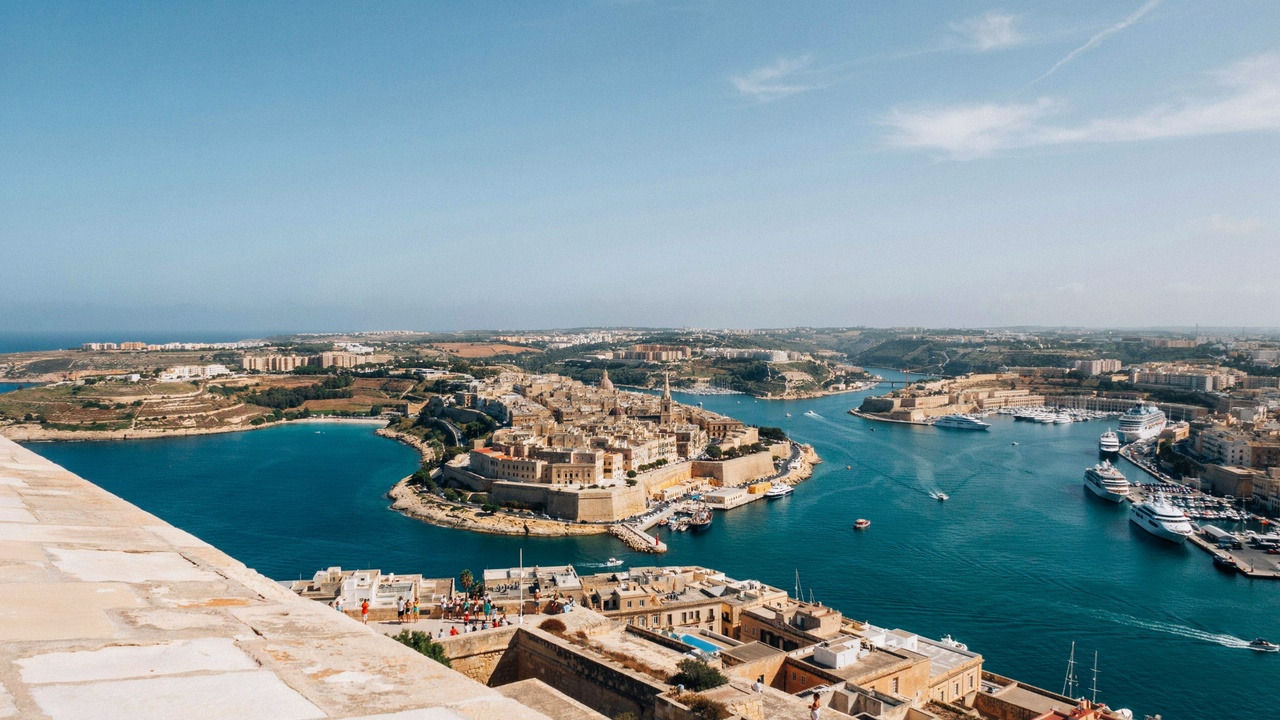
Malta is entering 2026 with one of the strongest tourism growth stories in Europe, as travel demand, visitor spending and economic contribution continue expanding across the Mediterranean island nation. The country’s Travel and Tourism sector is forecast to contribute US$4.9 billion to Malta’s economy in 2026, representing 16.9% of national GDP and supporting around 72,200 jobs.
The latest projections underline how tourism has become a central force behind Malta’s economic development. From historic cities and UNESCO heritage locations to luxury resorts, coastal experiences and cultural attractions, the island has transformed itself into a year-round destination attracting visitors from major global markets.
The growth comes at a time when European tourism is entering a new phase, with travellers increasingly searching for authentic destinations, premium experiences and destinations that combine heritage, nature and modern hospitality.
According to WTTC research, global Travel and Tourism is also expected to maintain strong momentum in 2026, with the sector forecast to contribute around US$12 trillion to the global economy and grow faster than the wider economy.
Advertisement
Advertisement
Malta’s tourism economy reaches new heights with strong 2026 forecast
Tourism has become one of Malta’s most important economic engines, supporting businesses across accommodation, aviation, restaurants, attractions, retail and transport.
Advertisement
Advertisement
The island’s 2026 outlook reflects years of investment in destination development, international connectivity and visitor experiences.
| Tourism Indicator | Malta 2026 Outlook |
|---|---|
| Travel and Tourism GDP contribution | US$4.9 billion |
| Share of national GDP | 16.9% |
| Tourism-supported employment | 72,200 jobs |
| International visitor spending | More than US$4 billion |
| Domestic visitor spending forecast | US$378.5 million |
| Long-term 2036 tourism GDP forecast | US$6.5 billion |
The figures highlight the importance of tourism beyond visitor arrivals. The sector is creating economic opportunities throughout the country, benefiting hotels, local businesses, cultural operators and communities.
Malta’s tourism model has increasingly moved towards higher-value travel, focusing on visitors who stay longer, explore multiple regions and spend across different parts of the economy.
Advertisement
Advertisement
Four million visitors create record momentum for Malta and Gozo
Malta’s recent tourism performance has been supported by a major recovery in international arrivals.
The country welcomed around four million international visitors in 2025, with total tourist spending exceeding €3.9 billion, marking a record level of expenditure. Visitor spending increased by 18.6% compared with the previous year, while guest nights also recorded significant growth.
Advertisement
Advertisement
| Area | Tourism Impact |
|---|---|
| Malta Island | Heritage, business travel, luxury stays and cultural tourism |
| Gozo | Nature tourism, wellness, rural experiences and slow travel |
| Comino | Coastal tourism and marine experiences |
| Valletta | Historic tourism and international events |
The strong performance of Malta and Gozo demonstrates the growing demand for destinations that offer more than traditional beach holidays.
Travellers are increasingly choosing Malta for its combination of ancient history, Mediterranean lifestyle, adventure activities and modern hospitality.
United Kingdom leads Malta’s international tourism markets
Malta’s tourism growth is supported by a diverse international visitor base, reducing dependence on a single source market.
The United Kingdom remains the largest international market, followed by Italy, Poland, France and Germany.
| Source Market | Share of Malta Visitors |
|---|---|
| United Kingdom | 21% |
| Italy | 15% |
| Poland | 10% |
| France | 7% |
| Germany | 7% |
The strength of these markets reflects Malta’s excellent air connectivity, historical links and growing popularity among European travellers.
Advertisement
Advertisement
The United Kingdom continues to provide a strong visitor foundation because of long-standing cultural connections and frequent travel links.
Italy benefits from geographical proximity and strong Mediterranean travel demand, while Poland has emerged as an increasingly important market for Malta’s tourism sector.
Valletta becomes global tourism centre as Malta hosts major industry gathering
Malta’s rising tourism profile will gain international attention in 2026 as Valletta hosts the WTTC Global Summit.
The event is expected to bring together tourism leaders, investors, policymakers and industry representatives to discuss the future of global travel.
The summit places Malta among important destinations shaping conversations around sustainable tourism, investment, innovation and destination management.
Advertisement
Advertisement
Valletta provides a unique setting for global tourism discussions because the capital combines historic architecture, cultural heritage and modern visitor infrastructure.
The event also strengthens Malta’s position as a destination capable of hosting major international conferences and business tourism activities.
Heritage, luxury and sustainable experiences drive Malta’s tourism strategy
Malta’s success is not based only on increasing visitor numbers. The destination has expanded its tourism offering by developing different experiences for different traveller groups.
| Tourism Segment | Malta Experience |
|---|---|
| Cultural tourism | UNESCO sites, museums, historic cities |
| Luxury tourism | Premium hotels, exclusive experiences and coastal resorts |
| Adventure tourism | Diving, sailing and outdoor activities |
| Wellness tourism | Retreats, relaxation experiences and nature-based escapes |
| Business tourism | Conferences, events and international meetings |
The island’s historic attractions remain one of its strongest advantages.
Valletta, Mdina and the Three Cities attract visitors interested in architecture, history and culture, while Gozo offers a quieter experience focused on nature and traditional island life.
Advertisement
Advertisement
Malta strengthens its role in Europe’s competitive tourism landscape
European destinations are competing to attract travellers seeking memorable experiences and better value.
Malta’s advantage comes from its ability to combine a compact travel experience with diverse attractions.
Visitors can explore ancient archaeological sites, enjoy Mediterranean beaches, experience local cuisine and discover cultural events within a relatively small geographical area.
WTTC forecasts that Europe’s Travel and Tourism sector will continue expanding in 2026, with tourism growth expected to outperform wider economic growth across the region.
For Malta, this creates opportunities to attract new markets while strengthening existing visitor relationships.
Advertisement
Advertisement
Investment and future growth shape Malta’s next tourism chapter
The future of Malta tourism will depend on balancing growth with sustainability.
The country is expected to focus on improving visitor experiences, protecting heritage resources and encouraging investment in quality tourism infrastructure.
WTTC forecasts that by 2036, Travel and Tourism could contribute US$6.5 billion to Malta’s economy and support more than 90,000 jobs.
This long-term outlook highlights tourism’s continuing importance for Malta’s economic future.
The island’s strategy is moving beyond seasonal tourism by encouraging year-round travel, promoting cultural experiences and attracting visitors interested in premium and meaningful journeys.
Advertisement
Advertisement
Frequently Asked Questions
1. Why is Malta becoming one of Europe’s fastest-growing tourism economies?
Malta’s tourism growth is being supported by rising international demand, increased visitor spending, strong connectivity, cultural attractions and investment in tourism experiences.
2. How much will tourism contribute to Malta’s economy in 2026?
Travel and Tourism is forecast to contribute around US$4.9 billion to Malta’s economy in 2026, representing 16.9% of GDP.
3. How many jobs does tourism support in Malta?
The Travel and Tourism sector is expected to support approximately 72,200 jobs in Malta during 2026.
4. Which countries send the most tourists to Malta?
The United Kingdom, Italy, Poland, France and Germany are among Malta’s leading international visitor markets.
5. What makes Malta attractive for international travellers?
Malta combines Mediterranean beaches, ancient heritage, UNESCO sites, luxury hospitality, local culture and year-round experiences.
Advertisement
Advertisement
6. Is Gozo becoming important for Malta tourism?
Yes. Gozo is increasingly attracting travellers looking for nature, wellness, rural tourism and authentic island experiences.
7. What is the future outlook for Malta tourism?
The outlook remains positive, with forecasts showing continued growth in tourism contribution, visitor spending and employment opportunities through the next decade.
Advertisement
