
Barcelona in Spain Raises New Visitor Tax Amid Local Backlash as City Tackles Overtourism and Housing Pressure in 2026: All You Need to Know

Published
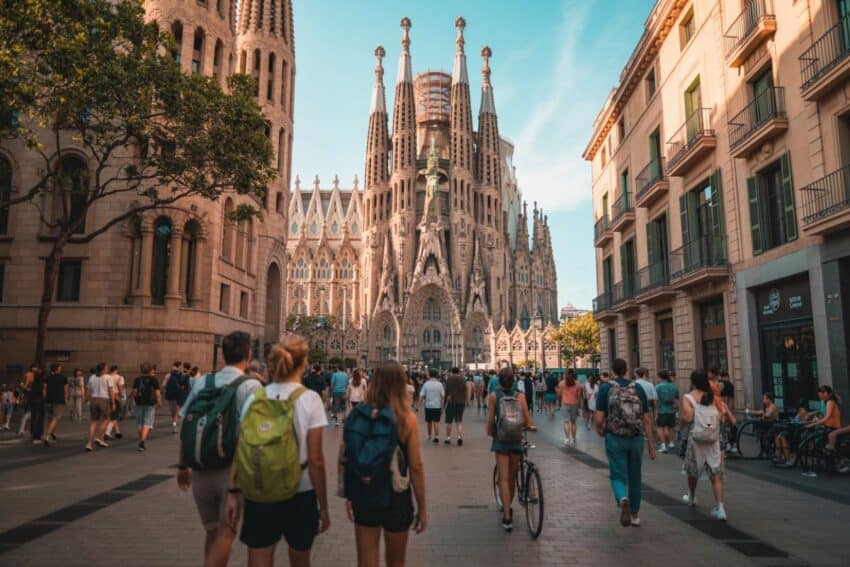
Barcelona, one of Europe’s most visited cities, has introduced significantly higher tourism charges in 2026 as local authorities respond to long‑standing pressures from visitor growth and housing affordability concerns. The Catalan government raised the overnight visitor tax, bringing fees among the highest in Europe in an effort to generate revenue to support community projects and ease overtourism impacts on residents and urban infrastructure. The new charge applies to hotel stays, short‑term rentals and even cruise passengers spending extended hours in the city, reflecting a broader policy push to manage visitor behaviour and fund local priorities.
While tourism remains a major economic pillar for Barcelona and Spain more broadly, the steep increases have sparked debate among travellers, industry groups and residents, many of whom feel that stronger measures are needed to balance visitor influx with the quality of life for locals. Barcelona authorities argue that income from the tax will contribute toward housing initiatives, public services and infrastructure enhancements aimed at long‑term sustainable tourism growth.
Advertisement
Advertisement
Understanding Barcelona’s Tourist Charge Revisions
Barcelona’s revised tourism surcharge reflects a coordinated decision by the regional parliament of Catalonia to more than double the fees charged to visitors. As of 2026, guests staying in hotels can expect to pay between approximately €10 and €15 per night, depending on accommodation category, up from roughly €5‑€7.50 previously. Cruise passengers and short‑term rental guests also face elevated charges, representing a comprehensive shift in how the city collects revenue from its travel economy.
The rationale behind the hike is multi‑pronged: to achieve a fairer distribution of tourism costs, to generate funds that can be invested in affordable housing projects and services, and to encourage more responsible traveller behaviour. A portion of the collected revenue is set aside specifically for community housing initiatives, aimed at addressing the ongoing affordability crunch faced by residents in Barcelona and other Catalan cities.
Advertisement
Advertisement
Local Backlash and Resident Frustrations
Despite the official rationale, attitudes toward tourism in Barcelona are increasingly complex. Many residents have expressed frustration with the effects of mass tourism on everyday life, including rising rents, pressure on services and a perceived loss of community identity. Graffiti and slogans such as “Tourists Go Home” have appeared in parts of the city — a symbolic reflection of growing tensions between everyday residents and the travel economy that has expanded rapidly over the past decade.
This sentiment is not new to Barcelona. Anti‑tourism protests have occurred periodically since at least 2024, extending to other Spanish cities such as Málaga and the Balearic Islands as residents campaign for caps on visitor numbers, stronger regulation of short‑term rentals, and more equitable housing conditions. Local activists argue that overtourism has contributed significantly to housing shortages and infrastructure strain, pushing authorities to trial new policy tools such as tax hikes and licensing restrictions.
Advertisement
Advertisement
Economic Context: Tourism’s Role in Barcelona and Catalonia
Barcelona — along with the wider Catalonia region — has traditionally relied heavily on tourism as a key driver of economic activity, attracting millions of international visitors annually who contribute to hospitality, retail and service sectors. While the city’s beaches, Gothic Quarter, architecture, museums and cultural attractions make it a perennial favourite among travellers, the sheer volume of visitors has increased competition for housing and local amenities.
The higher tourist fees signal a shift away from laissez‑faire tourism growth toward more regulated and community‑focused management of visitor impact. By charging more for the privilege of staying within the city, officials hope to slow pressure on congested neighbourhoods, spread visitor demand more evenly across seasons and attractions, and reinvest tourism income into sustaining Barcelona’s unique character and residents’ well‑being.
Advertisement
Advertisement
Impact on Visitors and Travel Planning
For those planning trips to Barcelona in 2026, the changes mean that travel budgets may need adjustment. The increased nightly visitor tax has a direct effect on the cost of hotel stays and short‑term rentals, and could also influence decisions about the length and timing of visits. Cruise travellers stopping in Barcelona ports will see higher charges for short stays, potentially impacting the overall cost of Mediterranean cruise itineraries.
Travel industry representatives have voiced concern that abrupt increases could deter some tourists or shift demand to other Mediterranean destinations with lower fees. Some hoteliers and tour operators suggest that sudden steep hikes risk undermining long‑term tourism competitiveness if not paired with clear benefits to visitors and enhanced travel experiences.
Sustainable Tourism and Future Policy Directions
Barcelona’s approach reflects a broader European discussion about sustainable tourism — balancing economic benefits with environmental protection, resident needs and quality visitor experiences. Tourist taxes are increasingly used across Europe as tools to discourage overcrowding, fund infrastructure improvements and promote responsible travel practices. Many cities have designed these levies to support public services, environmental initiatives and cultural preservation.
In Barcelona’s case, the tax increase is part of a wider strategy that includes phasing out certain short‑term rentals by 2028 and tighter regulations on tourism‑related activities, with the dual aim of preserving housing affordability and reducing overtourism burdens on neighbourhoods. By creating a regulatory environment that balances visitor demand with resident welfare, Barcelona is attempting to redefine its identity as a sustainable, culturally vibrant destination that can thrive for generations.
Advertisement
Advertisement
Conclusion: A Crossroads for Tourism in Barcelona
As Barcelona navigates the twin challenges of high tourist numbers and resident discontent in 2026, its revised visitor tax policy underscores the city’s effort to shape a more sustainable travel future. With strong local sentiment calling for responsible tourism and economic measures geared toward long‑term community benefit, Barcelona’s model could signal a broader shift in how major European cities manage tourism growth. For travellers, staying informed about these changes will be key to planning visits that respect both local priorities and the rich cultural experiences the city continues to offer.
Advertisement
