
Kyoto Just Changed How You Travel To Japan Forever With High Luxury Hotel Taxes That Have Everyone Talking, Find Out Now

Published
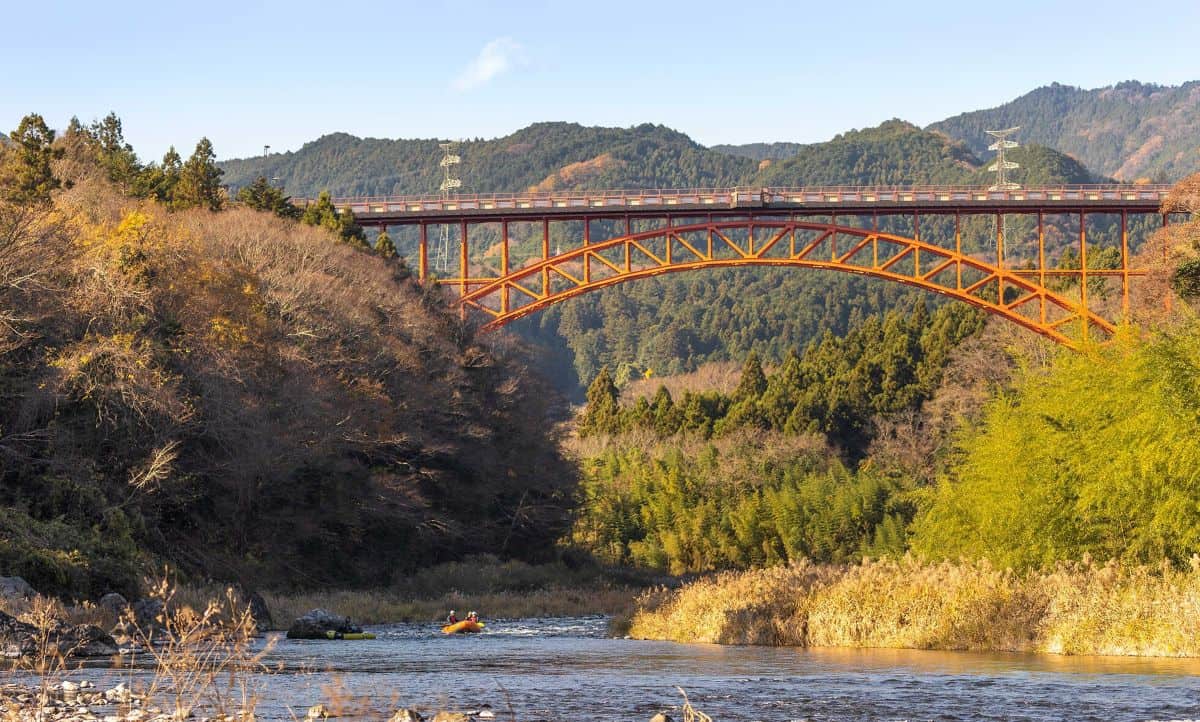
Image Credit tokyotokyo.jp
Have you been to a city that is nearly overrun with tourists? Kyoto has culture, history, Buddhism and dwindling infrastructure. Culture is crucial to a city’s identity, and Kyoto’s has been completely swept up by the long lines of tour buses and the local citizens who are completely burnt out. Kyoto’s streets may not be picture perfect, but there is no denying that they are special. This soul that has been lost has prompted Kyoto to do something that is rather unpleasant to most. On March 1, 2026, Kyoto altered their system of hotel taxation. Kyoto understood that with this maneuver, budget tourists would no longer be attracted to Kyoto and that fewer people would visit, however, this would at least give them the much needed funding for preservation.
Advertisement
Advertisement
Kyoto’s fight to preserve temples and culture will continue. Unless we start taking measures to preserve beauty and history in Kyoto and other cities before they are nearly lost, and not preserved, people will only have the opportunity to see what a city used to be like through pictures instead of being able to visit and witness these things first hand.
Comprehensive Analysis of Urban Tourism Policy Changes
Advertisement
Advertisement
Kyoto recently enacted a total structural overhaul of its Kyoto hotel accommodation tax 2026 luxury rates to manage changing tourism demands effectively. Local administrative authorities officially put this revised policy into action on March 1, 2026. Consequently, the municipal government transitioned from its legacy three-tier collection framework into a structured five-tier graduated tariff model. Therefore, this strategic regulatory shift introduced the highest municipal lodging surcharges across Japan, targeting foreign visitors occupying upscale accommodations. Local leaders instituted these modified collection measures to curb overwhelming tourist congestion, fund essential municipal transit enhancements, finance citywide crowd control operations, and preserve ancient cultural landmarks throughout Kyoto.
Furthermore, lodging providers across Japan’s cultural heartland now collect these mandatory fees directly from guests during check-in or check-out procedures. Online booking portals do not include these supplemental assessments within preliminary digital reservation totals. As a result, unprepared foreign tourists frequently encounter unexpected out-of-pocket expenses upon arriving at their destinations in Japan. While domestic primary and secondary school trips remain entirely exempt so Japanese youth maintain affordable access to local history, foreign student delegations enjoy no such exemption. Consequently, international tour operators must recalculate total itinerary costs when arranging extended journeys across Kyoto.
Advertisement
Advertisement
To provide essential context, tourism analysts stress that local administrations must carefully balance community preservation alongside commercial revenue generation. Municipal planners in Kyoto anticipate that collecting higher fees from wealthy travelers will directly fund vital public restoration projects. Furthermore, local residents have long voiced serious concerns regarding overcrowded transit routes and heavily congested public streets. By gathering dedicated revenue directly from guests staying in premium lodgings, municipal authorities aim to build superior transit networks that serve residents and international visitors alike.
Understanding the 2026 Revised Kyoto Hotel Accommodation Tax Framework
Advertisement
Advertisement
The historic city of Kyoto reported that municipal administrative authorities executed a complete structural overhaul regarding its municipal lodging duty. This policy officially went into effect on March 1, 2026. Officials reported that local government representatives replaced their previous three-tier collection setup with an expanded five-tier graduated system. Consequently, industry observers noted that this regulatory update created Japan’s highest municipal lodging rates. Authorities instituted these revised charges to manage severe crowding, fund crucial civic infrastructure, enhance crowd management, and safeguard historical landmarks throughout Kyoto.
Furthermore, hospitality operators across Japan’s historic capital reported that they must now collect these mandatory fees directly from visitors on a per-person, per-night basis during check-in or checkout. Reservation platforms do not display these local fees within initial room prices, which creates unexpected budget demands for unprepared travelers. Administrative guides confirmed that while domestic school trips remain fully exempt to ensure Japanese students maintain affordable access to cultural heritage, foreign student groups receive no such financial relief. As a direct result, global travel planners must now incorporate these substantial surcharges into overall trip estimates when organizing extended stays in Kyoto.
Additionally, industry experts noted that clear communication would prove essential for hospitality operators managing these changes. Global travel advisers reported that they were actively updating their client advisories to ensure international tourists understand the precise financial breakdown before setting off for Japan. By preparing visitors in advance, the local travel sector hopes to maintain high customer satisfaction levels while supporting the city’s long-term sustainability goals.
Evaluating Financial Demands on Global Visitors and High-Yield Travel Segments
Advertisement
Advertisement
Reports indicated that the newly expanded rate tiers heavily increase financial obligations for affluent travelers staying in premium accommodations across Kyoto. Budget travelers choosing accommodations priced under ¥6,000 continue paying the static baseline rate of ¥200 per individual each night. However, mid-tier rooms priced between ¥6,000 and ¥19,999 now carry a doubled nightly charge of ¥400. Mid-range accommodations ranging from ¥20,000 to ¥49,999 incur a doubled fee of ¥1,000, while premium suites costing between ¥50,000 and ¥99,999 experience a dramatic fourfold surge from ¥1,000 to ¥4,000 per person nightly.
The steepest financial adjustments target elite travelers occupying luxury suites priced at ¥100,000 or higher per night. Administrative updates confirmed that these high-end rooms face a massive tenfold tax increase, escalating from ¥1,000 to an unprecedented ¥10,000 per person each night. For example, a visiting couple residing for seven nights in a top-tier luxury suite will incur ¥140,000 (roughly $910 USD) strictly in local lodging fees. Analysts stated that this policy reflects a growing global movement where iconic cultural centers utilize progressive taxation to curb environmental wear while extracting higher economic yields from international travel groups.
Worldwide travel consultants highlighted that these increased fees will significantly alter spending habits among foreign visitors. When high-end sightseers realize that local fees add nearly a thousand dollars to a single week in Kyoto, they may choose to trim their discretionary shopping budgets or spend less at regional dining venues. Consequently, luxury hotels in Japan reported that they are adjusting their marketing messaging to ensure guests feel the elevated fees are justified by improved local services and pristine surroundings.
Analyzing Sector Shifts and Shifting Itineraries Across Asia and Beyond
The strategic restructuring of lodging levies in Kyoto creates widespread implications across the global travel industry. International tour organizers, hospitality groups, and trip advisors reported that they must recalculate their package pricing to account for these substantial municipal surcharges. Because digital booking platforms usually omit local city taxes during the initial checkout process, foreign tourists frequently express surprise when required to settle these additional costs in person upon arriving in Japan.
Moreover, observers noted that this regulatory bold step encourages rival tourist destinations across Asia and Europe to examine similar graduated lodging levies for urban preservation. Hospitality researchers observed that budget-conscious globetrotters and high-end guests alike may shorten their time in Kyoto, opting instead to spend additional nights in surrounding regions like Osaka, Nara, or Shiga to avoid high daily taxes. Nevertheless, municipal officials expressed confidence that these localized fees will successfully modernize urban transit systems, preserve historic temples, and foster a healthier balance between local community living standards and international tourism demands.
Advertisement
Advertisement
From an industry perspective, analysts stated that this bold policy model serves as a testing ground for sustainable tourism management worldwide. Other global cities facing urban crowding are watching Japan closely to see if steep lodging fees effectively reduce congestion without deterring overall visitor arrivals. If Kyoto proves that high-tier taxation can finance public infrastructure without harming the local economy, experts predict that similar tax frameworks will likely proliferate across popular cultural destinations worldwide over the coming decade.
Municipal Fiscal Expansion and Strategic Capital Allocation Metrics
Following the comprehensive tax policy transition on March 1, 2026, the municipal framework moved to a structured five-tier taxation model designed to dramatically elevate local revenue generation. Annual tax collections, which previously stabilized around ¥4.5 billion under the legacy system, are projected to expand significantly, reaching an annual output between ¥10 billion and ¥12 billion. This substantial fiscal growth establishes a dedicated financial reserve aimed at stabilizing urban infrastructure, preserving cultural assets, and optimizing civil service capabilities across the city.
The allocation of these capital reserves follows a targeted strategic framework designed to address critical pressure points across the urban landscape. Forty percent of the direct funding is designated for comprehensive transit upgrades, including the establishment and expansion of specialized high-frequency bus lines dedicated primarily to tourist corridors. Thirty percent of the capital is funneled directly into structural preservation, restoration projects, and maintenance protocols for historic temples, shrines, and traditional heritage sites. Meanwhile, twenty percent of the resources are channeled into deploying advanced urban technology networks and spatial monitoring systems to regulate pedestrian flows in high-density zones. The remaining ten percent of dedicated funding enhances civic emergency response infrastructure by expanding multilingual support staff, medical access portals, and public safety networks.
Regional Tourism Dispersal and Kansai Economic Integration
The recalibration of local accommodation costs has shifted travel behavior, encouraging visitors to distribute their stays across adjacent urban centers. Market data indicates that over half of regional travel planners now integrate multi-destination itineraries, reallocating 2 to 3 nights of their planned itineraries away from the municipal center toward neighboring municipalities such as Osaka, Nara, Otsu within Shiga Prefecture, and Kobe. This structural shift effectively spreads the regional economic benefits of tourism throughout the broader Kansai area.
Advertisement
Advertisement
A primary driver of this geographical dispersal is the highly efficient regional transport infrastructure. The 15-minute high-speed bullet train corridor connecting central hubs allows travelers to maintain seamless access to cultural landmarks while establishing their primary lodging bases in areas with lower accommodation levies. This dynamic balances regional hotel occupancy rates, incentivizes multi-city transit usage, and mitigates continuous urban crowding within the primary metropolitan core.
Comparative International Analysis of Sustainable Tourism Levies
The implementation of Kyoto’s top-tier accommodation tax—reaching ¥10,000 (approximately $65 to $70 USD) per person per night—places the municipality at the upper threshold of global sustainable tourism taxation models. Comparing this model against other major international cultural hubs illustrates diverse fiscal approaches to managing high-volume visitation. For instance, while Venice utilizes a fixed access fee of €5.00 to regulate day-trippers entering its historic center, Amsterdam levies a 12.5% percentage-based tax on gross room rates to capture revenue tied directly to total nightly expenditures. Barcelona combines municipal surcharges ranging from €3.25 to €6.75 per night to fund neighborhood infrastructure, and Paris enforces tiered flat fees based on hotel ratings, reaching up to €14.95 per night for luxury stays to fund regional transit.
Evaluating flat-rate tiering against percentage-based models reveals distinct operational trade-offs. Tiered flat taxes provide high predictable revenue yields from luxury accommodations without penalizing mid-scale bookings, whereas percentage models scale automatically with inflation but may disincentivize overall length of stay during peak pricing seasons.
Hospitality Management Impact and Operational Compliance Protocols
The administrative responsibility of collecting tiered municipal surcharges falls heavily on local hospitality providers, introducing operational friction at the customer interface. Front-desk personnel report an estimated 15% to 20% increase in check-in processing duration. This extended handling time stems primarily from manual transaction verification, currency conversion inquiries, and the necessity of explaining unexpected municipal levies to arriving international guests.
Advertisement
Advertisement
Operational complexities are further compounded by third-party digital booking channels. Because many global Online Travel Agencies (OTAs) do not collect localized municipal surcharges during the online checkout process, front-desk staff must execute separate financial transactions upon guest arrival. This reliance on manual on-site collection increases administrative workloads, heightens credit card processing overhead, and impacts initial guest service interactions.
Consumer Budget Reallocation and Local Commerce Impact
Elevated lodging taxes alter the overall expenditure patterns of long-stay and high-spending visitors. For luxury travelers residing in premium accommodations priced at or above ¥100,000 per night, the additional tax liability adds ¥140,000 (roughly $910 USD) to a standard 7-night stay. In response to these fixed accommodation surcharges, approximately 25% of luxury visitors report adjusting their overall travel budgets by reducing discretionary spending in other sectors of the local economy.
This contraction in discretionary spending directly impacts independent local businesses that rely on high-value tourism. Fine dining establishments, traditional artisan craft workshops, and independent tour guides face reduced direct consumer spending. Consequently, while municipal coffers gain structured tax receipts, private sector cultural merchants often experience an offset in direct visitor commerce.
Smart Urban Mobility Infrastructure and Real-Time Congestion Management
Tax revenue allocations directly accelerate the integration of high-tech urban management technologies designed to maintain civic flow. The municipality is deploying an expanded real-time congestion tracking system across 17 distinct high-density tourism districts. Utilizing Internet of Things (IoT) sensors and AI-driven predictive cameras, the network continuously measures pedestrian and vehicle density throughout critical historic corridors, including Gion, Arashiyama, and Fushimi Inari.
Advertisement
Advertisement
The data gathered by this infrastructure feeds directly into dynamic public communication channels across the city. Predictive mobile applications present live crowd density displays so visitors can adjust their travel itineraries dynamically based on real-time congestion metrics. Simultaneously, smart transit terminals at public bus stops update arrival schedules, waiting times, and recommended route adjustments automatically, while automated crowd rerouting system alerts trigger temporary transit diversions during peak hours to distribute foot traffic away from overburdened historical sites.
Policy Exemptions and Educational Tourism Equity
The structure of the accommodation tax highlights distinct strategic policy objectives when comparing domestic youth education with international travel groups. Over 300,000 Japanese elementary, middle, and high school students visit the city annually on official educational excursions while remaining completely exempt from the accommodation tax (¥0 rate). Conversely, 100% of incoming international educational delegations are subject to standard municipal tax tiers, ranging from ¥200 to over ¥1,000 per student based on nightly room rates.
This structural distinction reflects a deliberate policy choice to preserve affordable access to national heritage sites for domestic youth. By insulating school excursion programs from additional costs, the city maintains its role as a core educational destination for Japanese students, while utilizing international educational travel budgets to help offset the civic maintenance costs associated with global tourism.
Developer Pricing Adaptations and Tax Threshold Architecture
The introduction of rigid tax rate boundaries has prompted strategic adjustments in hotel pricing models and property developments. Property developers and revenue managers actively design room rates to sit immediately below major statutory tax increments. For example, rooms are strategically listed at ¥19,900 or ¥49,500 per night to remain just beneath the critical ¥20,000 and ¥50,000 thresholds, which would otherwise trigger higher tax brackets of ¥1,000 and ¥4,000 per guest.
Advertisement
Advertisement
By applying precise psychological pricing strategies, hoteliers shield guests from sharp tax increases while maintaining room yield efficiency. This strategic rate management allows lodging operators to stay competitive in search engine algorithms, protect operating margins, and optimize overall occupancy rates under the multi-tiered taxation structure.
The Final Verdict
Whether or not you have been to many places, travel is truly measured by the moments you have allowed yourself to enjoy and the lives you have appreciated. Kyoto has some of the best opportunities to enjoy these moments at their Zen Gardens and Temples. Gion’s stone-paved lanes and waiting for a less crowded bus while other travelers enjoy a moment of peace at one of Kyoto’s stationary temples speak for themselves. It is amazing that Kyoto shares those moments with the rest of the world, but the most important appreciation is for what you love. As these types of lodging taxes begin to affect all of us, we will begin to live with the increased total checkout times. Each yen is a commitment to these people and places. Kyoto will welcome us, and with these taxes we all have the chance to love and care for Kyoto in order to leave our mark of caring in the world. Kyoto will give access to their heart to the rest of the world, but this is our chance for us to take care of the magic that is Kyoto.
Advertisement
