
New Mexico Caught In A Phantom Economic Boom While Modern Travel Models Drain Native Capital Overseas, Here’s The Update

Published
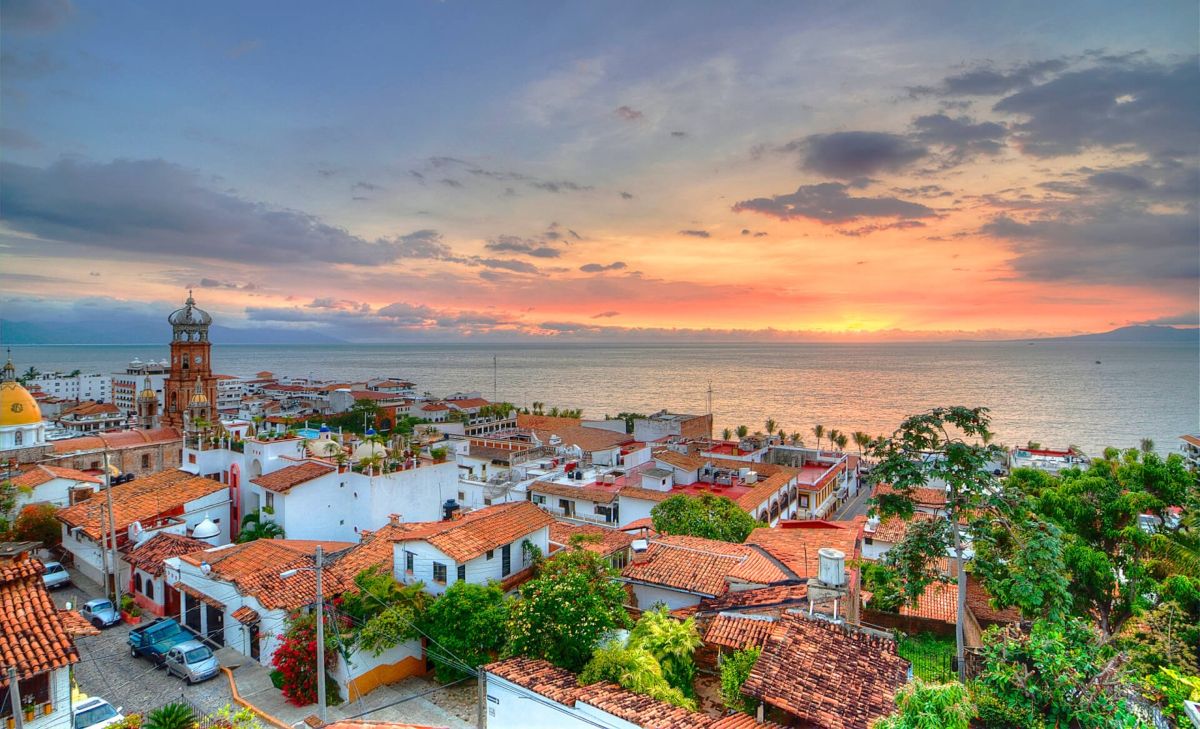
Image Credit travelmexico.travel
New Mexico’s tourism industry is booming. It is estimated that tourism in the state is growing twice as fast as the average state. Although more and more people are flocking to the state, many of its residents feel that they have not benefited from the increased tourism. Residents are especially sensitive to the influx of out-of-state visitors during the busy tourist season, and know that tourists use the state’s resources while state residents have to bear the cost. Deteriorating state and local resources coupled with rising profits for out-of-state investors are leading to increased anxiety among many state residents. If current conditions continue, increased tourism will accelerate the negative impacts on state residents and displace greater numbers of long time residents.
Negative consequences for state residents and the insecurity felt by the service industry workforce will continue as tourism grows. These service industry workers are often from other states and feel just as displaced as long time residents. Many state residents, including employees of the service industry, feel the need to leave their state to work in the service industry to support out-of-state visitors, who displace and negatively affect the community.
How Does Import Leakage Drain Vital Capital From Southwestern Markets in New Mexico?
Advertisement
Advertisement
Mass tourism infrastructure across Southwestern markets like New Mexico demands high volumes of specialized food, beverage, furnishings, and operational commodities to satisfy international clientele. Because localized agricultural producers and small businesses in New Mexico often lack the massive wholesale volume or rigid corporate vendor contracts required by major hospitality chains, multi-national resorts routinely import these essential inputs from out-of-state or international suppliers. Consequently, millions of dollars in procurement budgets bypass local farmers, artisans, and regional distributors entirely. This systemic bypass starves the domestic market of the liquidity it desperately needs to foster genuine, community-led economic resilience.
Corporate conglomerates operate under streamlined, global supply chain models that systematically ignore regional capabilities across destinations like Santa Fe and Albuquerque. By sourcing commodities from centralized external hubs, these mega-resorts treat the local economy merely as an extractive backdrop rather than a partner in mutual prosperity.
Advertisement
Advertisement
Why Do International Hospitality Chains Siphon Net Operating Revenues Out of Local Communities in Santa Fe?
National and international management corporations operating luxury properties in premier Southwestern tourism hubs—such as Santa Fe, Taos, and Albuquerque routinely siphon net operating revenues, franchise fees, marketing assessments, and investor dividends directly back to corporate headquarters located far outside New Mexico. Although the state welcomes millions of eager travelers each year, a vast percentage of the actual cash transactions processed at front desks and resort spas never touches a local commercial bank. Instead, funds are swept electronically into foreign or out-of-state accounts within seconds of payment.
This relentless profit repatriation acts as a heavy anchor dragging down regional financial independence across Northern New Mexico. Wealth generated by the natural beauty and cultural heritage of New Mexico is systematically harvested by corporate boards who bear no civic stake in local infrastructure maintenance or public school funding.
In What Ways Does Labor Compensation Drain Depress Long-Term Regional Prosperity in Albuquerque?
While the expansive hospitality industry supports thousands of service jobs statewide across New Mexico, a disproportionate share of executive compensation, high-tier management salaries, and specialized consultancy fees are remitted outside the local tax and spending ecosystem by transient corporate leadership. Front-line workers bear the brunt of daily operations while earning constrained wages, whereas top-tier administrative earnings are immediately funneled out of state. This wage polarization ensures that the multiplier effect of tourism spending remains severely stunted for working-class families in cities like Albuquerque and Las Cruces.
Economic inequality widens as external corporate entities capture the lion’s share of financial gains while leaving local municipalities to shoulder the heavy infrastructural burdens of policing, waste management, and road maintenance. The promise of abundant job creation frequently masks a structural trap that locks local laborers into low-ceiling employment tiers.
Advertisement
Advertisement
How Do Closed-Loop Resort Ecosystems Create Destructive Multiplier Degradation in Taos?
The structural failure of international and all-inclusive style resort chains centers on their closed-loop ecosystem design, which deliberately isolates visitor expenditure from surrounding communities in Taos. Input-output economic models reveal that every dollar spent by a tourist diminishes in its regional impact due to “leaky buckets,” where intermediate business inputs like energy, technology licensing, and corporate marketing are purchased from external vendors. Visitors are kept inside heavily self-contained resort bubbles featuring captive dining, on-site recreation, and internal retail shops.
Because tourists spend their entire itineraries within these insulated compounds, independent local restaurants, downtown retail boutiques, and community guides miss out on vital foot traffic. This artificial containment prevents wealth from filtering down into the broader commercial veins of Santa Fe and Taos, choking off organic economic diversification.
Why Is Real Estate Inflation and Geographic Concentration Pricing Locals Out of Housing Markets in Santa Fe County?
Economic activity remains heavily concentrated in specific resort and cultural hotspots like Santa Fe and Taos counties, where runaway real estate inflation driven by external resort development prices out local workforce housing. As massive parcels of land are swallowed up by luxury resort expansion, residential housing stock shrinks, driving property values beyond the reach of native residents and service workers. This severe housing crunch exacerbates the net loss of community-level financial resilience across New Mexico.
Communities transform into hollowed-out playgrounds for affluent transients, displacing families who have inhabited the region for generations. Without aggressive municipal interventions, this unchecked geographic concentration ensures that the human cost of tourism will ultimately outweigh its financial contributions.
Advertisement
Advertisement
Unraveling the Hidden Financial Drains: How Corporate Agribusiness Monopolies and Centralized Supply Chains Bypass Local Farming Communities Across New Mexico
Mass hospitality operations across major Southwestern hubs account for over $8.8 billion in direct visitor expenditures, yet more than 65% to 70% of food, beverage, and raw agricultural procurement budgets are funneled directly through national distribution conglomerates based outside the state. Local farmers, traditional chile growers, and independent organic producers scattered across the fertile Rio Grande valley find themselves completely locked out of corporate resort supply contracts due to rigid volume thresholds and centralized out-of-state vendor agreements. This systemic structural disconnect silently drains millions of dollars in potential agricultural revenue away from vulnerable rural New Mexico communities every single year.
Corporate mega-resorts routinely prefer streamlined, nationwide logistics pipelines over cultivating direct relationships with regional agrarian cooperatives, prioritizing corporate consistency over community-level economic health. Consequently, the massive culinary demands generated by upscale tourism act as an extractive force rather than a collaborative market opportunity for native cultivators. Without intentional policy shifts toward regional sourcing, the agricultural heartland of the state continues to lose critical capital to external corporate food brokers who contribute nothing to local soil or society.
How Do Global Online Travel Agencies and International Booking Aggregators Siphon Lucrative Visitor Spending Away From Historic Santa Fe?
New Mexico welcomed roughly 760,000 international travelers contributing $691 million in high-value spending, supported by an encouraging growth spike of 1.1% in international arrivals that successfully bucked broader national tourism downturns. Despite these impressive visitor volume metrics, a substantial fraction of these premium tourist dollars never reaches local pockets because transactions are instantly intercepted by global online travel agencies and international booking aggregators. These powerful digital intermediaries charge exorbitant commission rates—often ranging aggressively between 15% and 25%—which are wired directly to corporate accounts overseas, completely bypassing local commercial banks in Santa Fe.
When visitors book their luxury accommodations through centralized web platforms, a large slice of the transaction value evaporates before the traveler even sets foot in the state. Local hoteliers and independent lodging providers are forced to participate in these digital ecosystems to maintain visibility, trapping them in a cycle of digital extraction. This invisible financial leakage ensures that foreign technology conglomerates capture the lion’s share of international spending, leaving local businesses to absorb the operational overhead.
Advertisement
Advertisement
Why Does Severe Hospitality Wage Polarization Across Taos County Depress Long-Term Multiplier Effects and Working-Class Stability?
While the expansive state tourism ecosystem supports approximately 95,212 jobs, lower-tier service occupations constitute over 75% of local hospitality employment, where average hourly wages lag significantly behind state median living costs. High-tier management salaries, executive bonuses, and specialized corporate consultancy retainers are regularly remitted out-of-state by transient corporate leadership managing luxury resorts in Taos County. This stark wage polarization stifles the local economic multiplier, preventing front-line service workers from generating sustained secondary and induced spending within neighborhood retail and service sectors.
Working-class families bear the physical brunt of daily resort operations while earning constrained wages that offer zero cushion against rising inflation. Meanwhile, top-tier administrative earnings are instantly funneled out of state, widening the socioeconomic divide within the community. The promise of abundant hospitality employment frequently masks a structural trap that locks local laborers into low-ceiling jobs, severing the link between hard work and genuine local wealth accumulation.
How Do Closed-Loop All-Inclusive Resort Models Create Destructive Economic Enclaves and Stifle Foot Traffic Across Urban Albuquerque?
Internalized resort spending accounts for an estimated 55% of total guest expenditure within large-scale branded properties, leaving independent off-site restaurants and retail boutiques to fiercely compete for the remaining fractional share. Mega-resorts and corporate compounds utilize a highly restrictive closed-loop operational design featuring captive dining, on-site recreation, and internal gift shops. By keeping visitors entirely within these self-contained bubbles, urban centers like Albuquerque experience a critical failure of foot traffic diffusion, starving independent downtown vendors of vital tourist liquidity.
When tourists spend their entire itineraries inside insulated corporate compounds, independent local restaurants, downtown retail boutiques, and community tour guides miss out on essential economic interactions. This artificial containment prevents wealth from filtering down into the broader commercial veins of the city, choking off organic economic diversification. Urban municipal districts watch helplessly as tourist dollars circulate solely within corporate balance sheets rather than invigorating local small businesses and street-level commerce.
Advertisement
Advertisement
What Is the True Financial Impact of Mandatory Franchise Fees and Relentless Profit Repatriation on Municipal Budgets Across New Mexico?
Corporate hospitality chains routinely remit roughly 4% to 8% of gross room revenues directly back to parent company headquarters as mandatory brand franchise and marketing assessment fees. Millions of dollars generated from New Mexico’s rich cultural heritage and scenic beauty are automatically swept electronically into corporate treasuries located far outside state boundaries. This institutional profit extraction deprives municipal governments of the tax liquidity required to maintain heavy infrastructural burdens, including public safety, emergency services, road repairs, and municipal waste management.
Local municipalities are left holding the bag, bearing the massive infrastructural costs of servicing heavy tourist volumes while major resort profits vanish overnight. The continuous draining of operating capital prevents local city councils from investing in long-term public goods, schools, and civic amenities. Without a mechanism to capture a fair share of corporate revenues locally, municipal budgets remain perpetually strained despite record-breaking visitor spending figures.
Why Is Runaway Real Estate Inflation Driven by Aggressive Resort Expansion Pricing Native Families Out of Historic Santa Fe?
Real estate values in primary tourism counties have surged by over 35% over recent tracking cycles, heavily outpacing local median household income growth and crushing workforce housing availability. As external corporate developers acquire vast acreage for luxury resort expansions and short-term vacation rentals, residential housing stock shrinks drastically. Native families, cultural preservationists, and hospitality service workers in Santa Fe are forced out of their generational neighborhoods, trading community stability for transient tourist accommodation models.
Communities rapidly transform into hollowed-out playgrounds for affluent transients, displacing families who have inhabited the region for generations and altering the cultural fabric permanently. Without aggressive municipal interventions, this unchecked geographic concentration ensures that the human cost of tourism will ultimately outweigh its financial contributions. Local governance structures face unprecedented crises as housing affordability plunges to historic lows across premier destination zones.
Advertisement
Advertisement
How Does Import Dependency for Luxury Resort Infrastructure Stifle Small-Scale Craft Artisans Across Northern New Mexico?
Premium resort interior design, construction materials, and room furnishings inventories rely on external corporate supply chains for over 80% of their physical inputs. Authentic local craftspeople, traditional weavers, and independent Southwestern artists struggle to secure vendor agreements with mass-market hospitality chains due to rigid corporate standardization policies. Consequently, upscale resort spaces are consistently filled with mass-produced decor imported from abroad, erasing authentic regional culture while exporting capital to international manufacturing hubs.
The unique artistic heritage of Northern New Mexico is reduced to a superficial aesthetic theme while actual local creators are locked out of lucrative institutional procurement contracts. This heavy reliance on imported furnishings starves regional artisan cooperatives of the financial support needed to pass down ancestral crafting techniques. Resort interiors become disconnected from the physical landscape they occupy, favoring sterile corporate uniformity over authentic local expression.
Can State-Level Procurement Mandates and Lodging Tax Reinvestments Successfully Reverse Structural Economic Leakage Statewide?
New Mexico generates substantial state and local tax revenue including over $839 million in total tourism-driven tax yields and billions in statewide gross receipts tax collections. Forward-thinking economic models advocate for redirecting a fixed percentage of municipal lodging taxes toward localized workforce housing subsidies and mandatory state-certified procurement quotas. By forcing corporate resorts to source at least 30% of their operational inputs locally, New Mexico can successfully plug its leaky economic buckets and retain true wealth accumulation.
Implementing rigorous state-level procurement frameworks ensures that record-breaking visitor expenditures translate into tangible, long-term prosperity for residents rather than vanishing into foreign accounts. Reinvesting lodging tax yields directly into community infrastructure and affordable housing directly offsets the inflationary pressures introduced by external resort capital. Through strategic policy enforcement, the state can transform mass tourism from an extractive drain into a genuine engine of sustainable domestic growth.
Advertisement
Advertisement
The Final Verdict
We mourn the exodus of families and the decay of businesses in Northern New Mexico. The growing lure of opportunity in Santa Fe, combined with the cost of living there, creates an unhappy situation in which we lose generations of our people. Businesses have closed on historic Taylor Avenue in Taos because they could not survive there. Meanwhile, out of state businesses purchase land in New Mexico, and after developing and profiting from it, leave the state. Various customs, traditions, and occupations are disappearing. Cattle and sheep raising have almost disappeared.
The employees of these occupations have almost completely disappeared. It is time for a change. Our limited resources should be given to businesses that benefit, strengthen and protect the community. We should implement laws similar to those of other states to protect our community and enhance the quality of life for our citizens. We should also give protection to the remaining branches of our economy which are depleting and disappearing. It is time to tell predatory and extractive businesses to leave.
Frequently Asked Questions
What is economic leakage in the tourism industry?
Economic leakage is the process where revenue generated by tourism leaves the host destination’s domestic economy through imports, corporate profit repatriation, and foreign vendor payments rather than circulating locally.
Advertisement
Advertisement
How does New Mexico combat tourist economic leakage?
State planners and regional policymakers advocate for localized supply chain integration policies, community-centric tourism frameworks, and reinvestment mechanisms like lodging taxes to support workforce housing.
Why do international resort chains fail to retain capital locally?
They utilize closed-loop ecosystems, centralized corporate procurement pipelines, and out-of-state supply chains that siphon earnings away from domestic banks and local businesses.
Advertisement
